17th Century Japanese Paintings
Antique Early 17th Century Japanese Edo Paintings and Screens
Wood, Paper
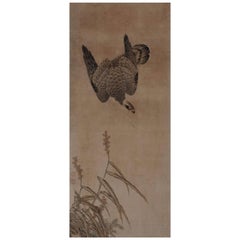
Antique Early 17th Century Japanese Edo Paintings and Screens
Wood, Paper
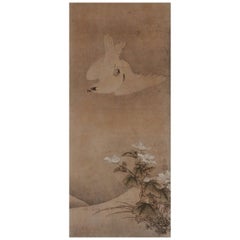
Antique Mid-17th Century Japanese Edo Paintings and Screens
Paper
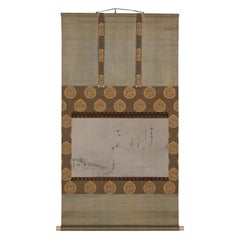
Antique Mid-17th Century Japanese Edo Paintings and Screens
Paper
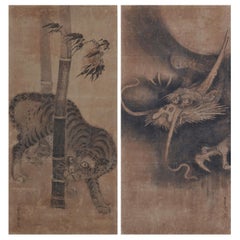
Antique Late 17th Century Japanese Edo Paintings and Screens
Gold Leaf
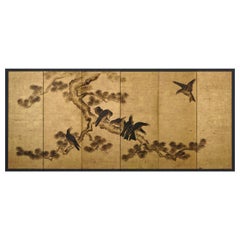
Antique 17th Century Japanese Edo Paintings and Screens
Paper
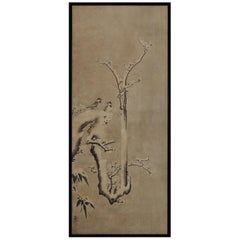
Antique Mid-17th Century Japanese Edo Paintings and Screens
Paper
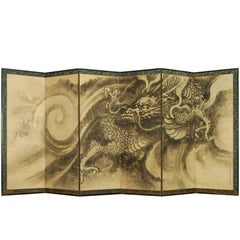
Antique Early 1700s Japanese Edo Paintings and Screens
Wood, Paper
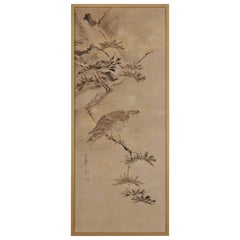
Antique 17th Century Japanese Edo Paintings and Screens
Paper
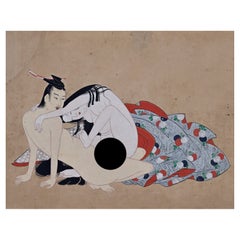
Antique Early 1700s Japanese Edo Paintings and Screens
Wood, Paper
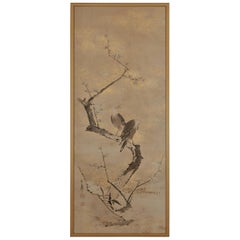
Antique 16th Century Japanese Edo Paintings and Screens
Silk
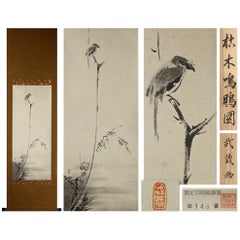
Antique Early 17th Century Japanese Edo Paintings and Screens
Paper
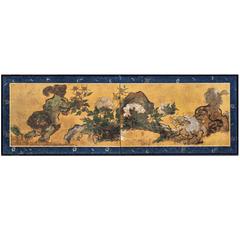
Antique Early 17th Century Japanese Edo Paintings and Screens
Gold Leaf
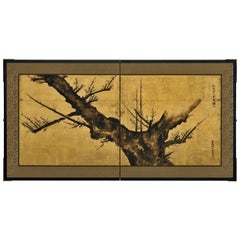
Antique Early 1700s Edo Paintings and Screens
Wood, Paper
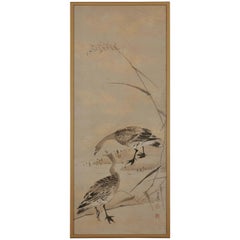
Antique 17th Century Japanese Edo Paintings and Screens
Paper
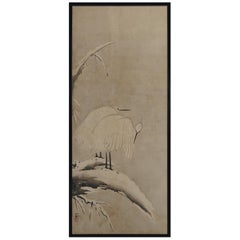
Antique Late 17th Century Japanese Paintings and Screens
Gold Leaf
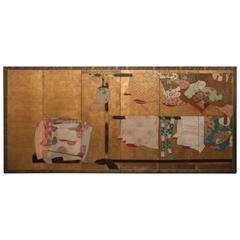

Antique Late 17th Century Japanese Edo Paintings and Screens
Gold Leaf
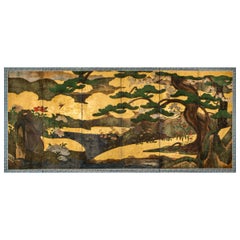
Antique 17th Century Japanese Edo Paintings and Screens
Brass, Gold Leaf
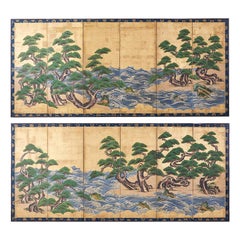
Antique 17th Century Japanese Edo Ceramics
Pottery
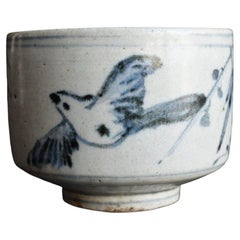
Antique 18th Century and Earlier Japanese Paintings
Antique 17th Century Japanese Paintings and Screens
Paper
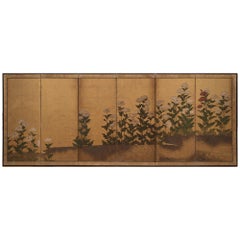
Antique 18th Century and Earlier Japanese Edo Paintings and Screens
Gold
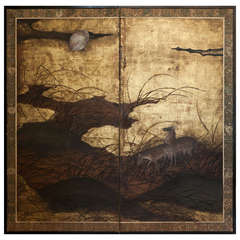
Antique Mid-17th Century Japanese Paintings and Screens
Paper
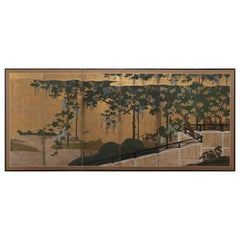
Antique Late 17th Century Japanese Paintings and Screens
Paper
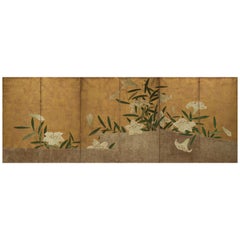
Antique Early 17th Century Japanese Paintings and Screens
Paper
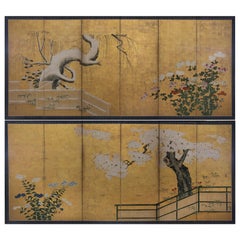
Antique 17th Century Japanese Edo Paintings and Screens
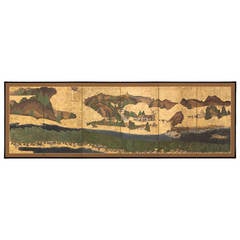
- 1
17th Century Japanese Paintings For Sale on 1stDibs
How Much are 17th Century Japanese Paintings?
Finding the Right Paintings-screens for You
Traditional Asian paintings were often created on scrolls and folding screens. Artisans made screens that could be folded up or spread out by connecting several panels using hinges. Today, antique Asian folding screens and paintings are sophisticated decorative accents that can serve as makeshift partitions to ensure privacy.
The original folding screens were created by Chinese artists. The earliest record of screens comes from the 2nd century B.C., and surviving examples date back to the Ming dynasty. Chinese painting utilizes many of the same tools as calligraphy — these screens were crafted from wood with painted panels featuring striking art or calligraphy that told cultural stories or represented nature and life in the area.
The practice was introduced to Japan, where paintings for screens were made on paper and silk, in the 8th century. These paintings frequently feature subjects such as landscapes, animals, flowers and Buddhist religious themes. Along with screens for tea ceremonies and dance backgrounds, there were screens for use in Shinto and Buddhist temples.
In the 17th century, screens began to be imported to Europe where their popularity grew. Coco Chanel famously collected Coromandel folding screens.
Traditional Asian paintings can make a tasteful addition to any wall, and screens can be used as decoration or, in the case of larger iterations, as an aesthetic way to divide a large room. Browse the selection of antique Asian paintings and screens from a variety of styles and eras on 1stDibs.
- 1stDibs ExpertSeptember 23, 2024What 17th-century furniture is called varies. The general term for all furniture produced 100 years ago, including 17th-century pieces, is antique furniture. You may also choose to be more specific and describe a piece by its style. Theatrical and lavish, the Baroque style was prevalent across Europe from the 17th to the mid-18th century and spread around the world through colonialism, including in Asia, Africa and the Americas. Baroque furniture was extravagant in all aspects, from shape to materials. 17th-century pieces from England often feature characteristics of the William and Mary style, such as crisp lines, maple and walnut veneers, inlaid bands and C-scroll ornaments. On 1stDibs, explore a variety of antique furniture.
- 1stDibs ExpertApril 5, 2022Sir Isaac Newton invented the reflector telescope in the 17th century. He created it as a replacement for the refracting telescope, which tended to have poor optics. Find a collection of antique and vintage telescopes on 1stDibs from some of the world’s top sellers.
- 1stDibs ExpertApril 5, 202217th-century Dutch portraiture has many similarities to other Baroque paintings, including rich colors, dark shadows and intense lighting. Many famous Dutch Baroque works lean toward realism. In Dutch portraiture, props and detailed backgrounds are uncommon. You'll find a collection of Dutch Baroque paintings from some of the world’s top art dealers on 1stDibs.
- 1stDibs ExpertApril 5, 2022What painting is the most important of the 20th century is largely a matter of personal opinion. Some notable works produced during the period include Paul Cézanne's Mont Sainte-Victoire, Pablo Picasso's Les Demoiselles d'Avignon, Henri Matisse's The Dance and Jackson Pollock's Lavender Mist. Shop a large selection of 20th-century paintings on 1stDibs.
Read More
Symbols of Happiness and Rebirth Adorn This Japanese Satsuma Bowl
Decorated with white cranes and the sought-after thousand-butterflies motif, the Meiji-period vessel offers both a celebration of traditional aesthetics and a clear reflection of the era’s appetite for exquisite export pieces.
Chicago’s Pagoda Red Has a Spirited Mix of Asian Antiques and Bold New Art
For 25 years, gallerist Betsy Nathan has leveraged her keen eye and key connections to bring a unique selection of rare finds to the market.
In L.A., Gallerist JF Chen Has Long Championed Eclectic Blue-Chip Design
Now working alongside his daughter Bianca, dealer Joel Chen has presented a most covetable array of antiques, art and contemporary creations for more than 40 years.
12 Calming Spaces Inspired by Japanese Design
From cherry-blossom-adorned walls paired with glamorous lighting to wood-paneled ceilings above checkerboard-patterned chairs, these 12 spaces seamlessly blend Eastern and Western aesthetics.
Rodrigo Rivero Lake’s Mexico City Showroom Is a Museum-Worthy Trove of Spanish Colonial and Asian Antiques
The dealer and curator has spent the past 50 years amassing a collection of exceptional art, furniture and architectural elements that trace the cultural influence of the Spanish empire from Europe to the Americas and beyond.
16 Refined Asian-Inspired Interiors
These spaces exemplify how Eastern elements elevate a home's decor.