1800s American Furniture
Antique Mid-19th Century Federal Side Tables
Mahogany
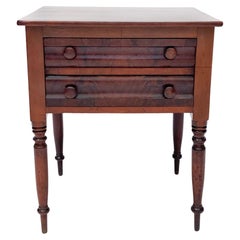

Antique 19th Century American Armchairs
Maple, Pine, Paint
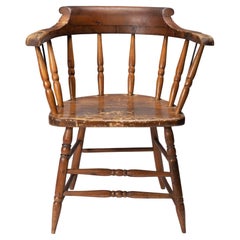
Antique Early 18th Century American Folk Art Tapestries
Linen, Silk
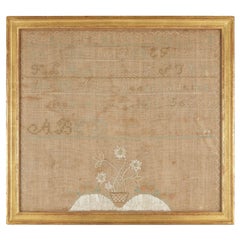
Antique Mid-19th Century American American Classical Table Lamps
Brass
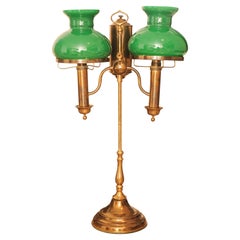
Antique Late 19th Century American Card Tables and Tea Tables
Enamel, Tin

Antique 1860s North American Country Blanket Chests
Walnut
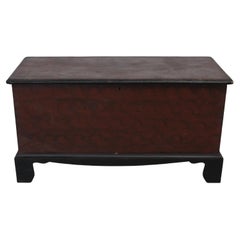
Antique Late 18th Century American Federal Side Tables
Mahogany
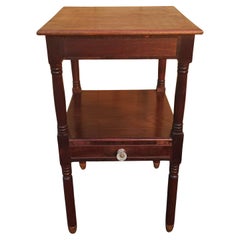
Antique Early 19th Century American Federal Desks
Mahogany
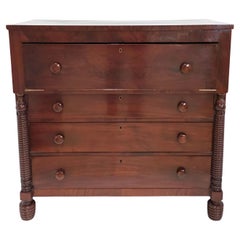
Antique 1840s American American Empire Wall Mirrors
Mahogany, Spruce
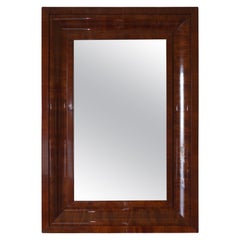
Mid-20th Century American American Colonial Desks and Writing Tables
Pine
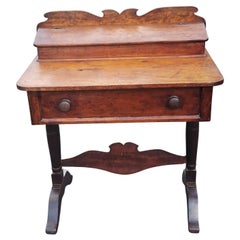
Antique 19th Century Victorian Paintings
Wood, Paint
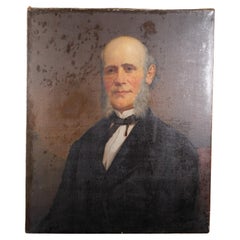
Antique 19th Century American American Colonial Decorative Boxes
Brass
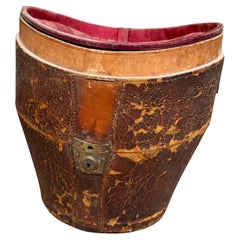
Antique Early 19th Century North American American Colonial Trunks and L...
Oak
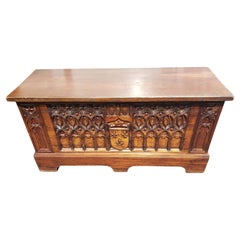
Mid-20th Century American American Classical Desks and Writing Tables
Pine
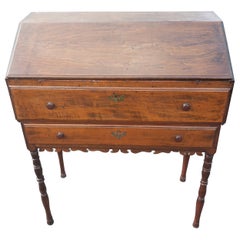
Antique Early 19th Century American Federal Desks
Brass
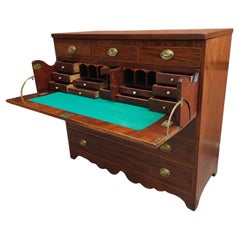
Antique Late 19th Century American American Classical Decorative Boxes
Brass
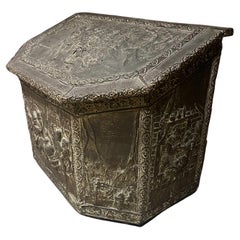
Antique Late 19th Century American American Classical Ceramics
Ceramic, Paint
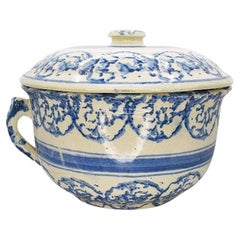
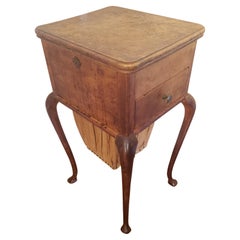
Mid-20th Century American American Colonial Industrial and Work Tables
Hardwood, Birdseye Maple
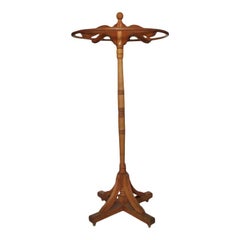
Antique 1890s North American Folk Art Coat Racks and Stands
Wood
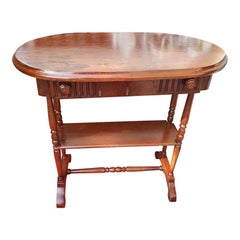
Antique Late 19th Century North American Victorian Console Tables
Pine
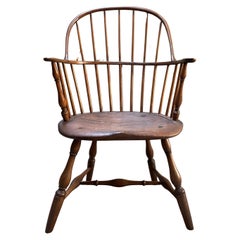
Antique Early 19th Century American American Colonial Armchairs
Wood
Recent Sales
Antique 19th Century American Maps
Paper, Wood
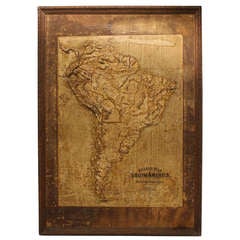
Antique Early 18th Century South American Console Tables
Metal
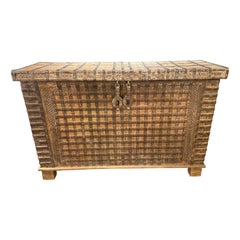
Antique Late 19th Century American Industrial More Furniture and Collect...
Marble, Brass, Iron
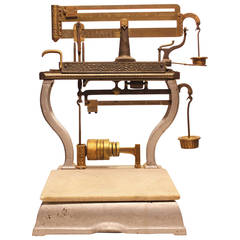
Antique 19th Century American American Classical Trumeau Mirrors
Giltwood
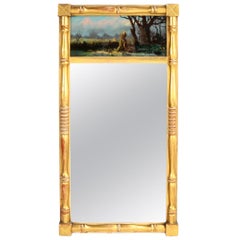
Antique 1880s American Folk Art Signs
Wood
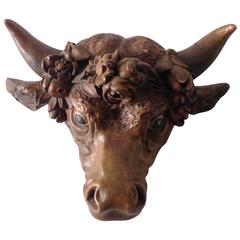
Antique 19th Century Victorian Fireplace Tools and Chimney Pots
Iron
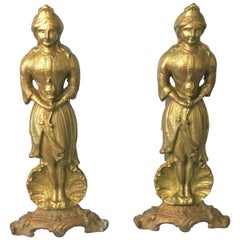
Antique Late 19th Century American American Craftsman Signs
Metal
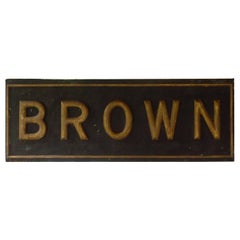
Antique Early 19th Century American Andirons
Iron
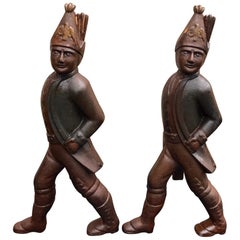
Antique 19th Century American Shaker Decorative Boxes
Pine
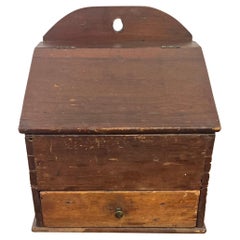
Antique 19th Century American Desks and Writing Tables
Pine, Paint
Antique Late 18th Century North American Sterling Silver
Metal
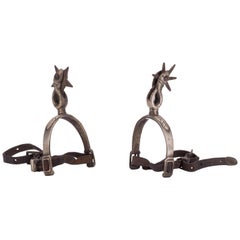
Antique Early 1800s American American Classical Beds and Bed Frames
Ormolu
Antique Late 19th Century American Rustic Cupboards
Wood, Walnut
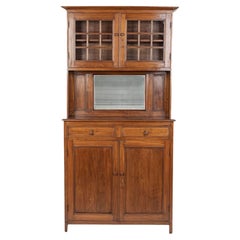
Antique Early 19th Century American American Classical Political and Pat...
Metal, Tin

Antique 1880s American American Classical Architectural Models
Metal
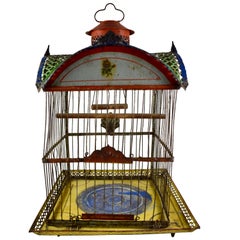
Antique 19th Century North American Historical Memorabilia
Iron
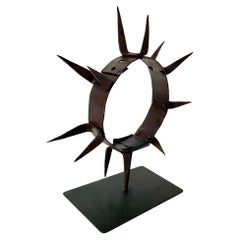
Antique 19th Century North American Historical Memorabilia
Iron
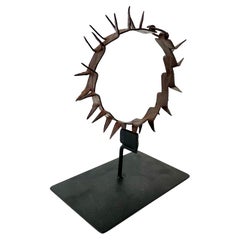
Antique 19th Century North American Historical Memorabilia
Iron
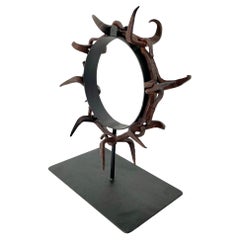
Antique 19th Century North American Historical Memorabilia
Iron
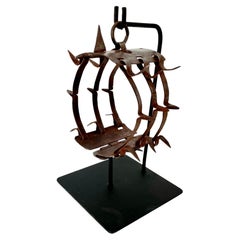
Antique 19th Century North American Historical Memorabilia
Iron
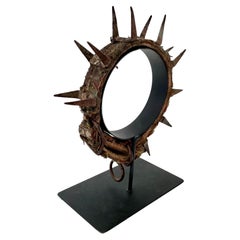
Antique Mid-19th Century American American Classical Posters
Paper
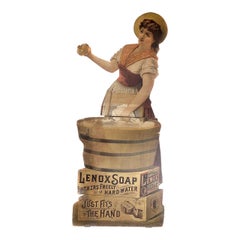
Antique Early 19th Century North American Baroque Wall Mirrors
Iron
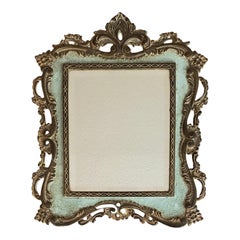
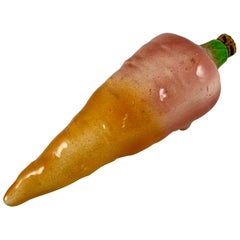
Antique Mid-19th Century American Aesthetic Movement Bottles
Ceramic
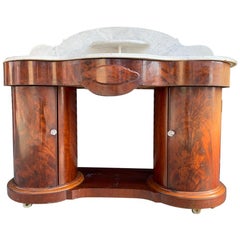
Antique Mid-19th Century North American American Craftsman Cabinets
Marble
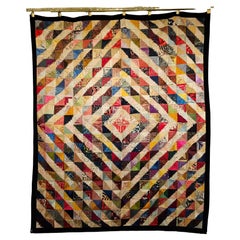
Early 20th Century American Quilts
Cotton, Silk
Antique Early 19th Century North American Mantel Clocks
Walnut
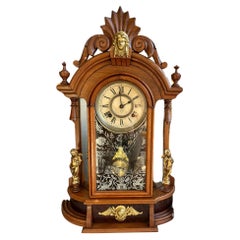
Antique 1890s American American Classical Fireplaces and Mantels
Mirror, Oak
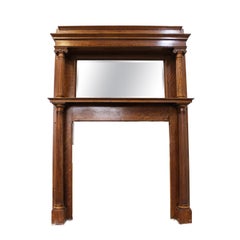
Early 20th Century American Native American Native American Objects
Wood, Paint
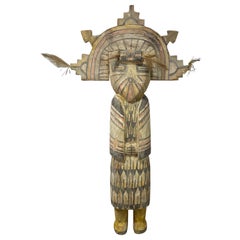
Antique Mid-19th Century American Federal Tables
Cherry, Poplar, Walnut, Burl
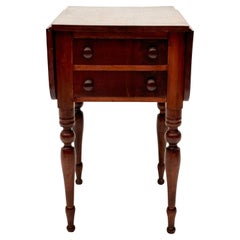
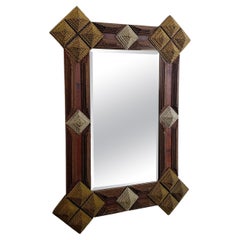
Antique Early 1800s Italian American Classical Wall Mirrors
Mirror, Wood
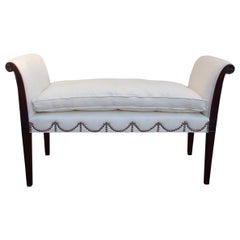
Antique Early 1800s American Hepplewhite Benches
Brass
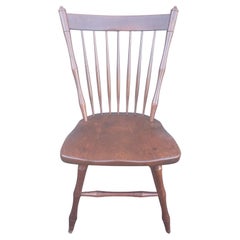
Antique Mid-19th Century American American Colonial Chairs
Cherry
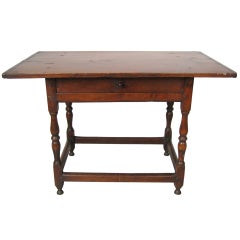
Antique Early 19th Century American Primitive Tables
Pine
Antique 1890s American Victorian Armchairs
Mahogany
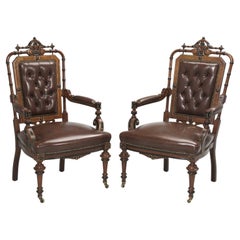
Antique 1860s North American Country Blanket Chests
Walnut
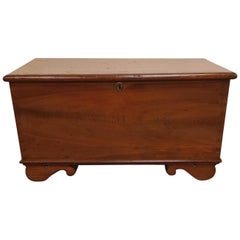
Antique Mid-19th Century American Gothic Revival Architectural Models
Metal
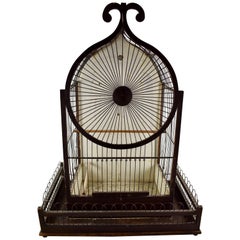
Early 20th Century American American Empire End Tables
Mahogany
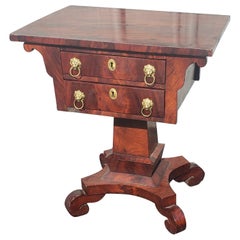
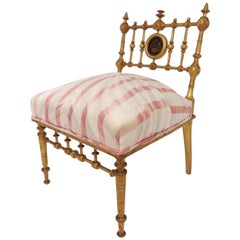
Antique Late 19th Century American Aesthetic Movement Slipper Chairs
Upholstery, Giltwood, Wood
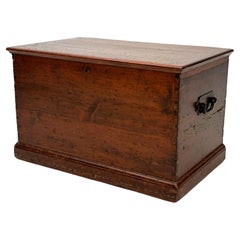
Antique Late 18th Century American American Colonial Blanket Chests
Wrought Iron
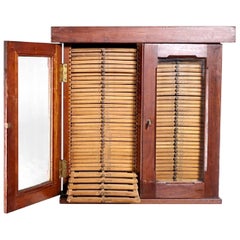
Antique Late 19th Century North American Victorian Cabinets
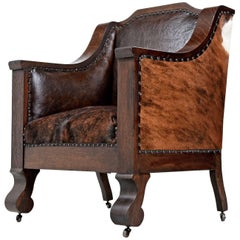
Antique Early 19th Century American American Empire Armchairs
Leather, Abalone, Oak
Antique Late 19th Century English American Classical Prints
Wood, Paper
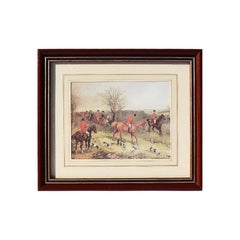
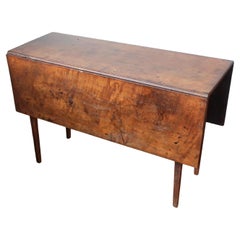
Antique Early 19th Century American Empire Drop-leaf and Pembroke Tables
Wood
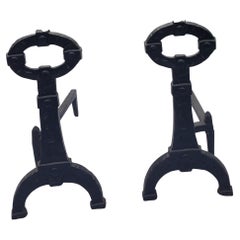
Antique Mid-18th Century American American Colonial Andirons
Iron, Wrought Iron
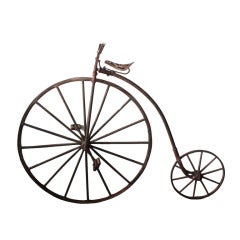
Antique 19th Century American Folk Art Primitives
Iron
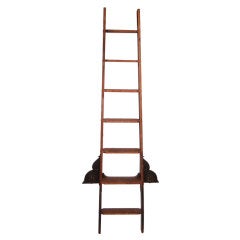
Antique 19th Century American Ladders
Iron
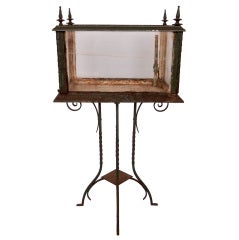
Antique 19th Century American Planters and Jardinieres
Iron
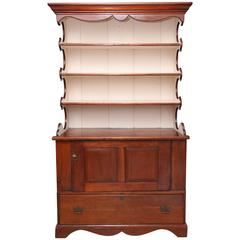
Antique 19th Century American Cupboards
Antique 1890s American Side Tables
Horn, Wood

Antique 19th Century American American Craftsman Architectural Elements
Iron
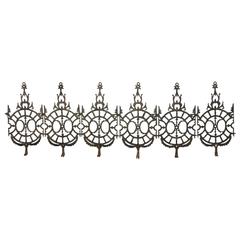
Antique 19th Century American Architectural Elements
Zinc

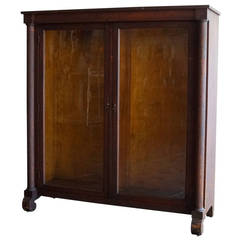
Antique 19th Century American American Empire Bookcases
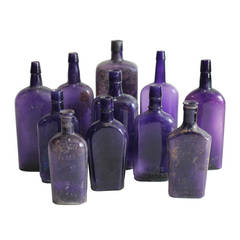
Antique 19th Century American Glass
Glass
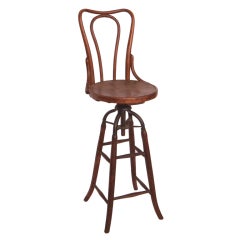
Antique 19th Century American Swivel Chairs
Iron
Antique Late 19th Century American Glass
Glass
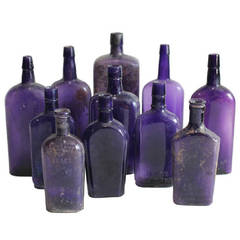
Antique Late 19th Century American Bottles
Glass
Antique Mid-19th Century American Glass
Glass
People Also Browsed
20th Century Chesterfield Wingback Chairs
Brass
20th Century Chesterfield Sofas
Leather
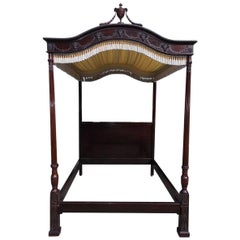
Antique Early 1800s English Georgian Beds and Bed Frames
Upholstery, Mahogany
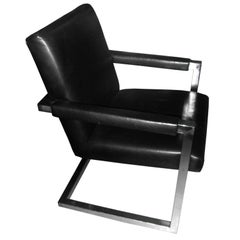
20th Century American Armchairs
Chrome
Mid-20th Century Uzbek Suzani Central Asian Rugs
Cotton

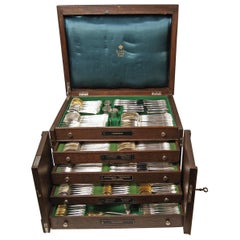
Antique Early 1900s German Baroque Sterling Silver
Silver
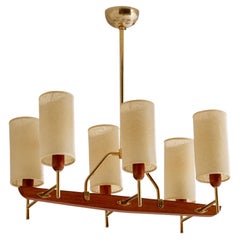
Vintage 1950s Swedish Mid-Century Modern Chandeliers and Pendants
Brass
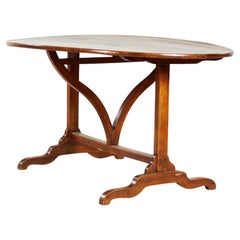
Antique Late 19th Century French Dining Room Tables
Fruitwood
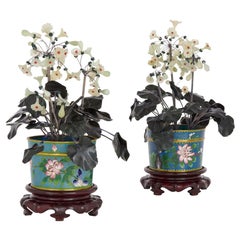
20th Century Chinese Models and Miniatures
Stone, Jade, Metal, Enamel
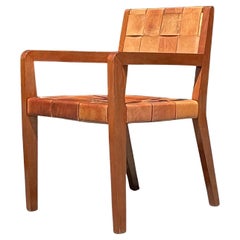
Late 20th Century American Campaign Chairs
Leather, Wood
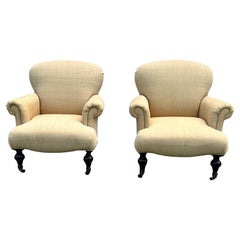
Vintage 1980s American Bohemian Club Chairs
Upholstery, Wood
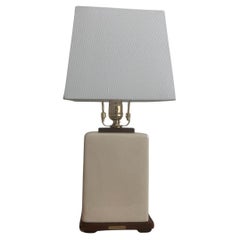
21st Century and Contemporary American Chinese Chippendale Table Lamps
Porcelain, Wood
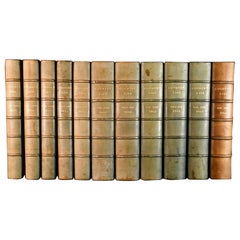
Mid-20th Century British Books
Paper
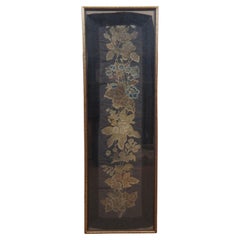
Early 20th Century Chinoiserie Textiles
Silk
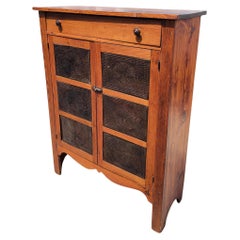
Antique Mid-19th Century American Adirondack Cabinets
Tin
21st Century and Contemporary Chinese Books
Paper

1800s American Furniture For Sale on 1stDibs
How Much is a 1800s American Furniture?
- 1stDibs ExpertNovember 4, 2024To identify 1800s furniture, first check to see if your piece bears any maker's marks. Should you locate any, researching them using trusted online resources can help you determine the maker and age of your furniture. To determine if unmarked pieces date back to the 19th century, look for tool marks and variations in their carvings and ornamentation. Since 19th-century furniture was handmade, you should expect to find these signs of hand craftsmanship. A piece that shows no marks or inconsistencies in details is likely a contemporary machine-made reproduction. Familiarizing yourself with the characteristics of Rococo, Chippendale, Gothic Revival, neoclassical and other 19th-century styles can also be helpful. If you struggle to make an identification, consider consulting a certified appraiser or knowledgeable antique dealer. On 1stDibs, find a range of 19th-century furniture.
- Were there safes in the 1800s?1 Answer1stDibs ExpertMarch 31, 2023Yes, there were safes in the 1800s. Historical records indicate that by 1820, some companies used safes to protect goods from fire. Following market campaigns in the 1840s, more companies and individuals began to purchase safes as an anti-theft measure. Shop a variety of safes on 1stDibs.
- 1stDibs ExpertMarch 22, 2022In the 1800s, miniatures were small portraits. People commissioned them to give as gifts to their loved ones to carry with them. In this way, miniatures were similar to modern wallet photographs. On 1stDibs, find a range of miniature portraits.
- 1stDibs ExpertNovember 2, 2023During the 1800s, necklaces, earrings, brooches and hair accessories were popular jewelry pieces in styles ranging from Georgian with enamel details to Victorian with floral flourishes. The commonly used gemstones of the 19th century included diamonds, emeralds, rubies, sapphires, garnets and amethysts. Gold was the dominant metal for jewelry, but silver became sought-after during the 1880s and 1890s. Explore an assortment of antique jewelry on 1stDibs.
- 1stDibs ExpertFebruary 13, 2023In the 1800s, safes were usually made of metal like tin plating or sheet iron. Fireproofing the safes proved difficult, and during the 1820s, specific mixtures of materials such as mica, potash lye and alum were used to line a safe’s interior in order to prevent its contents from succumbing to fire damage. Shop a collection of safes on 1stDibs.
- 1stDibs ExpertApril 5, 2022Yes, pocket watches peaked in popularity in the 1800s. The first pocket watch was created in Germany in 1510, but was originally too large for a pocket. In the 1600s, the design began to get more compact, but for a long time pocket watches were a rarity and a symbol of wealth. Shop an array of antique pocket watches on 1stDibs.
- 1stDibs ExpertJune 30, 2023In the 1800s, nightstands were often called commodes. Prior to the advent of indoor plumbing, early nightstands contained a porcelain chamber pot in a cabinet that provided a convenient and private alternative to visiting the outhouse. Today, antique, new and vintage nightstands, which are pieces of bedroom furniture that are often called bedside tables, are typically low-profile tables that are positioned alongside one’s bed or elsewhere in a bedroom. Shop a selection of nightstands on 1stDibs.
- What is 1800s art called?1 Answer1stDibs ExpertNovember 26, 2024What 1800s art is called depends on its age and style, as the century saw multiple movements. Most art historians refer to art that broke from traditional norms, produced in the 1860s and later, as modern art, and everything that preceded it as pre-modern art. Some of the art styles that were popular during the 19th century include Impressionism, Realism, Romanticism, Neoclassicism, Expressionism and Fauvism. Shop a wide range of 19th-century art on 1stDibs.
- 1stDibs ExpertNovember 13, 2024To identify early American furniture, you can evaluate your piece on your own or seek the opinion of a certified appraiser or experienced antique dealer. Although many pieces from the Colonial era are unmarked, double-checking your furniture for signatures, stamps and labels is still a good first step. Using trusted online resources, you can research any markings to determine if the maker was active in America during the 16th and early 17th centuries. When identifying unmarked furniture, it's generally necessary to consider the style and details of the piece. Due to its handcrafted origins, early American furniture tends to have visible tool marks and irregularities in its carvings. Early American furnishings tended to be simple in style but often had one or two refined details, such as cabriole legs. Looking at images of authentic early American furniture can be helpful when making an identification. On 1stDibs, find a collection of 18th-century American furniture.
- 1stDibs ExpertDecember 4, 2023What wedding rings looked like in the 1800s was similar to other Victorian jewelry. The Victorian era spanned from 1837 to 1901, coinciding with the reign of Queen Victoria in the United Kingdom. At the beginning of this period, rings were made of gold and affordable only to the wealthy. Designs for Victorian-era rings often featured repoussé work and chasing, in which patterns are hammered into the metal. Some featured stones secured by collets, settings similar to bezels, with prongs and a closed back. On 1stDibs, find a selection of Victorian wedding rings.
- 1stDibs ExpertSeptember 23, 2024The early American furniture style is often called the Colonial style. During the 17th century, American craftsmen drew inspiration from medieval and Renaissance furniture. By the 18th century, the William and Mary style that had emerged in England began to heavily influence the American Colonial style. Characteristics of Colonial-style furniture include turned legs, ornamental carvings and richly finished cherry, walnut and mahogany wood. On 1stDibs, shop a selection of Colonial-style furniture.
- 1stDibs ExpertFebruary 22, 2021American of Martinsville, which was founded in 1906, is still in business. The company now manufactures furniture for hotel and healthcare industries.
- 1stDibs ExpertFebruary 13, 2023Furniture from the 1960s is often called mid-century modern. This style emphasizes the importance of good design that looks attractive and performs its function well. Notable mid-century modern designers include Eero Saarinen, George Nelson, Florence Knoll and Charles and Ray Eames. On 1stDibs, shop a selection of mid-century modern furniture.
- What is 1950s furniture called?1 Answer1stDibs ExpertSeptember 23, 20241950s furniture is called vintage furniture. Some pieces produced during this period may be considered mid-century modern based on their characteristics. Mid-century modern design refers to the variety of modernism that rose to prominence in the 1940s and ’50s. It displays many of the characteristics of the earlier versions of modernism, including simple forms and a focus on functionality. Other traits common in mid-century modern furniture include unadorned silhouettes, clean lines and mixed materials, emphasizing wood, wool, steel and plastic. On 1stDibs, explore a large collection of 1950s furniture.
- What is 1970s furniture called?1 Answer1stDibs ExpertMarch 15, 2024What 1970s furniture is called varies. Generally, you may see pieces produced during the decade classified as "vintage" or "retro" furniture. During the 1970s, some makers continued to produce furniture that boasted the characteristics of mid-century modern works. The disco era yielded furnishings with organic, often rounded shapes, unadorned silhouettes, clean lines and a mix of materials. The showy leather furniture of the 1970s, which was both sexy and comfortable, is seeing a resurgence in today’s homes. Shop a wide variety of vintage 1970s furniture on 1stDibs.
- What is ’70s furniture called?1 Answer1stDibs ExpertSeptember 23, 2024What ’70s furniture is called depends on its style. Generally, pieces from this decade can be called vintage furniture. However, pieces with certain stylistic characteristics have other names. For example, some 1970s furniture is mid-century modern. The style, which emerged primarily in the years following World War II, was developed in an energetic, optimistic spirit by creators who believed that good design was an essential part of good living. On 1stDibs, shop a variety of 1970s furniture.
- What is 1920s furniture called?1 Answer1stDibs ExpertNovember 13, 2024What 1920s furniture is called depends on its style. However, the most prominent design style of the decade was Art Deco. The term alone conjures visions of the Roaring Twenties, Machine Age metropolises, vast ocean liners, sleek typography and Prohibition-era hedonism. The iconic movement made an indelible mark on all fields of design throughout the 1920s and ’30s, celebrating society’s growing industrialization with refined elegance and stunning craftsmanship. Art Deco furniture often featured bold geometric lines, floral forms, shimmering mirrored finishes, sleek metal accents, and the use of expensive materials such as shagreen or marble as well as exotic woods such as mahogany, ebony and zebra wood. On 1stDibs, find a diverse assortment of Art Deco furniture.
- 1stDibs ExpertNovember 26, 2024To identify 1930s furniture, first see if you can spot a maker's mark in hidden areas, such as the back, base, inside of drawers or under tabletops and seats. Trusted online resources can help you determine who produced your furniture based on these markings, and from there, you can research more to get a rough idea of how old your item is. A piece's characteristics can also be helpful when dating furniture. Many items made during the 1930s are examples of Art Deco furniture. Art Deco furniture is characterized by geometric patterns and luxurious materials, such as shagreen, marble, mother of pearl, mirrored glass, exotic animal hides and rare woods like mahogany, ebony and zebra wood. A certified appraiser or experienced antique dealer can provide an expert opinion on when your piece was likely made. On 1stDibs, explore a range of 1930s furniture.
- 1stDibs ExpertNovember 13, 2024The best-known 1950s furniture style is called mid-century modern. Organically shaped, clean-lined and elegantly simple are three phrases that describe vintage mid-century modern furniture. The style emerged primarily in the years following World War II through creators who believed that good design was an essential part of good living. Mid-century modern designers combined natural and human-made materials, such as teak, rosewood and oak woods as well as steel, fiberglass and molded plywood. Some well-known mid-century modern designers include Charles and Ray Eames, Eero Saarinen, Milo Baughman, Florence Knoll, Harry Bertoia, Isamu Noguchi and George Nelson. On 1stDibs, shop a large selection of mid-century modern furniture.
- 1stDibs ExpertFebruary 1, 2024Generally, 1960s-style furniture is called mid-century modern. The style, which emerged primarily in the years following World War II, is characterized by pieces that were conceived and made in an energetic, optimistic spirit by creators who believed that good design was an essential part of good living. Some of the most notable furniture designers of the time include Charles and Ray Eames, Arne Jacobsen, Eero Saarinen and Hans J. Wegner. On 1stDibs, shop a variety of mid-century modern furniture.