18th Century Copper Bowl
Antique 18th Century Dutch Folk Art Antiquities
Copper, Metal
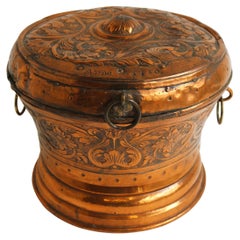

Antique Mid-18th Century Persian Moorish Decorative Bowls
Metal, Copper, Tin
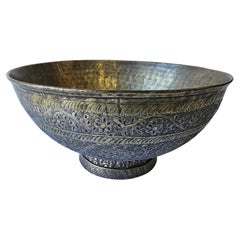
Antique 18th Century Decorative Bowls
Copper
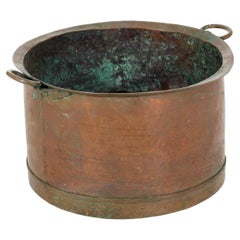
Antique Late 18th Century Japanese Meiji Metalwork
Enamel, Copper
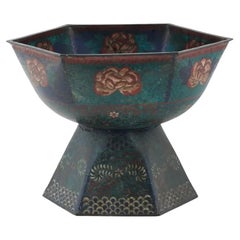
Antique Mid-19th Century Baltic Islamic Decorative Bowls
Copper
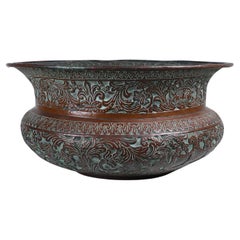
Antique Late 18th Century Chinese Qing Decorative Bowls
Copper, Enamel
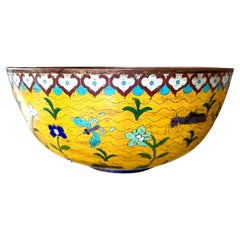
Antique Early 18th Century Italian Baroque Decorative Bowls
Copper
Recent Sales
Antique 18th Century Decorative Bowls
Copper
Antique 18th Century American American Colonial Planters and Jardinieres
Copper
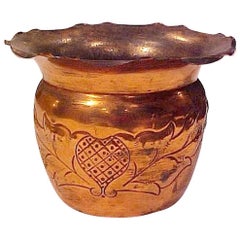
Antique 18th Century and Earlier Persian Metalwork
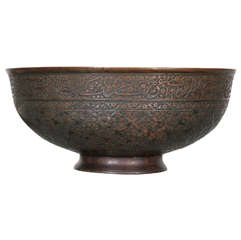
Antique 18th Century French Decorative Bowls
Copper
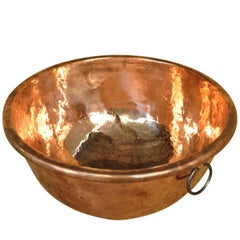
Antique Late 18th Century French Wine Coolers
Copper
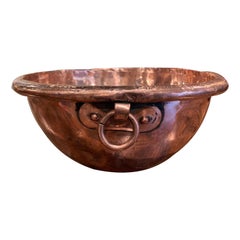
Antique 18th Century Spanish Decorative Bowls
Metal, Brass, Copper
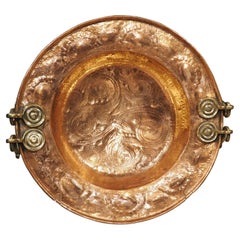
Antique Mid-18th Century French Decorative Bowls
Copper
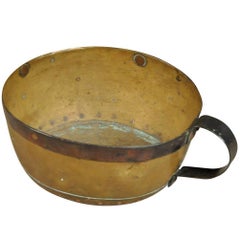
Antique 18th Century French Decorative Bowls
Copper, Iron
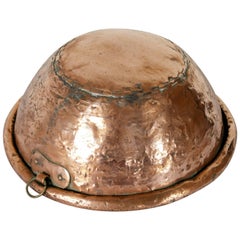
Antique Late 18th Century French Country Decorative Bowls
Copper, Wrought Iron
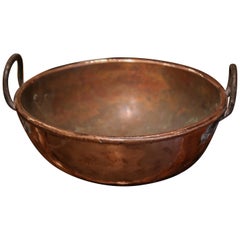
Antique Late 18th Century French Country Decorative Bowls
Copper, Wrought Iron
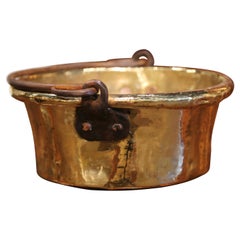
Antique 18th Century Dutch Serving Bowls
Copper
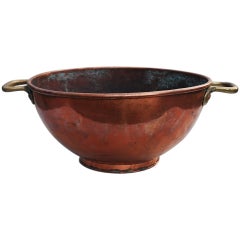
Antique 18th Century and Earlier French Serving Bowls
Copper
Antique Late 18th Century French French Provincial Decorative Bowls
Copper
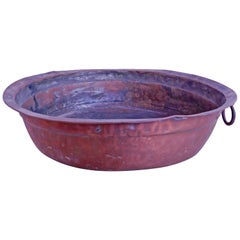
Antique Late 18th Century Persian Decorative Bowls
Copper
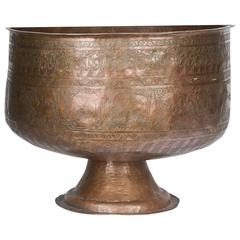
Antique 18th Century Chinese Chinese Export More Asian Art, Objects and ...
Copper
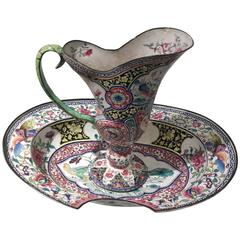
Antique 18th Century Italian Folk Art Pottery
Copper
People Also Browsed
Antique 18th Century Planters and Jardinieres
Copper
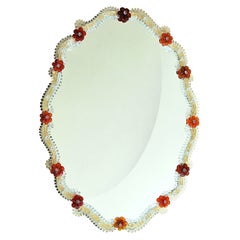
2010s Italian Renaissance Wall Mirrors
Glass
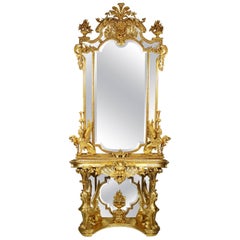
Antique Late 19th Century French Empire Revival Console Tables
Marble
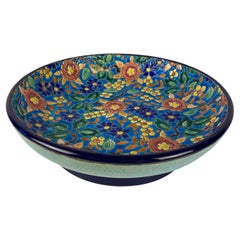
Early 20th Century French Art Deco Vases
Enamel
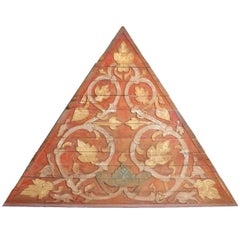
Antique Late 19th Century Thai Architectural Elements
Teak
21st Century and Contemporary French Art Nouveau Chandeliers and Pendants
Bronze
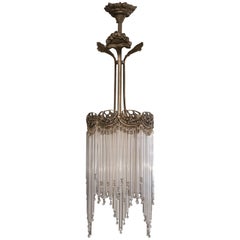
2010s Italian Other Wall Mirrors
Art Glass, Murano Glass, Mirror
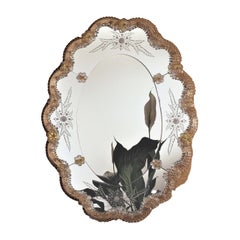
Early 20th Century Chinese Ceramics
Ceramic
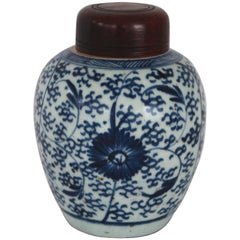
20th Century Chinese Chinese Export Paintings and Screens
Brass
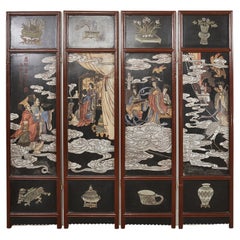
Antique Mid-19th Century English High Victorian Taxidermy
Other
Antique 1880s Chinese Cabinets
Wood
Early 20th Century American Desks
Oak
Antique Late 19th Century English Victorian Planters, Cachepots and Jard...
Copper
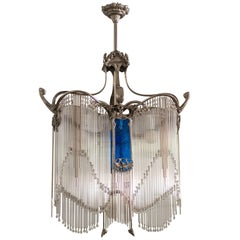
21st Century and Contemporary French Art Nouveau Chandeliers and Pendants
Bronze
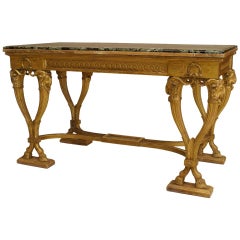
Antique 18th Century English Neoclassical Console Tables
Alabaster, Marble, Gold Leaf
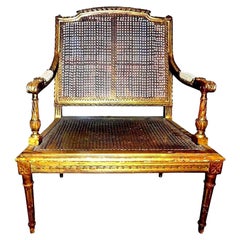
Antique 19th Century French Louis XVI Children s Furniture
Giltwood
18th Century Copper Bowl For Sale on 1stDibs
How Much is a 18th Century Copper Bowl?
Materials: Copper Furniture
From cupolas to cookware and fine art to filaments, copper metal has been used in so many ways since prehistoric times. Today, antique, new and vintage copper coffee tables, mirrors, lamps and other furniture and decor can bring a warm metallic flourish to interiors of any kind.
In years spanning 8,700 BC (the time of the first-known copper pendant) until roughly 3,700 BC, it may have been the only metal people knew how to manipulate.
Valuable deposits of copper were first extracted on the Mediterranean island of Cyprus around 4,000 BC — well before Europe’s actual Bronze Age (copper + tin = bronze). Tiny Cyprus is even credited with supplying all of Egypt and the Near East with copper for the production of sophisticated currency, weaponry, jewelry and decorative items.
In the 15th, 16th and 17th centuries, master painters such as Leonardo da Vinci, El Greco, Rembrandt and Jan Brueghel created fine works on copper. (Back then, copper-based pigments, too, were all the rage.) By the late 19th and early 20th centuries, decorative items like bas-relief plaques, trays and jewelry produced during the Art Deco, Arts and Crafts and Art Nouveau periods espoused copper. These became highly valuable and collectible pieces and remain so today.
Copper’s beauty, malleability, conductivity and versatility make it perhaps the most coveted nonprecious metal in existence. In interiors, polished copper begets an understated luxuriousness, and its reflectivity casts bright, golden and earthy warmth seldom realized in brass or bronze. (Just ask Tom Dixon.)
Outdoors, its most celebrated attribute — the verdigris patina it slowly develops from exposure to oxygen and other elements — isn’t the only hue it takes. Architects often refer to shades of copper as russet, ebony, plum and even chocolate brown. And Frank Lloyd Wright, Renzo Piano and Michael Graves have each used copper in their building projects.
Find antique, new and vintage copper furniture and decorative objects on 1stDibs.
- 1stDibs ExpertApril 5, 2022Yes, wedding rings have a long history, stretching back to ancient Egypt. The first diamond engagement ring was created in 1477 by Archduke Maximillian of Austria. Browse a wide array of vintage and contemporary wedding rings on 1stDibs.
- 1stDibs ExpertApril 5, 2022In the 18th century, art changed in style from Baroque to Rococo and Neoclassicism. Art became more ornamented and idealized during the Rococo period and then shifted toward a style that emulated the artwork of ancient Greece and Rome near the end of the century. You’ll find a variety of fine art on 1stDibs.
- 1stDibs ExpertNovember 13, 2024To identify 18th-century furniture, you can research your piece in the context of the prevailing styles of the period or consult a certified appraiser or experienced antique dealer. To identify your item on your own, look over it for maker's marks, such as carvings, stamps, brands and labels. Researching the marking can help you determine the maker of your piece, and from there, you can search further to learn more about your particular item. Without a maker's mark, the best approach is to consider the characteristics of the dominant furniture styles during the 18th century. In England, these included William and Mary, Queen Anne, Georgian, Chippendale, Hepplewhite and Sheraton. Some French furniture styles of the 1700s include Louis XV, Louis XVI and Régence. Find a diverse assortment of 18th-century furniture on 1stDibs.
- 1stDibs ExpertApril 5, 2022One way to check if your brass candlesticks are from the 18th century is to look for the two seams running lengthwise on either side. This is from when the candlestick was molded in two halves and then soldered together. You’ll find a variety of candlesticks of all shapes and sizes from some of the top sellers on 1stDibs.
- 1stDibs ExpertJanuary 10, 2025The individuals considered the Big Three of 18th-century cartoons are William Hogarth, James Gillray and George Cruikshank. Although the 18th century saw a widespread increase in illustrations in newspapers, these three illustrators were particularly well-known for their work. Hogarth's work was extremely diverse, ranging from serious, realistic paintings and portraits to satirical and moralistic illustrations filled with symbolism. A British caricaturist, Gillray is remembered today for his artworks representing political and social satires, like his political cartoons against George III of England. Despite being a prolific caricaturist, Cruikshank is now most famous for illustrating the works of Charles Dickens. On 1stDibs, find a wide variety of illustrations.
- 1stDibs ExpertApril 5, 2022At the end of the 17th century, Europe went into a frenzy over porcelain. Asian porcelain was highly sought after, and spurred the foundation of the Meissen factory in France, where hard porcelain went on to be made. You’ll find a large collection of porcelain pieces from many of the world’s top sellers on 1stDibs.