18th Century Flemish Tapestry
Antique Early 18th Century French Baroque Tapestries
Other
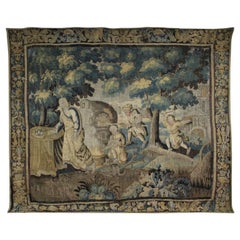
Antique 18th Century French Louis XV Tapestries
Textile
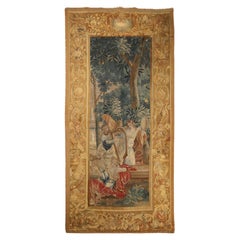
Antique 18th Century and Earlier Belgian Tapestries
Silk
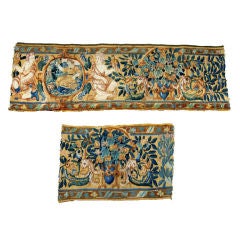
Antique 18th Century and Earlier Belgian Tapestries
Wool, Silk
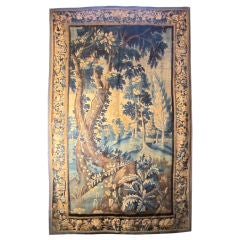
Antique 18th Century and Earlier Dutch Tapestries
Wool
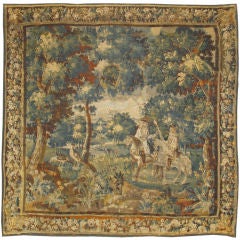
Antique Mid-18th Century French Baroque Tapestries
Tapestry, Wool
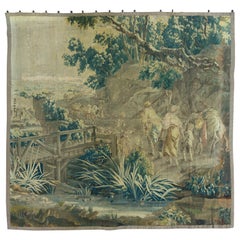
Antique 18th Century and Earlier Belgian Tapestries
Wool, Silk
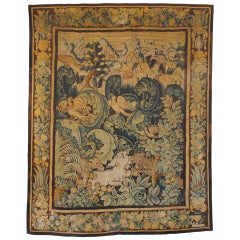
Antique 18th Century and Earlier Dutch Baroque Tapestries
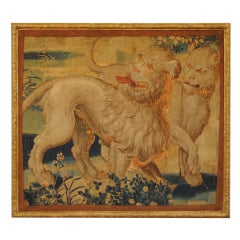
Antique 18th Century and Earlier Belgian Tapestries
Silk, Wool
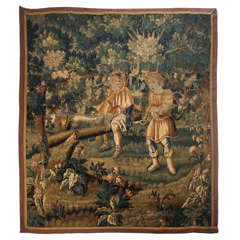
Antique 18th Century Belgian Baroque Pillows and Throws
Silk, Wool
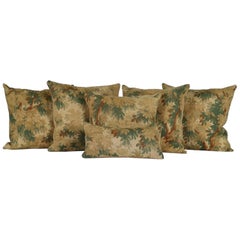

Antique 18th Century and Earlier Belgian Quilts and Blankets
Tapestry
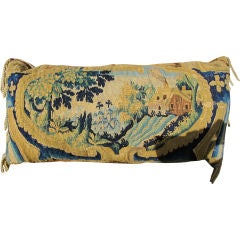
Antique 18th Century and Earlier Dutch Pillows and Throws
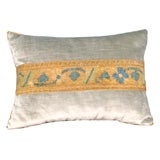
Antique 18th Century Belgian Vienna Secession Western European Rugs
Wool
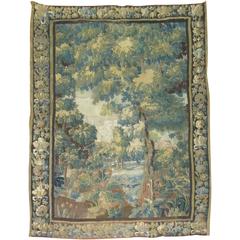
Antique 18th Century and Earlier Belgian Renaissance Western European Rugs
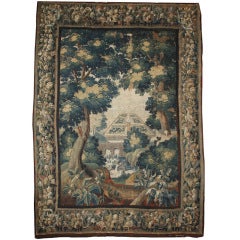
Antique 18th Century and Earlier Pillows and Throws
Down
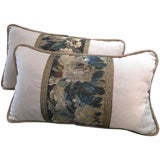
Antique 18th Century and Earlier Quilts and Blankets
Glass
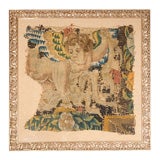
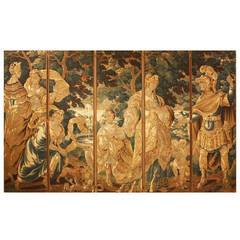
Antique 18th Century and Earlier Belgian Screens and Room Dividers
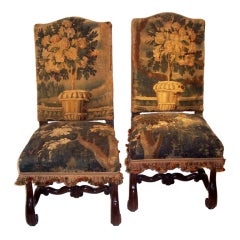
Antique 18th Century and Earlier Side Chairs
Wood, Wool, Silk
Antique 18th Century and Earlier Belgian Pillows and Throws
Tapestry
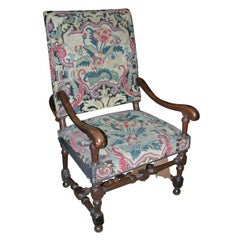
Antique 18th Century and Earlier Belgian Armchairs
Wood, Tapestry
Antique 19th Century French Louis XIII Armchairs
Tapestry, Walnut
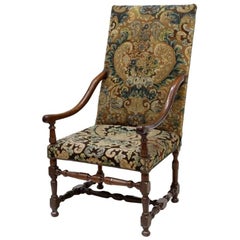
Antique 19th Century Turkish Other Pillows and Throws
Fabric, Textile, Velvet
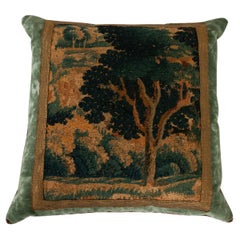
21st Century and Contemporary French Other Pillows and Throws
Textile, Tapestry, Velvet, Thread
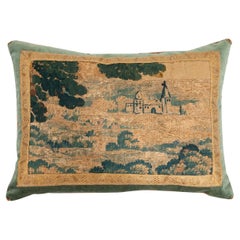
Antique 1820s English Regency Side Chairs
Wood
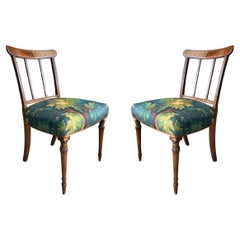
Vintage 1950s Danish Scandinavian Modern Lounge Chairs
Linen, Wood
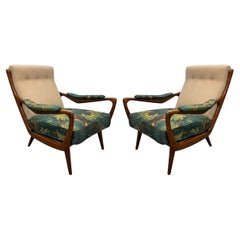
Vintage 1950s Danish Modern Lounge Chairs
Fabric, Linen, Wood
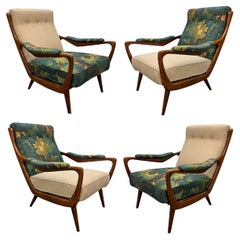
Antique 18th Century French Country Tapestries
Tapestry
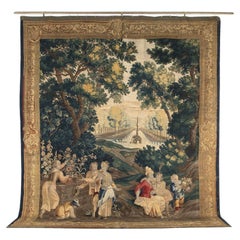
Antique 18th Century Belgian Baroque Tapestries
Tapestry
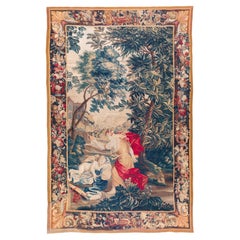
Antique Early 18th Century Belgian Other Pillows and Throws
Silk, Velvet, Wool, Trimming
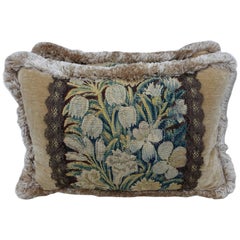
Antique 18th Century Belgian Tapestries
Tapestry
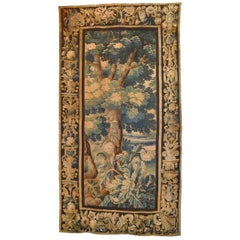
Antique 18th Century Tapestries
Thread
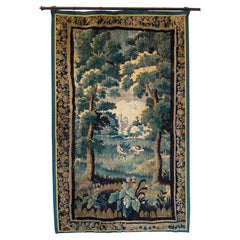
Antique 18th Century French British Colonial Tapestries
Wool

Antique 18th Century European Tapestries
Wool
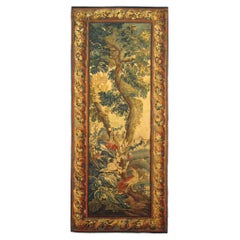
Antique Early 18th Century Belgian Baroque Tapestries
Silk, Wood

Antique 18th Century European Tapestries
Wool
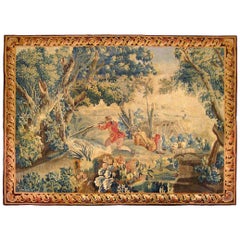
Antique 18th Century Belgian Baroque Tapestries
Wool
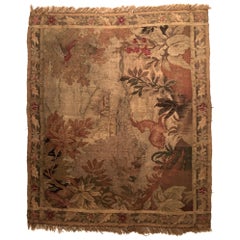
Antique 18th Century Belgian Baroque Tapestries
Wool, Silk
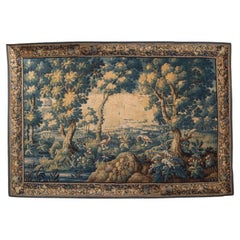
Antique 18th Century Belgian Tapestries
Wool, Silk
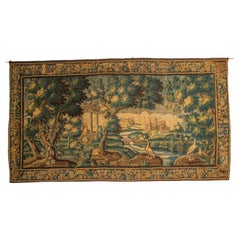
Antique 18th Century Belgian Tapestries
Tapestry
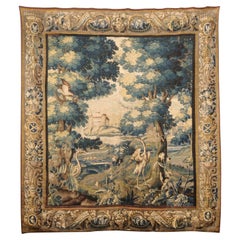
Antique Early 18th Century European Rustic Tapestries
Wool
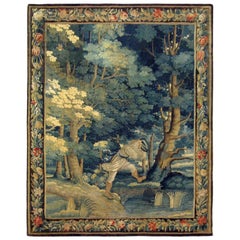
Antique 18th Century and Earlier Belgian Louis XIV Tapestries
Tapestry
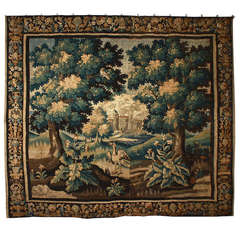
Antique Mid-18th Century Belgian Tapestries
Tapestry
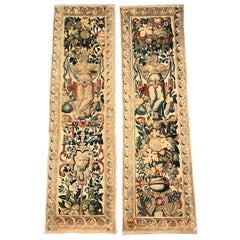
Antique Mid-18th Century Belgian Tapestries
Wool, Velvet, Silk
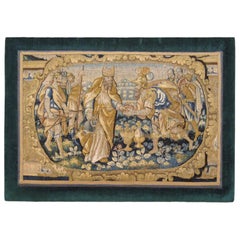
Antique 18th Century Belgian Tapestries
Wool, Silk
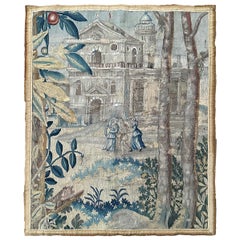
Antique 18th Century Belgian Tapestries
Silk, Wool
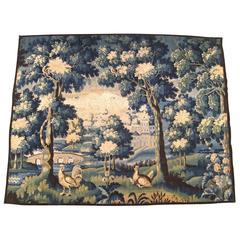
Antique 18th Century Belgian Tapestries
Wool, Silk
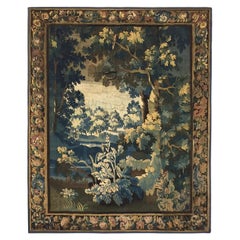
Antique 18th Century Belgian Tapestries
Wool, Silk
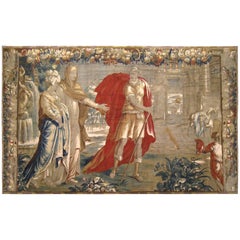
Antique 18th Century European Tapestries
Wool
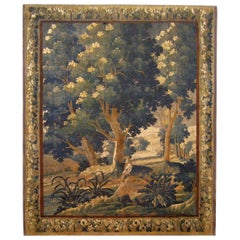
Antique 1740s French Aubusson Tapestries
Wool, Silk
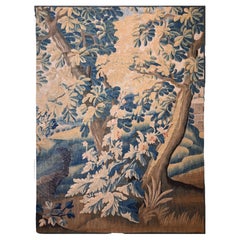
Antique Early 18th Century French Tapestries
Wool
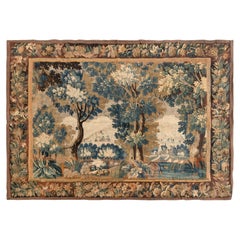
Antique 18th Century French Aubusson Tapestries
Tapestry
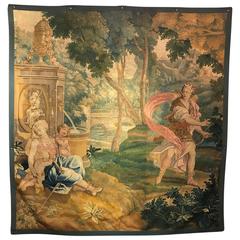
Antique 18th Century Belgian Tapestries
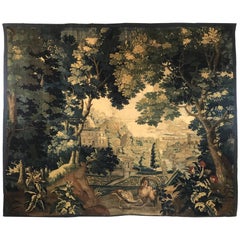
Antique Mid-18th Century French Aubusson Tapestries
Wool
Antique Early 18th Century Belgian Louis XV Quilts and Blankets
Wool
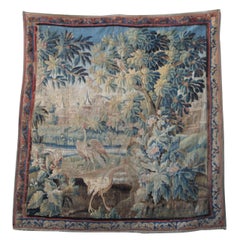
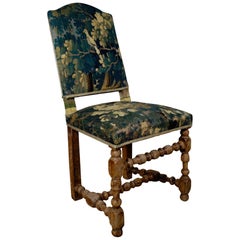
Antique 18th Century European Chairs
Walnut
Antique 18th Century Belgian Baroque Pillows and Throws
Tapestry
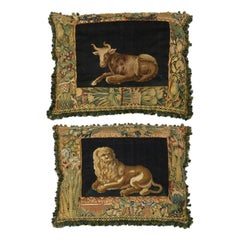
Antique 18th Century and Earlier Belgian Pillows and Throws

- 1
18th Century Flemish Tapestry For Sale on 1stDibs
How Much is a 18th Century Flemish Tapestry?
- 1stDibs ExpertNovember 13, 2024To identify 18th-century furniture, you can research your piece in the context of the prevailing styles of the period or consult a certified appraiser or experienced antique dealer. To identify your item on your own, look over it for maker's marks, such as carvings, stamps, brands and labels. Researching the marking can help you determine the maker of your piece, and from there, you can search further to learn more about your particular item. Without a maker's mark, the best approach is to consider the characteristics of the dominant furniture styles during the 18th century. In England, these included William and Mary, Queen Anne, Georgian, Chippendale, Hepplewhite and Sheraton. Some French furniture styles of the 1700s include Louis XV, Louis XVI and Régence. Find a diverse assortment of 18th-century furniture on 1stDibs.
- 1stDibs ExpertApril 5, 2022Yes, wedding rings have a long history, stretching back to ancient Egypt. The first diamond engagement ring was created in 1477 by Archduke Maximillian of Austria. Browse a wide array of vintage and contemporary wedding rings on 1stDibs.
- 1stDibs ExpertApril 5, 2022In the 18th century, art changed in style from Baroque to Rococo and Neoclassicism. Art became more ornamented and idealized during the Rococo period and then shifted toward a style that emulated the artwork of ancient Greece and Rome near the end of the century. You’ll find a variety of fine art on 1stDibs.
- 1stDibs ExpertApril 5, 2022One way to check if your brass candlesticks are from the 18th century is to look for the two seams running lengthwise on either side. This is from when the candlestick was molded in two halves and then soldered together. You’ll find a variety of candlesticks of all shapes and sizes from some of the top sellers on 1stDibs.
- 1stDibs ExpertJanuary 10, 2025The individuals considered the Big Three of 18th-century cartoons are William Hogarth, James Gillray and George Cruikshank. Although the 18th century saw a widespread increase in illustrations in newspapers, these three illustrators were particularly well-known for their work. Hogarth's work was extremely diverse, ranging from serious, realistic paintings and portraits to satirical and moralistic illustrations filled with symbolism. A British caricaturist, Gillray is remembered today for his artworks representing political and social satires, like his political cartoons against George III of England. Despite being a prolific caricaturist, Cruikshank is now most famous for illustrating the works of Charles Dickens. On 1stDibs, find a wide variety of illustrations.
- 1stDibs ExpertApril 5, 2022At the end of the 17th century, Europe went into a frenzy over porcelain. Asian porcelain was highly sought after, and spurred the foundation of the Meissen factory in France, where hard porcelain went on to be made. You’ll find a large collection of porcelain pieces from many of the world’s top sellers on 1stDibs.
Read More
Punk Rock and Rebellion Animate London’s Hit Yoshitomo Nara Show
The exhibition includes his portraits of wide-eyed kids with mayhem on their minds, as well as some of the artist’s personal belongings.
Whether Painted or Papered, Muraled Walls Make Bold Statements in the Home
The ancient practice of covering walls in artistic scenery is back.
In Francks Deceus’s ‘Mumbo Jumbo #5,’ the Black Experience Is . . . Complicated
Despite the obstacles, the piece’s protagonist navigates the chaos without losing his humanity.
12 Floral-Accented Rooms with a Handmade, Folkloric Feel
Who needs a flower garden? Just use your imagination — and some beautifully patterned wallpaper or fabric — to bring the outdoors in.
This Wolf Kahn Pastel Is the Epitome of Beauty at Its Most Essential
A longtime admirer of Kahn’s work, 1stDibs editorial director Anthony Barzilay Freund explores why it’s relevant now more than ever.
Why Jules Chéret Was the King of the Modern Poster
The streets of fin-de-siècle Paris were set aglow with colorful poster ads, thanks to the printing techniques invented by Jules Chéret. Now, the Milwaukee Art Museum is celebrating this undersung talent in America's first solo show dedicated his exuberant works.
Anna Condo’s Multifaceted Career Spans Film, Photography and NFTs
From her historic Manhattan townhouse, the talented creator and curator of 1stDibs' latest NFT exhibition tells us about the art in her home and how she got involved with cryptoart.
How Keith Rivers Went from NFL Linebacker to Blue-Chip Art Aficionado
The former football player is as serious about becoming a great contemporary-art patron as he once was about making tackles. Here, Rivers tells us how he got the collecting bug and how his tastes have evolved over the years.