18th Century Mantel Bronze
Antique Late 18th Century French Louis XVI Mantel Clocks
Marble, Bronze
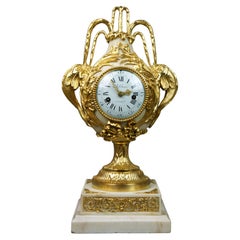
Antique Late 18th Century French Louis XVI Mantel Clocks
Marble, Bronze
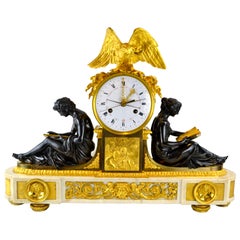
Antique 18th Century and Earlier Italian Fireplaces and Mantels
Marble, Bronze, Brass, Metal
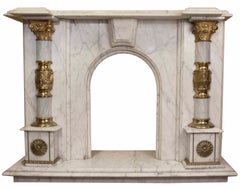
Antique Late 18th Century Figurines and Sculptures
Gold, Bronze
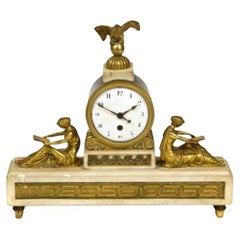

Antique Mid-18th Century French Baroque Figurines and Sculptures
Brass, Bronze
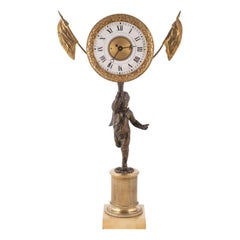
Antique Mid-18th Century French Louis XVI Table Clocks and Desk Clocks
Bronze
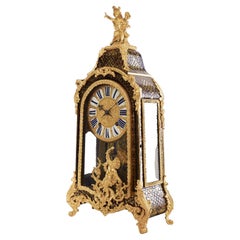
Antique Late 18th Century French Louis XV Table Clocks and Desk Clocks
Bronze
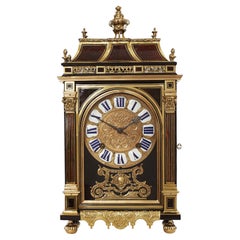
Antique 18th Century and Earlier European Louis XVI Clocks
Marble, Bronze
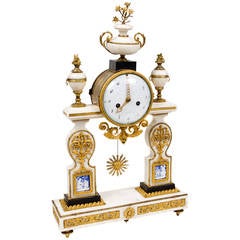
Antique 18th Century French Louis XVI Mantel Clocks
Bronze
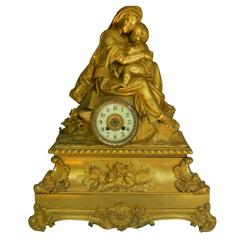
Antique Mid-19th Century French Mantel Clocks
Bronze
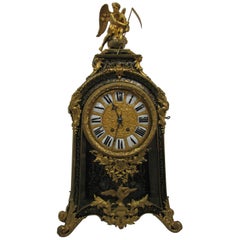
Antique 18th Century French Louis XVI Mantel Clocks
Bronze
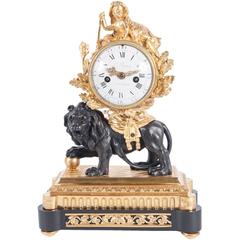
Antique Late 18th Century French Directoire Mantel Clocks
Marble, Bronze
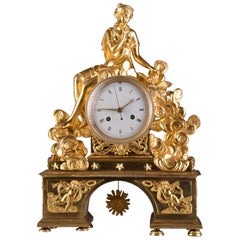
Antique Mid-18th Century European Baroque Mantel Clocks
Gold Plate, Bronze
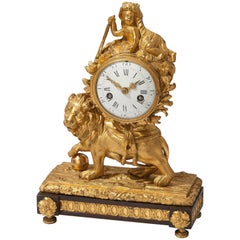
Antique 18th Century French Mantel Clocks
Bronze
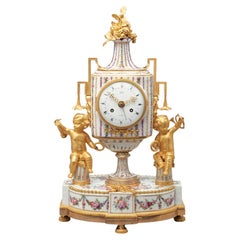
Antique Late 18th Century French Louis XVI Mantel Clocks
Marble, Bronze
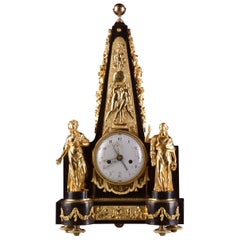
Antique Mid-18th Century French Louis XVI Mantel Clocks
Marble
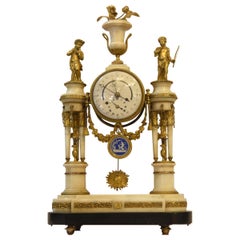
Antique 18th Century French Louis XVI Fireplaces and Mantels
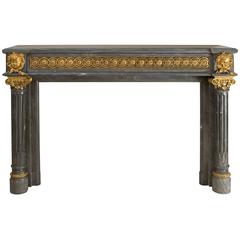
Antique Late 18th Century French Louis XVI Mantel Clocks
Bronze, Ormolu
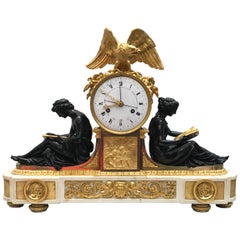
Antique 18th Century French Louis XV Mantel Clocks
Marble, Bronze, Ormolu
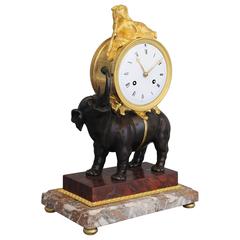
Antique 18th Century French Louis XVI Mantel Clocks
Bronze
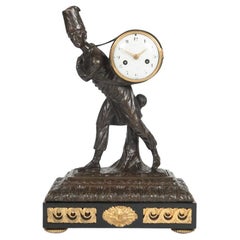
Antique Early 18th Century French Mantel Clocks
Bronze, Ormolu
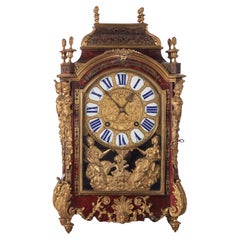
Antique 18th Century French Mantel Clocks
Bronze
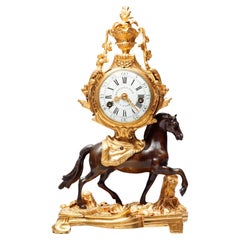
Antique 18th Century French Louis XVI Mantel Clocks
Marble, Bronze
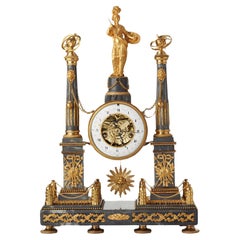
Antique 18th Century French Louis XVI Mantel Clocks
Marble, Bronze
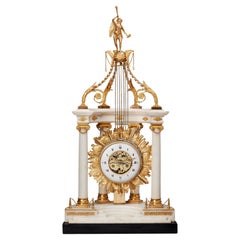
Antique Early 18th Century Dutch Louis XV Mantel Clocks
Bronze
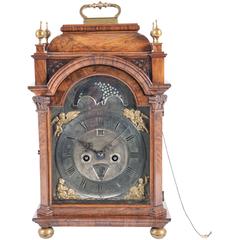
Antique 18th Century French Louis XVI Mantel Clocks
Bronze
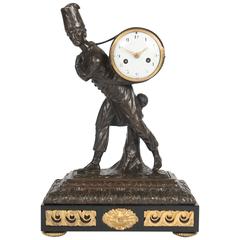
Antique Mid-18th Century French Napoleon III Mantel Clocks
Alabaster, Bronze
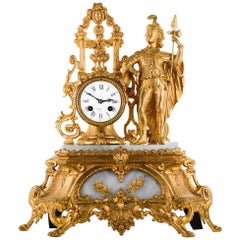
Antique Late 18th Century Louis XVI Mantel Clocks
Bronze
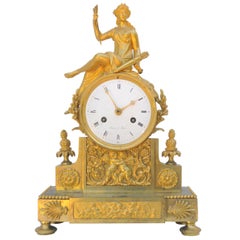
Antique 18th Century French Louis XVI Mantel Clocks
Bronze
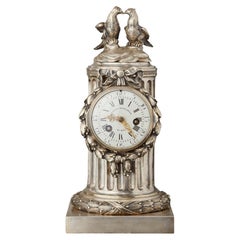
Antique Late 18th Century French Neoclassical Mantel Clocks
Bronze
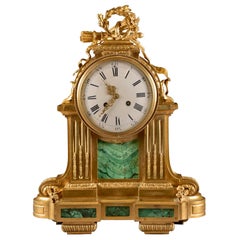
Antique Mid-18th Century French Rococo Mantel Clocks
Bronze
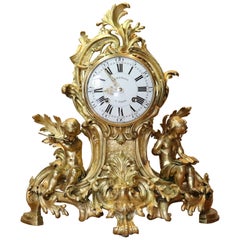
Antique Mid-18th Century French Rococo Mantel Clocks
Bronze
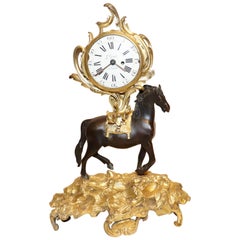
Antique Early 18th Century French Mantel Clocks
Bronze, Enamel, Ormolu
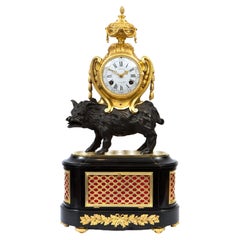
Antique Late 18th Century Italian Baroque Fireplaces and Mantels
Marble, Statuary Marble, Bronze
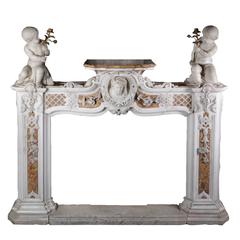
Antique Late 18th Century French Empire Mantel Clocks
Marble, Bronze
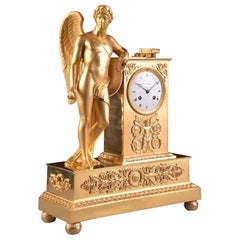
Antique 18th Century French Louis XV Fireplaces and Mantels
Bronze
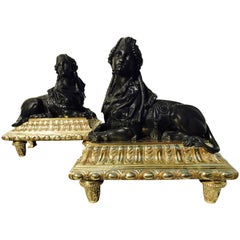
Antique Mid-18th Century English Chinese Chippendale Mantel Clocks
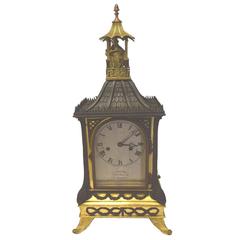
Antique 18th Century Mantel Clocks
Marble, Bronze
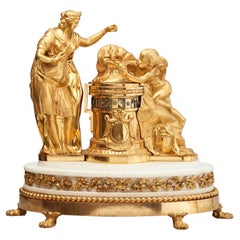
Antique Mid-18th Century French Rococo Mantel Clocks
Bronze
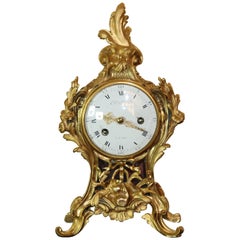
Antique 18th Century French Louis XVI Mantel Clocks
Bronze
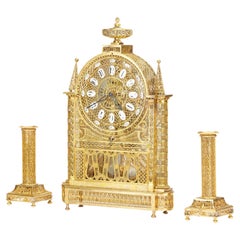
Antique 18th Century French Mantel Clocks
Bronze, Ormolu
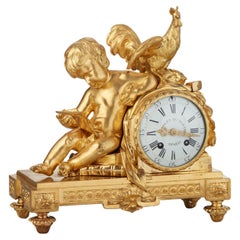
Antique 18th Century French Louis XVI Mantel Clocks
Bronze
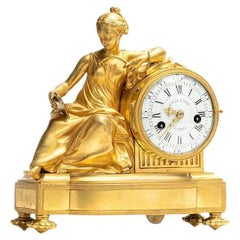
Antique 18th Century English George III Mantel Clocks
Bronze
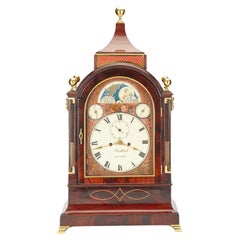
Antique Late 18th Century French Charles X Mantel Clocks
Bronze
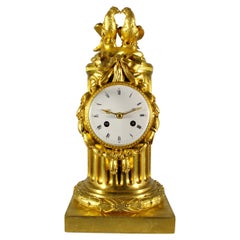
Antique Late 18th Century French Louis XVI Mantel Clocks
Bronze
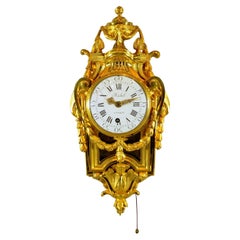
Antique 18th Century French Louis XVI Mantel Clocks
Bronze
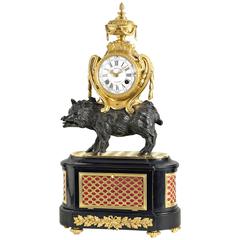
Antique Mid-18th Century Italian Louis XV Mantel Clocks
Bronze
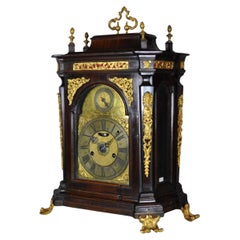
Antique Mid-18th Century Swiss Louis XV Mantel Clocks
Bronze
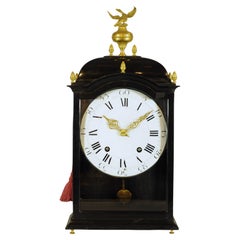
Antique 18th Century French Louis XVI Mantel Clocks
Marble, Bronze, Enamel
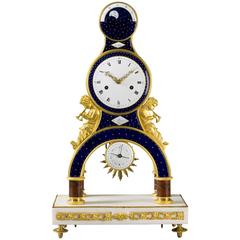
Antique 18th Century French Louis XVI Mantel Clocks
Marble, Bronze
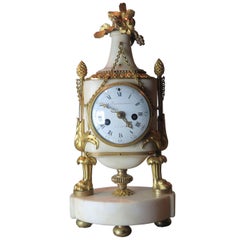
Antique 18th Century and Earlier French Clocks
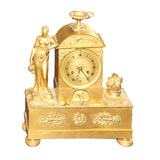
Antique 18th Century and Earlier French Louis XVI Clocks
Griotte Marble, Bronze
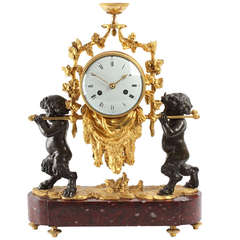
Antique 18th Century and Earlier French Louis XVI Clocks
Marble, Bronze, Ormolu
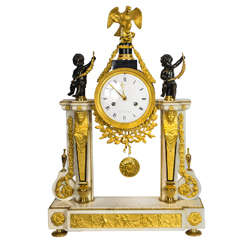
Antique 18th Century and Earlier French Louis XVI Clocks
Bronze
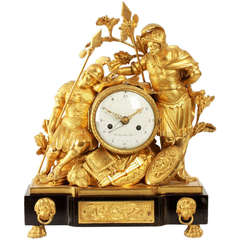
Antique 18th Century and Earlier French Clocks
Marble, Bronze
Antique 18th Century and Earlier French Louis XVI Clocks
Bronze
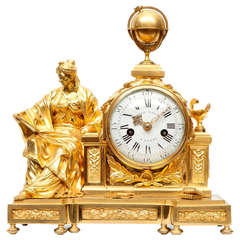
Antique Late 18th Century French Louis XVI Mantel Clocks
Carrara Marble, Bronze
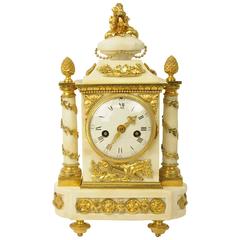
- 1
18th Century Mantel Bronze For Sale on 1stDibs
How Much is a 18th Century Mantel Bronze?
Finding the Right Mantel-clocks for You
Personal time-telling devices may have migrated from our pockets to our wrists and finally onto our phones, but despite the convenience of a handheld digital timekeeper, nothing can beat well-made vintage, new and antique mantel clocks.
Invented by clockmakers in France and popularized in the 18th and 19th centuries, these practical yet ornate pieces were typically displayed on top of fireplaces or desks. While the most common mantel clocks were created in the traditional tambour style, which features a wide base that flares into an upright drum- or camelback-shaped case, modern clockmakers and furniture designers have experimented with their own ideas for these decorative objects over the years, introducing different forms and working with unconventional materials. A collection of whimsical, monochromatic handmade mantel clocks crafted by Dutch designer Kiki van Eijk, called Floating Frames, for example, features minimalist frames of anodized wire and ceramic clockfaces.
When shopping for an antique, vintage or new mantel clock, don’t be afraid to branch out. Wood mantel clocks of any era will bring a classic, elegant allure to the shelving in your living room or the bookcase in your bedroom, while Empire-style mantel clocks will comparatively boast eye-catching gilt bronze and pronounced sculptural attributes. Some Art Deco mantel clocks will feature an integration of marble or glass and will likely be marked by the decorative embellishments associated with that particular furniture style.
There’s just something about cool clocks, right? Spend your time with an extraordinary collection of mantel clocks on 1stDibs today.
- 1stDibs ExpertApril 5, 2022Yes, wedding rings have a long history, stretching back to ancient Egypt. The first diamond engagement ring was created in 1477 by Archduke Maximillian of Austria. Browse a wide array of vintage and contemporary wedding rings on 1stDibs.
- 1stDibs ExpertApril 5, 2022In the 18th century, art changed in style from Baroque to Rococo and Neoclassicism. Art became more ornamented and idealized during the Rococo period and then shifted toward a style that emulated the artwork of ancient Greece and Rome near the end of the century. You’ll find a variety of fine art on 1stDibs.
- 1stDibs ExpertNovember 13, 2024To identify 18th-century furniture, you can research your piece in the context of the prevailing styles of the period or consult a certified appraiser or experienced antique dealer. To identify your item on your own, look over it for maker's marks, such as carvings, stamps, brands and labels. Researching the marking can help you determine the maker of your piece, and from there, you can search further to learn more about your particular item. Without a maker's mark, the best approach is to consider the characteristics of the dominant furniture styles during the 18th century. In England, these included William and Mary, Queen Anne, Georgian, Chippendale, Hepplewhite and Sheraton. Some French furniture styles of the 1700s include Louis XV, Louis XVI and Régence. Find a diverse assortment of 18th-century furniture on 1stDibs.
- 1stDibs ExpertApril 5, 2022One way to check if your brass candlesticks are from the 18th century is to look for the two seams running lengthwise on either side. This is from when the candlestick was molded in two halves and then soldered together. You’ll find a variety of candlesticks of all shapes and sizes from some of the top sellers on 1stDibs.
- 1stDibs ExpertJanuary 10, 2025The individuals considered the Big Three of 18th-century cartoons are William Hogarth, James Gillray and George Cruikshank. Although the 18th century saw a widespread increase in illustrations in newspapers, these three illustrators were particularly well-known for their work. Hogarth's work was extremely diverse, ranging from serious, realistic paintings and portraits to satirical and moralistic illustrations filled with symbolism. A British caricaturist, Gillray is remembered today for his artworks representing political and social satires, like his political cartoons against George III of England. Despite being a prolific caricaturist, Cruikshank is now most famous for illustrating the works of Charles Dickens. On 1stDibs, find a wide variety of illustrations.
- 1stDibs ExpertApril 5, 2022At the end of the 17th century, Europe went into a frenzy over porcelain. Asian porcelain was highly sought after, and spurred the foundation of the Meissen factory in France, where hard porcelain went on to be made. You’ll find a large collection of porcelain pieces from many of the world’s top sellers on 1stDibs.
Read More
How a Craving for Color Revolutionized Glass
After synthetic dyes changed fashion, home goods and printed matter, it was only a matter of time till glass caught up.
Kazuyo Sejima’s Flowering Tree Blooms Year-Round
The brilliantly simple design turns a modest bouquet into a major statement.
He Wrote ‘Oedipus Rex,’ but Do You Know What He Looked Like?
The Greek tragedian is said to have been handsome in his day.
Cigar Culture Was Once the Peak of Masculinity. Now, It’s a Compelling Curiosity
Even for those who don’t indulge, elegant smoking accessories and audacious art portraying cigar enthusiasts hold a nostalgic allure.
African Travel Plans on Hold? This Ardmore Leopard Vase Brings the Beauty of the Savanna to You
It’s an excellent example of the sought-after ceramics coming out of South Africa’s KwaZulu-Natal province.
With a High-Tech Flagship and Cool Collabs, Lladró Is Breaking the Mold for Porcelain Production
Thanks to its new leadership, the Spanish maker of figurines, busts and lighting is on a mission to update the art of porcelain for the 21st century.
Zoë Powell’s Magnolia 05 Vessel Is Handmade from Clay She Unearthed Herself
The free-form stoneware piece is inspired by the magnolia tree and its associations with home.
8 Ways to Breathe New Life into a Space with Plants
The pair behind the Instagram account @houseplantclub share their tips for making any room of the house gloriously green.