18th Century Marble Sink
Antique 18th Century and Earlier French Stone Sinks
Marble
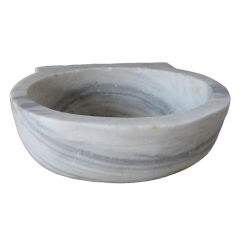

Antique 18th Century and Earlier French Stone Sinks
Marble
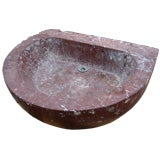
Antique 18th Century and Earlier Italian Stone Sinks
Marble
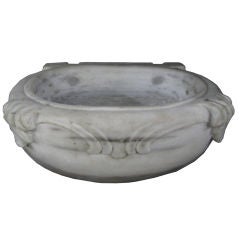
Antique 18th Century and Earlier Belgian Stone Sinks
Belgian Black Marble, Limestone
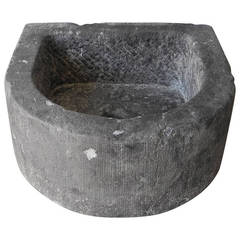
Antique 18th Century French Stone Sinks
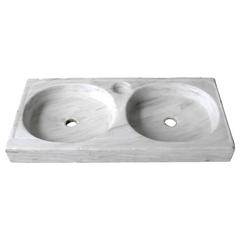
Antique 18th Century and Earlier Belgian Stone Sinks
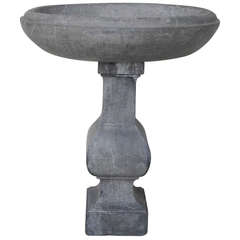
Antique 18th Century and Earlier French Stone Sinks
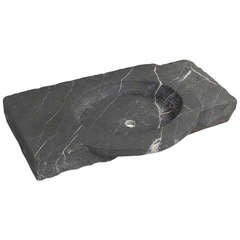
Antique 18th Century and Earlier French Stone Sinks
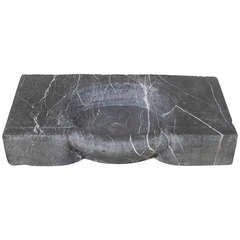
Antique 18th Century and Earlier Italian Stone Sinks
Marble
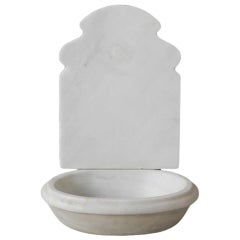
Antique 18th Century and Earlier French Stone Sinks
Marble
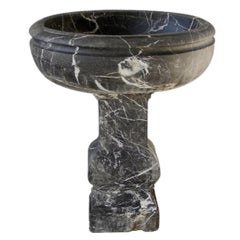
Antique 18th Century and Earlier French Stone Sinks
Marble
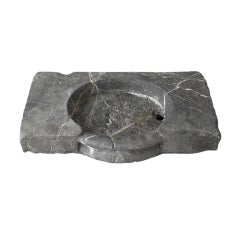
Antique 18th Century and Earlier French Stone Sinks
Marble
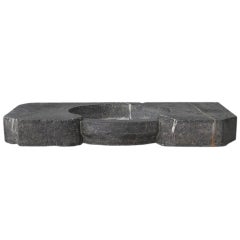
Antique 18th Century European Stone Sinks

Antique 18th Century and Earlier Stone Sinks
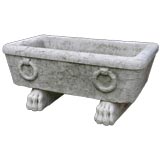
Antique Early 18th Century Italian Stone Sinks
Marble
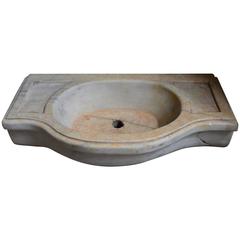
- 1
18th Century Marble Sink For Sale on 1stDibs
How Much is a 18th Century Marble Sink?
Finding the Right Stone-sinks for You
Antique and vintage stone sinks bring a touch of nature to your home.
A stone sink can be used as a functional statement piece to complement your kitchen decor. In your bathroom, a stone sink can add a rustic flourish and will fit in nicely if the rest of your furniture is characterized by natural textures, unfinished lines and neutral colors. It can also present a nice contrast if your space is more city than country. Part of the appeal of these sinks is that no two are alike. The difference in the stone’s coloration, pitting and veining will ensure that each piece is unique.
Stone sinks are typically carved from a single solid slab, and they come in all kinds of materials, including marble, soapstone, travertine and more. It’s important to note that all types of stone sinks will stain, so you’ll want to be careful with colored liquids around your sink. Make a habit of wiping your stone sink with a soft cloth after every use to prevent mineral deposits from forming. (Your stone sink is a “no steel wool” zone.) For regular cleaning, you’ll want to use a mild dish soap instead of an abrasive cleaner to prevent scratching your sink.
Stone sinks are durable and versatile. They’re a sensible addition to your already stylish kitchen, they will pair well with the dark walnut cabinets at your bar and will be a natural fit in more ways than one for the serene oasis you’ve made of the upstairs bathroom.
Explore an extensive collection of vintage, new and antique stone sinks on 1stDibs.
- 1stDibs ExpertApril 5, 2022Yes, wedding rings have a long history, stretching back to ancient Egypt. The first diamond engagement ring was created in 1477 by Archduke Maximillian of Austria. Browse a wide array of vintage and contemporary wedding rings on 1stDibs.
- 1stDibs ExpertApril 5, 2022In the 18th century, art changed in style from Baroque to Rococo and Neoclassicism. Art became more ornamented and idealized during the Rococo period and then shifted toward a style that emulated the artwork of ancient Greece and Rome near the end of the century. You’ll find a variety of fine art on 1stDibs.
- 1stDibs ExpertNovember 13, 2024To identify 18th-century furniture, you can research your piece in the context of the prevailing styles of the period or consult a certified appraiser or experienced antique dealer. To identify your item on your own, look over it for maker's marks, such as carvings, stamps, brands and labels. Researching the marking can help you determine the maker of your piece, and from there, you can search further to learn more about your particular item. Without a maker's mark, the best approach is to consider the characteristics of the dominant furniture styles during the 18th century. In England, these included William and Mary, Queen Anne, Georgian, Chippendale, Hepplewhite and Sheraton. Some French furniture styles of the 1700s include Louis XV, Louis XVI and Régence. Find a diverse assortment of 18th-century furniture on 1stDibs.
- 1stDibs ExpertApril 5, 2022One way to check if your brass candlesticks are from the 18th century is to look for the two seams running lengthwise on either side. This is from when the candlestick was molded in two halves and then soldered together. You’ll find a variety of candlesticks of all shapes and sizes from some of the top sellers on 1stDibs.
- 1stDibs ExpertJanuary 10, 2025The individuals considered the Big Three of 18th-century cartoons are William Hogarth, James Gillray and George Cruikshank. Although the 18th century saw a widespread increase in illustrations in newspapers, these three illustrators were particularly well-known for their work. Hogarth's work was extremely diverse, ranging from serious, realistic paintings and portraits to satirical and moralistic illustrations filled with symbolism. A British caricaturist, Gillray is remembered today for his artworks representing political and social satires, like his political cartoons against George III of England. Despite being a prolific caricaturist, Cruikshank is now most famous for illustrating the works of Charles Dickens. On 1stDibs, find a wide variety of illustrations.
- 1stDibs ExpertApril 5, 2022At the end of the 17th century, Europe went into a frenzy over porcelain. Asian porcelain was highly sought after, and spurred the foundation of the Meissen factory in France, where hard porcelain went on to be made. You’ll find a large collection of porcelain pieces from many of the world’s top sellers on 1stDibs.
Read More
39 Incredible Swimming Pools
It's hard to resist the allure of a beautiful pool. So, go ahead and daydream about whiling away your summer in paradise.
This Lavish 18th-Century Chimneypiece Comes from a Historic Scottish Estate
The exceptionally crafted mantel was saved despite the home’s regrettable demise.
A Pair of Monumental Stone Tigers Protect and Guide Wandering Souls
The Qing dynasty beasts honored the dead and warned off malicious spirits.
Andrés Monnier’s Stone Tub Makes Bathing a Rite of Renewal
The dramatic piece transforms a daily scrub into an act of communion with the elements.
Meet the Siblings behind the Exquisite Outdoor Furniture of McKinnon and Harris
Anne and Will Massie apply the lessons of the past to create alfresco pieces as timeless as the traditions that inspire them.
35 Wondrous Outdoor Dining Spaces
Eating meals alfresco is one of the great pleasures of warm weather, and a beautifully appointed space only heightens the experience. Get inspired by these delectable dining areas as you think about creating your own outdoor oasis.
In These Chic Homes, Indoors and Outdoors Freely Mingle
Through potted plants, garden furniture, nature-inspired art and architectural apertures, designers are bringing the outside in.
24 Perfect Patios with Fire Pits and Fireplaces
In these stylish spaces, the outdoor season extends year round.