1920s Brass Jardiniere
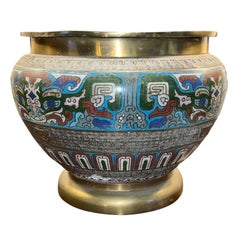
Vintage 1920s Japanese Classical Roman Planters, Cachepots and Jardinières
Brass, Enamel

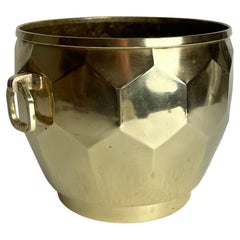
Vintage 1920s European Art Deco Planters, Cachepots and Jardinières
Brass
Recent Sales
Early 20th Century French Planters, Cachepots and Jardinières
Brass
People Also Browsed
20th Century Italian Mid-Century Modern Ashtrays
Murano Glass
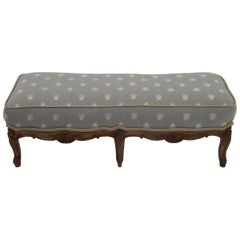
Antique Late 18th Century French Louis XV Footstools
Wood
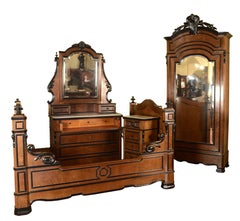
Antique Mid-19th Century French Napoleon III Bedroom Sets
Metal
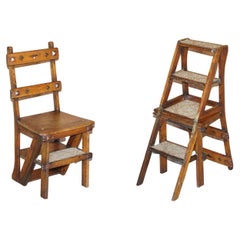
Antique 1880s English Arts and Crafts Chairs
Upholstery, Oak
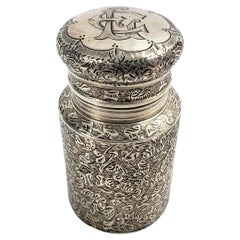
Antique Late 19th Century English Victorian Bottles
Sterling Silver
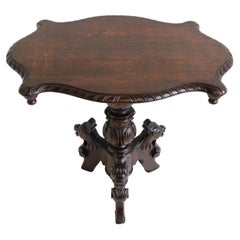
Antique Late 19th Century French Renaissance Revival Side Tables
Oak
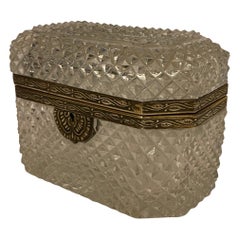
20th Century French Belle Époque Jewelry Boxes
Crystal, Bronze, Ormolu
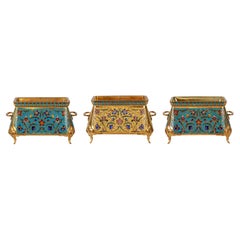
Antique 19th Century French Napoleon III Planters, Cachepots and Jardini...
Bronze, Enamel, Ormolu
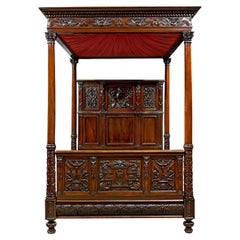
Antique 19th Century American Beds and Bed Frames
Silk, Mahogany, Oak, Walnut
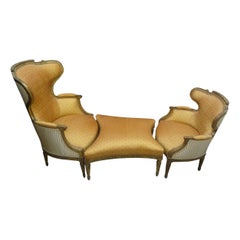
Antique 1860s French Louis XVI Chaise Longues
Giltwood
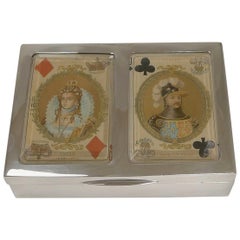
Antique 1890s English Late Victorian Decorative Boxes
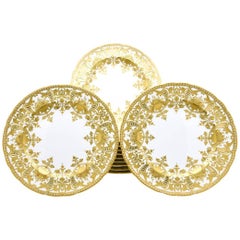
Antique Early 1900s English Neoclassical Dinner Plates
Gold
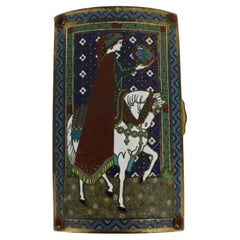
20th Century American Belle Époque Decorative Boxes
Bronze
Antique 19th Century English Porcelain
Gold
1920s Brass Jardiniere For Sale on 1stDibs
How Much is a 1920s Brass Jardiniere?
Materials: Brass Furniture
Whether burnished or lacquered, antique, new and vintage brass furniture can elevate a room.
From traditional spaces that use brass as an accent — by way of brass dining chairs or brass pendant lights — to contemporary rooms that embrace bold brass decor, there are many ways to incorporate the golden-hued metal.
“I find mixed metals to be a very updated approach, as opposed to the old days, when it was all shiny brass of dulled-out silver tones,” says interior designer Drew McGukin. “I especially love working with brass and blackened steel for added warmth and tonality. To me, aged brass is complementary across many design styles and can trend contemporary or traditional when pushed either way.”
He proves his point in a San Francisco entryway, where a Lindsey Adelman light fixture hangs above a limited-edition table and stools by Kelly Wearstler — also an enthusiast of juxtapositions — all providing bronze accents. The walls were hand-painted by artist Caroline Lizarraga and the ombré stair runner is by DMc.
West Coast designer Catherine Kwong chose a sleek brass and lacquered-parchment credenza by Scala Luxury to fit this San Francisco apartment. “The design of this sideboard is reminiscent of work by French modernist Jean Prouvé. The brass font imbues the space with warmth and the round ‘portholes’ provide an arresting geometric element.”
Find antique, new and vintage brass tables, case pieces and other furnishings now on 1stDibs.
Finding the Right Vases-vessels for You
For thousands of years, vases and vessels have had meaningful functional value in civilizations all over the world. In Ancient Greece, ceramic vessels were used for transporting water and dry goods, holding bouquets of flowers, for storage and more. Outside of utilitarian use, in cities such as Athens, vases were a medium for artistic expression — pottery was a canvas for artists to illustrate their cultures’ unique people, beliefs and more. And pottery skills were handed down from fathers to sons.
Every antique and vintage vase and vessel, from decorative Italian urns to French 19th-century Louis XVI–style lidded vases, carries with it a rich, layered story.
On 1stDibs, there is a vast array of vases and vessels in a variety of colors, sizes and shapes. Our collection features vessels made from delicate materials such as ceramic and glass as well as durable materials like rustproof metals and stone.
A contemporary vase can help introduce an air of elegance to your minimalist space while an antique Chinese jar would make a luxurious addition to an Asian-inspired interior. Alternatively, if you’re looking for a statement piece, consider an Art Deco vase crafted by Italian architect and furniture designer Gio Ponti.
Vases and vessels — be they handmade pots, handblown glass wine bottles or otherwise — are versatile, practical decorative objects, and no matter your particular design preferences, furniture style or color scheme, they can add beauty and warmth to any home. Find yours on 1stDibs today.
- What do I wear to a 1920s party?1 Answer1stDibs ExpertMarch 3, 2023To a 1920s party, you can wear a short fringed or beaded flapper dress, layers of long beaded or pearl necklaces, elbow-length gloves and a feathered headband. Another option is to wear an off-white men's suit. Shop a selection of vintage apparel on 1stDibs.
- 1stDibs ExpertMarch 22, 2022In the 1920s, flappers often wore straight, fitted dresses with plunging necklines and knee-length hems. Fringe was a common embellishment used at the time. Flappers also sported pumps and opted for bras and lingerie instead of corsets for undergarments. Shop a variety of vintage clothing on 1stDibs.
- What is 1920s furniture called?1 Answer1stDibs ExpertNovember 13, 2024What 1920s furniture is called depends on its style. However, the most prominent design style of the decade was Art Deco. The term alone conjures visions of the Roaring Twenties, Machine Age metropolises, vast ocean liners, sleek typography and Prohibition-era hedonism. The iconic movement made an indelible mark on all fields of design throughout the 1920s and ’30s, celebrating society’s growing industrialization with refined elegance and stunning craftsmanship. Art Deco furniture often featured bold geometric lines, floral forms, shimmering mirrored finishes, sleek metal accents, and the use of expensive materials such as shagreen or marble as well as exotic woods such as mahogany, ebony and zebra wood. On 1stDibs, find a diverse assortment of Art Deco furniture.
- 1stDibs ExpertJune 15, 2023In the 1920s, fashionable colors included jewel tones. Fashion, jewelry, furniture and decorative objects often featured jade green, deep reds, amethyst purple, dusty mustard yellow and peacock blue. Find a range of 1920s-era jewelry and fashion on 1stDibs.
- 1stDibs ExpertMay 5, 2023In the 1920s, brides often wore tubular-shaped slip dresses with a beaded tunic over top. Hemlines usually fell just below the knee or to the ankle, and many gowns had dropped waists. For headwear, brides often showed off veils attached to cloche or flapper-style headbands. On 1stDibs, shop a collection of wedding dresses from some of the world’s top boutiques.
- 1stDibs ExpertApril 5, 2024The clothing style in the 1920s that most people think of first is the flapper style. Women who dressed in this style sported loose-fitting, short dresses, often outfitted with drop waists and fringe. Small cloche hats and headbands were signature accessories of the flapper look. During the decade, pleated tennis skirts and cardigan sweater sets left the courts and became staples of some women's everyday styles. For men, soft collars replaced stiff, starched ones, and simple single and double-button suit jackets worn without waistcoats became trendy. Trousers also took on a new shape with wider-cut legs, and Oxford bags gained popularity. On 1stDibs, shop a variety of 1920s apparel and accessories.
- What are 1920s dresses called?1 Answer1stDibs ExpertFebruary 13, 2023The iconic dresses from the 1920s are called flapper dresses. This name comes from the term flapper, which was used to describe young women during the period who enjoyed personal fulfillment and independence in American cities, particularly as they gained the right to vote and enjoy other freedoms previously reserved for men. Flappers danced at jazz clubs and upended most societal restrictions placed on women at the time, and fashion statements typically attributed to flappers included short “bob” haircuts, higher hemlines and other then-audacious style choices. Find a selection of flapper dresses on 1stDibs.
- What era is 1920s jewelry?1 Answer1stDibs ExpertDecember 4, 2023What era 1920s jewelry is depends on its design. Most people associate this decade with the Art Deco movement, which took inspiration from eclectic sources like Cubism, ancient Egypt and Native American, African and Asian motifs. However, some pieces produced during the 1920s are more in line with the style trends of earlier periods, such as Art Nouveau, Edwardian and Victorian. Explore a diverse assortment of 1920s jewelry on 1stDibs.
- 1stDibs ExpertMay 5, 2023The type of tile that was used in the 1920s was primarily ceramic. Many shapes were available, including basketweave, penny round, pinwheel, square and subway. Hexagon tiles, however, which are still on trend, have been in use in bathrooms since at least the early 1900s. The choice of hexagonal tiles is believed to have been tied to cleanliness, as the small pieces could stand up to aggressive cleaning and could be easily replaced if needed. On 1stDibs, shop a collection of tiles from some of the world's top sellers.
- 1stDibs ExpertApril 5, 2022Flapper dresses from the 1920s came in a range of colors, although darker hues such as black and navy were immensely popular. Flapper dresses were cut with straight and slim silhouettes, were typically knee-length and had a lower neckline. They were often made from silk chiffon and featured beaded details. You’ll find a selection of 1920s flapper dresses from some of the world’s top sellers on 1stDibs.
- 1stDibs ExpertNovember 21, 2023In the 1920s, engagement rings still looked like rings but were representative of a diverse range of styles and influences. Art Deco diamond ring designs took inspiration from the contemporary Cubist movement as well as from ancient Egypt – a revival sparked by the opening of King Tut’s tomb in 1922. Native American, African and Asian motifs also inspired jewelry pieces. Diamonds in square and rectangular shapes incorporating angular steps – like emerald cuts, Asscher cuts and baguettes – were set against black onyx, rubies, sapphires and emeralds to create color-blocking effects. Platinum, 18-karat gold, 14-karat white gold and sterling silver were some of the favored metals of the decade. Find a wide range of Art Deco engagement rings on 1stDibs.
- 1stDibs ExpertJanuary 10, 2025Coco Chanel was considered one of the leading fashion designers in the 1920s and ’30s in Paris. The first Chanel shop was established in 1910 on rue Cambon by the young milliner Gabrielle Chanel, who had picked up the nickname “Coco” while working as a club singer. The boutique drew the attention of the Parisian fashion elite, who popularized her wide-brimmed Chanel Modes hats. Soon, she added a sportswear store in the Normandy resort town of Deauville, where Coco set the tone for her defining sense of style — traditionally masculine garments reimagined for feminine shapes, made from simple jersey fabric. Effortless and elegant, Chanel's designs promoted comfort and grace in women’s wear that had been dominated in the previous century by complicated layers of fabric and cumbersome corsets. She followed this success with a couture house, opened in 1915 in Biarritz. In 1926, Chanel introduced her first little black dress, reclaiming a color that had once been reserved for mourning and working-class women. That same decade, she debuted her perfume, Chanel No. 5, as well as the Chanel suit with a fitted skirt, inspired by the boxy lines of men’s clothing and employing a sporty tweed. During the 1920s, she also unveiled the predecessor for the 2.55 Flap bag, which remains one of Chanel's most popular offerings. Shop a large selection of Chanel apparel, bags and accessories on 1stDibs.
Read More
How a Craving for Color Revolutionized Glass
After synthetic dyes changed fashion, home goods and printed matter, it was only a matter of time till glass caught up.
Kazuyo Sejima’s Flowering Tree Blooms Year-Round
The brilliantly simple design turns a modest bouquet into a major statement.
He Wrote ‘Oedipus Rex,’ but Do You Know What He Looked Like?
The Greek tragedian is said to have been handsome in his day.
Cigar Culture Was Once the Peak of Masculinity. Now, It’s a Compelling Curiosity
Even for those who don’t indulge, elegant smoking accessories and audacious art portraying cigar enthusiasts hold a nostalgic allure.
African Travel Plans on Hold? This Ardmore Leopard Vase Brings the Beauty of the Savanna to You
It’s an excellent example of the sought-after ceramics coming out of South Africa’s KwaZulu-Natal province.
With a High-Tech Flagship and Cool Collabs, Lladró Is Breaking the Mold for Porcelain Production
Thanks to its new leadership, the Spanish maker of figurines, busts and lighting is on a mission to update the art of porcelain for the 21st century.
Zoë Powell’s Magnolia 05 Vessel Is Handmade from Clay She Unearthed Herself
The free-form stoneware piece is inspired by the magnolia tree and its associations with home.
8 Ways to Breathe New Life into a Space with Plants
The pair behind the Instagram account @houseplantclub share their tips for making any room of the house gloriously green.