1930S Antique Furniture
Early 20th Century Swedish Scandinavian Modern 1930S Antique Furniture
Ceramic
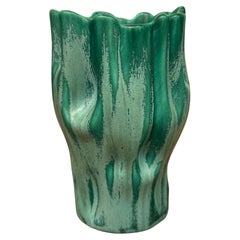

Early 20th Century Swedish Art Deco 1930S Antique Furniture
Brass
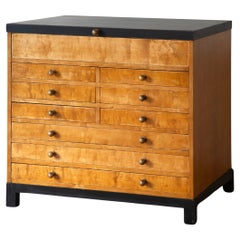
Early 20th Century German Industrial 1930S Antique Furniture
Enamel, Iron
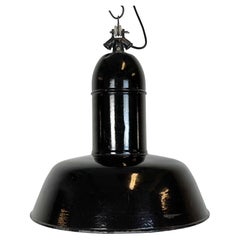
Early 20th Century Swedish Art Deco 1930S Antique Furniture
Ceramic, Clay, Earthenware, Pottery, Stoneware
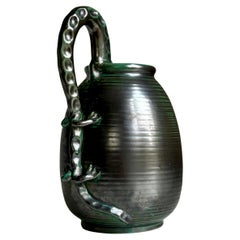
Early 20th Century Swedish Scandinavian Modern 1930S Antique Furniture
Ceramic
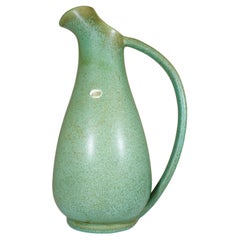
Early 20th Century Italian Art Nouveau 1930S Antique Furniture
Brass
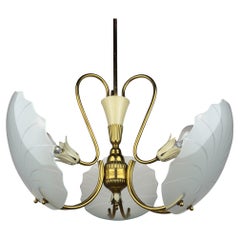
Early 20th Century American Colonial Revival 1930S Antique Furniture
Wood
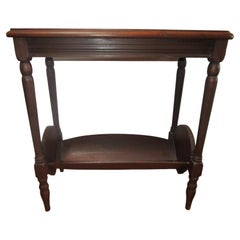
Early 20th Century Persian Islamic 1930S Antique Furniture
Wool
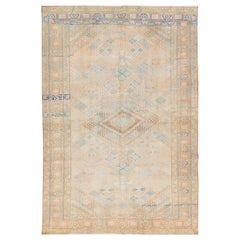
1920s Swedish Scandinavian Modern 1930S Antique Furniture
Bronze
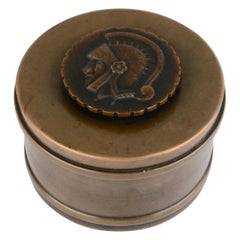
Early 20th Century German Industrial 1930S Antique Furniture
Iron
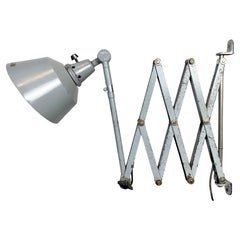
Early 20th Century British Art Deco 1930S Antique Furniture
Silver Plate
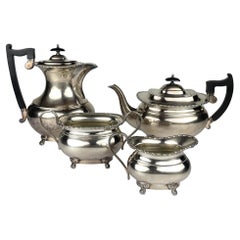
Early 20th Century German Industrial 1930S Antique Furniture
Iron
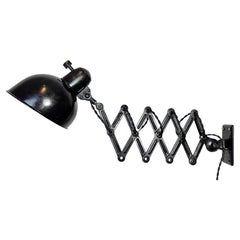
Early 20th Century French Art Deco 1930S Antique Furniture
Metal, Copper
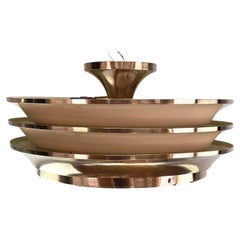
Early 20th Century French 1930S Antique Furniture
Iron
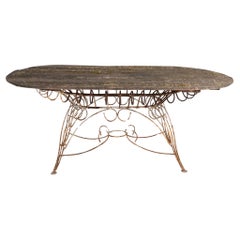
Early 20th Century French Art Deco 1930S Antique Furniture
Metal
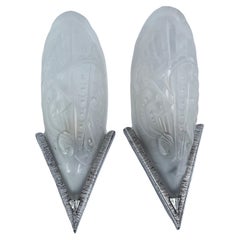
Early 20th Century Danish Mid-Century Modern 1930S Antique Furniture
Canvas, Beech
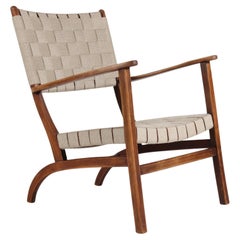
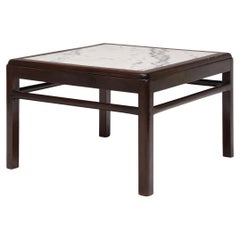
Early 20th Century Chinese Art Deco 1930S Antique Furniture
Marble
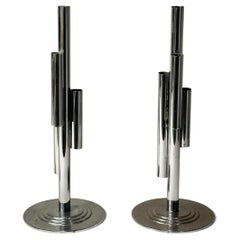
Early 20th Century American Art Deco 1930S Antique Furniture
Metal, Steel, Chrome
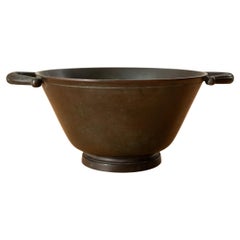
1920s Scandinavian Modern 1930S Antique Furniture
Bronze
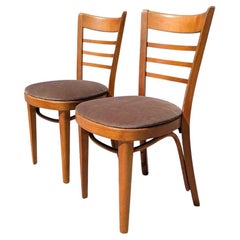
Early 20th Century American Mid-Century Modern 1930S Antique Furniture
Upholstery, Wood
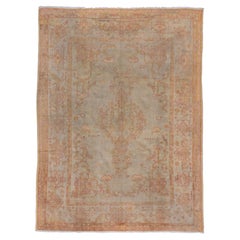
Early 20th Century Turkish Oushak 1930S Antique Furniture
Wool
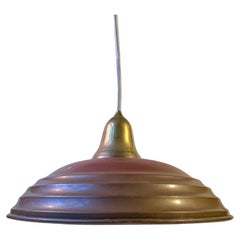
Early 20th Century European Bauhaus 1930S Antique Furniture
Brass, Copper
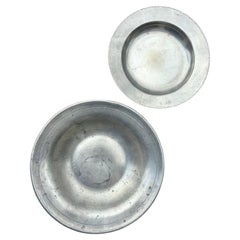
Early 20th Century European Art Deco 1930S Antique Furniture
Tin, Metal, Pewter
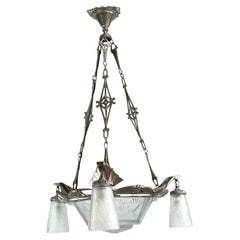
Early 20th Century French Art Deco 1930S Antique Furniture
Metal, Nickel
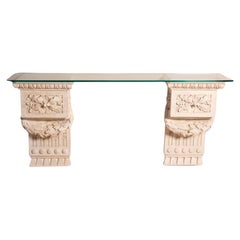
Early 20th Century 1930S Antique Furniture
Glass, Plaster
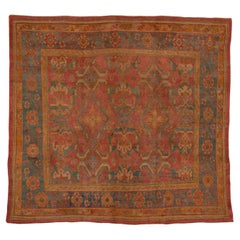
Early 20th Century Turkish Oushak 1930S Antique Furniture
Wool
Early 20th Century South Korean Art Deco 1930S Antique Furniture
Silk

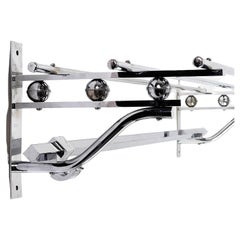
Early 20th Century Belgian Art Deco 1930S Antique Furniture
Chrome
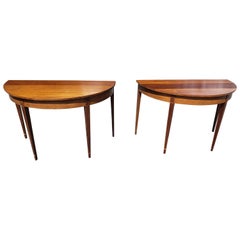
Early 20th Century American Federal 1930S Antique Furniture
Abalone, Mahogany
Early 20th Century French Art Deco 1930S Antique Furniture
Lacquer, Macassar, Maple
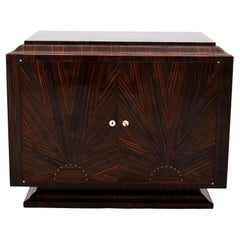
Early 20th Century French 1930S Antique Furniture
Marble, Bronze
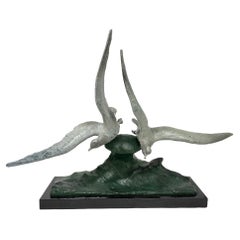
1920s Czech Art Deco 1930S Antique Furniture
Fabric, Wood
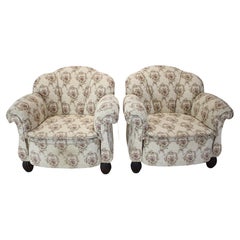
Early 20th Century German Bauhaus 1930S Antique Furniture
Metal, Iron, Sheet Metal
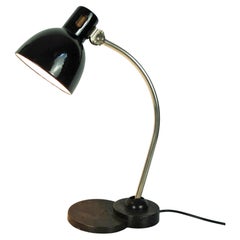
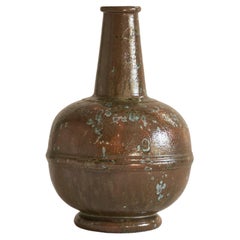
Early 20th Century Unknown Mid-Century Modern 1930S Antique Furniture
Ceramic
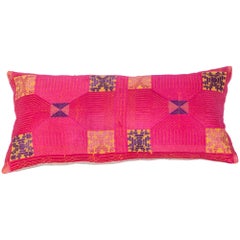
Early 20th Century Pakistani Suzani 1930S Antique Furniture
Cotton, Silk
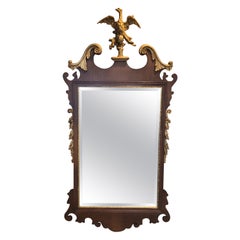
Early 20th Century American Chippendale 1930S Antique Furniture
Mahogany, Giltwood
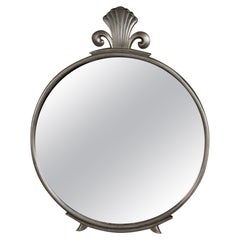
Early 20th Century Finnish Scandinavian Modern 1930S Antique Furniture
Pewter
Early 20th Century German Bauhaus 1930S Antique Furniture
Aluminum, Brass
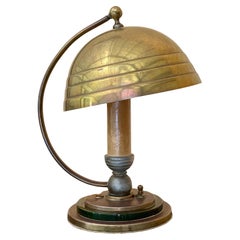
Early 20th Century French Art Deco 1930S Antique Furniture
Walnut
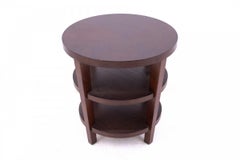
Early 20th Century Swedish Mid-Century Modern 1930S Antique Furniture
Fabric
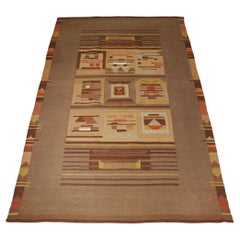
Early 20th Century French 1930S Antique Furniture
Brass, Chrome
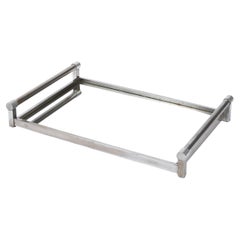
Early 20th Century French Art Deco 1930S Antique Furniture
Brass
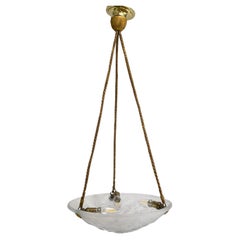
Early 20th Century French Art Deco 1930S Antique Furniture
Bronze, Brass
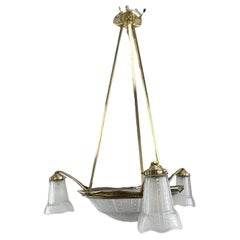
Early 20th Century Danish Art Deco 1930S Antique Furniture
Pewter
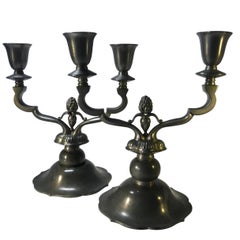
Early 20th Century French 1930S Antique Furniture
Rush, Oak
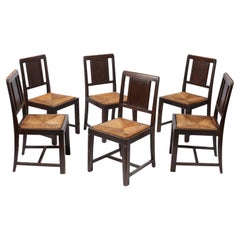
Early 20th Century Italian Louis XV 1930S Antique Furniture
Silver
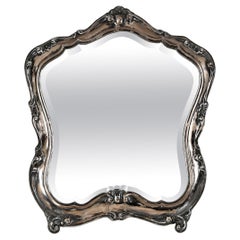
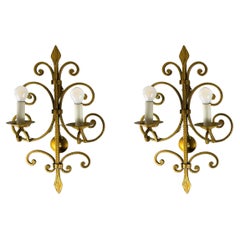
Early 20th Century French Art Deco 1930S Antique Furniture
Wrought Iron
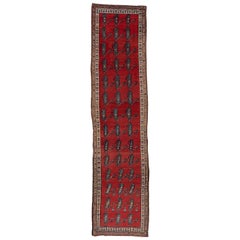
Early 20th Century Persian Malayer 1930S Antique Furniture
Wool
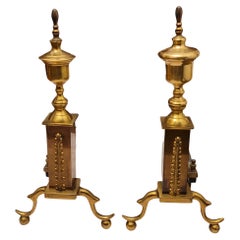
Early 20th Century American Regency 1930S Antique Furniture
Brass, Iron
Early 20th Century Bauhaus 1930S Antique Furniture
Metal
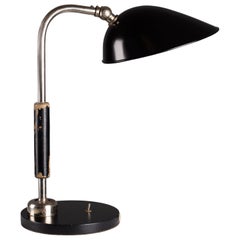
Early 20th Century French Art Deco 1930S Antique Furniture
Terracotta
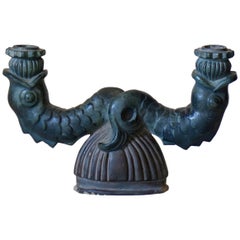
Early 20th Century French Art Deco 1930S Antique Furniture
Wood
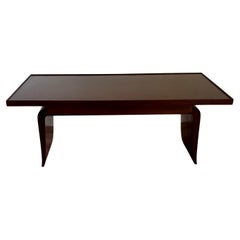
Early 20th Century Swedish Art Deco 1930S Antique Furniture
Faience
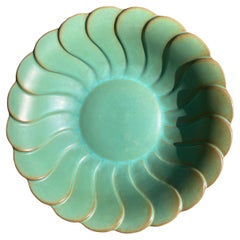
Early 20th Century 1930S Antique Furniture
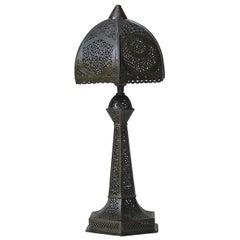
Early 20th Century Italian Folk Art 1930S Antique Furniture
Metal

Early 20th Century French Art Deco 1930S Antique Furniture
Bronze
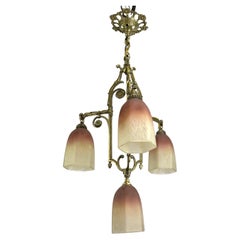
Early 20th Century 1930S Antique Furniture
Oak
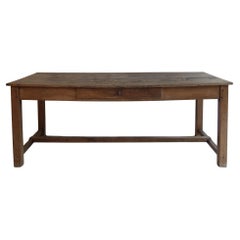
- 1
- ...
1930S Antique Furniture For Sale on 1stDibs
How Much is a 1930S Antique Furniture?
- 1stDibs ExpertNovember 26, 2024To identify 1930s furniture, first see if you can spot a maker's mark in hidden areas, such as the back, base, inside of drawers or under tabletops and seats. Trusted online resources can help you determine who produced your furniture based on these markings, and from there, you can research more to get a rough idea of how old your item is. A piece's characteristics can also be helpful when dating furniture. Many items made during the 1930s are examples of Art Deco furniture. Art Deco furniture is characterized by geometric patterns and luxurious materials, such as shagreen, marble, mother of pearl, mirrored glass, exotic animal hides and rare woods like mahogany, ebony and zebra wood. A certified appraiser or experienced antique dealer can provide an expert opinion on when your piece was likely made. On 1stDibs, explore a range of 1930s furniture.
- 1stDibs ExpertJune 30, 2023What brides wore in the 1930s varied. Some wore long flowing dresses made of satin or silk. Long sleeves were popular and designs often featured only minimal embellishments like appliqués and beading. Because many people faced difficult financial situations due to the Great Depression, brides also sometimes simply wore their best dresses on their wedding days. On 1stDibs, shop a collection of vintage wedding dresses.
- 1stDibs ExpertMay 5, 2023Yes, people had record players in the 1930s. In fact, record players began to become more common during the decade and continued to grow in popularity throughout the 1940s, 50s and 60s. Thomas Edison made the first phonograph record player in 1877. Shop a variety of record players on 1stDibs.
- 1stDibs ExpertMarch 31, 2023In the 1930s, phones typically looked like rotary telephones. They had either a round or square base with a numbered dial that spun when you dialed and a handset receiver with both an earpiece and a mouthpiece. A cord connected the handset to the base. Find a variety of rotary phones on 1stDibs.
- 1stDibs ExpertMay 14, 2024Many antique furniture brands are popular. While trends in collecting do vary over time, some makers consistently remain highly sought after. Among them are J. J.W. Meeks, John Henry Belter, R. J. Horner and Co., Stickley Furniture, George Hepplewhite, Josef Dannhauser, Thomas Chippendale and Thomas Sheridan. On 1stDibs, shop a variety of antique furniture.
- 1stDibs ExpertApril 5, 2024To know if your furniture is antique, look for labels and markings that indicate the maker. From there, you can use trusted online resources to determine when they were active and examine images to try to estimate the age of your piece. Furniture produced 100 years ago or more is antique. You can also have your furniture assessed by an appraiser or antiques dealer to learn about its age. On 1stDibs, explore a large collection of antique furniture.
- 1stDibs ExpertNovember 4, 2024To identify 1800s furniture, first check to see if your piece bears any maker's marks. Should you locate any, researching them using trusted online resources can help you determine the maker and age of your furniture. To determine if unmarked pieces date back to the 19th century, look for tool marks and variations in their carvings and ornamentation. Since 19th-century furniture was handmade, you should expect to find these signs of hand craftsmanship. A piece that shows no marks or inconsistencies in details is likely a contemporary machine-made reproduction. Familiarizing yourself with the characteristics of Rococo, Chippendale, Gothic Revival, neoclassical and other 19th-century styles can also be helpful. If you struggle to make an identification, consider consulting a certified appraiser or knowledgeable antique dealer. On 1stDibs, find a range of 19th-century furniture.
- 1stDibs ExpertFebruary 13, 2023Furniture from the 1960s is often called mid-century modern. This style emphasizes the importance of good design that looks attractive and performs its function well. Notable mid-century modern designers include Eero Saarinen, George Nelson, Florence Knoll and Charles and Ray Eames. On 1stDibs, shop a selection of mid-century modern furniture.
- What is 1950s furniture called?1 Answer1stDibs ExpertSeptember 23, 20241950s furniture is called vintage furniture. Some pieces produced during this period may be considered mid-century modern based on their characteristics. Mid-century modern design refers to the variety of modernism that rose to prominence in the 1940s and ’50s. It displays many of the characteristics of the earlier versions of modernism, including simple forms and a focus on functionality. Other traits common in mid-century modern furniture include unadorned silhouettes, clean lines and mixed materials, emphasizing wood, wool, steel and plastic. On 1stDibs, explore a large collection of 1950s furniture.
- What is 1970s furniture called?1 Answer1stDibs ExpertMarch 15, 2024What 1970s furniture is called varies. Generally, you may see pieces produced during the decade classified as "vintage" or "retro" furniture. During the 1970s, some makers continued to produce furniture that boasted the characteristics of mid-century modern works. The disco era yielded furnishings with organic, often rounded shapes, unadorned silhouettes, clean lines and a mix of materials. The showy leather furniture of the 1970s, which was both sexy and comfortable, is seeing a resurgence in today’s homes. Shop a wide variety of vintage 1970s furniture on 1stDibs.
- What is ’70s furniture called?1 Answer1stDibs ExpertSeptember 23, 2024What ’70s furniture is called depends on its style. Generally, pieces from this decade can be called vintage furniture. However, pieces with certain stylistic characteristics have other names. For example, some 1970s furniture is mid-century modern. The style, which emerged primarily in the years following World War II, was developed in an energetic, optimistic spirit by creators who believed that good design was an essential part of good living. On 1stDibs, shop a variety of 1970s furniture.
- What is 1920s furniture called?1 Answer1stDibs ExpertNovember 13, 2024What 1920s furniture is called depends on its style. However, the most prominent design style of the decade was Art Deco. The term alone conjures visions of the Roaring Twenties, Machine Age metropolises, vast ocean liners, sleek typography and Prohibition-era hedonism. The iconic movement made an indelible mark on all fields of design throughout the 1920s and ’30s, celebrating society’s growing industrialization with refined elegance and stunning craftsmanship. Art Deco furniture often featured bold geometric lines, floral forms, shimmering mirrored finishes, sleek metal accents, and the use of expensive materials such as shagreen or marble as well as exotic woods such as mahogany, ebony and zebra wood. On 1stDibs, find a diverse assortment of Art Deco furniture.
- 1stDibs ExpertMay 30, 2024To identify your antique furniture, look for an engraving, tag, label or other marking that indicates who produced it. You may find it on the bottom or back of your furniture or inside a drawer or cabinet. Once you have located the marking, you can snap a photo of it and use a reverse image search to try and identify the maker. Or, you can type a description of the mark into a search engine. Alternatively, you can use the services of a certified appraiser or antiques dealer to get assistance with identification. On 1stDibs, shop a large selection of antique furniture.
- What makes furniture an antique?1 Answer1stDibs ExpertAugust 15, 2019
A piece of furniture is considered an antique if it is at least 100 years old.
- Is antique furniture in style?1 Answer1stDibs ExpertApril 22, 2024Yes, antique furniture is in style. Many people appreciate the beauty and handcrafted character of antique furniture and love the idea of owning pieces with a rich history. Remember that style preferences are nothing if not fluid, meaning what's in one year may not be the next. So, in choosing the furniture you're planning to live with, you should pay less attention to interior design fads than to what speaks to you. That way, you can select pieces that will add long-term character to your home. On 1stDibs, find a large collection of antique furniture.
- 1stDibs ExpertFebruary 1, 2024Generally, 1960s-style furniture is called mid-century modern. The style, which emerged primarily in the years following World War II, is characterized by pieces that were conceived and made in an energetic, optimistic spirit by creators who believed that good design was an essential part of good living. Some of the most notable furniture designers of the time include Charles and Ray Eames, Arne Jacobsen, Eero Saarinen and Hans J. Wegner. On 1stDibs, shop a variety of mid-century modern furniture.
- 1stDibs ExpertNovember 4, 2024To identify antique Chinese furniture, look carefully at its details. Chinese craftsmen often built furniture using mortise and tenon joinery, eliminating the need for nails and screws. If you see this type of hardware, your piece is likely not at least 100 years old, especially if the hardware still looks new and shiny. Since antique furniture was handmade, you will normally see slight imperfections, such as tool marks or slight variations in carvings. Pieces that appear completely uniform and pristine are less often genuine antiques.
When present, maker's marks can also be helpful. Research the marks to learn more about when the maker was active and producing pieces like yours. Alternatively, you can have a certified appraiser or experienced antique dealer evaluate your furniture for you.
Shop an assortment of antique Chinese furniture. - 1stDibs ExpertOctober 5, 2021The best finish for antique furniture is a matter of liking. But film finish is recommended by experts as it leaves a thick coat of film on the wood surface which protects wood from water and scratches. Shellac or varnish and water base are commonly used film finishes. Find an exquisite collection of antique, new and vintage furniture on 1stDibs
 PAGODA REDOctober 7, 2020
To determine the age of a Chinese furniture piece, look carefully at the joinery and finish. Natural expansion and contraction of the wood over time will cause a joint to protrude or retract, distorting a once-seamless fit. Antique lacquer finishes become crackled and worn over time. Areas of exposed wood, such as the underside of a table, the footrest of a chair, or the back of a cabinet should appear raw and dry compared to the finished surface. With use, the legs of tables and chairs become weathered near the bottom from precipitation and use.
- 1stDibs ExpertAugust 29, 2024To tell how old your antique furniture is, research the maker using trusted online resources. You may find that the furniture maker was active for only a short period, giving you the ability to roughly estimate its age. For manufacturers and designers with a long history of production, consider the style of your furniture and look for images of similar pieces published online. Because it may be difficult to date furniture on your own, consider consulting a certified appraiser or knowledgeable antique dealer. On 1stDibs, explore a variety of antique furniture.