1930s Danish Sofa
Vintage 1930s Danish Mid-Century Modern Sofas
Wood
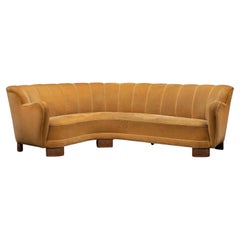

Vintage 1930s Danish Mid-Century Modern Sofas
Mahogany, Mohair
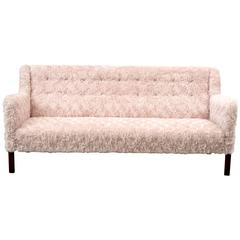
Early 20th Century Danish Art Deco Sofas
Wood
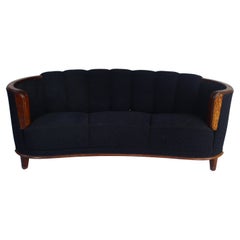
Early 20th Century Danish Sofas
Velvet
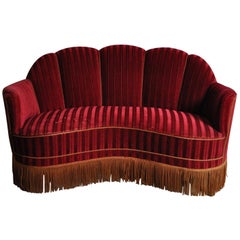
Vintage 1930s Danish Scandinavian Modern Sofas
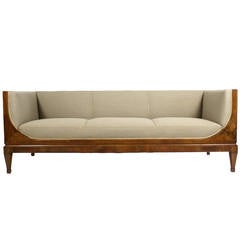
Mid-20th Century Danish Mid-Century Modern Sofas
Cotton, Beech
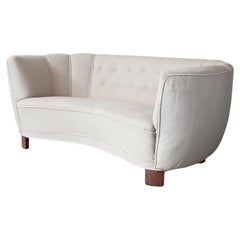
Vintage 1930s Danish Scandinavian Modern Settees
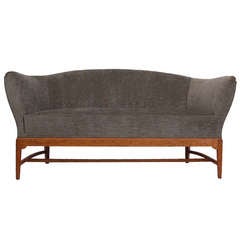
Vintage 1930s Danish Art Deco Sofas
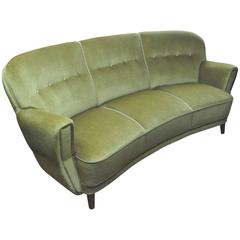
Vintage 1930s Danish Art Deco Sofas
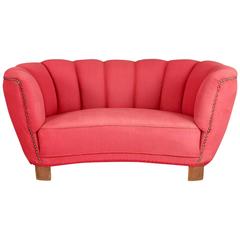
20th Century Danish Sofas
Upholstery
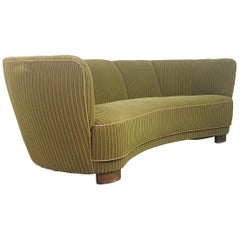
Early 20th Century Danish Art Deco Sofas
Velvet, Wood
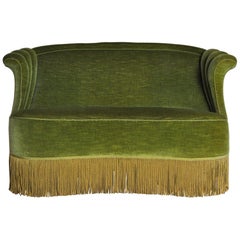
Early 20th Century Danish Art Deco Sofas
Velvet
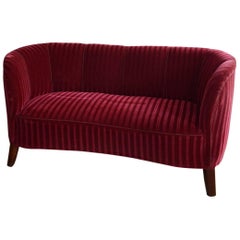
- 1
1930s Danish Sofa For Sale on 1stDibs
How Much is a 1930s Danish Sofa?
Finding the Right Sofas for You
Black leather, silk velvet cushions, breathable bouclé fabric — when shopping for antique or vintage sofas, today’s couch connoisseurs have much to choose from in terms of style and shape. But it wasn’t always thus.
The sofa is typically defined as a long upholstered seat that features a back and arms and is intended for two or more people. While the term “couch” comes from the Old French couche, meaning to lie down, and sofa has Eastern origins, both are forms of divan, a Turkish word that means an elongated cushioned seat. Bench-like seating in Ancient Greece, which was padded with soft blankets, was called klinai. No matter how you spell it, sofa just means comfort, at least it does today.
In the early days of sofa design, upholstery consisted of horsehair or dried moss. Sofas that originated in countries such as France during the 17th century were more integral to decor than they were to comfort. Like most Baroque furnishings from the region, they frequently comprised heavy, gilded mahogany frames and were upholstered in floral Beauvais tapestry. Today, options abound when it comes to style and material, with authentic leather offerings and classy steel settees. Plush, velvet chesterfields represent the platonic ideal of coziness.
Vladimir Kagan’s iconic sofa designs, such as the Crescent and the Serpentine — which, like the sectional sofas of the 1960s created by furniture makers such as Harvey Probber, are quite popular among mid-century modern furniture enthusiasts — showcase the spectrum of style available to modern consumers. Those looking to make a statement can turn to Studio 65’s lip-shaped Bocca sofa, which was inspired by the work of Salvador Dalí. Elsewhere, the furniture of the 1970s evokes an era when experimentation ruled, or at least provided a reason to break the rules. Just about every area of society felt a sudden urge to be wayward, to push boundaries — and buttons. Vintage leather sofas of that decade are characterized by a rare blending of the showy and organic.
With so many options, it’s important to explore and find the perfect furniture for your space. Paying attention to the lines of the cushions as well as the flow from the backrest into the arms is crucial to identifying a cohesive new piece for your home or office.
Fortunately, with styles from every era — and even round sofas — there’s a luxurious piece for every space. Deck out your living room with an Art Deco lounge or go retro with a nostalgic '80s design. No matter your sitting vision, the right piece is waiting for you in the expansive collection of unique sofas on 1stDibs.
- 1stDibs ExpertMay 5, 2023Yes, people had record players in the 1930s. In fact, record players began to become more common during the decade and continued to grow in popularity throughout the 1940s, 50s and 60s. Thomas Edison made the first phonograph record player in 1877. Shop a variety of record players on 1stDibs.
- 1stDibs ExpertJune 30, 2023What brides wore in the 1930s varied. Some wore long flowing dresses made of satin or silk. Long sleeves were popular and designs often featured only minimal embellishments like appliqués and beading. Because many people faced difficult financial situations due to the Great Depression, brides also sometimes simply wore their best dresses on their wedding days. On 1stDibs, shop a collection of vintage wedding dresses.
- 1stDibs ExpertNovember 26, 2024To identify 1930s furniture, first see if you can spot a maker's mark in hidden areas, such as the back, base, inside of drawers or under tabletops and seats. Trusted online resources can help you determine who produced your furniture based on these markings, and from there, you can research more to get a rough idea of how old your item is. A piece's characteristics can also be helpful when dating furniture. Many items made during the 1930s are examples of Art Deco furniture. Art Deco furniture is characterized by geometric patterns and luxurious materials, such as shagreen, marble, mother of pearl, mirrored glass, exotic animal hides and rare woods like mahogany, ebony and zebra wood. A certified appraiser or experienced antique dealer can provide an expert opinion on when your piece was likely made. On 1stDibs, explore a range of 1930s furniture.
- 1stDibs ExpertMarch 31, 2023In the 1930s, phones typically looked like rotary telephones. They had either a round or square base with a numbered dial that spun when you dialed and a handset receiver with both an earpiece and a mouthpiece. A cord connected the handset to the base. Find a variety of rotary phones on 1stDibs.
Read More
All the Furniture in This Organic Modern Soho Loft Can Be Yours
Andrianna Shamaris has filled her epic new home with pieces of her own design.
20 Inviting Dining Rooms Perfectly Arranged for Entertaining
Top interior designers show — and tell — us how to create delectable spaces for hosting dinner parties.
Nobody Puts This Sunny Sofa in a Corner
With its plush cushions, cane details and dazzlingly colorful back, it’s inviting from every angle.
The 21 Most Popular Mid-Century Modern Chairs
You know the designs, now get the stories about how they came to be.
Fred Rigby’s Modular Seating Can Be Configured in So Many Handy Ways
The plush Cove Slipper 2.5 Seater sofa is just one of many convenient combinations from the London-based maker.
This Chubby-Chic Quilted Stool Stands on Its Own Two Feet
Sam Klemick's cool stool is edgy, cozy and environmentally sustainable all at once.
Is Lionel Jadot the Willy Wonka of Upcycled Belgian Design?
From his massive collaborative workshop in a former paper factory, the designer concocts funky furniture from disused materials, as well as luxe hotel interiors like the new Mix Brussels.
Rock Your Cares Away on This Sunny Hand-Crocheted Swing
The boho-chic Enchanted Forest Swing, handmade by marginalized women from Turkey and Syria, is uplifting in every way.