1950s French Provincial
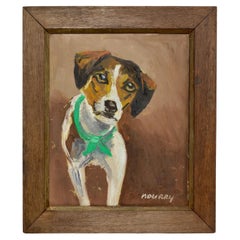
Mid-20th Century French French Provincial Paintings
Wood
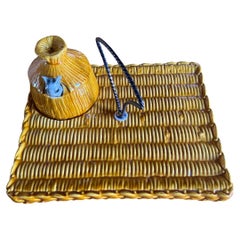
Vintage 1950s French French Provincial Platters and Serveware
Ceramic, Majolica
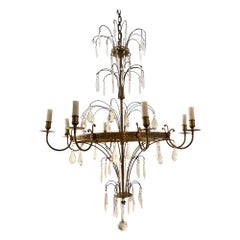
Vintage 1950s French French Provincial Chandeliers and Pendants
Crystal, Metal
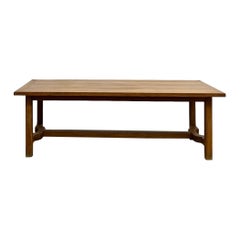
Vintage 1950s French French Provincial Farm Tables
Oak
Vintage 1950s French French Provincial Side Tables
Steel
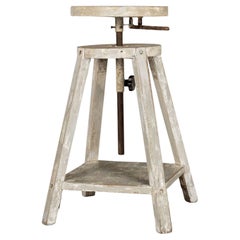
Vintage 1950s French French Provincial Farm Tables
Pine
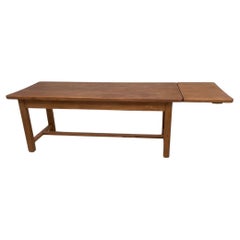

Vintage 1950s French French Provincial Farm Tables
Walnut
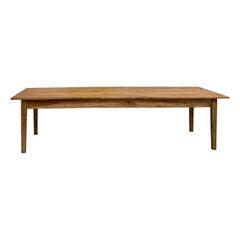
Vintage 1950s French French Provincial Side Tables
Hardwood, Oak
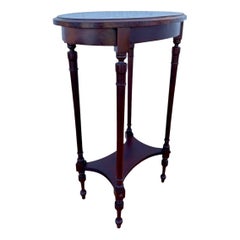
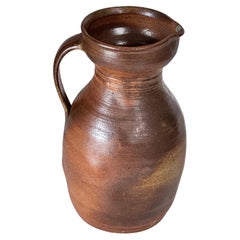
Vintage 1950s French French Provincial Pitchers
Stoneware
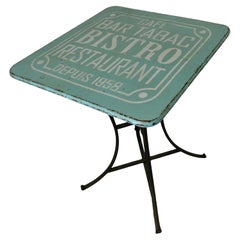
Vintage 1950s French Provincial Industrial and Work Tables
Enamel
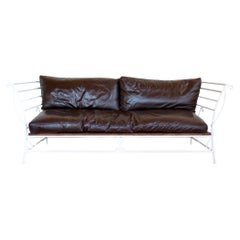
Mid-20th Century French French Provincial Sofas
Wrought Iron
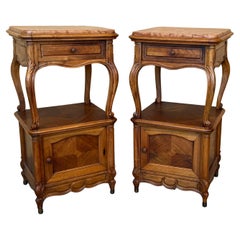
Early 20th Century French French Provincial Night Stands
Wood
Vintage 1950s French French Provincial Chandeliers and Pendants
Wrought Iron
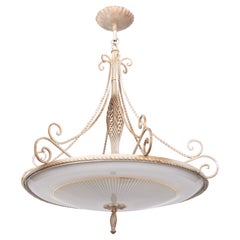
Vintage 1950s French French Provincial Table Lamps
Marble
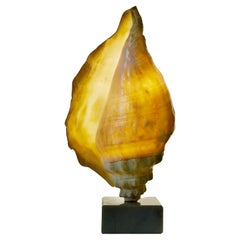
Mid-20th Century French French Provincial Night Stands
Wood
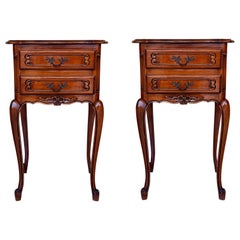
Vintage 1950s French French Provincial Ceramics
Ceramic
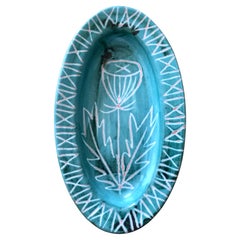
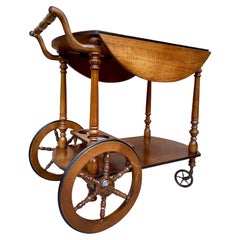
Mid-20th Century French French Provincial Carts and Bar Carts
Walnut
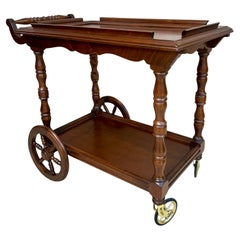
Mid-20th Century French French Provincial Carts and Bar Carts
Wood
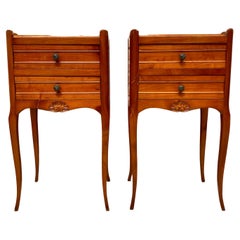
Mid-20th Century French French Provincial Night Stands
Wood
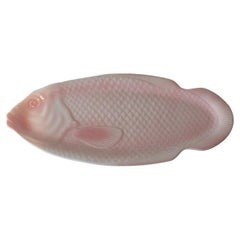
Mid-20th Century French French Provincial Platters and Serveware
Ceramic
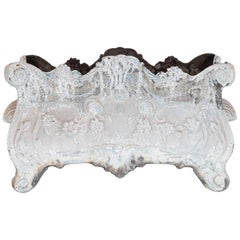
Vintage 1950s French French Provincial Planters, Cachepots and Jardinières
Iron
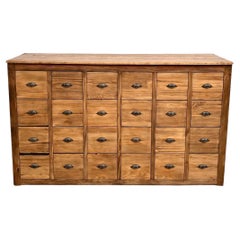
Vintage 1950s French French Provincial Credenzas
Pine
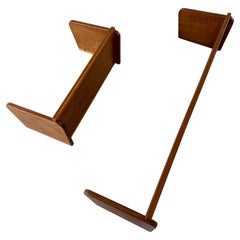
Vintage 1950s French French Provincial Shelves and Wall Cabinets
Oak
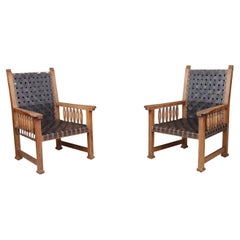
Mid-20th Century French French Provincial Armchairs
Leather, Oak
Vintage 1950s Mid-Century Modern Table Mirrors
Glass

Vintage 1950s French French Provincial Farm Tables
Pine
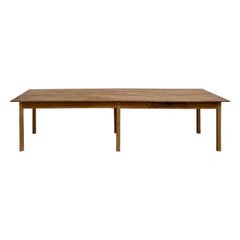
Vintage 1950s French French Provincial Ceramics
Wrought Iron
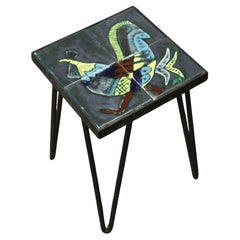
Vintage 1950s French Provincial Ceramics
Ceramic
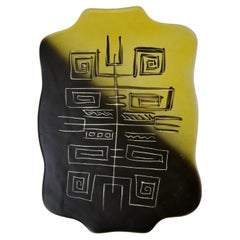
Mid-20th Century French French Provincial Night Stands
Walnut
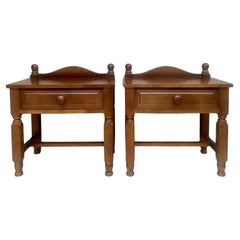
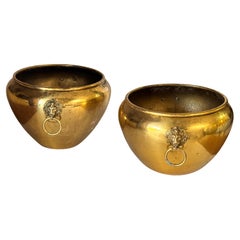
Vintage 1950s French French Provincial Planters, Cachepots and Jardinières
Brass
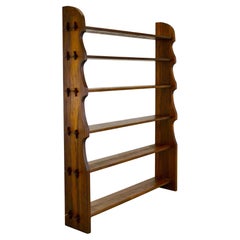
Mid-20th Century French French Provincial Bookcases
Wood
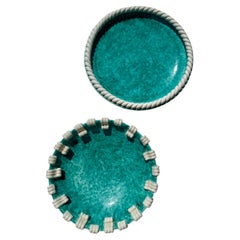
Mid-20th Century French French Provincial Decorative Dishes and Vide-Poche
Ceramic
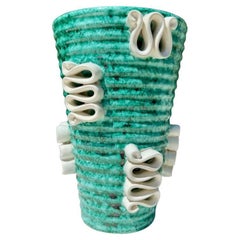
Mid-20th Century French French Provincial Vases
Ceramic
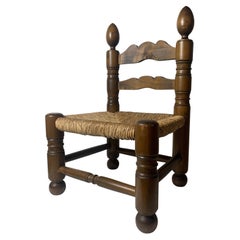
Vintage 1950s French French Provincial Side Chairs
Oak
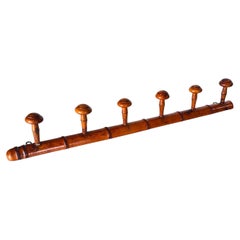
Vintage 1950s French French Provincial Coat Racks and Stands
Faux Bamboo
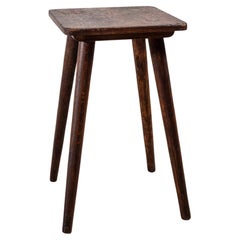
Vintage 1950s Belgian French Provincial Stools
Oak
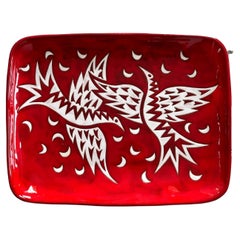
Vintage 1950s French French Provincial Ceramics
Ceramic
Mid-20th Century French French Provincial Decorative Bowls
Brass
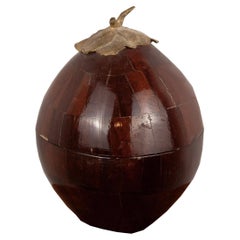
Vintage 1950s French French Provincial Platters and Serveware
Ceramic
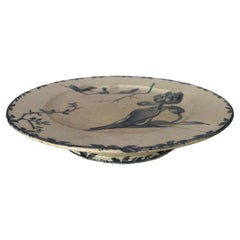
Vintage 1950s French French Provincial Chairs
Wicker, Wood
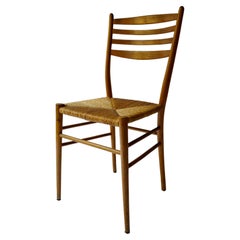
Mid-20th Century French French Provincial Side Tables
Walnut
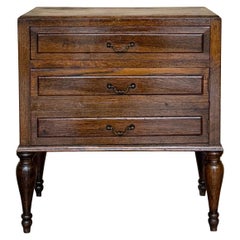
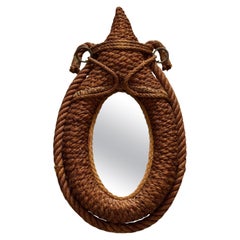
Mid-20th Century French French Provincial Wall Mirrors
Rope, Mirror
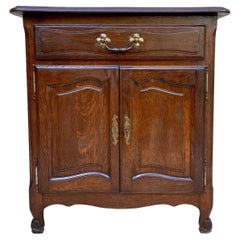
Mid-20th Century French French Provincial Side Tables
Walnut
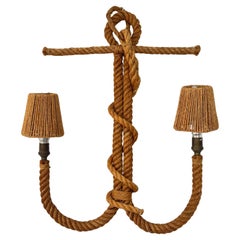
Mid-20th Century French French Provincial Wall Lights and Sconces
Hemp, Rope
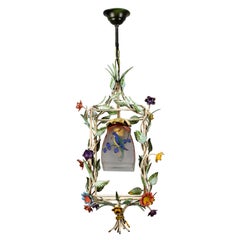
Vintage 1950s French French Provincial Chandeliers and Pendants
Metal
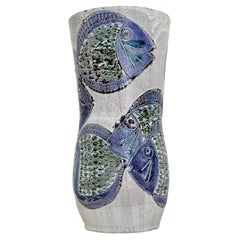
Vintage 1950s French French Provincial Vases
Enamel
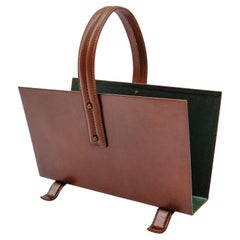
Vintage 1950s French French Provincial Magazine Racks and Stands
Leather
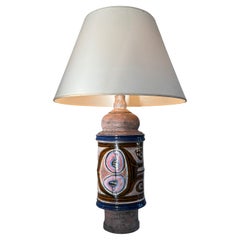
Vintage 1950s French French Provincial Table Lamps
Ceramic
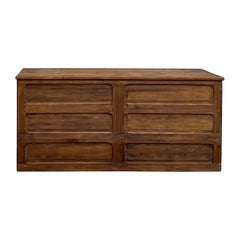
Vintage 1950s French French Provincial Credenzas
Pine
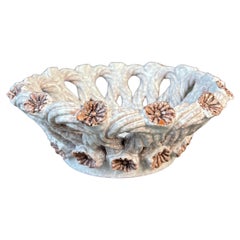
Mid-20th Century Italian French Provincial Decorative Bowls
Ceramic, Pottery
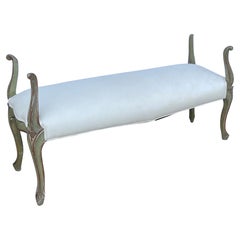
Mid-20th Century Italian French Provincial Benches
Upholstery, Poplar
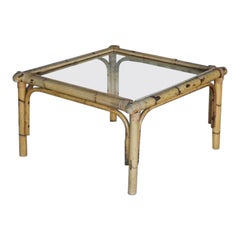
20th Century French French Provincial Coffee and Cocktail Tables
Glass
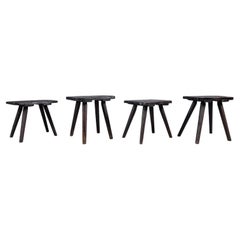
Vintage 1950s European French Provincial Stools
Wood
20th Century French French Provincial Chairs
Leather, Wood
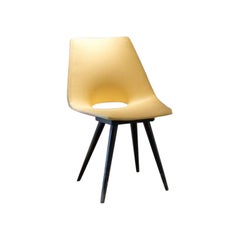
Vintage 1950s French French Provincial Benches
Pine
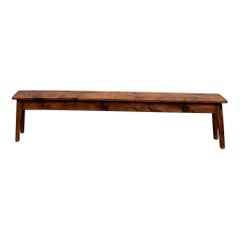
Mid-20th Century European French Provincial Vases
Ceramic
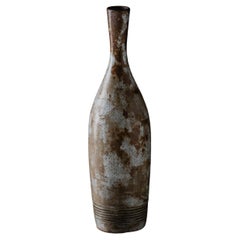
Mid-20th Century French French Provincial Table Lamps
Ceramic
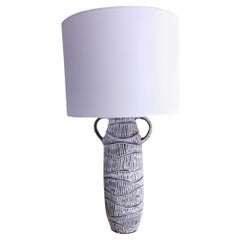
- 1
1950s French Provincial For Sale on 1stDibs
How Much is a 1950s French Provincial?
A Close Look at French-provincial Furniture
Removed from the fashions of the court, French Provincial style developed in the provinces of the country, such as Provence, Normandy, the Loire Valley and Bordeaux. Dating to the 17th and 18th centuries, French Provincial furniture was not as ostentatious as the designs being produced for the royal palaces, but elegant S-shape cabriole legs and ornate carvings elevated the sturdy chairs, sofas, tables and bedroom furniture intended for everyday use.
Although it varies by region, antique French Provincial furniture is unified by solid construction and an artisanal attention to design. While this furniture often followed the metropolitan trends — including the Rococo or neoclassical aesthetics of Louis XIV, Louis XV and Louis XVI — since it was produced in the French countryside it was more subdued with nods to its rustic settings.
Local materials like fruitwoods, oak, beech and walnut were used to construct large French Provincial armoires for storage and comfortable armchairs with rush-woven seats. Wrought-iron elements and carvings like floral details and scallop patterns were common as ornamentation. Furniture was frequently painted white or other muted colors that coordinated with gilt and would acquire a patina of age over time. Other wood was just stained with vibrant fabric such as toile de Jouy, which sometimes depicted pastoral scenes, adding color as upholstery.
The style arrived in the United States after World War I, with soldiers returning home wanting furniture like what they had seen in the rural homes and castles of France. In Grand Rapids, Michigan, designer John Widdicomb split from his family business, the Widdicomb Furniture Company, and had been focusing on Louis XV– and French Provincial–style furnishings since the early 1900s. Other American manufacturers such as Baker, Drexel, Henredon and Thomasville also responded to demand. Today antique French Provincial pieces and reproductions continue to be popular.
Find a collection of antique French Provincial dining tables, seating, decorative objects and other furniture on 1stDibs.
- 1stDibs ExpertMarch 22, 2022To know if your French furniture is provincial, examine its decorative flourishes. Provincial furniture often showed off a white painted finish with gold gilt accents. Many pieces feature carvings depicting mythological subjects or floral motifs. On 1stDibs, find a collection of expertly vetted French provincial furniture.
- What is 1950s furniture called?1 Answer1stDibs ExpertSeptember 23, 20241950s furniture is called vintage furniture. Some pieces produced during this period may be considered mid-century modern based on their characteristics. Mid-century modern design refers to the variety of modernism that rose to prominence in the 1940s and ’50s. It displays many of the characteristics of the earlier versions of modernism, including simple forms and a focus on functionality. Other traits common in mid-century modern furniture include unadorned silhouettes, clean lines and mixed materials, emphasizing wood, wool, steel and plastic. On 1stDibs, explore a large collection of 1950s furniture.
- 1stDibs ExpertApril 5, 2022Yes. While the gem has always been a mainstay in jewelry, there was a boom in demand for pearl pieces in the 1950s. The style at the time was black-and-white-chic, and pearls were an excellent accompaniment to pieces like the classic little black dress. Shop a collection of expertly vetted pearl jewelry from some of the world’s top sellers on 1stDibs.
- 1stDibs ExpertJune 30, 2023Some popular watches for men during the 1950s were the Rolex Submariner, the Enicar Sherpa Dive, the Breitling Navitimer, Omega, Constellation and the Rolex GMT-Master. Rolex, Timex, Orvin, Tower and Elgin were among the top watchmakers for women during the decade. On 1stDibs, find a collection of antique, vintage and contemporary watches.
- 1stDibs ExpertFebruary 21, 2024The clothing style in the 1950s was well tailored and classic. For women, dresses with padded busts, cinched waists and hips, and full circle skirts were popular, and the collared button-up shirt dress came into fashion during the decade. Men tended to wear suits in neutral gray, dark blue and brown colors made out of easy-to-care-for synthetic fabrics. Straight-cut double-breasted blazers were commonly worn for casual occasions. On 1stDibs, explore a variety of vintage clothing from the 1950s.
- 1stDibs ExpertNovember 21, 2023In the 1950s, several diamond cuts were popular. They included the brilliant round cut, the Asscher cut, the emerald cut and the marquise cut. Rings that featured a large central stone flanked by smaller baguettes were also trendy during the decade. Find a collection of vintage diamond jewelry on 1stDibs.
- 1stDibs ExpertNovember 27, 2023In the 1950s, a Chanel bag was priced between $200 and $300. The iconic Chanel 2.55 bag cost $220 when first introduced in February 1955. Accounting for inflation, that works out to around $2,536 in today's money. On 1stDibs, find a diverse assortment of Chanel bags from some of the world's top boutiques.
- 1stDibs ExpertNovember 6, 2023There were a few popular diamond cuts in the 1950s. One was the brilliant round cut, which is still common today due to its simple shape and prominent sparkle. Other favorite cuts of the decade included the Asscher cut, the emerald cut and the marquise cut. On 1stDibs, explore a large selection of engagement rings.
- 1stDibs ExpertNovember 13, 2024The best-known 1950s furniture style is called mid-century modern. Organically shaped, clean-lined and elegantly simple are three phrases that describe vintage mid-century modern furniture. The style emerged primarily in the years following World War II through creators who believed that good design was an essential part of good living. Mid-century modern designers combined natural and human-made materials, such as teak, rosewood and oak woods as well as steel, fiberglass and molded plywood. Some well-known mid-century modern designers include Charles and Ray Eames, Eero Saarinen, Milo Baughman, Florence Knoll, Harry Bertoia, Isamu Noguchi and George Nelson. On 1stDibs, shop a large selection of mid-century modern furniture.
- Which artist became famous for his series of black paintings in the late 1950s and early 1960s?1 Answer1stDibs ExpertJanuary 27, 2025Frank Stella is the artist who became famous for his series of black paintings in the late 1950s and early 1960s. These works featured bands of black paint separated by thin, precise stripes of bare canvas. At a time when contemporary painting was all about wild gestures, thick paint and formal abandon, the “Black Paintings” created a sensation. Explore a range of Frank Stella art on 1stDibs.