1960s French Tapestry
Vintage 1960s French Mid-Century Modern Tapestries
Wool
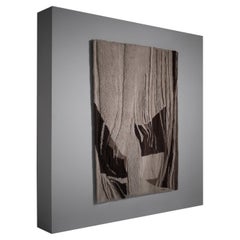

Vintage 1960s French Mid-Century Modern Tapestries
Wool
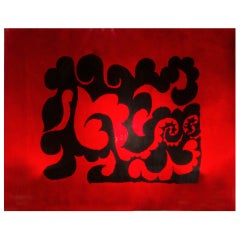
Vintage 1960s French Mid-Century Modern Tapestries
Wool
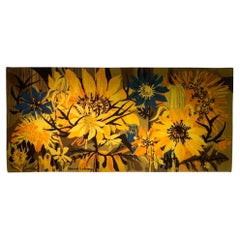
Vintage 1960s French Tapestries
Wool
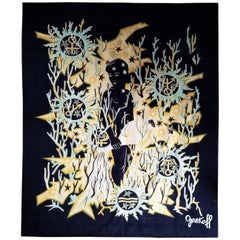
Vintage 1960s French Tapestries
Wool
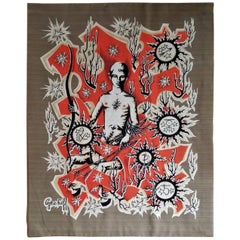
Vintage 1960s French Renaissance Tapestries
Metal
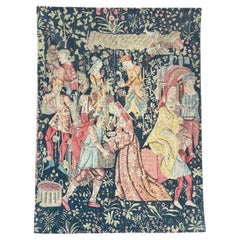
Vintage 1960s French Mid-Century Modern Tapestries
Silk
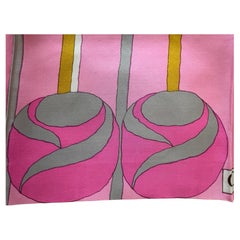
Vintage 1960s French Modern Tapestries
Wool
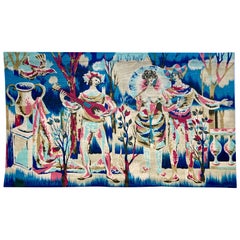
Vintage 1960s French Minimalist Tapestries
Wool
Late 20th Century French Western European Rugs
Wool
1960s French Evening Bags and Minaudières
Vintage 1960s French Western European Rugs
Wool, Cotton
Mid-20th Century French Mid-Century Modern Western European Rugs
Wool

Mid-20th Century French Mid-Century Modern Contemporary Art
Wool
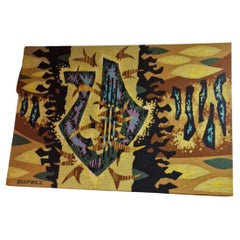
Recent Sales
Vintage 1960s French Mid-Century Modern Tapestries
Wool
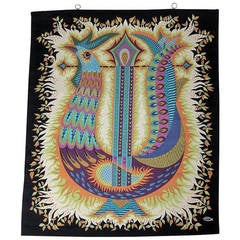
Mid-20th Century French Tapestries
Wool
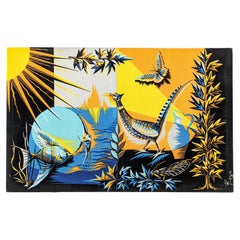
Vintage 1960s French Tapestries
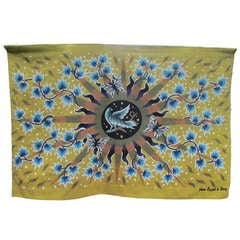
Vintage 1960s French Cuff Bracelets
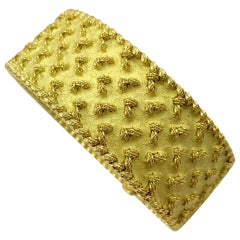
Vintage 1960s French Mid-Century Modern Tapestries
Wool
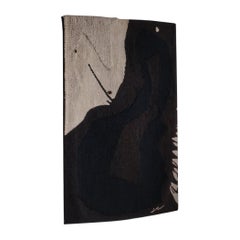
Vintage 1960s French Mid-Century Modern Tapestries
Cotton
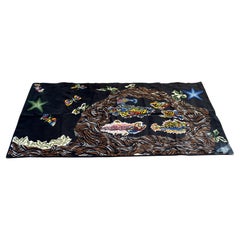
Vintage 1960s French Mid-Century Modern Tapestries
Wool
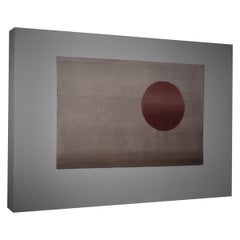
Vintage 1960s French Mid-Century Modern Tapestries
Wool, Cotton, Wood
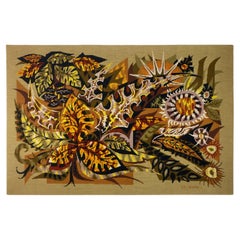
Mid-20th Century French Mid-Century Modern Tapestries
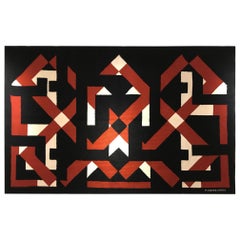
Mid-20th Century French Mid-Century Modern Tapestries
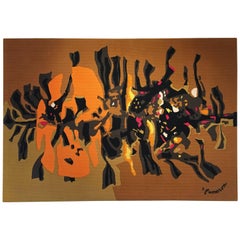
Vintage 1960s French Tapestries
Cotton
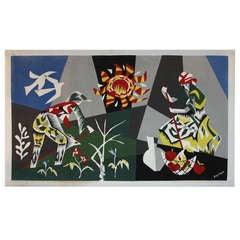
Vintage 1960s French Mid-Century Modern Tapestries
Jute, Natural Fiber, Rattan
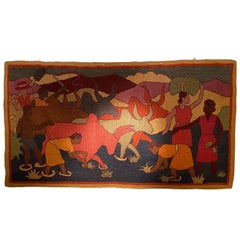
Mid-20th Century French Mid-Century Modern Tapestries
Cotton
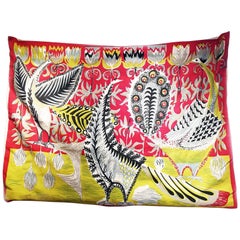
Vintage 1960s French Mid-Century Modern Tapestries
Wool
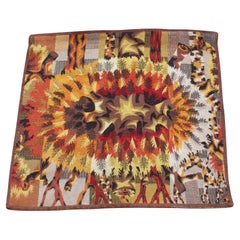
Vintage 1960s French Mid-Century Modern Tapestries
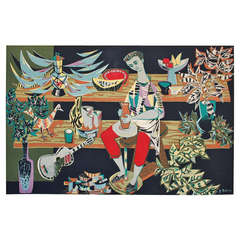
Vintage 1960s French Textiles
Tapestry
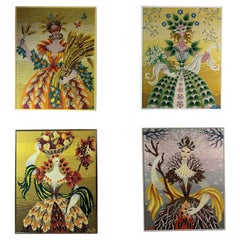
1960s French Day Dresses
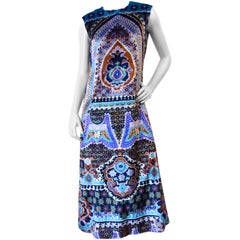
20th Century French Mid-Century Modern Tapestries
Tapestry

Vintage 1960s European Mid-Century Modern Tapestries
Tapestry
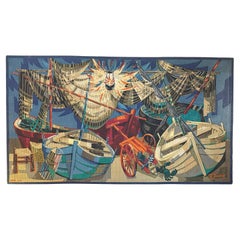
Vintage 1960s French Mid-Century Modern Tapestries
Wool
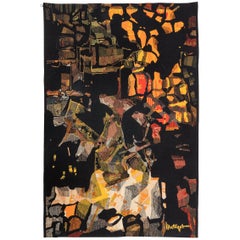
Vintage 1970s French Mid-Century Modern Tapestries
Wool, Cotton, Rope
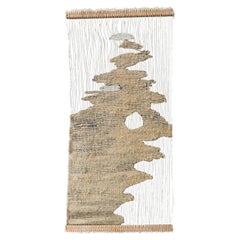
Mid-20th Century French Mid-Century Modern Tapestries
Wool
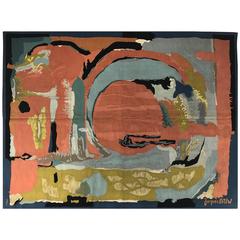
Vintage 1960s French Modern Tapestries
Wool
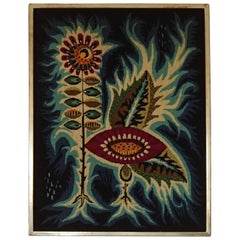
Vintage 1960s French Mid-Century Modern Tapestries
Wool
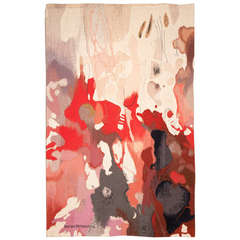
Vintage 1960s French Tapestries
Wool
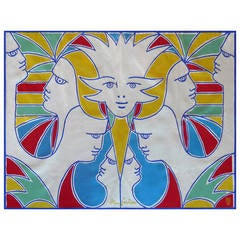
Vintage 1960s French Mid-Century Modern Tapestries
Wool
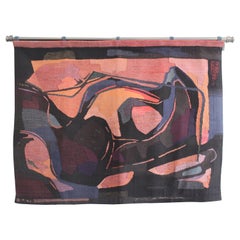
Vintage 1960s French Mid-Century Modern Tapestries
Wool
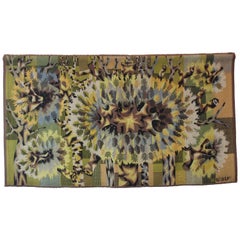
Vintage 1960s French Organic Modern Tapestries
Wool
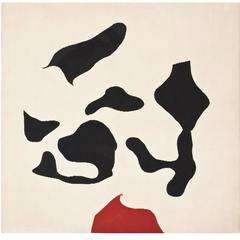
Mid-20th Century French Tapestries
Wool
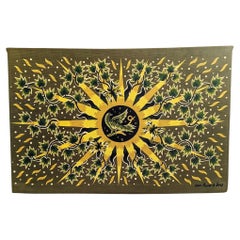
Vintage 1960s French Tapestries
Fabric, Wood
People Also Browsed
Vintage 1960s American Hollywood Regency Secretaires
Metal, Brass
2010s Italian Minimalist Screens and Room Dividers
Mirror
2010s More Carpets
Zebra Hide, Velvet
20th Century English Country Sofas
Upholstery, Beech, Oak
Vintage 1960s Chandeliers and Pendants
Brass
Vintage 1960s Moroccan Lanterns
Brass
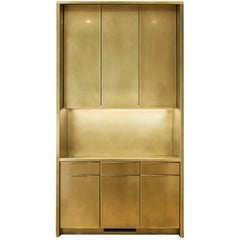
2010s American Modern Cabinets
Brass
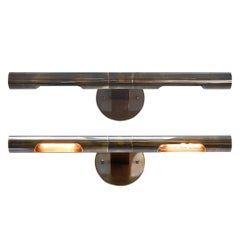
21st Century and Contemporary American Mid-Century Modern Wall Lights an...
Brass
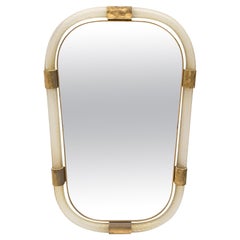
2010s Italian Mid-Century Modern Wall Mirrors
Brass
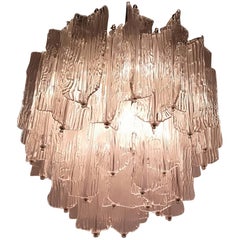
Vintage 1950s Italian Other Chandeliers and Pendants
Glass
1980s Contemporary Abstract Prints
Lithograph
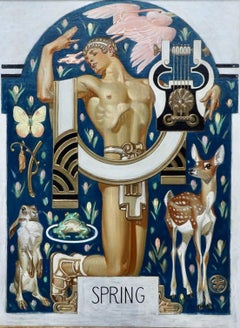
1920s Figurative Paintings
Canvas, Oil
2010s Italian Modern Wall Lights and Sconces
Brass
2010s Austrian Jugendstil Chandeliers and Pendants
Silk
Vintage 1960s American Mid-Century Modern Cabinets
Brass, Copper, Steel
Mid-20th Century Austrian Mid-Century Modern Wall Lights and Sconces
Metal, Brass
1960s French Tapestry For Sale on 1stDibs
How Much is a 1960s French Tapestry?
Finding the Right Tapestry for You
Whether you hang them behind your bed as a dazzling alternative to a headboard or over the sofa as a large-scale focal point in the living room, vintage tapestries can introduce an array of textures and colors to any space in your home.
Woven wall hangings haven’t consistently enjoyed the popularity or earned the highbrow status that other types of wall decorations have over the years, at least not since the 1970s, which was somewhat of a heyday for tapestries. Today, however, these tactile works of art are seeing a renaissance, as modern weavers are forging new paths in the medium while the demand for antique and vintage tapestries continues to grow.
“We are drawn to texture in environments, and we see tapestries as a subtle layer of soft ornament,” says Lauren Larson of the New York design duo Material Lust. Indeed, and a lot of opportunity comes along when decorating with this distinctive brand of soft ornament.
Think of wall hangings as paintings created by hand with fabric instead of oil or watercolors. If you’re not simply securing your treasure to a wall with nails, pushpins or Velcro, tapestries can be stretched over a frame, used to create a canopy in a cozy living-room corner, hung from a rod or placed inside a shadowbox. And because this kind of textile art is hundreds of years old, options abound with respect to subjects and designs.
For richly detailed depictions of landscapes and garden scenes, look to antique Chinese tapestries and Japanese tapestries. Aubusson tapestries are ornate wall hangings manufactured in central France that are also characterized by romantic portrayals of nature. For weavers of mid-century modern tapestries, as well as those working in textile arts today, the styles and subject matter are too numerous to mention, with artists exploring experimental shapes, bold colors and provocative abstract designs.
Antique, new and vintage tapestries can make a room feel warm and welcoming — find yours on 1stDibs now.
- Were there watches in the 1960s?1 Answer1stDibs ExpertFebruary 13, 2023Yes, there were watches in the 1960s. The first recorded wristwatch dates back to 1868, when Patek Philippe, a watchmaker founded in Geneva in 1839 by Polish expats Antoni Patek and Franciszek Czapek, designed a timepiece for Countess Koscowicz of Hungary. Shop a collection of vintage watches from some of the world’s top sellers on 1stDibs.
- What is a caftan from the 1960s?1 Answer1stDibs ExpertFebruary 13, 2023A caftan from the 1960s or any other era refers to a long ankle-length variation on a robe or a tunic. Caftans, which are sometimes referred to as kaftans, feature full sleeves and usually have a deep, open neck. While these garments can be made from any fabric, most caftans are made of wool, silk or cotton. Find a selection of caftans from top fashion boutiques around the world on 1stDibs.
- What was worn in the 1960s?1 Answer1stDibs ExpertFebruary 22, 2021Fashion in the 1960s progressed toward a more casual look for men and for women during the decade. For women, the skirt suits of the 1950s prevailed during the early ‘60s and eventually miniskirts came along. Late-1960s fashion included ponchos, peace signs, chain belts, puffed “bubble” sleeves, frayed bell-bottom jeans for men and women, tie-dyed shirts, work shirts, sandals, headbands and moccasins.
- What did men wear in the 1960s?1 Answer1stDibs ExpertApril 26, 2024What men wore in the 1960s varied over the course of the decade. At the start of the ’60s, when the Mod style was all the rage, men often sported boxy Italian-style suits with tight-fitting trousers for work and dressier occasions and polo shirts and turtlenecks paired with fitted trousers for casual dress. As the decade progressed, the Peacock Revolution occurred, with menswear becoming flashier with bright colors and bold prints. Fedoras and trilby hats were common in the early ’60s, but by the start of the 1970s, hats for men were much less common, marking a major departure from the style conventions of the 1930s, ’40s and ’50s. Explore an assortment of 1960s men's apparel and accessories on 1stDibs.
- 1stDibs ExpertFebruary 13, 2023Furniture from the 1960s is often called mid-century modern. This style emphasizes the importance of good design that looks attractive and performs its function well. Notable mid-century modern designers include Eero Saarinen, George Nelson, Florence Knoll and Charles and Ray Eames. On 1stDibs, shop a selection of mid-century modern furniture.
- 1stDibs ExpertFebruary 21, 2024The dresses they wore in the 1960s varied depending on the time of day and the occasion. For everyday wear, many women opted for simply tailored frocks called shift dresses. They often featured bold geometric prints in eye-catching colors. In the evening, women tended to opt for gowns with plunging necklines, fitted waists and flowing full skirts. On 1stDibs, shop a diverse assortment of vintage dresses from the 1960s.
- 1stDibs ExpertApril 5, 2022To tell if a dress is from the 1960s or 1970s, first look for a label. You may be able to determine the approximate date of the dress simply by researching the designer using reputable online sources. Also, check the zippers. Dresses from the 1960s will usually have metal or nylon zippers. Ones from the 1970s are more likely to be plastic. You'll find a large selection of vintage dresses on 1stDibs.
- 1stDibs ExpertApril 5, 2022Go-go boots were fashionable in the late 1960s through the 1970s. A calf-length to knee-length boot became synonymous with 1960s and 1970s fashion and is still highly coveted today by fashion enthusiasts. Shop a wide range of vintage go-go boots on 1stDibs.
- 1stDibs ExpertFebruary 21, 2024Who the most famous fashion designer of the 1960s was is open to debate. Many designers helped define the looks of the decade, each influencing style in their own way. Among these notable designers were Mary Quant, André Courrèges, Pierre Cardin, Yves Saint Laurent, Bonnie Cashin, Hubert de Givenchy, Emilio Pucci, Paco Rabanne and Ossie Clark. On 1stDibs, shop a variety of vintage apparel and accessories from the 1960s.
- 1stDibs ExpertFebruary 1, 2024Generally, 1960s-style furniture is called mid-century modern. The style, which emerged primarily in the years following World War II, is characterized by pieces that were conceived and made in an energetic, optimistic spirit by creators who believed that good design was an essential part of good living. Some of the most notable furniture designers of the time include Charles and Ray Eames, Arne Jacobsen, Eero Saarinen and Hans J. Wegner. On 1stDibs, shop a variety of mid-century modern furniture.
- 1stDibs ExpertSeptember 27, 2024What the dress style was called in the 1960s varied, as there were several types of dresses that were fashionable during the decade. At the start of the 1960s, many women wore swing dresses featuring fitted bodices and full skirts. Collared, button-up belted dresses called shirtwaist dresses were also popular, as were loose-fitting, flowy shift dresses. By the late 1960s, new styles emerged, such as flared, flowing tent dresses, sleeveless jumpers usually styled over sweaters and blouses and drop-waist dresses, which had their waist seams at the hips rather than the natural waist. Find a variety of 1960s dresses and other vintage dresses on 1stDibs.
- Which artist became famous for his series of black paintings in the late 1950s and early 1960s?1 Answer1stDibs ExpertJanuary 27, 2025Frank Stella is the artist who became famous for his series of black paintings in the late 1950s and early 1960s. These works featured bands of black paint separated by thin, precise stripes of bare canvas. At a time when contemporary painting was all about wild gestures, thick paint and formal abandon, the “Black Paintings” created a sensation. Explore a range of Frank Stella art on 1stDibs.
Read More
Punk Rock and Rebellion Animate London’s Hit Yoshitomo Nara Show
The exhibition includes his portraits of wide-eyed kids with mayhem on their minds, as well as some of the artist’s personal belongings.
Whether Painted or Papered, Muraled Walls Make Bold Statements in the Home
The ancient practice of covering walls in artistic scenery is back.
In Francks Deceus’s ‘Mumbo Jumbo #5,’ the Black Experience Is . . . Complicated
Despite the obstacles, the piece’s protagonist navigates the chaos without losing his humanity.
12 Floral-Accented Rooms with a Handmade, Folkloric Feel
Who needs a flower garden? Just use your imagination — and some beautifully patterned wallpaper or fabric — to bring the outdoors in.
This Wolf Kahn Pastel Is the Epitome of Beauty at Its Most Essential
A longtime admirer of Kahn’s work, 1stDibs editorial director Anthony Barzilay Freund explores why it’s relevant now more than ever.
Why Jules Chéret Was the King of the Modern Poster
The streets of fin-de-siècle Paris were set aglow with colorful poster ads, thanks to the printing techniques invented by Jules Chéret. Now, the Milwaukee Art Museum is celebrating this undersung talent in America's first solo show dedicated his exuberant works.
Anna Condo’s Multifaceted Career Spans Film, Photography and NFTs
From her historic Manhattan townhouse, the talented creator and curator of 1stDibs' latest NFT exhibition tells us about the art in her home and how she got involved with cryptoart.
How Keith Rivers Went from NFL Linebacker to Blue-Chip Art Aficionado
The former football player is as serious about becoming a great contemporary-art patron as he once was about making tackles. Here, Rivers tells us how he got the collecting bug and how his tastes have evolved over the years.