1960s Oil Painting
1960s Modern Abstract Paintings
Canvas, Oil
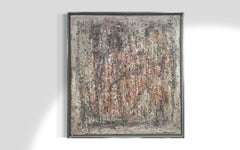
Vintage 1960s American Mid-Century Modern Paintings
Canvas
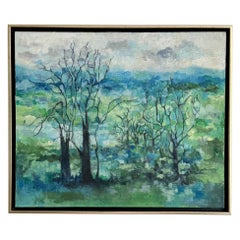
Mid-20th Century Post-Impressionist Landscape Paintings
Oil, Canvas
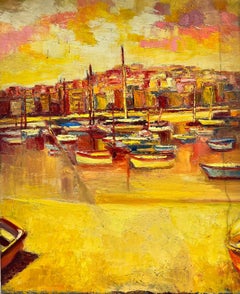
Mid-20th Century Modern Animal Paintings
Oil Crayon

Mid-20th Century Post-Impressionist Landscape Paintings
Canvas, Oil
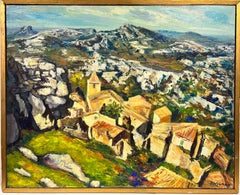
1960s Modern Abstract Paintings
Canvas, Oil
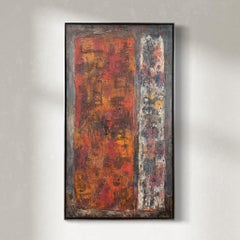
Mid-20th Century Modern Animal Paintings
Oil Crayon
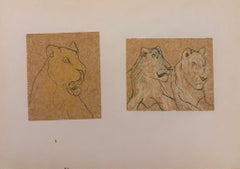
Mid-20th Century Modern Animal Paintings
Oil Crayon

Mid-20th Century Modern Animal Paintings
Oil Crayon
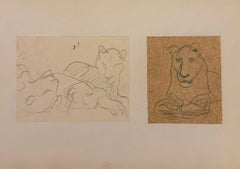
Mid-20th Century Modern Animal Paintings
Oil Crayon

Mid-20th Century Modern Animal Paintings
Oil Crayon
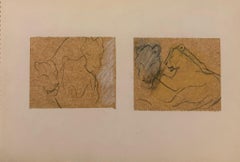
Mid-20th Century Modern Animal Paintings
Oil Crayon
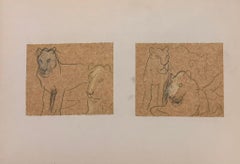
Mid-20th Century Modern Animal Paintings
Oil Crayon
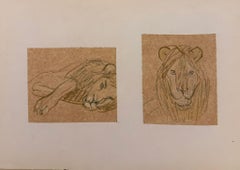
Late 20th Century English School Figurative Paintings
Canvas, Cotton Canvas, Acrylic, Oil
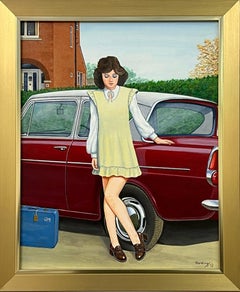
Late 20th Century English School Figurative Paintings
Canvas, Cotton Canvas, Oil, Acrylic
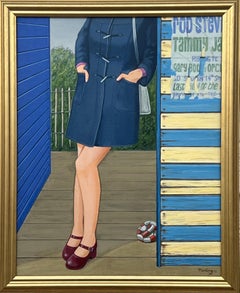

Mid-20th Century French Mid-Century Modern Paintings
Canvas, Wood, Paint
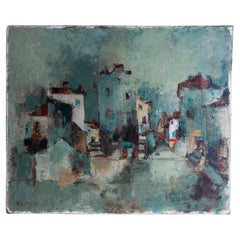
1960s Portrait Paintings
Oil
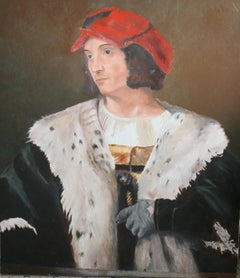
1960s Modern Abstract Paintings
Gold Leaf
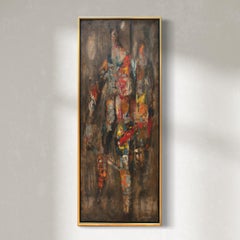
20th Century Abstract Paintings
Board
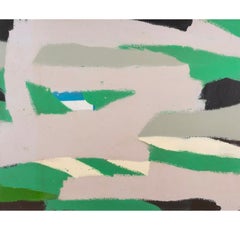
1950s Modern Abstract Paintings
Canvas, Oil
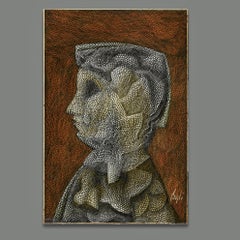
1960s Impressionist Figurative Paintings
Oil, Canvas
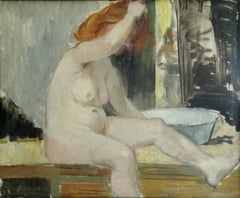
Mid-20th Century Modern Animal Paintings
Oil Crayon
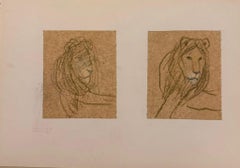
Mid-20th Century Modern Portrait Paintings
Oil
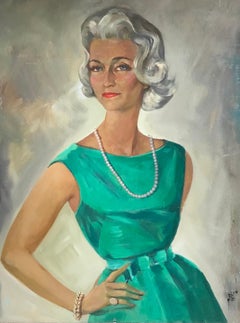
Late 20th Century English School Figurative Paintings
Canvas, Cotton Canvas, Oil, Acrylic
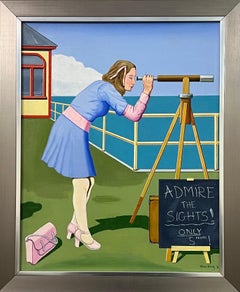
Late 20th Century English School Figurative Paintings
Canvas, Cotton Canvas, Oil, Acrylic
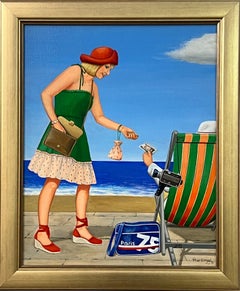
Late 20th Century English School Figurative Paintings
Canvas, Cotton Canvas, Oil, Acrylic
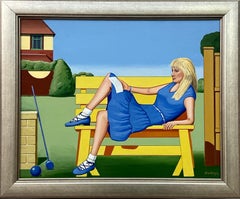
1960s Modern Abstract Paintings
Canvas, Oil
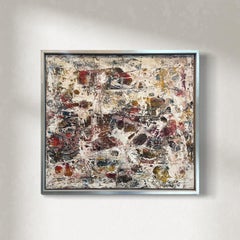
1960s Modern Abstract Paintings
Canvas, Oil
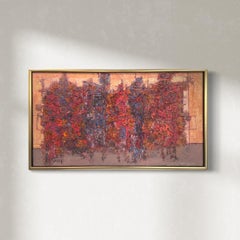
Mid-20th Century Impressionist Abstract Paintings
Oil

Mid-20th Century Impressionist Abstract Paintings
Oil

1960s Modern Abstract Paintings
Lacquer, Oil, Board
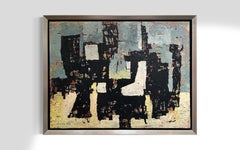
1960s Modern Abstract Paintings
Oil, Canvas
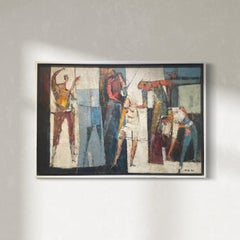
1960s Contemporary Figurative Paintings
Canvas, Oil
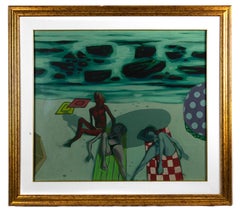
Mid-20th Century Impressionist Landscape Paintings
Oil
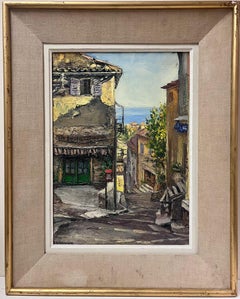
Mid-20th Century French French Provincial Paintings
Paint
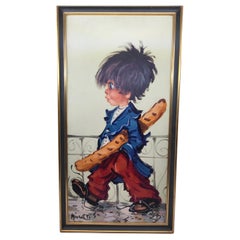
Mid-20th Century Abstract Expressionist Figurative Paintings
Oil
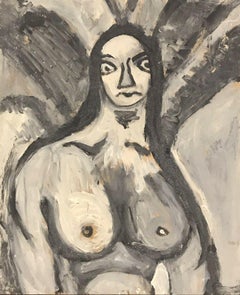
Mid-20th Century Abstract Geometric Abstract Paintings
Oil
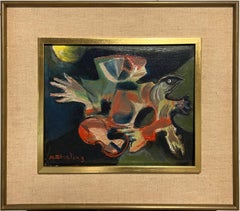
1960s Abstract Figurative Paintings
Oil
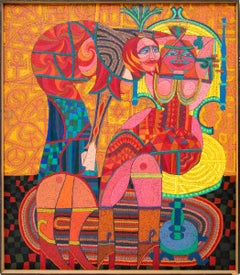
Vintage 1960s French Mid-Century Modern Paintings
Paint
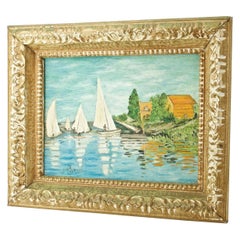
1990s English Mid-Century Modern Paintings
Wood, Paint
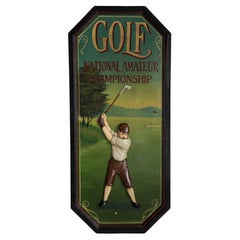
Vintage 1960s American Mid-Century Modern Paintings
Paint
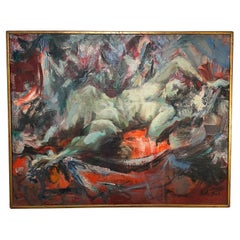
Vintage 1950s American Mid-Century Modern Paintings
Canvas
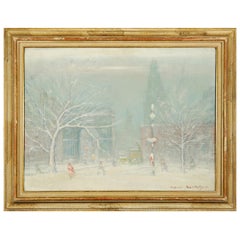
1960s Modern Figurative Paintings
Paint, Oil
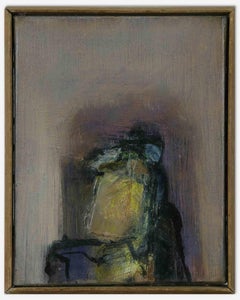
Vintage 1960s English Mid-Century Modern Paintings
Canvas, Acrylic, Paint
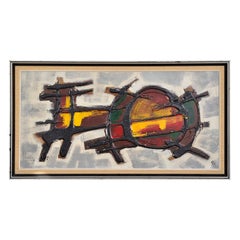
Vintage 1960s American Mid-Century Modern Paintings
Paint
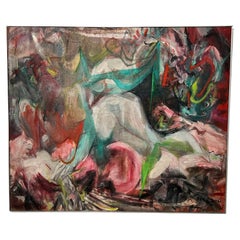
1960s Abstract Expressionist Abstract Paintings
Canvas, Oil
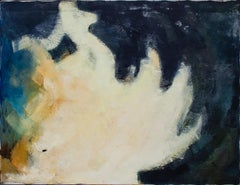
1960s Modern Abstract Paintings
Canvas, Oil
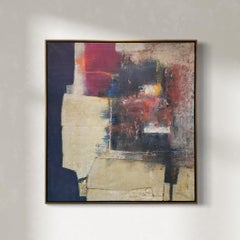
1960s Modern Abstract Paintings
Oil, Board
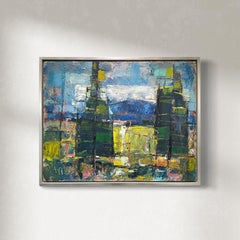
Mid-20th Century Modern Portrait Paintings
Oil
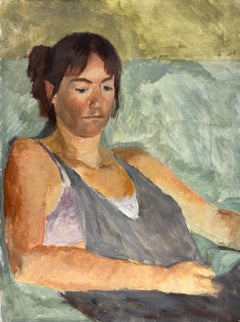
1960s Modern Abstract Paintings
Canvas, Oil
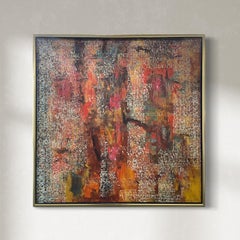
1960s Modern Abstract Paintings
Canvas, Oil
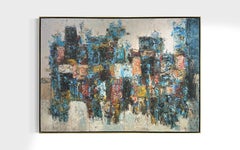
1960s Abstract Paintings
Oil
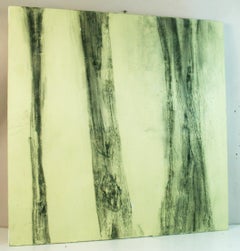
1960s Modern Abstract Paintings
Canvas, Oil, Wood
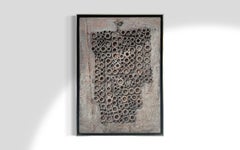
1960s Abstract Expressionist Abstract Paintings
Canvas, Oil
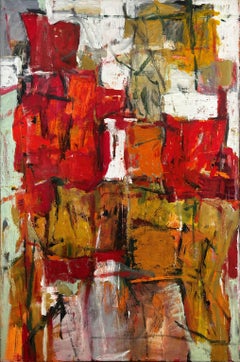
1960s Abstract Abstract Paintings
Oil Pastel, Gouache, Archival Paper
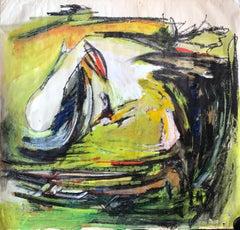
Mid-20th Century Impressionist Landscape Paintings
Oil
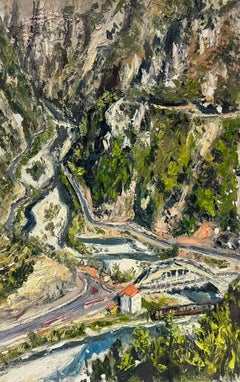
1960s Contemporary Abstract Paintings
Canvas, Oil
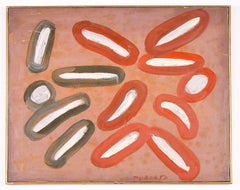
- 1
- ...
1960s Oil Painting For Sale on 1stDibs
How Much is a 1960s Oil Painting?
- Were there watches in the 1960s?1 Answer1stDibs ExpertFebruary 13, 2023Yes, there were watches in the 1960s. The first recorded wristwatch dates back to 1868, when Patek Philippe, a watchmaker founded in Geneva in 1839 by Polish expats Antoni Patek and Franciszek Czapek, designed a timepiece for Countess Koscowicz of Hungary. Shop a collection of vintage watches from some of the world’s top sellers on 1stDibs.
- What is a caftan from the 1960s?1 Answer1stDibs ExpertFebruary 13, 2023A caftan from the 1960s or any other era refers to a long ankle-length variation on a robe or a tunic. Caftans, which are sometimes referred to as kaftans, feature full sleeves and usually have a deep, open neck. While these garments can be made from any fabric, most caftans are made of wool, silk or cotton. Find a selection of caftans from top fashion boutiques around the world on 1stDibs.
- What was worn in the 1960s?1 Answer1stDibs ExpertFebruary 22, 2021Fashion in the 1960s progressed toward a more casual look for men and for women during the decade. For women, the skirt suits of the 1950s prevailed during the early ‘60s and eventually miniskirts came along. Late-1960s fashion included ponchos, peace signs, chain belts, puffed “bubble” sleeves, frayed bell-bottom jeans for men and women, tie-dyed shirts, work shirts, sandals, headbands and moccasins.
- What is abstract oil painting?1 AnswerLilac Gallery Ltd.March 17, 2021An abstract oil painting and an artwork that is made with oil paint on a medium like canvas, wood board, or other panels like canvas board. And the 'abstract' term refers to the Movement Style of the piece. As abstraction indicates a departure from reality in the depiction of imagery in art, the artist creates a painting where the subject, shape, form, color, and line, is created with no particular references of the world but as a composition that may exist with a degree of independence from its vision.
- 1stDibs ExpertMarch 22, 2024To maintain oil paintings that you purchased for your home, experts suggest that you keep them out of direct sunlight. Prolonged exposure to the sunlight coming in from a window can fade the colors in your painting. Do not hang your oil painting near a heat source or where it can get wet (bathrooms and kitchens are not safe for your oil painting).
You may wish to dust your oil painting so that layers of dust don’t begin to gather on its surface. This should only be considered to remove loose dust. Never spray any chemical substance on your oil painting. Do not use a damp cloth to dust your oil painting. (Again, your painting should not be exposed to moisture.)
To remove loose dust, use a soft brush that measures approximately one to two inches wide with natural-hair bristles. Do not use a dust cloth or a feather duster, as those items may catch or leave threads or feathers behind. Do not apply pressure or dust your painting for an extended period of time.
If you think that your oil painting is considerably dirty or believe that other issues may be at work, experts strongly suggest that you consult with a professional conservator.
Read about how to arrange your wall art and find oil paintings for sale on 1stDibs. - 1stDibs ExpertFebruary 13, 2024To identify an oil painting, look closely at its surface. Compared to other paintings, pieces produced in oils usually show off a variety of textures across the canvas, and the paint will appear layered on. If you're looking to determine the name, age or creator of a work, try snapping a photo with your smartphone’s camera and conducting a reverse image search online. Shop a diverse assortment of oil paintings on 1stDibs.
- 1stDibs ExpertMay 3, 2024Jan van Eyck is widely considered by art historians to be the father of oil painting. While the usage of oil paints dates back to 7th-century China, the Flemish painter popularized the material, using oils to produce highly detailed works such as The Arnolfini Portrait. The Northern Renaissance master also influenced many other artists, such as Hugo van der Goes and Gerard David. Shop an assortment of fine art on 1stDibs.
- When was oil paint invented?1 Answer1stDibs ExpertFebruary 27, 2024Oil paint was invented during the 7th century A.D. The earliest examples of oil paintings have been traced to Afghanistan and depict scenes related to the Buddhist religion. Records dating back to the 12th century indicate that early Christian monks in Europe used oil paints to decorate furniture, and a century later, some artists began finishing tempera paintings with touches of oil paint. It wasn't until the 15th century that oil paints became a common medium for European painters, when Flemish artists like Jan van Eyck began favoring them over tempera. Explore a variety of oil paintings on 1stDibs.
- What did men wear in the 1960s?1 Answer1stDibs ExpertApril 26, 2024What men wore in the 1960s varied over the course of the decade. At the start of the ’60s, when the Mod style was all the rage, men often sported boxy Italian-style suits with tight-fitting trousers for work and dressier occasions and polo shirts and turtlenecks paired with fitted trousers for casual dress. As the decade progressed, the Peacock Revolution occurred, with menswear becoming flashier with bright colors and bold prints. Fedoras and trilby hats were common in the early ’60s, but by the start of the 1970s, hats for men were much less common, marking a major departure from the style conventions of the 1930s, ’40s and ’50s. Explore an assortment of 1960s men's apparel and accessories on 1stDibs.
- 1stDibs ExpertFebruary 13, 2023Furniture from the 1960s is often called mid-century modern. This style emphasizes the importance of good design that looks attractive and performs its function well. Notable mid-century modern designers include Eero Saarinen, George Nelson, Florence Knoll and Charles and Ray Eames. On 1stDibs, shop a selection of mid-century modern furniture.
- 1stDibs ExpertFebruary 21, 2024The dresses they wore in the 1960s varied depending on the time of day and the occasion. For everyday wear, many women opted for simply tailored frocks called shift dresses. They often featured bold geometric prints in eye-catching colors. In the evening, women tended to opt for gowns with plunging necklines, fitted waists and flowing full skirts. On 1stDibs, shop a diverse assortment of vintage dresses from the 1960s.
- 1stDibs ExpertApril 5, 2022To tell if a dress is from the 1960s or 1970s, first look for a label. You may be able to determine the approximate date of the dress simply by researching the designer using reputable online sources. Also, check the zippers. Dresses from the 1960s will usually have metal or nylon zippers. Ones from the 1970s are more likely to be plastic. You'll find a large selection of vintage dresses on 1stDibs.
- 1stDibs ExpertApril 5, 2022Go-go boots were fashionable in the late 1960s through the 1970s. A calf-length to knee-length boot became synonymous with 1960s and 1970s fashion and is still highly coveted today by fashion enthusiasts. Shop a wide range of vintage go-go boots on 1stDibs.
- Can you use oil paint on wood?1 Answer1stDibs ExpertFebruary 22, 2021You can use oil paint on wood as long as you prep the wood first. The first thing you should do is seal the wood with a primer. Ideally, paint two coats of sealer onto the wood so that the paint doesn't cause the wood to rot over time.
- 1stDibs ExpertAugust 15, 2024To tell how old an oil painting is, research the artist who produced it. You can use the mobile app Smartify to snap a photo of the signature on your painting and identify the artist. Read biographical information about the artist online and look at images of their work to estimate the age of your piece. Alternatively, you can get the opinion of a knowledgeable art dealer or certified appraiser. Explore a wide variety of oil paintings on 1stDibs.
- Did Dali use oil paint?1 Answer1stDibs ExpertApril 5, 2022Yes, Dali did indeed use oil paint. Although he used oil paints in the traditional method, he would at times add natural resin or linseed oil to play with fluidity and texture. You can shop a selection of Salvador Dali’s pieces from some of the world’s top art dealers on 1stDibs.
- 1stDibs ExpertApril 5, 2022The largest oil painting in the world is in the main hall of the Doge's Palace located in Venice, Italy. Its name is Il Paradiso. Tintoretto painted it around 1592, and it measures 22 meters by 7 meters. Shop a large collection of oil paintings on 1stDibs.
- 1stDibs ExpertSeptember 25, 2019
Varnishing an oil is not necessary, but it is recommended because it protects the painting and corrects surface irregularities.
- 1stDibs ExpertMay 3, 2024A few things make an oil painting valuable. Age has a major impact on price, with pieces made over a century ago tending to fetch the highest prices. Who created the painting also matters. The more famous the artist, the higher the selling price for a painting is likely to be. Finally, the condition of the work and whether it is in its original frame will also impact how much it is worth. Find a diverse assortment of oil paintings on 1stDibs.
- 1stDibs ExpertAugust 20, 2024The difference between a lithograph and an oil painting comes down to uniqueness and technique. To produce an oil painting, an artist applies oil-based paints to a canvas or another surface using a brush. The process results in a single work of art. Lithography is a form of printmaking that begins by drawing on or painting on a stone surface with an oil-based substance, such as a greasy crayon or tusche, an oily wash. The stone is then covered with water, which is repelled by the oily areas. Oil-based ink is then applied to the wet stone, adhering only to the oily image. Through lithography, an artist can produce dozens, or even thousands, of copies of a single image. On 1stDibs, shop a large selection of lithographs and oil paintings.