1970s Festival Posters
Vintage 1970s French International Style Posters
Paper
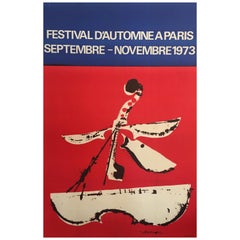

Recent Sales
Vintage 1970s European Posters
Paper
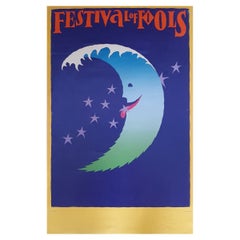
Vintage 1970s British Mid-Century Modern Posters

People Also Browsed
2010s Danish Scandinavian Modern Dining Room Chairs
Oak

21st Century and Contemporary American Mid-Century Modern Flush Mount
Steel, Brass, Gold, Silver
2010s Danish Scandinavian Modern Dining Room Chairs
Oak
21st Century and Contemporary Pop Art Portrait Prints
Giclée
Vintage 1940s Swedish Scandinavian Modern Cabinets
Brass
Vintage 1920s North American Louis XVI Side Tables
Brass
Mid-20th Century Italian Mid-Century Modern Sofas
Chrome
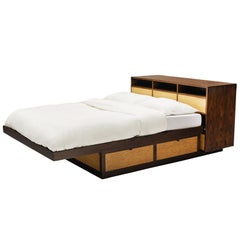
Vintage 1960s American Mid-Century Modern Beds and Bed Frames
Brass
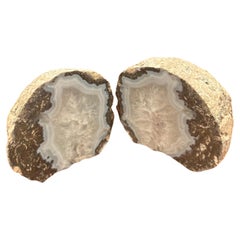
Antique 15th Century and Earlier American Mid-Century Modern Bookends
Rock Crystal
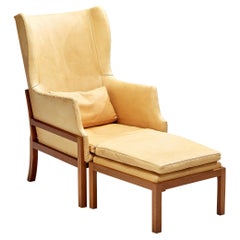
Vintage 1930s Danish Scandinavian Modern Lounge Chairs
Leather, Mahogany
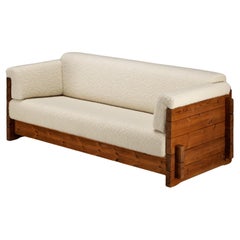
Vintage 1960s Danish Scandinavian Modern Sofas
Bouclé, Pine
Vintage 1950s Swedish Scandinavian Modern Russian and Scandinavian Rugs
Wool, Linen
21st Century and Contemporary Pakistani Bauhaus Moroccan and North Afric...
Wool
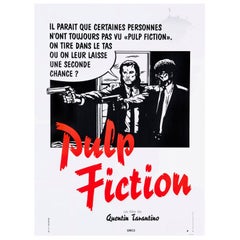
1990s French Post-Modern Posters
Paper
Antique 18th Century Japanese Edo Paintings and Screens
Wood, Paper
20th Century Swedish Scandinavian Modern Sofas
Pine, Fabric
1970s Festival Posters For Sale on 1stDibs
How Much are 1970s Festival Posters?
Finding the Right Posters for You
Add a welcome personal touch to your space and tie your distinctive interior scheme together by introducing antique and vintage posters to any and every room of your home.
In the late 19th century, following the advent of text-heavy posters printed from woodblocks for use in taverns and shop windows, hand-drawn poster art had become commonplace in regions such as France, England and the United States. Well-known illustrators were commissioned to produce decorative posters to advertise political campaigns, theatrical events, books, household goods and other items. Early poster artists used a printmaking technique called lithography, which sees drawings or paintings created on a stone (or metal) surface with an oil-based substance, such as a greasy crayon or tusche (an oily wash). The image is eventually affixed to the surface by means of a chemical reaction, and ink adheres to certain sections of the surface while non–image areas are made to repel the ink.
If you wanted a color lithograph in the early days, the number of stones prepared had to match the number of colors you commissioned for the poster. French painter Jules Chéret, widely known as the father of the modern poster, designed some of history's most popular lithographic posters that featured color. Today, Chéret’s art is highly collectible, along with original works by Czech painter and decorative artist Alphonse Mucha, whose posters advertising theatrical productions helped define Art Nouveau.
Over time, poster artists transitioned to more advanced techniques. Using silkscreens, woodblocks and photolithography, painters and illustrators printed larger quantities at a faster rate.
If you’ve finally tracked down that vintage movie poster, mid-century modern promotional travel poster or other work and you’re looking to find out if it is valuable, distinguishing between an original poster and a reproduction can be complicated. A professional appraiser can work with you on factors such as rarity, assessing the physical condition of your poster and authenticating your piece. For now, take care of your new acquisition because conserving posters is essential in helping them retain their value. A practical conservation method is to have the work mounted on archival, acid-free paper and thin artist’s canvas, then enclosing it in a sturdy frame. (And here is a primer on how to hang wall art, be it arranged gallery-style or otherwise.)
On 1stDibs, find all kinds of posters for your home today.
- What was worn in the 1970s?1 Answer1stDibs ExpertFebruary 22, 2021Fashion during the 1970s included lots of T-shirts, cardigans, kimonos, graphic tees, jeans, khakis, and vintage clothes. In the mid-1970s, other fashion highlights included puffy skirts and shirts with flowy sleeves.
- Are the 1970s mid-century?1 Answer1stDibs ExpertFebruary 17, 2023No, the 1970s are generally not considered to fall within the era identified as mid-century. With respect to mid-century modern design, while there is some debate between collectors and design experts about the specific time period that saw the emergence of the style, most furniture enthusiasts agree that by the late 1960s, interest in MCM had largely declined. Writer Cara Greenberg, who coined the term “mid-century modernism,” suggests that “the period from the end of World War II to 1960 – from V-J Day to JFK – was the heyday of innovative furniture design in America.” Mid-century modern furniture is characterized by clean lines and inviting, organic shapes. Furniture makers of the era believed that good design was an essential part of good living. Find a variety of vintage mid-century modern furniture and decorative objects on 1stDibs.
- 1stDibs ExpertApril 5, 2022Yes, sequins were indeed popular in the 1970s and could be seen on the dancefloors and discos of the time, along with other popular fabrics like velvet and satin. Sequins and hot pants were the go-to outfit of the disco-glam decade. Shop iconic vintage and contemporary sequin clothing from some of the world’s top boutiques on 1stDibs.
- Was velvet used in the 1970s?1 Answer1stDibs ExpertJune 15, 2023Yes, velvet was used in the 1970s. Fashion designers used the fabric to produce dresses, bell bottoms, flowy kimonos and other pieces. Furniture makers often used it as the upholstery on sofas and armchairs. On 1stDibs, shop a variety of pieces from the 1970s.
- What is 1970s furniture called?1 Answer1stDibs ExpertMarch 15, 2024What 1970s furniture is called varies. Generally, you may see pieces produced during the decade classified as "vintage" or "retro" furniture. During the 1970s, some makers continued to produce furniture that boasted the characteristics of mid-century modern works. The disco era yielded furnishings with organic, often rounded shapes, unadorned silhouettes, clean lines and a mix of materials. The showy leather furniture of the 1970s, which was both sexy and comfortable, is seeing a resurgence in today’s homes. Shop a wide variety of vintage 1970s furniture on 1stDibs.
- 1stDibs ExpertApril 5, 2022To tell if a dress is from the 1960s or 1970s, first look for a label. You may be able to determine the approximate date of the dress simply by researching the designer using reputable online sources. Also, check the zippers. Dresses from the 1960s will usually have metal or nylon zippers. Ones from the 1970s are more likely to be plastic. You'll find a large selection of vintage dresses on 1stDibs.
- 1stDibs ExpertApril 5, 2022Go-go boots were fashionable in the late 1960s through the 1970s. A calf-length to knee-length boot became synonymous with 1960s and 1970s fashion and is still highly coveted today by fashion enthusiasts. Shop a wide range of vintage go-go boots on 1stDibs.
- 1stDibs ExpertMay 5, 2023Which clothing style was most popular in the discos in the 1970s is open to debate. Some of the trends of the discotheque scene included sleeveless, sequined tops paired with bell bottoms and knee-length halter dresses topped off with tall go-go boots. For men, jumpsuits and leisure suits were the favorite looks. Both men and women often wore shoes with chunky heels and thick platforms. On 1stDibs, find an assortment of 1970s vintage clothing and accessories.
- 1stDibs ExpertJanuary 27, 2025The designer who became famous with her wrap dresses in the 1970s is Diane von Furstenberg. She debuted her first example in 1974. When creating the Wrap dress, von Furstenberg drew inspiration from the skirts worn by ballerinas. In celebration of the 40th anniversary of the now-iconic dress, an exhibit called Diane von Furstenberg: Journey of a Dress was held at museums in the United States and abroad. On 1stDibs, explore a range of Diane von Furstenberg apparel and accessories.
- 1stDibs ExpertApril 5, 2022After the success of his “Sol” series in the 1960s, Richard Anuszkiewicz began to focus on his “Centered Square” designs in the mid-1970s. He used interacting colors to change the perception of the art in the eye of the viewer. You can shop a selection of Richard Anuszkiewicz pieces from some of the world’s top art dealers on 1stDibs.
Read More
Punk Rock and Rebellion Animate London’s Hit Yoshitomo Nara Show
The exhibition includes his portraits of wide-eyed kids with mayhem on their minds, as well as some of the artist’s personal belongings.
Whether Painted or Papered, Muraled Walls Make Bold Statements in the Home
The ancient practice of covering walls in artistic scenery is back.
In Francks Deceus’s ‘Mumbo Jumbo #5,’ the Black Experience Is . . . Complicated
Despite the obstacles, the piece’s protagonist navigates the chaos without losing his humanity.
12 Floral-Accented Rooms with a Handmade, Folkloric Feel
Who needs a flower garden? Just use your imagination — and some beautifully patterned wallpaper or fabric — to bring the outdoors in.
This Wolf Kahn Pastel Is the Epitome of Beauty at Its Most Essential
A longtime admirer of Kahn’s work, 1stDibs editorial director Anthony Barzilay Freund explores why it’s relevant now more than ever.
Why Jules Chéret Was the King of the Modern Poster
The streets of fin-de-siècle Paris were set aglow with colorful poster ads, thanks to the printing techniques invented by Jules Chéret. Now, the Milwaukee Art Museum is celebrating this undersung talent in America's first solo show dedicated his exuberant works.
Anna Condo’s Multifaceted Career Spans Film, Photography and NFTs
From her historic Manhattan townhouse, the talented creator and curator of 1stDibs' latest NFT exhibition tells us about the art in her home and how she got involved with cryptoart.
How Keith Rivers Went from NFL Linebacker to Blue-Chip Art Aficionado
The former football player is as serious about becoming a great contemporary-art patron as he once was about making tackles. Here, Rivers tells us how he got the collecting bug and how his tastes have evolved over the years.