19th Century Casket
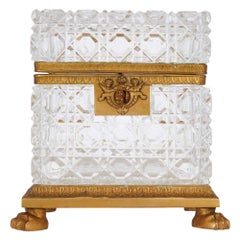
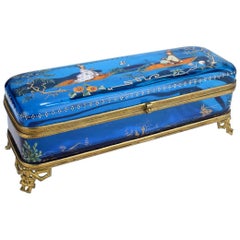
Antique 19th Century French Belle Époque Glass
Crystal, Ormolu
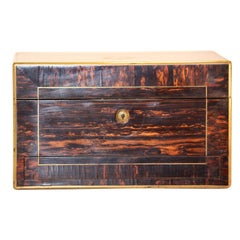
Antique 19th Century English Late Victorian Boxes
Silver
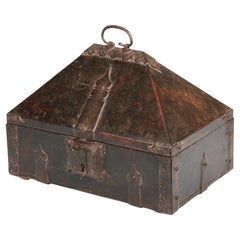
Antique 19th Century Indian Anglo-Indian Furniture
Cut Steel
Antique Late 19th Century German Art Nouveau Decorative Boxes
Walnut
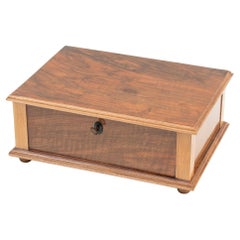

Antique Late 19th Century Japanese Meiji Decorative Boxes
Brass, Enamel
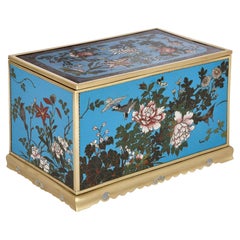
Antique Late 19th Century German Art Nouveau Decorative Boxes
Brass
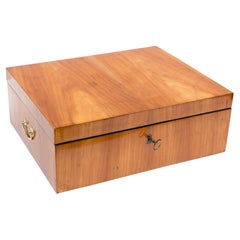
Antique Late 19th Century German Art Nouveau Decorative Boxes
Maple, Walnut, Softwood
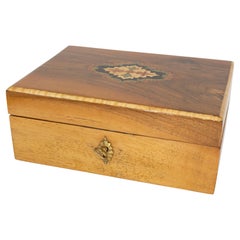
Antique 19th Century French Victorian Jars
Opaline Glass
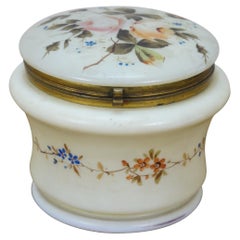
Antique 19th Century French Rococo Decorative Boxes
Porcelain
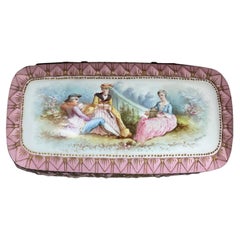
Antique Late 19th Century German Art Nouveau Decorative Boxes
Jacaranda
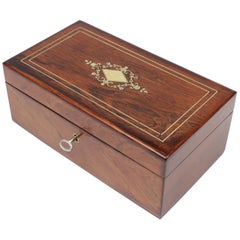
Antique 19th Century Russian Jewelry Boxes
Lacquer
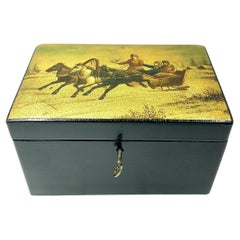
Antique Late 19th Century French Napoleon III Decorative Boxes
Parchment Paper, Wood
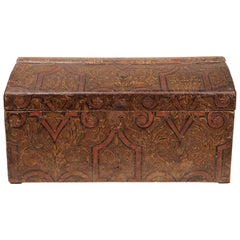
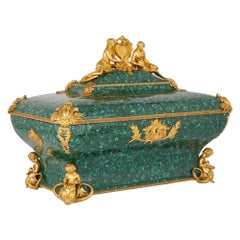
Antique Mid-19th Century French Neoclassical Decorative Boxes
Malachite, Ormolu
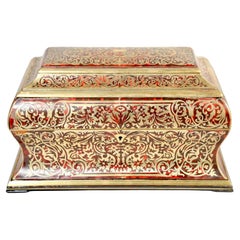
Antique 19th Century English Victorian Decorative Boxes
Tortoise Shell, Wood
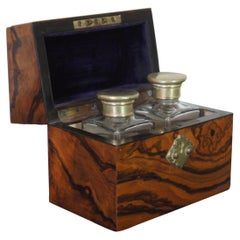
Antique 19th Century Victorian Decorative Boxes
Crystal, Brass
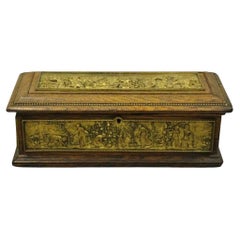
Antique Late 19th Century Unknown Other Jewelry Boxes
Oak
Antique 19th Century French Other Barware
Ormolu
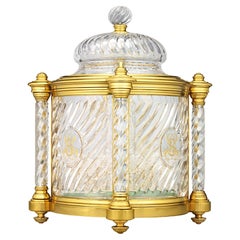
Antique Early 19th Century English Regency Jewelry Boxes
Leather
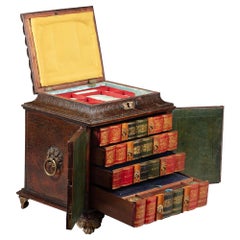
Antique 19th Century European Greco Roman Decorative Boxes
Stone, Bronze
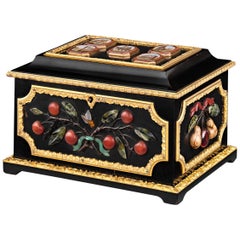
Antique Early 19th Century Italian Victorian Porcelain
Porcelain
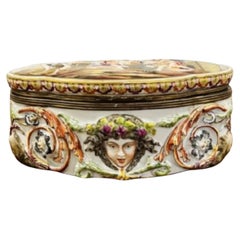
Antique Mid-19th Century German Black Forest Decorative Boxes
Antler, Wood
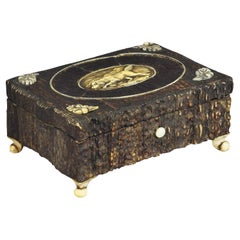
Antique Early 19th Century British Regency Decorative Boxes
Mahogany
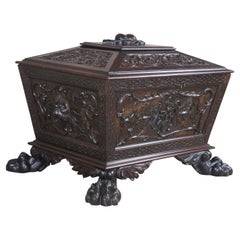
Antique 19th Century French Folk Art Game Boards
Bone
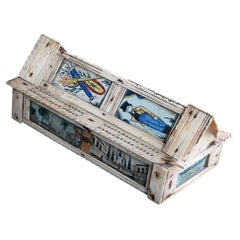
Antique Late 19th Century English Victorian Paintings
Porcelain, Giltwood
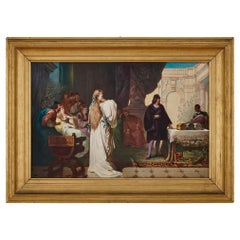
Antique Late 19th Century Czech Japonisme Decorative Boxes
Enamel
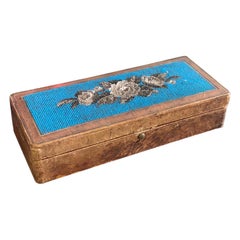
Antique 1870s German Biedermeier Decorative Boxes
Leather, Beads
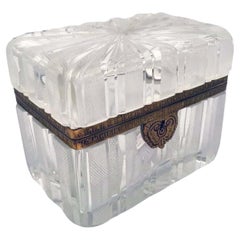
Antique Late 19th Century French Belle Époque Glass
Crystal
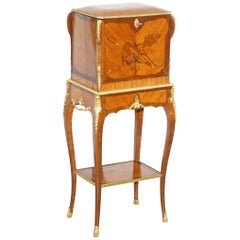
Antique 19th Century French Victorian Cabinets
Bronze
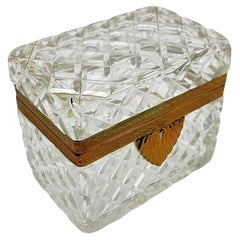
Antique Late 19th Century Neoclassical Revival Decorative Boxes
Crystal, Bronze
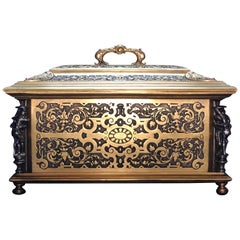
Antique Late 19th Century French Renaissance Revival Decorative Boxes
Bronze
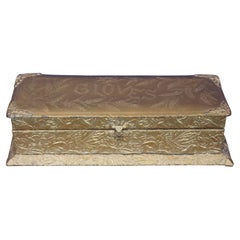
Antique Early 19th Century Decorative Boxes
Leather

Antique Late 19th Century Victorian Decorative Boxes
Metal
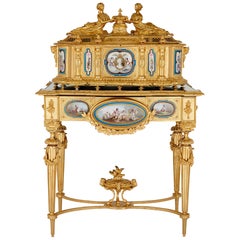
Antique Late 19th Century French Louis XVI Decorative Boxes
Ormolu
Antique 1820s French Folk Art Toys
Bone
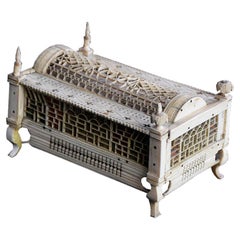
Antique 1850s French Renaissance Revival Decorative Boxes
Gold, Steel
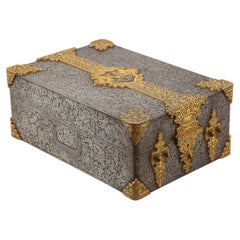
Antique 19th Century English Regency Decorative Boxes
Silver
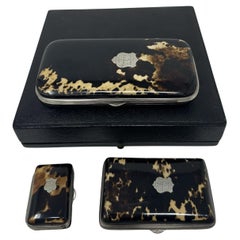
Antique Mid-19th Century Louis Philippe Jewelry Boxes
Bronze
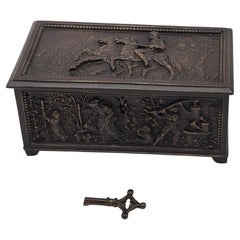
Antique 19th Century English Regency Jewelry Boxes
Crystal, Brass
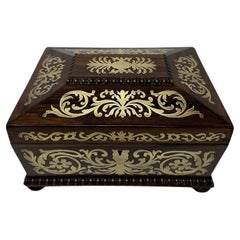
Antique Late 19th Century French Rococo Revival Decorative Boxes
Porcelain

Antique 19th Century German Biedermeier Decorative Boxes
Mirror, Walnut, Spruce
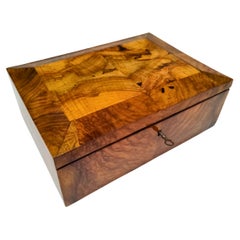
Antique 19th Century French Louis XV Decorative Boxes
Bronze, Ormolu
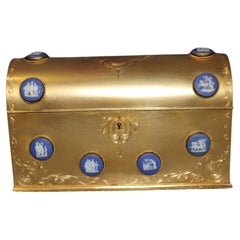
Antique 19th Century English Edwardian Jewelry Boxes
Brass
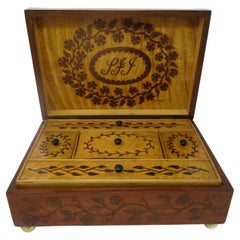
Antique 19th Century English Victorian Sterling Silver
Sterling Silver
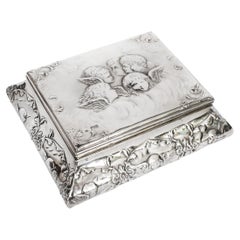
Antique 19th Century Indian Grand Tour Jewelry Boxes
Antler, Horn
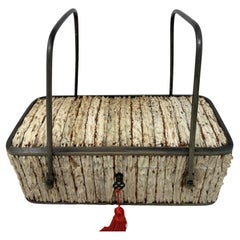
Antique Late 19th Century French Louis XIV Jewelry Boxes
Brass, Bronze
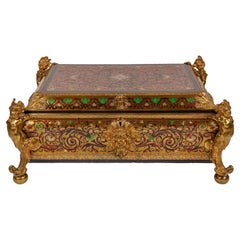
Antique 1870s French Napoleon III Decorative Boxes
Brass
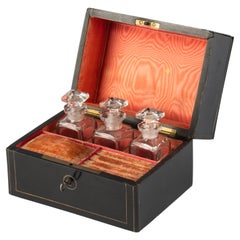
Antique 19th Century English Regency Decorative Boxes
Gesso
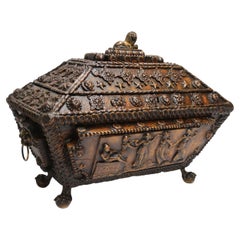
Antique Late 19th Century French Jewelry Boxes
Bronze
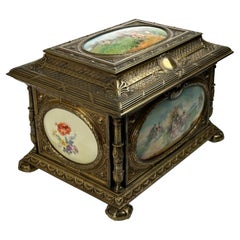
Antique Late 19th Century Unknown Victorian Decorative Boxes
Opaline Glass
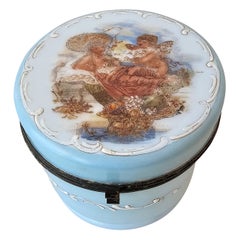
Antique Late 19th Century Italian Gothic Religious Items
Bronze, Iron
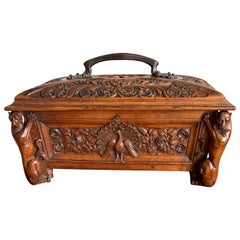
Antique Late 19th Century French Victorian Jewelry Boxes
Ormolu
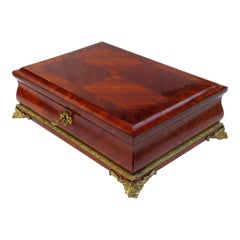
Antique 19th Century French Decorative Boxes
Lapis Lazuli
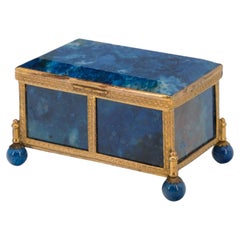
Antique Late 19th Century Russian Victorian Sterling Silver
Silver, Enamel
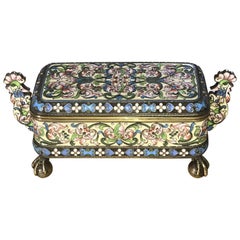
Antique Late 19th Century Japanese Metalwork
Metal
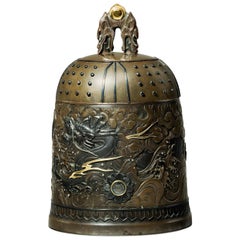
Antique 19th Century French Charles X Table Mirrors
Bronze, Iron, Ormolu
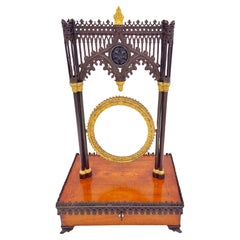
Antique Mid-19th Century French Napoleon III Figurative Sculptures
Porcelain
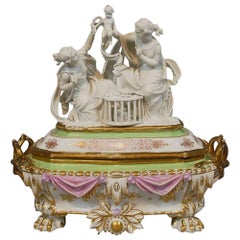
Antique 19th Century French Victorian Jewelry Boxes
Brass
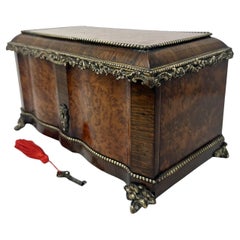
- 1
19th Century Casket For Sale on 1stDibs
How Much is a 19th Century Casket?
Finding the Right Boxes for You
From mere trinkets to useful receptacles that serve a distinct purpose, antique boxes as decorative objects have come in many forms over the years. No matter what they’re made of or where they end up in your home, decorative boxes add both style and storage to your space.
The decorative box that is likely most common is the jewelry box. These boxes were originally known as jewel caskets and were in common use in Ancient Egypt, as most Egyptians wore some sort of jewelry. A portable jewelry box, in its original intended use, was integral to keeping your jewelry safe and secure. This accessory has transformed in size, shape and appearance over the years. Initially it was common for a jewelry box to bear intricate ornamentation. Whether they’re mid-century modern works of marble and brass or feature playful Art Deco–style geometric decor, jewelry boxes boast real staying power.
Snuff boxes began to soar in popularity during the 17th century (and were commonplace in European homes by the mid-19th century). The boxes, some hand-painted with landscape scenes, some made from gold, porcelain or stone, contained a small amount of tobacco, which users would sniff, or “snuff,” throughout the day. Some particularly ornamental snuff boxes featured enameled designs or were set with precious gems and were given as gifts or party favors, particularly at the coronation of royalty or other lavish events.
Whether you’re organizing important mail in the foyer or tucking away medications in your bathroom, antique boxes — be they metal tea caddies, sterling-silver decorative boxes or Victorian cigar boxes made of oak (even if you don’t smoke) — are a sophisticated solution to help keep the surfaces in your home clutter-free. And no matter if you’re seeking a decorative box to beautify a desktop or bestow upon a loved one, you are sure to find something you love in the collection of antique and vintage boxes on 1stDibs.
- 1stDibs ExpertApril 5, 2022British artist John Singer Sargent was one of the most important portrait painters of the 19th century. Other notable portraitists from the period include James Abbott McNeill Whistler, Eugène Delacroix, Théodore Géricault, Gustave Courbet, Édouard Manet, Mary Cassat, Claude Monet and Pierre-Auguste Renoir. On 1stDibs, find a wide variety of portrait paintings.
- 1stDibs ExpertApril 5, 2022The French painters of the 19th century worked in two styles. Neoclassicism dominated the first half of the century, and Impressionism was the most common style during the second half. On 1stDibs, you can find a variety of French paintings.
- 1stDibs ExpertApril 5, 2022Yes, the history of glass-making goes back much further than the 1600s. It’s believed that they were making glass in different parts of the world at least 3,600 years ago, maybe even longer. During the late Bronze Age in Egypt and in Western Asia, glassmarking advanced significantly and was manipulated extensively to produce vessels, jewelry, and works of art. Shop a range of antique and vintage glass on 1stDibs.
- 1stDibs ExpertMarch 22, 2022Yes, there were cannons in the 16th century. The history of the weapon dates back to 12th-century China. Historical records suggest that the first cannons appeared in Europe during the Islamic wars in Iberia in the 13th century. Find a range of antique cannons on 1stDibs.
- 1stDibs ExpertApril 5, 2022What painting is the most important of the 20th century is largely a matter of personal opinion. Some notable works produced during the period include Paul Cézanne's Mont Sainte-Victoire, Pablo Picasso's Les Demoiselles d'Avignon, Henri Matisse's The Dance and Jackson Pollock's Lavender Mist. Shop a large selection of 20th-century paintings on 1stDibs.
- 1stDibs ExpertApril 5, 2022A variety of furniture was used during the 16th century. Items commonly found in homes include high-backed armchairs, chests, stools, benches and cupboards. Most European artisans active during the time period produced pieces out of oak wood. Find a large collection of antique furniture on 1stDibs.
- 1stDibs ExpertSeptember 23, 2024What 17th-century furniture is called varies. The general term for all furniture produced 100 years ago, including 17th-century pieces, is antique furniture. You may also choose to be more specific and describe a piece by its style. Theatrical and lavish, the Baroque style was prevalent across Europe from the 17th to the mid-18th century and spread around the world through colonialism, including in Asia, Africa and the Americas. Baroque furniture was extravagant in all aspects, from shape to materials. 17th-century pieces from England often feature characteristics of the William and Mary style, such as crisp lines, maple and walnut veneers, inlaid bands and C-scroll ornaments. On 1stDibs, explore a variety of antique furniture.
- 1stDibs ExpertNovember 13, 2024To identify 18th-century furniture, you can research your piece in the context of the prevailing styles of the period or consult a certified appraiser or experienced antique dealer. To identify your item on your own, look over it for maker's marks, such as carvings, stamps, brands and labels. Researching the marking can help you determine the maker of your piece, and from there, you can search further to learn more about your particular item. Without a maker's mark, the best approach is to consider the characteristics of the dominant furniture styles during the 18th century. In England, these included William and Mary, Queen Anne, Georgian, Chippendale, Hepplewhite and Sheraton. Some French furniture styles of the 1700s include Louis XV, Louis XVI and Régence. Find a diverse assortment of 18th-century furniture on 1stDibs.
- 1stDibs ExpertApril 5, 2022Yes, wedding rings have a long history, stretching back to ancient Egypt. The first diamond engagement ring was created in 1477 by Archduke Maximillian of Austria. Browse a wide array of vintage and contemporary wedding rings on 1stDibs.
- 1stDibs ExpertApril 5, 2022In the 18th century, art changed in style from Baroque to Rococo and Neoclassicism. Art became more ornamented and idealized during the Rococo period and then shifted toward a style that emulated the artwork of ancient Greece and Rome near the end of the century. You’ll find a variety of fine art on 1stDibs.
- 1stDibs ExpertApril 5, 2022Sir Isaac Newton invented the reflector telescope in the 17th century. He created it as a replacement for the refracting telescope, which tended to have poor optics. Find a collection of antique and vintage telescopes on 1stDibs from some of the world’s top sellers.
- 1stDibs ExpertApril 5, 2022One way to check if your brass candlesticks are from the 18th century is to look for the two seams running lengthwise on either side. This is from when the candlestick was molded in two halves and then soldered together. You’ll find a variety of candlesticks of all shapes and sizes from some of the top sellers on 1stDibs.
- 1stDibs ExpertApril 5, 202217th-century Dutch portraiture has many similarities to other Baroque paintings, including rich colors, dark shadows and intense lighting. Many famous Dutch Baroque works lean toward realism. In Dutch portraiture, props and detailed backgrounds are uncommon. You'll find a collection of Dutch Baroque paintings from some of the world’s top art dealers on 1stDibs.
- 1stDibs ExpertJanuary 10, 2025The individuals considered the Big Three of 18th-century cartoons are William Hogarth, James Gillray and George Cruikshank. Although the 18th century saw a widespread increase in illustrations in newspapers, these three illustrators were particularly well-known for their work. Hogarth's work was extremely diverse, ranging from serious, realistic paintings and portraits to satirical and moralistic illustrations filled with symbolism. A British caricaturist, Gillray is remembered today for his artworks representing political and social satires, like his political cartoons against George III of England. Despite being a prolific caricaturist, Cruikshank is now most famous for illustrating the works of Charles Dickens. On 1stDibs, find a wide variety of illustrations.
- 1stDibs ExpertApril 5, 2022At the end of the 17th century, Europe went into a frenzy over porcelain. Asian porcelain was highly sought after, and spurred the foundation of the Meissen factory in France, where hard porcelain went on to be made. You’ll find a large collection of porcelain pieces from many of the world’s top sellers on 1stDibs.
Read More
How a Craving for Color Revolutionized Glass
After synthetic dyes changed fashion, home goods and printed matter, it was only a matter of time till glass caught up.
Kazuyo Sejima’s Flowering Tree Blooms Year-Round
The brilliantly simple design turns a modest bouquet into a major statement.
He Wrote ‘Oedipus Rex,’ but Do You Know What He Looked Like?
The Greek tragedian is said to have been handsome in his day.
Cigar Culture Was Once the Peak of Masculinity. Now, It’s a Compelling Curiosity
Even for those who don’t indulge, elegant smoking accessories and audacious art portraying cigar enthusiasts hold a nostalgic allure.
African Travel Plans on Hold? This Ardmore Leopard Vase Brings the Beauty of the Savanna to You
It’s an excellent example of the sought-after ceramics coming out of South Africa’s KwaZulu-Natal province.
With a High-Tech Flagship and Cool Collabs, Lladró Is Breaking the Mold for Porcelain Production
Thanks to its new leadership, the Spanish maker of figurines, busts and lighting is on a mission to update the art of porcelain for the 21st century.
Zoë Powell’s Magnolia 05 Vessel Is Handmade from Clay She Unearthed Herself
The free-form stoneware piece is inspired by the magnolia tree and its associations with home.
8 Ways to Breathe New Life into a Space with Plants
The pair behind the Instagram account @houseplantclub share their tips for making any room of the house gloriously green.