Aesthetic Bamboo Furniture
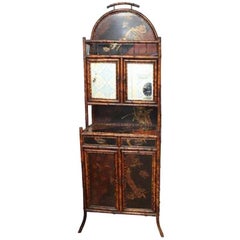
Antique 19th Century English Aesthetic Movement Cabinets
Bamboo
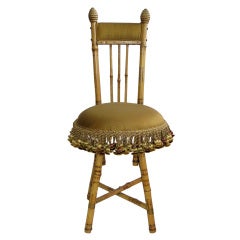
Vintage 1940s Unknown Aesthetic Movement Chairs
Bamboo, Silk
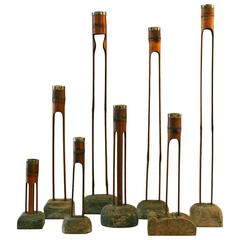
Antique Late 19th Century Indonesian Aesthetic Movement Candlesticks
Silver

Early 20th Century French Aesthetic Movement Wall Mirrors
Bronze
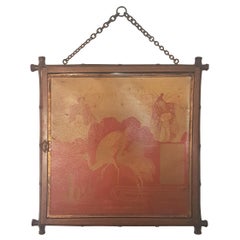
Early 20th Century French Aesthetic Movement Wall Mirrors
Bronze
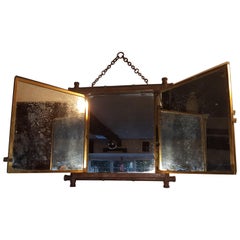
Antique 19th Century American Aesthetic Movement Wardrobes and Armoires
Cherry
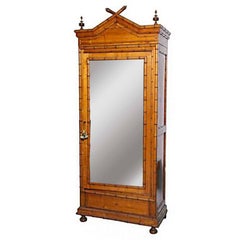
Antique Late 19th Century Aesthetic Movement Side Tables
Bamboo
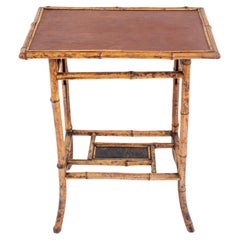
20th Century Unknown Aesthetic Movement Tables
Bamboo
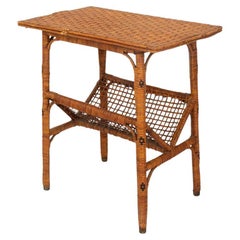
20th Century Aesthetic Movement Cabinets
Faux Bamboo, Lacquer
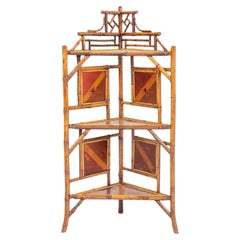
Antique Late 19th Century Aesthetic Movement Coat Racks and Stands
Bamboo
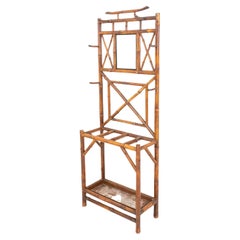
20th Century Unknown Aesthetic Movement Side Tables
Bamboo, Wood
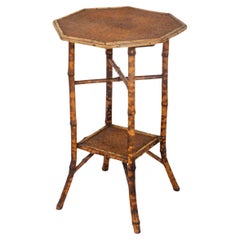
Early 20th Century English Aesthetic Movement End Tables
Bamboo, Paint

Vintage 1910s Unknown Aesthetic Movement End Tables
Bamboo, Wood, Lacquer, Paint
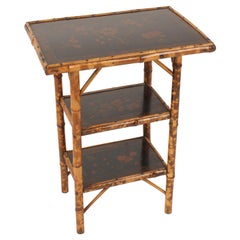
Antique Late 19th Century English Aesthetic Movement Settees
Mohair, Bamboo
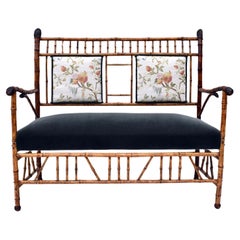
Antique Late 19th Century English Aesthetic Movement Bookcases
Bamboo
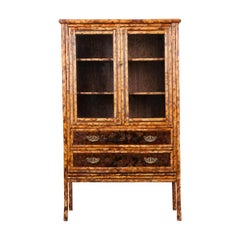
Antique Early 1900s American Aesthetic Movement Cabinets
Bamboo
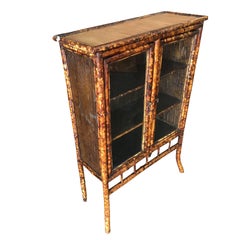
Antique Late 19th Century Stools
Bamboo
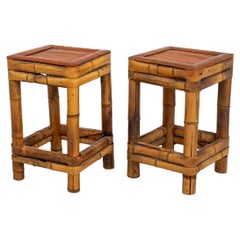
Antique 1870s American Aesthetic Movement Side Tables
Bamboo, Hardwood
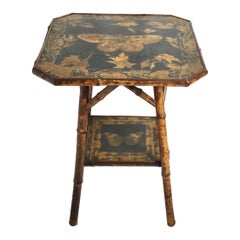
Vintage 1910s European Aesthetic Movement Desks and Writing Tables
Brass
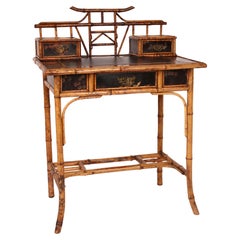
Antique 19th Century English Settees
Bamboo, Upholstery
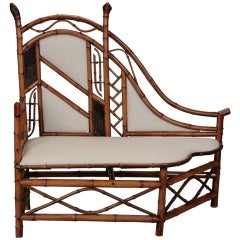
Early 20th Century Aesthetic Movement Antiquities
Bamboo, Paint
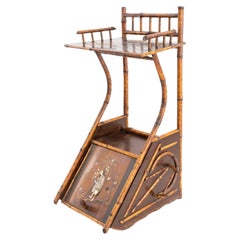
Antique Early 1900s Wall Mirrors
Bamboo
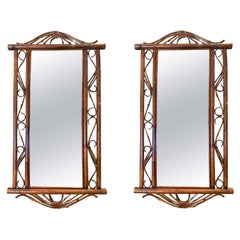
Early 20th Century American Aesthetic Movement Secretaires
Bamboo
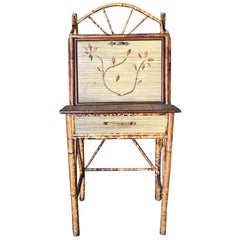
Early 20th Century American Aesthetic Movement Secretaires
Bamboo
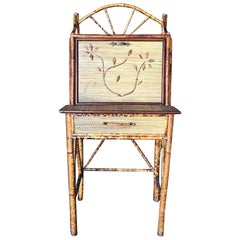
Early 20th Century American Aesthetic Movement Footstools
Fabric, Bamboo, Faux Bamboo
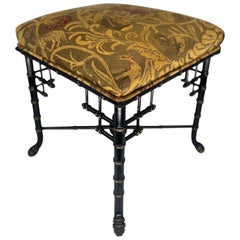
Antique 19th Century Side Tables
Bamboo
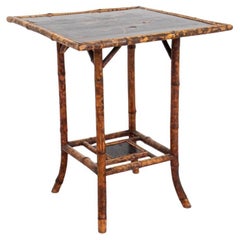
Mid-20th Century Southeast Asian Aesthetic Movement Desks
Wood, Bamboo
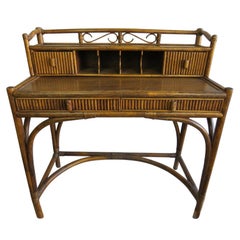
Antique 19th Century English Aesthetic Movement Benches
Bamboo, Upholstery, Wood
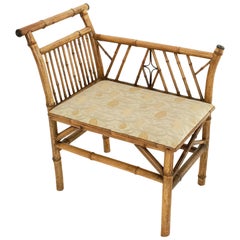
Early 20th Century British Aesthetic Movement Stools
Bamboo, Wood
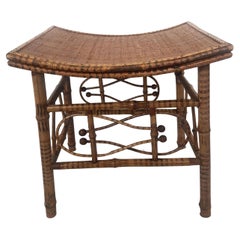
Antique 1890s English Anglo-Japanese Side Tables
Brass
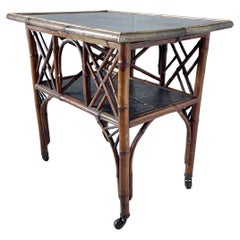
20th Century American Floor Mirrors and Full-Length Mirrors
Bamboo, Glass
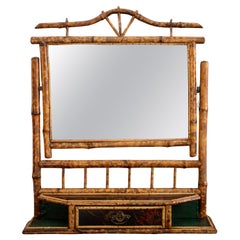
Antique Late 19th Century English Aesthetic Movement Easels
Bamboo, Wood
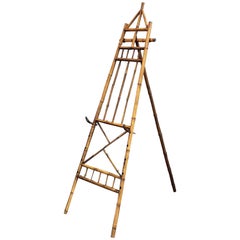
Antique 19th Century European Aesthetic Movement Beds and Bed Frames
Faux Bamboo, Pine
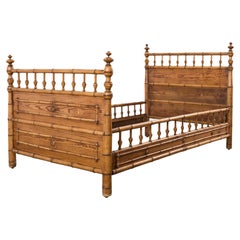
Antique 19th Century Aesthetic Movement Cabinets
Bamboo, Glass
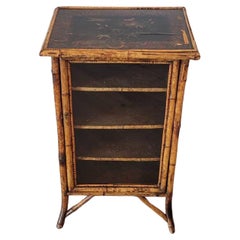
Antique Late 19th Century British Cabinets
Bamboo
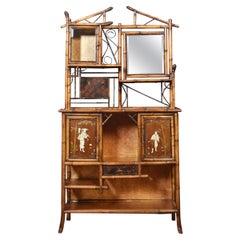
Early 20th Century English Aesthetic Movement Benches
Upholstery, Bamboo
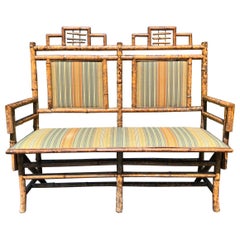
Early 20th Century American Aesthetic Movement Chairs
Fabric, Bamboo, Wood
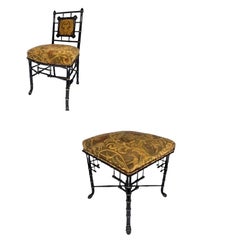
Antique Late 19th Century British Aesthetic Movement Side Tables
Bamboo
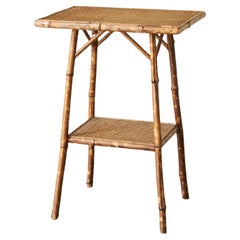
Antique Late 19th Century English Aesthetic Movement Bedroom Sets
Marble, Metal
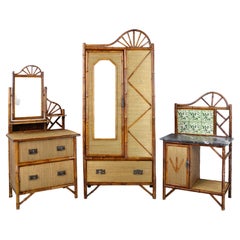
Antique 19th Century English Aesthetic Movement Beds and Bed Frames
Faux Bamboo, Fruitwood, Maple
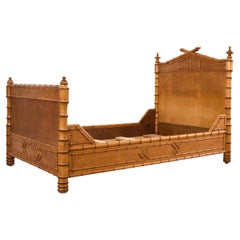
Early 20th Century English Aesthetic Movement Bookcases
Bamboo, Wood
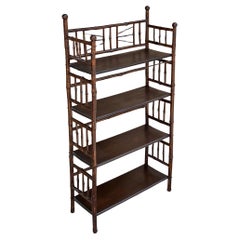
Vintage 1910s Desks and Writing Tables
Bamboo, Mahogany, Lacquer
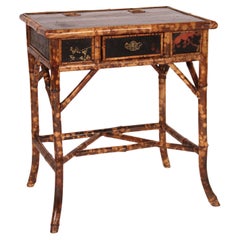
Mid-20th Century English Aesthetic Movement Desks
Brass
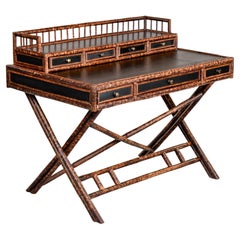
Antique Early 1900s English Chairs
Bamboo
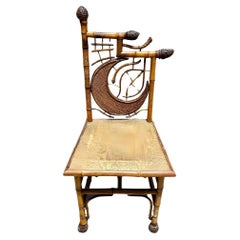
Antique Late 19th Century English Aesthetic Movement Side Tables
Bamboo, Lacquer
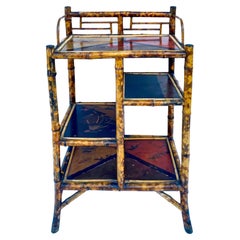
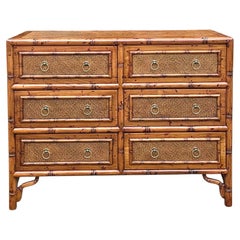
Late 20th Century Philippine Aesthetic Movement Commodes and Chests of D...
Brass
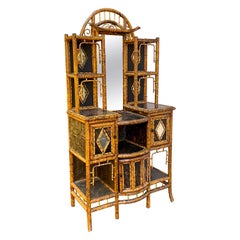
Antique Late 19th Century English Aesthetic Movement Cabinets
Bamboo, Mirror, Wood
Antique Late 19th Century English Aesthetic Movement Bookcases
Bamboo, Wood
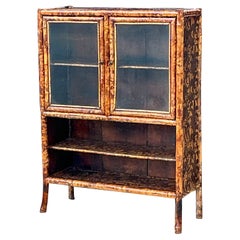
Antique Late 19th Century English Aesthetic Movement Cabinets
Lacquer, Wood, Bamboo
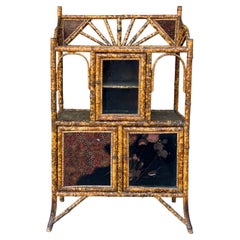
Antique 19th Century French Aesthetic Movement Desks and Writing Tables
Maple
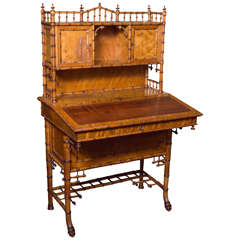
Antique Early 1900s American Late Victorian Pedestals
Bamboo, Organic Material
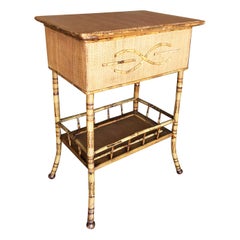
Antique Late 19th Century English Aesthetic Movement Desks and Writing T...
Bone, Bamboo, Wood
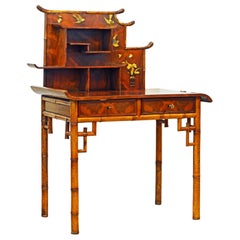
Antique 19th Century English Shelves
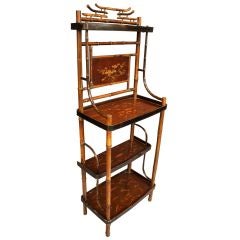
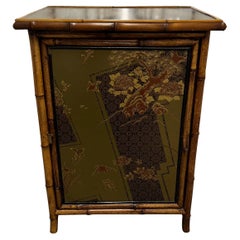
Antique 19th Century Cabinets
Bamboo, Lacquer
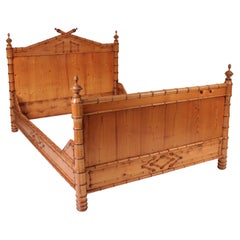
Vintage 1910s Beds and Bed Frames
Birch, Pine
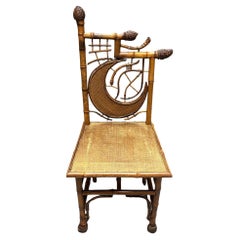
Antique Early 1900s English Chairs
Bamboo
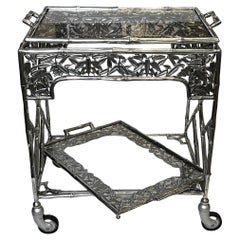
Mid-20th Century European Aesthetic Movement More Dining and Entertaining
Brass
- 1
Aesthetic Bamboo Furniture For Sale on 1stDibs
How Much is a Aesthetic Bamboo Furniture?
A Close Look at Aesthetic-movement Furniture
In 1880, polymath designer William Morris declared: “If you want a golden rule that will fit everybody, this is it: Have nothing in your houses that you do not know to be useful or believe to be beautiful.” His words encapsulated the Aesthetic Movement, which prized beauty above all and blurred the lines between fine art and the decorative arts, particularly through lavishly crafted furniture pieces.
The Aesthetic Movement, whose major proponents included author Oscar Wilde, flourished from the 1860s to the 1880s and was mostly popular in England and the United States. Design expositions like the 1876 Centennial International Exhibition in Philadelphia, as well as the publishing of how-to books for interior design, helped disseminate Aesthetic Movement bedroom furniture, serveware, coffee tables and other items, especially to the middle class.
The establishment of new art museums, art clubs and a rising passion for collecting at the time contributed to a growing appreciation for art. Morris’s founding of Morris Co. in 1862 and the commercializing of this “cult of beauty” by the Liberty store in London, starting in the late 19th century, further disseminated the idea of a domestic space that was thoughtfully and floridly designed.
Leading Aesthetic Movement furniture designers included E.W. Godwin, who drew on Japanese influences and whose work reflected a wider enthusiasm for imported East Asian art. British designer Christopher Dresser created textiles, ceramics and more that were also inspired by Japanese decorative art but were representative of additional diverse design sources that ranged from Egypt to Mexico.
The Aesthetic Movement’s eclecticism resulted in dazzling interiors. Japanese fans were positioned on Renaissance-inspired cabinets with brass hardware, while mantels made of rich walnut or finely carved ebonized wood and adorned with painted Minton tiles mingled with cast-iron chairs against a backdrop of floral wallpaper. In 1881, in New York City, stenciled checkerboard motifs and painted floral murals could be found under an opalescent glass chandelier in a luxurious dressing room designed by German émigré cabinetmaker-decorator George Alfred Schastey. Amid the rise of the industrial age, the style’s promotion of art in everyday life would inform the Arts and Crafts Movement and Art Nouveau.
Find a collection of antique Aesthetic Movement seating, tables, decorative objects and other furniture and antiques on 1stDibs.
- 1stDibs ExpertSeptember 23, 2024To identify bamboo furniture, use a magnifying glass to examine the grain pattern on your piece. Bamboo has a distinct grain consisting of short, straight lines and small nodes running in the same direction across a surface. Whirled or irregular grain patterns typically indicate that a piece is wood, not bamboo. If you wish to learn who produced your furniture, search the item for a maker's mark and then use trusted online resources to identify the manufacturer. Should you need any help with the identification process, consider using the services of a certified appraiser or experienced dealer. On 1stDibs, find a collection of bamboo furniture.
- Does bamboo furniture last?1 Answer1stDibs ExpertApril 5, 2022Yes, bamboo furniture is incredibly durable and as long as it’s cared for properly, it can last a long time. In fact, bamboo can be more resistant to damage than hardwoods, making it a popular choice for new or vintage furniture purchases. Shop a collection of Bamboo furniture from some of the world’s top sellers on 1stDibs.
- 1stDibs ExpertApril 5, 2022Yes, bamboo furniture can indeed be restored. Repair any mildly broken pieces with some heavy duty wood glue. The exterior can also be refinished by sanding off dirt and grime and repainting the piece. You’ll find a large collection of bamboo items from many of the world’s top sellers on 1stDibs.
- 1stDibs ExpertApril 5, 2022The first step in determining if an item is vintage bamboo is to first make sure it’s bamboo. Bamboo is inflexible, so if there are curved shapes in the design it is actually rattan, not bamboo. Your next step is to understand the style of the piece of furniture, the brand, and look for telltale signs that it is an authentic piece from that brand. Shop a range of antique and modern bamboo furniture on 1stDibs.
- 1stDibs ExpertFebruary 13, 2023Yes, bamboo is suitable for some outdoor furniture. However, you should only place bamboo pieces designed for outdoor use outside. Caring for and maintaining bamboo outdoor furniture is important for helping it stand the test of time. Shop a range of antique, new and vintage bamboo furniture on 1stDibs.
- 1stDibs ExpertOctober 7, 2024The difference between rattan and bamboo furniture comes down to materials. Bamboo is a wood-like material derived from perennial grasses in the Bambusoideae subfamily, while rattan is a stiff material made from vines in the Calamoideae subfamily. Generally, bamboo is heavier and less flexible than rattan, making for weightier furniture. Due to its flexibility, rattan can be woven into wicker or used in its raw form to build furniture. On 1stDibs, find a large collection of rattan and bamboo furniture.
- 1stDibs ExpertMay 5, 2023It varies how long outdoor bamboo furniture lasts. The quality of the craftsmanship, how much weather exposure pieces receive and how well you care for it will all impact the lifespan of furniture made of bamboo. Antique and vintage bamboo furniture can help introduce an air of relaxation in any space, and pairs well with chinoiserie decor and a range of porcelain decorative objects. On 1stDibs, shop a collection of bamboo furniture.