Aesthetic Movement Bamboo
Antique 1890s British Bohemian Furniture
Bamboo
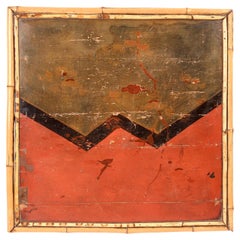
Antique 19th Century Chinese Chairs
Bamboo
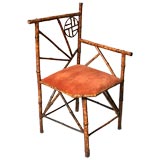
Antique 1880s English Aesthetic Movement Cabinets
Bamboo
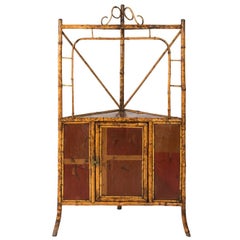
Antique Late 19th Century English Aesthetic Movement Desks and Writing T...
Bamboo, Wood
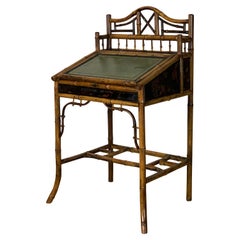
Antique 19th Century American Armchairs
Bamboo, Cane, Upholstery
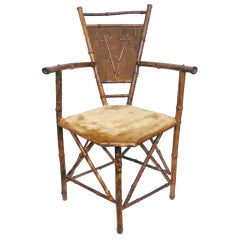
Antique 19th Century English End Tables
Bamboo, Natural Fiber
Antique 19th Century French Stools
Wood, Rush, Bamboo

Antique 19th Century English Cabinets
Bamboo, Alkyd
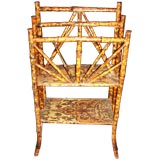
Antique 19th Century English Magazine Racks and Stands
Bamboo, Paper
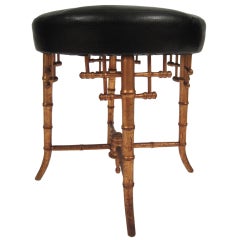
Antique 19th Century French Stools
Leather
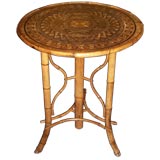
Antique 19th Century Swedish Tables
Wood
Antique 19th Century English Cabinets
Bamboo, Wood, Glass

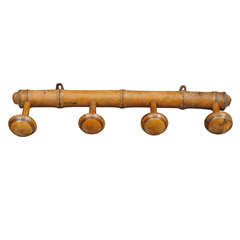
Antique 19th Century English Coat Racks and Stands
Wood, Paint
Antique Late 19th Century Aesthetic Movement Side Chairs
Wood
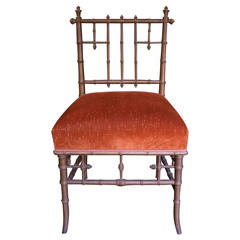
Antique Late 19th Century Aesthetic Movement Slipper Chairs
Wood
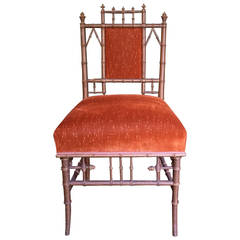
Antique 19th Century English Aesthetic Movement Corner Cupboards
Bamboo, Lacquer
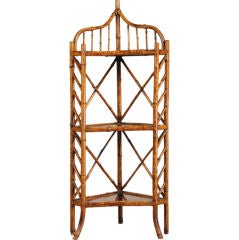
Antique 19th Century British Aesthetic Movement Chandeliers and Pendants
Tin
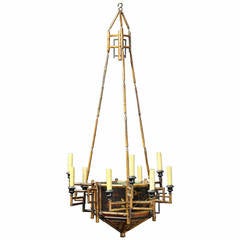
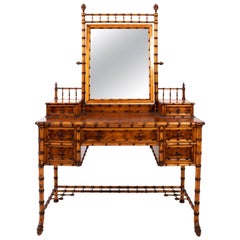
Antique 1870s American Aesthetic Movement Vanities
Birdseye Maple
Antique 19th Century English Cabinets
Bamboo
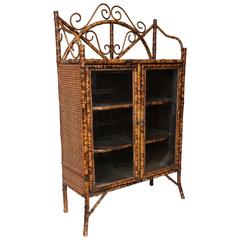
Antique Late 19th Century English Aesthetic Movement Shelves
Bamboo

Antique Late 19th Century French Aesthetic Movement Commodes and Chests ...
Bamboo, Wood

Early 20th Century British Aesthetic Movement Desks
Bamboo, Leather
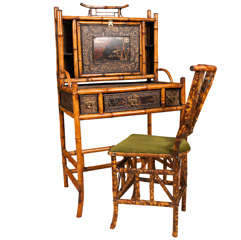
Antique Late 19th Century French Aesthetic Movement Fireplace Tools and ...
Wrought Iron
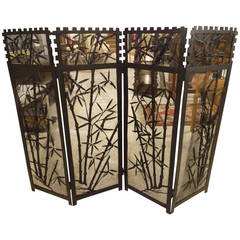
Antique 19th Century English Aesthetic Movement Desks and Writing Tables
Bamboo, Wood, Lacquer, Leather
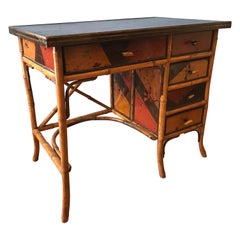
20th Century Unknown Aesthetic Movement Armchairs
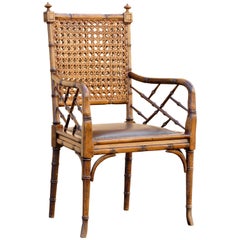
Antique 19th Century English Aesthetic Movement Dressers
Bamboo, Rattan
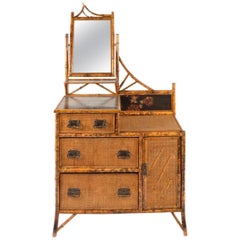
Antique 1870s English Aesthetic Movement Pottery
Earthenware
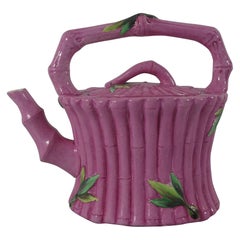
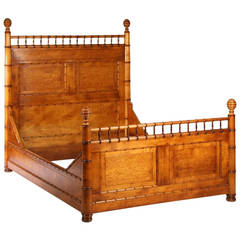
Antique Late 19th Century American Aesthetic Movement Beds and Bed Frames
Birdseye Maple, Maple
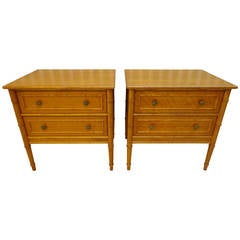
20th Century European Aesthetic Movement Commodes and Chests of Drawers
Wood
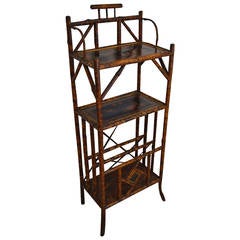
Antique Late 19th Century British Aesthetic Movement Bookcases
Bamboo, Lacquer, Paint
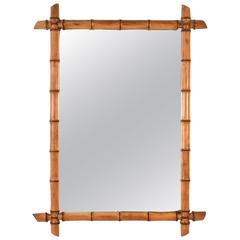
Antique 19th Century French Aesthetic Movement Wall Mirrors
Mirror, Wood
Antique Late 19th Century British Aesthetic Movement Wall Mirrors
Copper
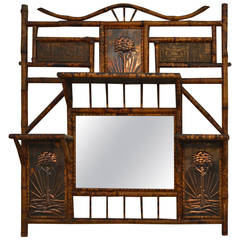
Antique 1870s French Aesthetic Movement Wall Mirrors
Bronze
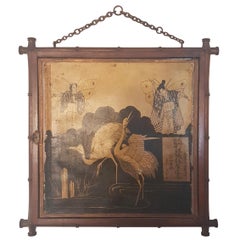
- 1
Aesthetic Movement Bamboo For Sale on 1stDibs
How Much is a Aesthetic Movement Bamboo?
A Close Look at Aesthetic-movement Furniture
In 1880, polymath designer William Morris declared: “If you want a golden rule that will fit everybody, this is it: Have nothing in your houses that you do not know to be useful or believe to be beautiful.” His words encapsulated the Aesthetic Movement, which prized beauty above all and blurred the lines between fine art and the decorative arts, particularly through lavishly crafted furniture pieces.
The Aesthetic Movement, whose major proponents included author Oscar Wilde, flourished from the 1860s to the 1880s and was mostly popular in England and the United States. Design expositions like the 1876 Centennial International Exhibition in Philadelphia, as well as the publishing of how-to books for interior design, helped disseminate Aesthetic Movement bedroom furniture, serveware, coffee tables and other items, especially to the middle class.
The establishment of new art museums, art clubs and a rising passion for collecting at the time contributed to a growing appreciation for art. Morris’s founding of Morris Co. in 1862 and the commercializing of this “cult of beauty” by the Liberty store in London, starting in the late 19th century, further disseminated the idea of a domestic space that was thoughtfully and floridly designed.
Leading Aesthetic Movement furniture designers included E.W. Godwin, who drew on Japanese influences and whose work reflected a wider enthusiasm for imported East Asian art. British designer Christopher Dresser created textiles, ceramics and more that were also inspired by Japanese decorative art but were representative of additional diverse design sources that ranged from Egypt to Mexico.
The Aesthetic Movement’s eclecticism resulted in dazzling interiors. Japanese fans were positioned on Renaissance-inspired cabinets with brass hardware, while mantels made of rich walnut or finely carved ebonized wood and adorned with painted Minton tiles mingled with cast-iron chairs against a backdrop of floral wallpaper. In 1881, in New York City, stenciled checkerboard motifs and painted floral murals could be found under an opalescent glass chandelier in a luxurious dressing room designed by German émigré cabinetmaker-decorator George Alfred Schastey. Amid the rise of the industrial age, the style’s promotion of art in everyday life would inform the Arts and Crafts Movement and Art Nouveau.
Find a collection of antique Aesthetic Movement seating, tables, decorative objects and other furniture and antiques on 1stDibs.
- 1stDibs ExpertJanuary 27, 2025One of the most famous artists of the Aesthetics movement named Whistler was James McNeill Whistler. Like other proponents of the Aesthetics movement, he believed in producing art for art's sake. Some of his best-known works include Symphony in White, No. 1: The White Girl; Nocturne in Black and Gold; The Falling Rocket and Arrangement in Grey and Black No. 1., more commonly referred to as Whistler's Mother. On 1stDibs, explore an assortment of James McNeill Whistler art.