Alaia Floral Skirt
21st Century and Contemporary Italian Skirts
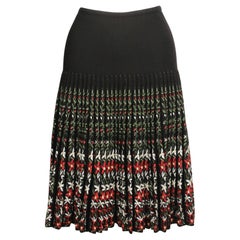
21st Century and Contemporary Italian Skirts
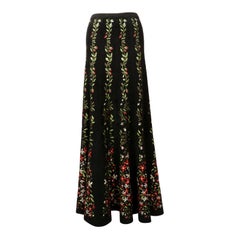

21st Century and Contemporary Italian Skirts
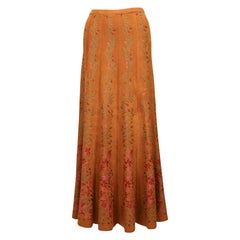
1990s French Skirts
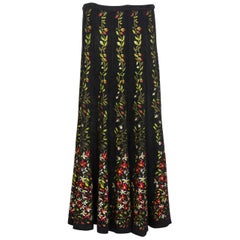
Recent Sales
Late 20th Century French Pleated Skirts
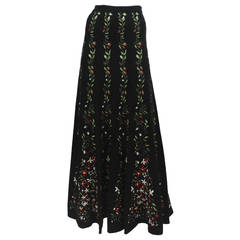
1990s French Skirts
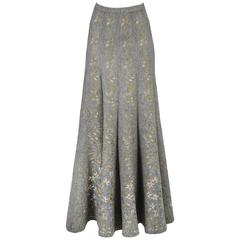
1990s French Skirts
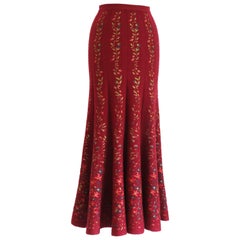
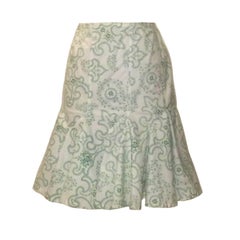
2010s Italian Flare Skirts
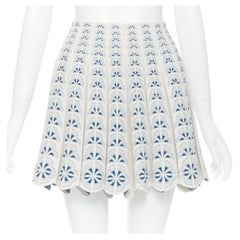
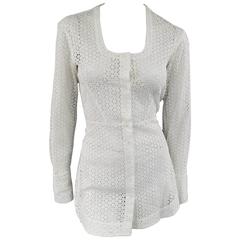
21st Century and Contemporary Italian Blouses
1990s Italian Skirts
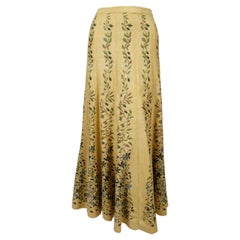
Late 20th Century French Flare Skirts
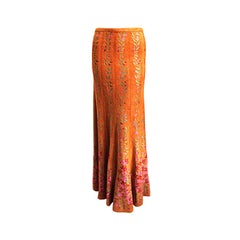
21st Century and Contemporary Italian Flare Skirts
21st Century and Contemporary Italian Mini Dresses
People Also Browsed
Late 20th Century French Cardigans
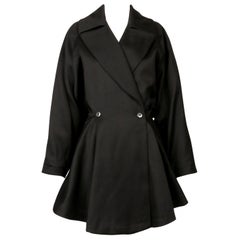
1990s Italian Coats and Outerwear
1980s Italian Bustiers
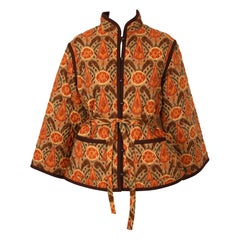
1970s French Jackets
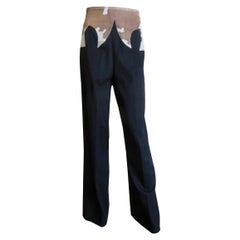
1990s Italian Pants
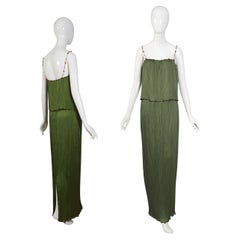
1990s French Evening Dresses and Gowns
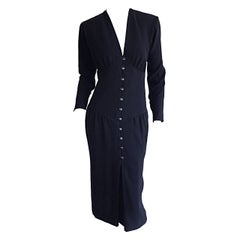
1980s French Cocktail Dresses
Early 2000s French Evening Dresses and Gowns
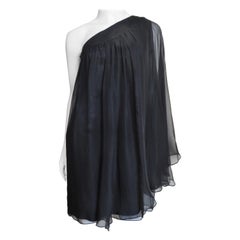
1990s French Cocktail Dresses
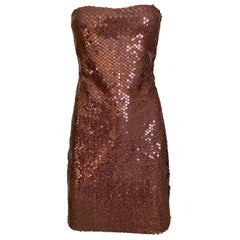
Early 2000s Italian Jeans
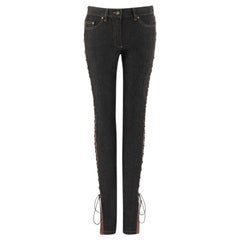
2010s Day Dresses
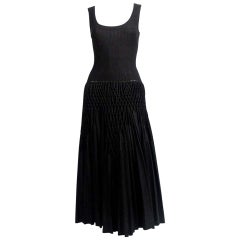
1980s French Coats and Outerwear
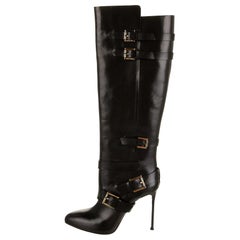
2010s Italian Boots
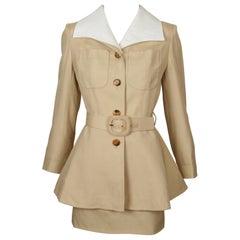
1990s Italian Suits, Outfits and Ensembles
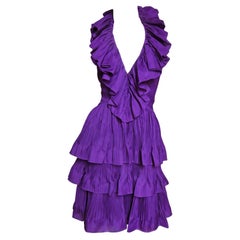
Early 2000s French Evening Dresses and Gowns
Early 2000s French Crop Tops
Azzedine Alaïa for sale on 1stDibs
Master Couturier, King of Cling: legendary fashion designer Azzedine Alaïa (1935–2017) is known by many names, each referring to his unparalleled ability to mold fabric onto the female form in unexpected and radical ways. The Tunisian-born designer spent his entire life in relentless pursuit of a wholly distinctive and most-flattering fit.
“For me, fashion is the body,” said Alaïa. “I make clothes; women make fashion.”
Alaïa is credited with inventing the supermodel through his exclusive fashion shows, the body-con dress — which, quite literally, hugs the body and emphasizes and embraces every curve — and pioneering what industry professionals have taken to calling “slow fashion.” The designer openly rejected empty, of-the-moment fads as well as the structure of biannual seasons and instead took his time, unhurried by press and releasing collections at his own pace. Most importantly, Alaïa was a visionary when it came to traditional notions of femininity and sexuality. At a time when loose, soft silhouettes were the norm, Alaïa’s sexy, waist-cinching hourglass and body-con outfits were shocking.
Alaïa’s “body-conscious clothes,” wrote fashion critic Suzy Menkes, “seemed a deliberate challenge — throwing down a sexist gauntlet in a feminist world.”
While powerful women such as Madonna, Michelle Obama, Naomi Campbell and Christy Turlington wear Alaïa’s creations today, his origins were remarkably humble.
Born to a farming family, Alaïa always had a creative streak. As a young boy, he would flip through women’s fashion magazines and quickly became interested in the design of women's clothing. He went on to study sculpture at the School of Fine Arts in Tunis and later worked as a tailor for a dressmaker before he found work creating garments based on Parisian haute couture designs. The combination of his classical training in sculpture and practical experience as a tailor convinced Alaïa that fashion was his calling. In 1957, he moved to Paris and worked for Christian Dior for less than a week before being fired. From there, Alaïa secured a job with Guy Laroche and opened his own maison in the 1970s.
At his core, Alaïa was a couturier who cut and sewed his samples himself. He also experimented with zips, seams, unexpected materials, textures, animal prints and floral patterns like an artist. Today, Alaïa’s clothes look untouched by the passage of time and the various trends that have materialized since their debut; they are as fresh, stylish and stunning as ever. His garments are pop-culture icons in their own right: Cher Horowitz, played by Alicia Silverstone in 1995’s Clueless, exasperated with a perpetrator holding her at gunpoint, declares, “But this is an Alaïa!”
Vintage Alaïa evening dresses, skirts and other attire continue to influence contemporary designers such as Nicolas Ghesquière and Hervé Léger. Not only are his clothes timeless in their glamour, but they also represent the groundbreaking vision of an artist, one who was known to proclaim, “I am not a designer. I am a couturier.”
Find a collection of Azzedine Alaïa day dresses, suits, jackets and more on 1stDibs.
Finding the Right Skirts for You
For everyday casual wear, elevating your look at the office or making a dramatic entrance at a formal event, authentic designer and vintage skirts are reliably versatile garments.
Skirts have been around for thousands of years. A woman’s straw skirt found in an Armenian cave is believed to have been handwoven in 3,900 B.C., and long, full skirts were worn by men and women in Ancient Egypt and Ancient Mesopotamia. Over time, the hemlines might have changed significantly but the skirt’s integral role in fashion has remained in place.
By the early 1900s, skirt hemlines had crept up slightly to ankle-length height from the densely layered floor-length style that dominated the Victorian era — a radical shift. As women in the United States began to live more active lives during the 1920s, designers such as Gabrielle “Coco” Chanel sought to free them from the long skirts and other constrictions that persevered in fashion by introducing her first little black dress. That same decade, she debuted her perfume, Chanel No. 5, as well as the Chanel suit with a fitted skirt, inspired by the boxy lines of men’s clothing and employing a sporty tweed.
Advancements in swimwear during the 1920s and 1930s also reflected a climbing hemline. Visionary designers such as Elsa Schiaparelli eventually pushed the boundaries of modesty with her backless suit, but women still wore long garments in public. Also during the so-called Roaring ’20s, short flapper dresses that fell at the knees and boasted a free-flowing sack-like silhouette, as well as chic beaded evening gowns and floral day dresses, paired fabulously with the dazzling jewelry of the era. This proved to be just a fleeting deviation from prevailing social convention, however. Skirts grew longer again in the 1930s, even if bows and other embellishments were added. As women entered the workforce in large numbers, clean lines accentuated curves and flared slightly where the material resolved at the ankles.
After World War II, France earned recognition as the center of fashion design for women. It was the golden age of haute couture, and women, quick to dispense of the drab utilitarian wartime garb that hung in their closets, pined for luxurious, elegant skirts designed by Christian Dior, Chanel, Givenchy and others, which were splashed across the pages of Vogue and Harper’s Bazaar in richly colored photographs shot by the likes of Richard Avedon and David Bailey. The 1960s introduced narrow pencil skirts and provocative minis emblazoned with geometrically dazzling patterns or bright floral prints by designers such as Emilio Pucci, Pierre Cardin and Lilly Pulitzer. By the 1970s, women felt emboldened to wear different varieties of this all-purpose garment, exploring wraps, crushed velvet maxis and other styles crafted by Halston, André Courrèges, Yves Saint Laurent and others.
On 1stDibs, find a wide range of designer and vintage skirts for any gender by Prada, Dolce Gabbana, Alexander McQueen and more. Whether it’s a skirt that can be altered to suit a specific style or an addition that’s ready to join your cherished collection, find exactly what you’re looking for today.
- 1stDibs ExpertOctober 12, 2021Azzedine Alaia, a French fashion designer known as the “King of Cling,” is known for his body-hugging designs that were sculpted to celebrate the female form. On 1stDibs, find a variety of dresses from Azzedine Alaia.