Alain Moatti
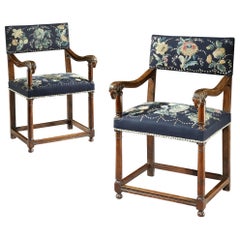
Antique 16th Century French Renaissance Armchairs
Walnut

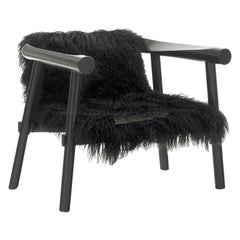
2010s French Modern Armchairs
Goatskin, Goat Hair, Beech
- 1
Alain Moatti For Sale on 1stDibs
How Much is a Alain Moatti?
A Close Look at Modern Furniture
The late 19th and early 20th centuries saw sweeping social change and major scientific advances — both of which contributed to a new aesthetic: modernism. Rejecting the rigidity of Victorian artistic conventions, modernists sought a new means of expression. References to the natural world and ornate classical embellishments gave way to the sleek simplicity of the Machine Age. Architect Philip Johnson characterized the hallmarks of modernism as “machine-like simplicity, smoothness or surface [and] avoidance of ornament.”
Early practitioners of modernist design include the De Stijl (“The Style”) group, founded in the Netherlands in 1917, and the Bauhaus School, founded two years later in Germany.
Followers of both groups produced sleek, spare designs — many of which became icons of daily life in the 20th century. The modernists rejected both natural and historical references and relied primarily on industrial materials such as metal, glass, plywood, and, later, plastics. While Bauhaus principals Marcel Breuer and Ludwig Mies van der Rohe created furniture from mass-produced, chrome-plated steel, American visionaries like Charles and Ray Eames worked in materials as novel as molded plywood and fiberglass. Today, Breuer’s Wassily chair, Mies van der Rohe’s Barcelona chair — crafted with his romantic partner, designer Lilly Reich — and the Eames lounge chair are emblems of progressive design and vintage originals are prized cornerstones of collections.
It’s difficult to overstate the influence that modernism continues to wield over designers and architects — and equally difficult to overstate how revolutionary it was when it first appeared a century ago. But because modernist furniture designs are so simple, they can blend in seamlessly with just about any type of décor. Don’t overlook them.
Read More
Joan Mitchell’s Rare, Late-Career Diptych Buzzes with Life
Beneath the inky blackness, the painter’s irrepressible energy electrifies this pair of intaglio prints.
39 Incredible Swimming Pools
It's hard to resist the allure of a beautiful pool. So, go ahead and daydream about whiling away your summer in paradise.
The 21 Most Popular Mid-Century Modern Chairs
You know the designs, now get the stories about how they came to be.
Why Is Italy Such a Hotbed of Cool Design?
Patrizio Chiarparini of Brooklyn’s Duplex gallery sheds light on the lasting legacy of Italy’s postwar furniture boom.
Eileen Gray’s Famed Cliffside Villa in the South of France Is Returned to Its Modernist Glory
After years of diligent restoration, E-1027, the designer-cum-architect’s marriage of romance and modernism, is finally complete.
12 Calming Spaces Inspired by Japanese Design
From cherry-blossom-adorned walls paired with glamorous lighting to wood-paneled ceilings above checkerboard-patterned chairs, these 12 spaces seamlessly blend Eastern and Western aesthetics.
Eileen Gray’s Deco Designs Launched Modernism. That Was Just the Beginning
Decades after her death, appreciation for the legendary designer and architect's work continues to flourish.
Harvey Probber Was the Godfather of Modern Modular Seating
The forward-thinking designer is finally getting his due.