Ancient Chinese Furniture
Antique 15th Century and Earlier Chinese Ming Antiquities
Pottery
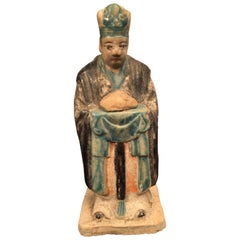

Antique 16th Century Chinese Ming Sculptures and Carvings
Limestone
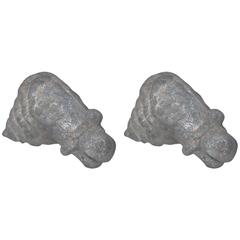
Antique 15th Century and Earlier Chinese Ming Sculptures and Carvings
Iron
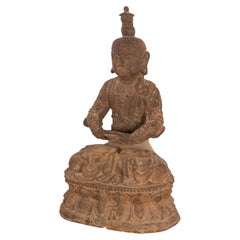
Antique 16th Century Chinese Ming Ceramics
Ceramic, Pottery
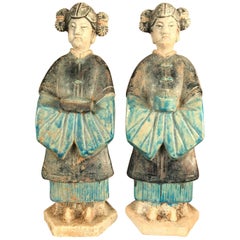
Antique 15th Century and Earlier Chinese Other Vases
Pottery
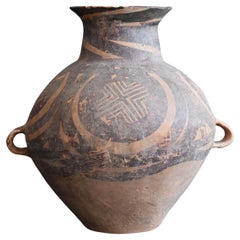
Antique 15th Century and Earlier Chinese Antiquities
Jade
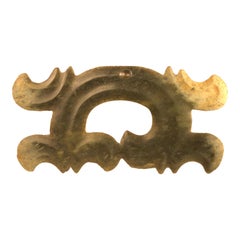
Antique 15th Century and Earlier Chinese Tang Furniture
Terracotta
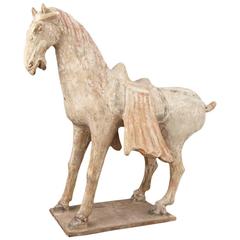
Antique 15th Century and Earlier Chinese Ming Antiquities
Ceramic, Pottery
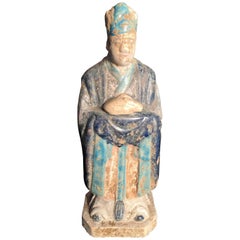
Antique 15th Century and Earlier Chinese Ming Ceramics
Ceramic, Pottery
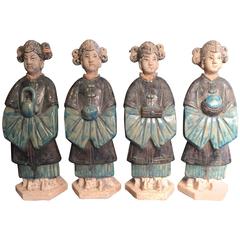
Antique 15th Century and Earlier Chinese Ming Sculptures and Carvings
Ceramic
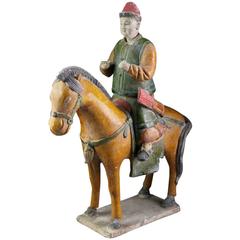
Antique 15th Century and Earlier Chinese Ming Antiquities
Ceramic, Pottery
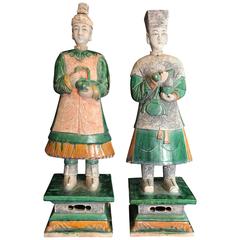
Antique 15th Century and Earlier Chinese Ming Antiquities
Ceramic, Pottery
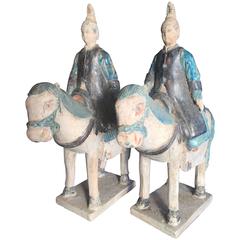
Antique 15th Century and Earlier Chinese Scholar s Objects
Jade
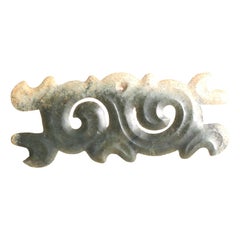
Antique 15th Century and Earlier Chinese Han Antiquities
Bronze
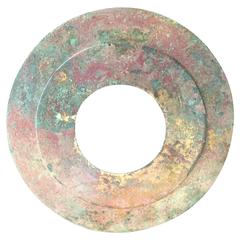
Antique 19th Century Asian Meiji Figurative Sculptures
Bronze
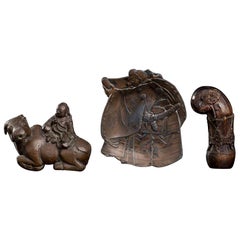
Antique 15th Century and Earlier Ming Antiquities
Ceramic, Pottery
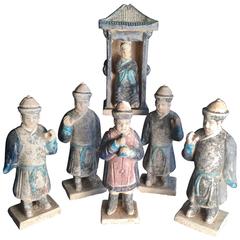
Antique 15th Century and Earlier Antiquities
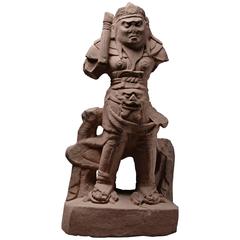
Antique 15th Century and Earlier Chinese Han Sculptures and Carvings
Terracotta
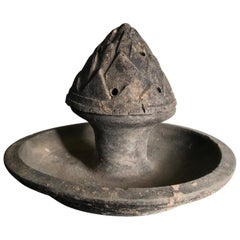
Vintage 1940s American Mid-Century Modern Table Lamps
Iron
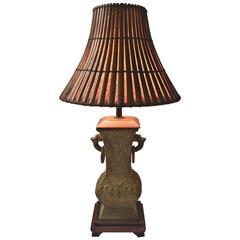
Antique 15th Century and Earlier Sculptures and Carvings
Ceramic
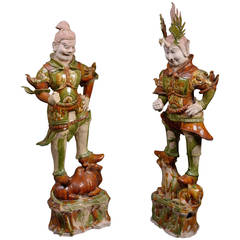
Antique 15th Century and Earlier Chinese Ming Sculptures and Carvings
Ceramic, Pottery
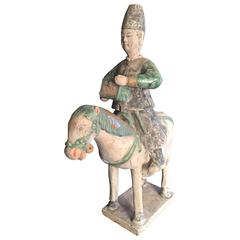
Antique 18th Century and Earlier Chinese Ceramics
Pottery
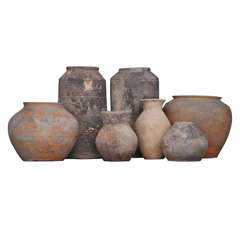
Antique 15th Century and Earlier Antiquities
Pottery
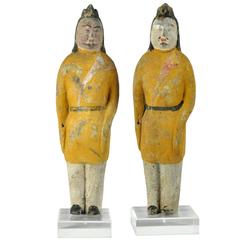
Antique 15th Century and Earlier Ming Antiquities
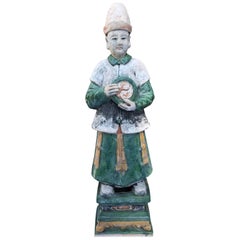
Antique 18th Century and Earlier Chinese Ceramics
Pottery
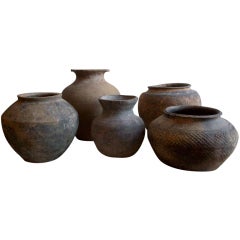
Antique 15th Century and Earlier Antiquities
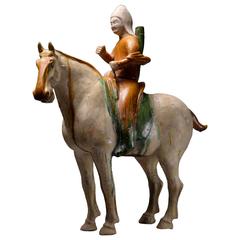
Antique Late 19th Century Asian Sculptures and Carvings
Soapstone
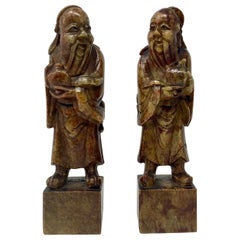
Antique 15th Century and Earlier Chinese Antiquities
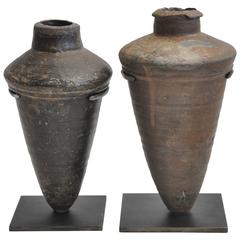
Antique Early 1900s Chinese Chinoiserie Ceramics
Ceramic
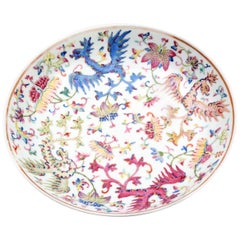
Antique 15th Century and Earlier Chinese Sculptures and Carvings
Jade
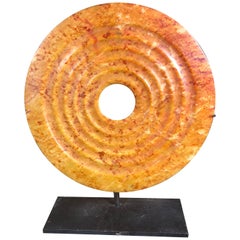
Antique 15th Century and Earlier Chinese Ming Chinese and East Asian Rugs
Ceramic, Pottery
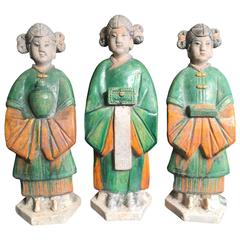
Late 20th Century Tibetan Chinese Export Chinese and East Asian Rugs
Wool
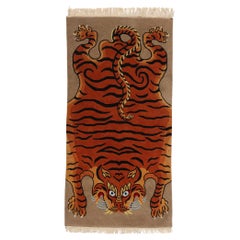
Antique 15th Century and Earlier Chinese Antiquities
Wood
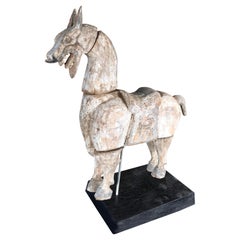
Antique Early 1900s Chinese Chinese Export Antiquities
Porcelain
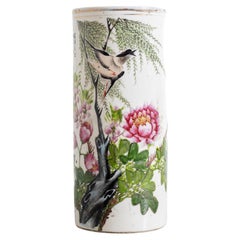
Antique 18th Century and Earlier Antiquities
Bronze
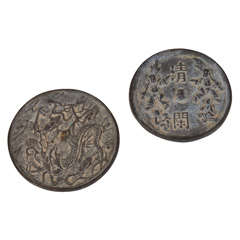
Antique 19th Century Chinese Ceramics
Porcelain
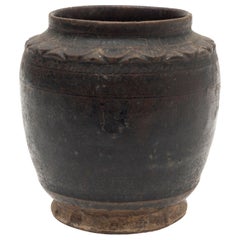
Antique 17th Century Chinese Pitchers
Ceramic
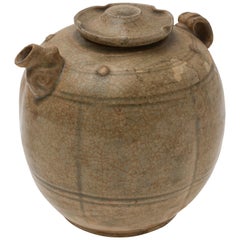
Antique 19th Century Chinese Ceramics
Porcelain
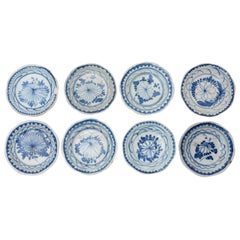
Antique 18th Century Chinese Qing Antiquities
Bronze
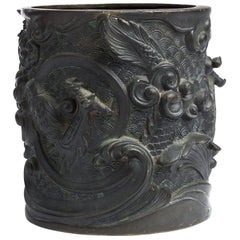
Antique 15th Century and Earlier Chinese Antiquities
Jade
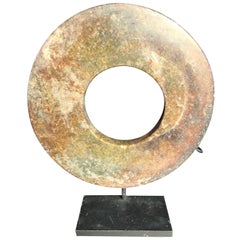
Antique 15th Century and Earlier Chinese Sculptures and Carvings
Jade
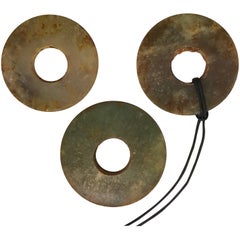
Antique 15th Century and Earlier Chinese Antiquities
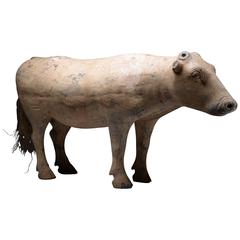
Antique 15th Century and Earlier Chinese Antiquities
Quartz
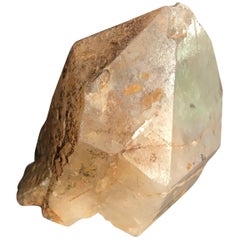
Antique 15th Century and Earlier Chinese Han Antiquities
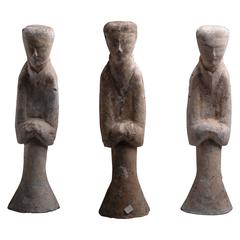
Antique 15th Century and Earlier Chinese Antiquities
Bronze
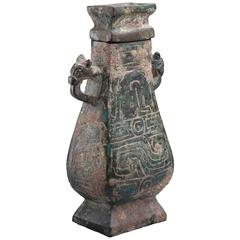
Antique 15th Century and Earlier Chinese Antiquities
Pottery
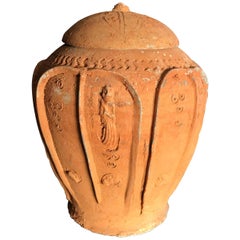
Antique 15th Century and Earlier Chinese Antiquities
Pottery
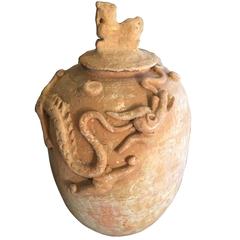
Antique 15th Century and Earlier Chinese Antiquities
Pottery
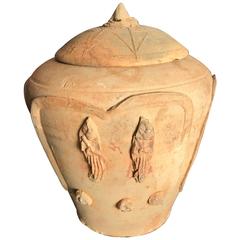
Antique 15th Century and Earlier Chinese Antiquities
Pottery
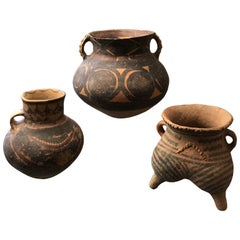
Antique 15th Century and Earlier Chinese Sculptures and Carvings
Terracotta
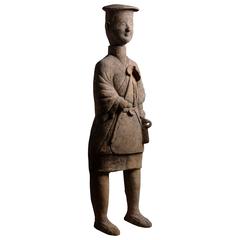
Antique 16th Century Chinese Ming Sculptures and Carvings
Ceramic
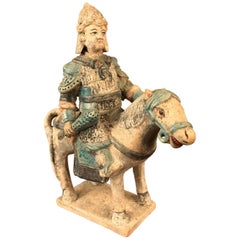
Antique 15th Century and Earlier Chinese Antiquities
Quartz
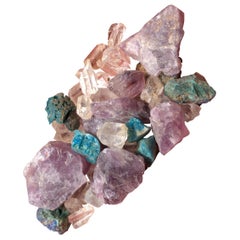
Antique Late 19th Century Chinese Ceramics
Porcelain
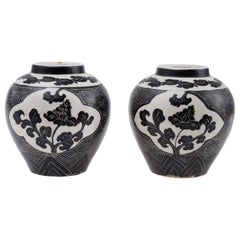
Antique 18th Century and Earlier Chinese Console Tables
Limestone
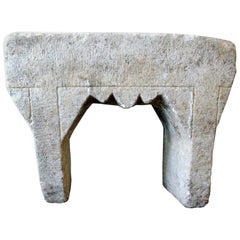
Antique 15th Century and Earlier Chinese Antiquities
Jade
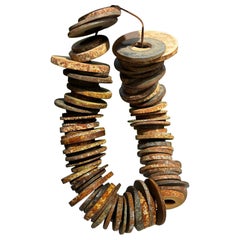
Antique 15th Century and Earlier Chinese Antiquities
Jade
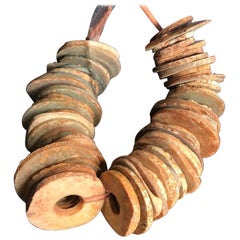
Antique 15th Century and Earlier Chinese Antiquities
Jade
- 1
Ancient Chinese Furniture For Sale on 1stDibs
How Much is a Ancient Chinese Furniture?
Finding the Right Asian Art And Furniture for You
From Japanese handmade earthenware pottery, originating circa 14,500 B.C. and adorned with elaborate corded patterns known as jōmon, to natural elm case pieces and storage cabinets built in Qing dynasty–era China to mid-century Thai rice-paper charcoal rubbings, antique and vintage Asian art and furniture make for wonderful additions to all kinds of contemporary interiors.
Eastern elements elevate any home’s decor. Introduce zen sensibility to your living room, dining room and bedroom with the neutral color palettes and the natural materials such as rattan, bamboo and elm that we typically associate with traditional Asian furniture. Decorative handwoven embroideries and textiles originating from India and elsewhere on the continent, which can be draped over a bed or sofa or used as a wall hanging, can be as practical as they are functional, just as you wouldn’t seek out Japanese room-divider screens — often decorated with paintings but constructed to be lightweight and mobile — merely for privacy.
With everything from blanket chests to lighting fixtures to sculptures and carvings, it’s easy to tastefully bring serenity to your living space by looking to the treasures for which the East has long been known.
For British-born furniture designer Andrianna Shamaris, the Japanese concept of beauty in imperfection isn’t limited to her Wabi Sabi collection. She embraces it in her New York City apartment as well. In the living area, for instance, she retained the fireplace’s original black marble while swathing its frame and the rest of the room in bright white.
“We left the fireplace very clean and wabi-sabi, so that it blended into the wall,” says Shamaris, who further appointed the space with a hand-carved antique daybed whose plush pillows are upholstered in antique textiles from the Indonesian island of Sumba.
In the growing antique and vintage Asian art and furniture collection on 1stDibs, find ceramics from China, antiquities from Cambodia and a vast range of tables, seating, dining chairs and other items from Japan, India and other countries.
- 1stDibs ExpertApril 5, 2022In ancient China, pottery was primarily used for cooking, storing and serving food. Throughout the Han Dynasty, the art of pottery evolved to include ceramic figures, the best example of this being the TerraCotta Warriors who guard the tomb of Emperor Qin Shi Huang. Find a variety of antique Chinese pottery from many different eras on 1stDibs.
- 1stDibs ExpertJune 15, 2023To care for Chinese lacquered furniture, wipe it with a damp cloth regularly. You can use a paste wax intended for use on lacquer finishes to restore shine, but avoid using harsh furniture polishes and cleaners on pieces. On 1stDibs, shop a range of lacquered furniture.
- 1stDibs ExpertApril 5, 2022Chinese-style furniture is usually called Chinoiserie. The term indicates furniture and decorative objects produced in Europe and North America that borrow design elements from pieces made in China and other East Asian countries. On 1stDibs, find a collection of Chinoiserie.
- 1stDibs ExpertNovember 4, 2024To identify antique Chinese furniture, look carefully at its details. Chinese craftsmen often built furniture using mortise and tenon joinery, eliminating the need for nails and screws. If you see this type of hardware, your piece is likely not at least 100 years old, especially if the hardware still looks new and shiny. Since antique furniture was handmade, you will normally see slight imperfections, such as tool marks or slight variations in carvings. Pieces that appear completely uniform and pristine are less often genuine antiques.
When present, maker's marks can also be helpful. Research the marks to learn more about when the maker was active and producing pieces like yours. Alternatively, you can have a certified appraiser or experienced antique dealer evaluate your furniture for you.
Shop an assortment of antique Chinese furniture.  PAGODA REDOctober 7, 2020
To determine the age of a Chinese furniture piece, look carefully at the joinery and finish. Natural expansion and contraction of the wood over time will cause a joint to protrude or retract, distorting a once-seamless fit. Antique lacquer finishes become crackled and worn over time. Areas of exposed wood, such as the underside of a table, the footrest of a chair, or the back of a cabinet should appear raw and dry compared to the finished surface. With use, the legs of tables and chairs become weathered near the bottom from precipitation and use.
Read More
Symbols of Happiness and Rebirth Adorn This Japanese Satsuma Bowl
Decorated with white cranes and the sought-after thousand-butterflies motif, the Meiji-period vessel offers both a celebration of traditional aesthetics and a clear reflection of the era’s appetite for exquisite export pieces.
Chicago’s Pagoda Red Has a Spirited Mix of Asian Antiques and Bold New Art
For 25 years, gallerist Betsy Nathan has leveraged her keen eye and key connections to bring a unique selection of rare finds to the market.
In L.A., Gallerist JF Chen Has Long Championed Eclectic Blue-Chip Design
Now working alongside his daughter Bianca, dealer Joel Chen has presented a most covetable array of antiques, art and contemporary creations for more than 40 years.
12 Calming Spaces Inspired by Japanese Design
From cherry-blossom-adorned walls paired with glamorous lighting to wood-paneled ceilings above checkerboard-patterned chairs, these 12 spaces seamlessly blend Eastern and Western aesthetics.
Rodrigo Rivero Lake’s Mexico City Showroom Is a Museum-Worthy Trove of Spanish Colonial and Asian Antiques
The dealer and curator has spent the past 50 years amassing a collection of exceptional art, furniture and architectural elements that trace the cultural influence of the Spanish empire from Europe to the Americas and beyond.
16 Refined Asian-Inspired Interiors
These spaces exemplify how Eastern elements elevate a home's decor.