Andre Sornay Dresser
Mid-20th Century French Mid-Century Modern Dressers
Leather

Recent Sales
Vintage 1960s French Dressers
Brass
Vintage 1950s French Dressers
Oak
Vintage 1950s French Dressers
Oak
Vintage 1950s French Dressers
Oak
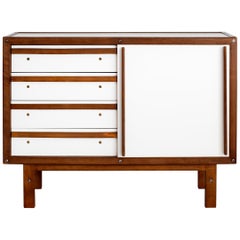
Vintage 1950s French Dressers
Metal, Iron
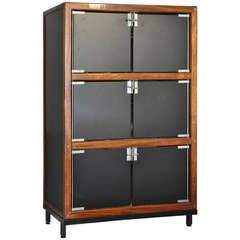
Vintage 1950s French Mid-Century Modern Buffets
Formica, Mahogany
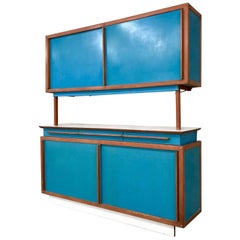
Vintage 1950s French Dressers
Wood, Lacquer
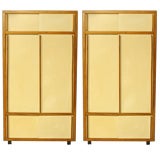
Vintage 1950s French Dressers
Oak
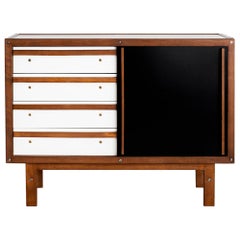
Vintage 1950s French Dressers
Oak
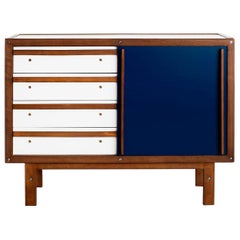
Vintage 1950s French Wardrobes and Armoires
People Also Browsed
2010s American Modern Chandeliers and Pendants
Aluminum, Bronze
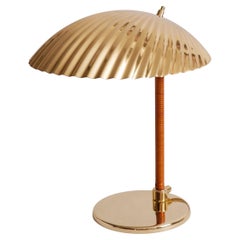
21st Century and Contemporary Finnish Mid-Century Modern Table Lamps
Brass, Metal
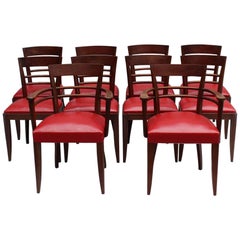
Vintage 1940s French Art Deco Dining Room Chairs
Mahogany, Faux Leather
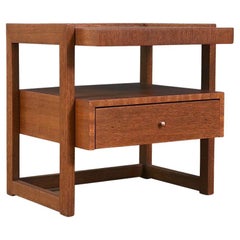
Vintage 1950s American Mid-Century Modern Night Stands
Wood, Mahogany, Walnut
21st Century and Contemporary American Wall Lights and Sconces
Sheet Metal
21st Century and Contemporary Austrian Mid-Century Modern Floor Lamps
Iron, Brass
Vintage 1960s French Mid-Century Modern Wall Lights and Sconces
Metal, Aluminum
21st Century and Contemporary Finnish Scandinavian Modern Floor Lamps
Brass
2010s American Modern Screens and Room Dividers
Hardwood
Mid-20th Century Desks and Writing Tables
Beech
Vintage 1970s Mid-Century Modern Credenzas
Wood
Antique 19th Century Italian Other Commodes and Chests of Drawers
Wood
Vintage 1930s French Art Deco Beds and Bed Frames
Oak
Vintage 1940s French Mid-Century Modern Sideboards
Wood
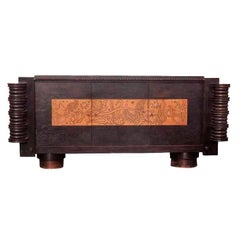
Late 20th Century Neoclassical Console Tables
Granite, Brass, Steel
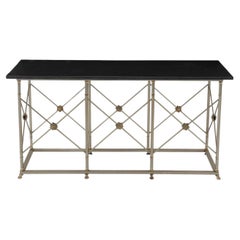
Antique 1860s French Directoire Bookcases
Gold
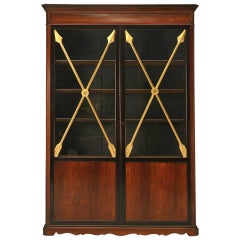
Andre Sornay Dresser For Sale on 1stDibs
How Much is a Andre Sornay Dresser?
Andre Sornay for sale on 1stDibs
Although he is among the least known of the like-minded French Art Deco furniture designers of his era, André Sornay introduced innovative fabrication techniques and a unique decorative style to his modernist seating, case pieces and other creations.
Sornay was born in Lyon in 1902, and graduated from École Nationale Supérieure des Beaux-Arts de Lyon in 1918. His career as a furniture designer began in 1919 when he was appointed head of his family’s furniture company after his father’s death.
In the early 1920s — inspired by the Bauhaus and De Stijl as well as his friends and fellow French avant-garde designers Francis Jourdain and Pierre Chareau — Sornay shifted the company’s focus from manufacturing period reproductions to creating contemporary designs.
Sornay’s work fused tradition with modernism. He preferred to work with metals, exotic woods such as mahogany and rosewood, rubber and Duco lacquer for a range of cabinets, desks, chairs and mirrors. Sornay’s pieces featured sleek brass drawer pulls and sharply geometric lines, and the distinctive mode that he worked in was known throughout Lyon as “Le Style Sornay.”
Sornay was also recognized for his inventive design methods that were not only decorative but functional. In 1932, he patented the cloudage technique — studding the perimeter of veneered furniture panels with uniform brass nails. Sornay integrated this technique into his wardrobes, side tables and the armchairs he designed, which were frequently defined by clean lines and sharp angles. In the early 1950s, he also patented a technique called the “Tigette,” which allowed for quick and easy assembly or disassembly of modular furniture — a forerunner to IKEA’s flat-packed furniture.
While Sornay isn’t as well known as other European modernists like Le Corbusier and Charlotte Perriand, he attracted modest attention at exhibitions of the day, such as the 1923 Salon d’Automne and the 1925 Exposition Internationale des Arts Décoratifs et Industriels Modernes in Paris, the design fair that brought the Art Deco style to the world. He was awarded the bronze medal at Paris’s Exposition Internationale des Arts et Techniques dans la Vie Moderne in 1937.
In the late 1950s, Sornay ceded control of his furniture design company to his children, remaining as an advisor until production ceased in 1999. He died the following year.
On 1stDibs, discover a range of vintage André Sornay case pieces and storage cabinets, seating and tables.
Finding the Right Dressers for You
Antique, new and vintage dressers are a staple in any household. Whether it’s a 19th-century solid pine or oak Welsh kitchen dresser you’re using to store tableware or a Broyhill Brasilia highboy in your bedroom, these furniture fixtures are essential for making the most of your space.
The first step in finding the perfect dresser is considering your particular needs. Most tall dressers offer anywhere from five to seven drawers, essentially allowing for the organization of an entire wardrobe, while shorter, waist-height dresser varieties can be equipped with a convenient vanity mirror.
A highboy dresser is usually around six feet tall, with some versions standing even taller at seven feet or so. Highboys, which began to appear with frequency during the early 17th century in England, are essentially very tall dressers with lots of drawers, whereas a lowboy is a different type of storage furniture in that it's a dressing table with one or two rows of drawers.
When shopping for your antique or vintage dresser, consider those that bear the hallmarks of solid construction. Good furniture means making an investment, and solid hardwood pieces of maple, walnut or cherry will prove far more durable than a bedroom dresser made of particleboard.
If you’re looking for a mid-century modern case piece that boasts a subdued pairing of wood grains and uncomplicated drawer pulls, browse elegant dressers designed by Florence Knoll, Harvey Probber, Paul McCobb and other furniture makers associated with the celebrated style on 1stDibs.
Dressers characterized by bolder designs are also popular: Not only will your new piece of furniture be a storage solution, but it'll also make a statement.
Art Deco furniture makers preferred to work with dark woods and typically incorporated decorative embellishments. An ornately carved French or Italian Art Deco dresser complete with vanity mirror and cabriole scrolled feet might better complement the other pieces in your home. Alternatively, if you favor sumptuous antique furniture with curving lines and floral flourishes, the collection on 1stDibs also includes sophisticated 1800s-era Victorian walnut dressers and washstands with marble tops.
After all, a good case piece isn’t merely for minimizing clutter in your space. The style of your chosen dresser and its specific attributes should add something to your decor and your home. Modern creations include one-of-a-kind shapes, like the venturesome chests of drawers in leather, marble and wood crafted by the likes of Roberto Cavalli.
Explore a broad array of antique and vintage dressers today on 1stDibs.