Antique Armoire With Floral Marquetry
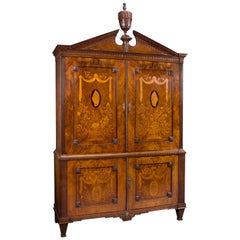
Late 18th Century Dutch Neoclassical Antique Armoire With Floral Marquetry
Mahogany

People Also Browsed
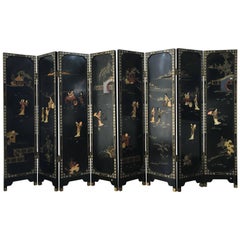
Early 20th Century French Chinoiserie Antique Armoire With Floral Marquetry
Wood, Mother-of-Pearl
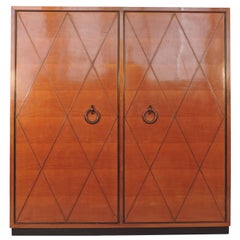
1940s Italian Art Deco Antique Armoire With Floral Marquetry
Wood
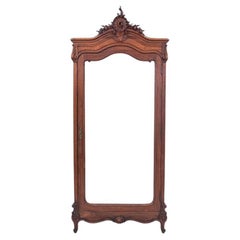
Mid-19th Century Unknown Louis Philippe Antique Armoire With Floral Marquetry
Wood
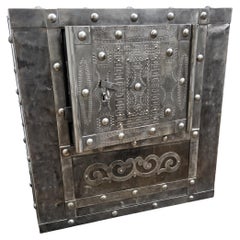
Late 18th Century Italian Baroque Antique Armoire With Floral Marquetry
Metal, Wrought Iron
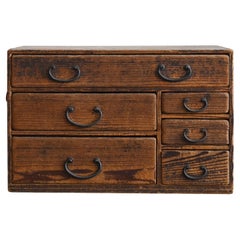
Late 19th Century Japanese Meiji Antique Armoire With Floral Marquetry
Cedar
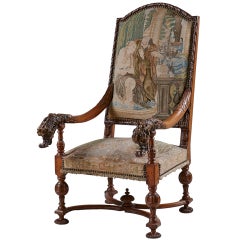
Late 17th Century German Baroque Antique Armoire With Floral Marquetry
Tapestry, Walnut
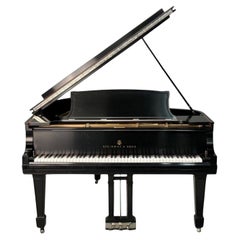
20th Century American Modern Antique Armoire With Floral Marquetry
Lacquer
20th Century Brutalist Antique Armoire With Floral Marquetry
Iron
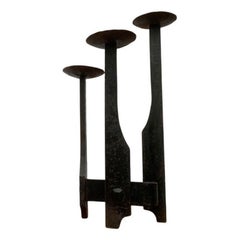
2010s Turkish Modern Antique Armoire With Floral Marquetry
Wood
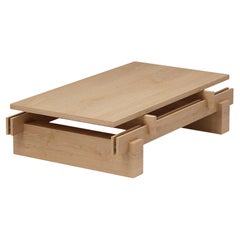
Late 19th Century Japanese Meiji Antique Armoire With Floral Marquetry
Wood
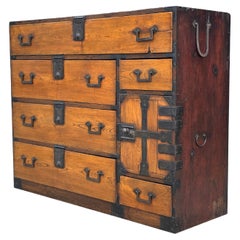
Late 19th Century French Baroque Antique Armoire With Floral Marquetry
Bronze
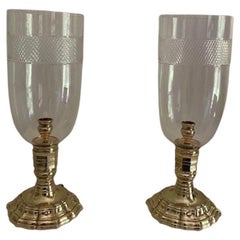
Early 20th Century Indian Anglo-Indian Antique Armoire With Floral Marquetry
Bone, Mahogany
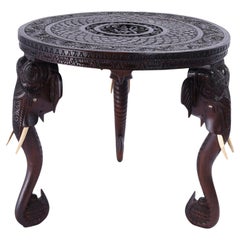
1930s French Art Deco Antique Armoire With Floral Marquetry
Sycamore
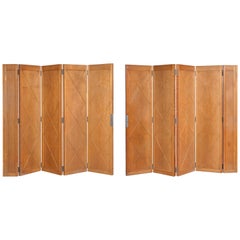
18th Century European Antique Armoire With Floral Marquetry
Brass, Bronze
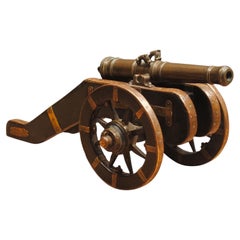
20th Century English Chinese Chippendale Antique Armoire With Floral Marquetry
Wood, Lacquer
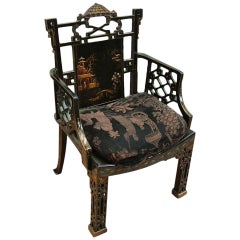
1860s French Country Antique Armoire With Floral Marquetry
Walnut
A Close Look at Neoclassical Furniture
Neoclassical design emerged in Europe in the 1750s, as the Age of Enlightenment reached full flower. Neoclassical furniture took its cues from the styles of ancient Rome and Athens: symmetrical, ordered, dignified forms with such details as tapered and fluted chair and table legs, backrest finials and scrolled arms.
Over a period of some 20 years, first in France and later in Britain, neoclassical design — also known as Louis XVI, or Louis Seize — would supersede the lithe and curvaceous Rococo or Louis XV style.
The first half of the 18th century had seen a rebirth of interest in classical antiquity. The "Grand Tour" of Europe, codified as a part of the proper education of a patrician gentleman, included an extended visit to Rome. Some ventured further, to sketch the ruins of ancient Greece. These drawings and others — particularly those derived from the surprising and rich archaeological discoveries in the 1730s and ’40s at the sites of the Roman cities of Pompeii and Herculaneum — caused great excitement among intellectuals and aesthetes alike.
Neoclassical furniture is meant to reflect both grace and power. The overall appearance of neoclassical chairs, tables and cabinetry is strong and rectilinear. These pieces are, in effect, classical architecture in miniature: chair and table legs are shaped like columns; cabinets are constructed with elements that mirror friezes and pediments.
Yet neoclassicism is enlivened by gilt and silver leaf, marquetry, and carved and applied ornamental motifs based on Greek and Roman sculpture: acanthus leaves, garlands, laurel wreaths, sheaves of arrow, medallions and chair splats are carved in the shapes of lyres and urns. Ormolu — or elaborate bronze gilding — was essential to French design in the 18th and 19th centuries as a cornerstone of the neoclassical and Empire styles.
As you can see from the furniture on these pages, there is a bit of whimsy in such stately pieces — a touch of lightness that will always keep neoclassicism fresh.
Find antique neoclassical furniture today on 1stDibs.
Finding the Right Cupboards for You
In any kitchen, dining room or other area of your home, antique and vintage cupboards can help you organize your space as well as support your endeavors to show off your prized collectibles and decorative objects.
Cupboards have long been staples in interior design as reliable and versatile case pieces, which have been a vital part of the home for centuries. Cupboards appeared in the Middle Ages and by the 17th century had eclipsed the chest in popularity as a piece of furniture for storage. New techniques in woodworking allowed furniture manufacturers to build pieces that were more complex than simple chests.
Early cupboards were often tall and were typically used to store linens. By the 18th century, there was more variety in the available shapes and sizes, with some pieces combining a chest of drawers with a tall cabinet.
Cupboards became large and heavy as their importance as furniture grew, frequently making them the biggest piece in a home. They could involve decorative elements like columns and cornices. Over the years, more features were added by furniture makers, such as glass panels for displaying items like porcelain ware.
Besides keeping the room tidy, a cupboard can set the tone through its size. Antique and vintage cupboards are built to last, and, with centuries of design choices, these structures are easy to match with existing furniture.
On 1stDibs, find a range of options for your home including new and custom cupboards, mid-century modern cupboards and original creations, like the weave quilt cupboards by Jim Rose. Contemporary cupboards with unexpected shapes and colors can add an element of surprise to a room. They also provide versatile storage while creating a modern effect.