Antique Bedroom Sets
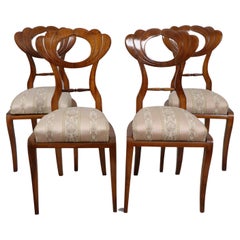
Early 19th Century Austrian Biedermeier Antique Bedroom Sets
Upholstery, Walnut
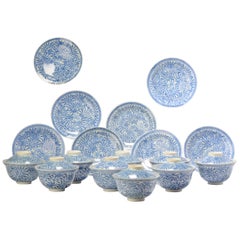
19th Century Japanese Antique Bedroom Sets
Porcelain

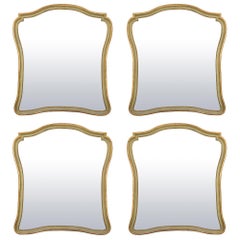
18th Century Italian Antique Bedroom Sets
Mirror, Wood
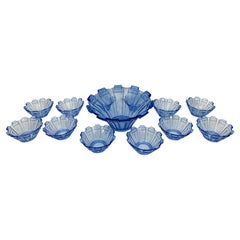
Early 20th Century Italian Art Deco Antique Bedroom Sets
Murano Glass
Early 19th Century English Regency Antique Bedroom Sets
Mahogany, Ebony
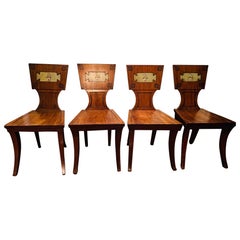
19th Century Japanese Antique Bedroom Sets
Porcelain
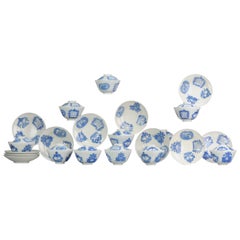
19th Century Japanese Antique Bedroom Sets
Porcelain
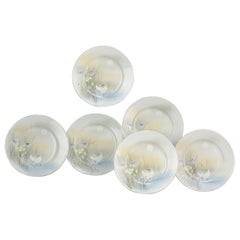
1910s Chinese Chinoiserie Antique Bedroom Sets
Paper
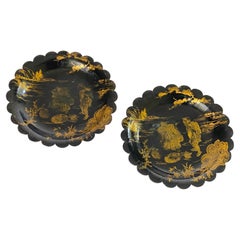
1850s English Gothic Revival Antique Bedroom Sets
Gold
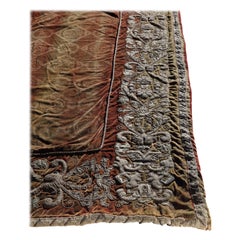
Late 19th Century French Empire Antique Bedroom Sets
Onyx, Bronze
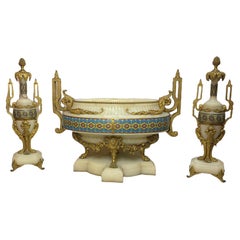
19th Century French Antique Bedroom Sets
Gold
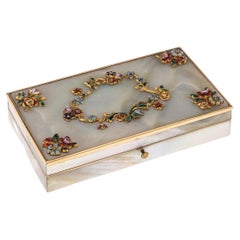
18th Century Chinese Antique Bedroom Sets
Porcelain
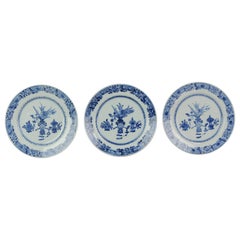
Late 19th Century European Belle Époque Antique Bedroom Sets
Ormolu
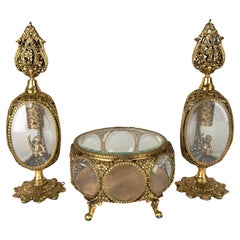
19th Century French Louis XVI Antique Bedroom Sets
Porcelain
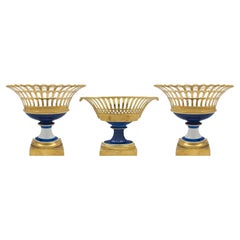
19th Century Swiss Other Antique Bedroom Sets
Gold, Enamel
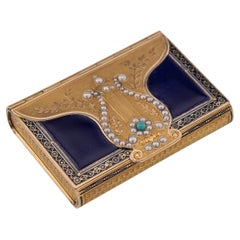
18th Century Chinese Qing Antique Bedroom Sets
Porcelain
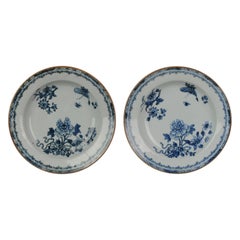
18th Century Chinese Qing Antique Bedroom Sets
Porcelain
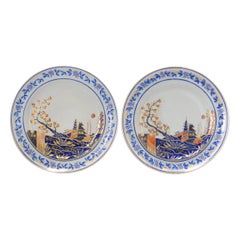
17th Century Japanese Edo Antique Bedroom Sets
Porcelain

1860s French Louis XVI Antique Bedroom Sets
Crystal, Bronze
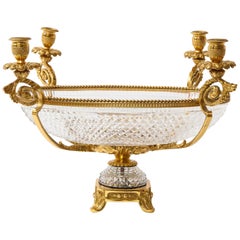
Early 19th Century American Neoclassical Antique Bedroom Sets
Upholstery, Mahogany, Oak
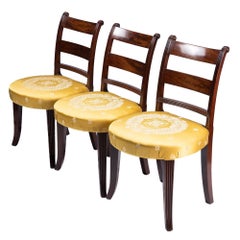
1920s Dutch Art Deco Antique Bedroom Sets
Oak, Leather
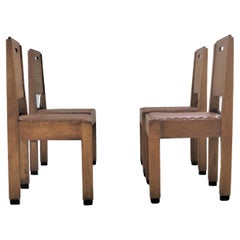
18th Century and Earlier Italian Modern Antique Bedroom Sets
Brass
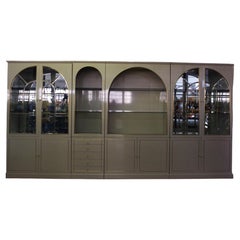
18th Century Portuguese Dutch Colonial Antique Bedroom Sets
Fabric, Upholstery, Wood, Giltwood
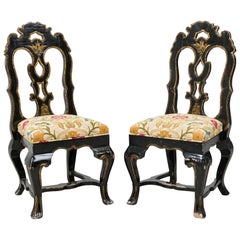
18th Century Chinese Antique Bedroom Sets
Porcelain
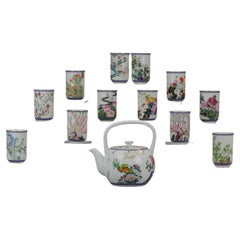
Late 19th Century French Belle Époque Antique Bedroom Sets
Bronze, Ormolu
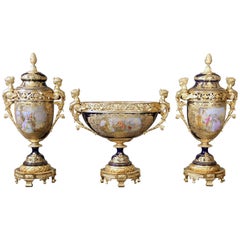
Early 20th Century Asian Chinoiserie Antique Bedroom Sets
Wood, Paint
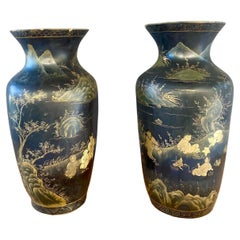
1920s Danish Art Deco Antique Bedroom Sets
Pewter
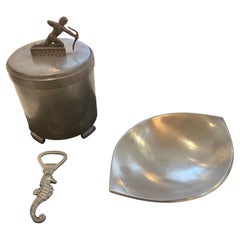
18th Century Chinese Antique Bedroom Sets
Pottery
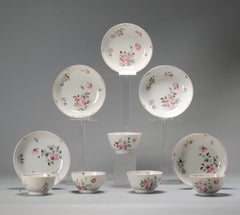
Early 1900s Edwardian Antique Bedroom Sets
Mohair, Mahogany
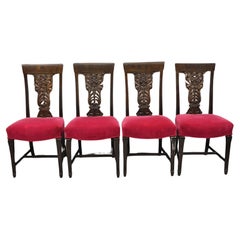
Early 20th Century French Art Deco Antique Bedroom Sets
Marble, Slate
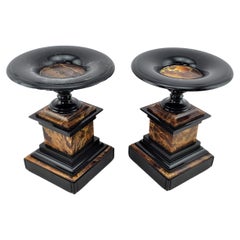
Late 19th Century French Louis XVI Antique Bedroom Sets
Bronze, Enamel
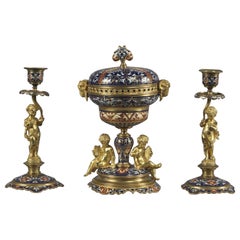
1910s German Jugendstil Antique Bedroom Sets
Ceramic
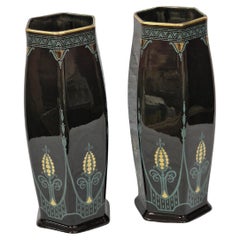
Late 19th Century Spanish Spanish Colonial Antique Bedroom Sets
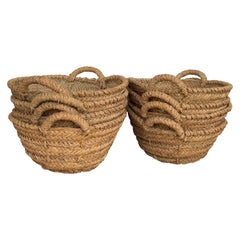
Wicker
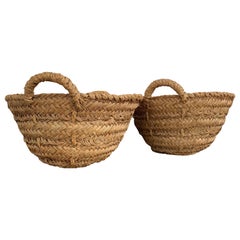
Late 19th Century Spanish Spanish Colonial Antique Bedroom Sets
Wicker
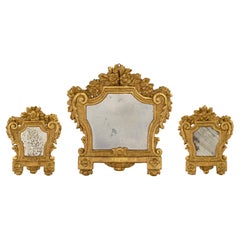
18th Century Italian Louis XV Antique Bedroom Sets
Mirror, Giltwood
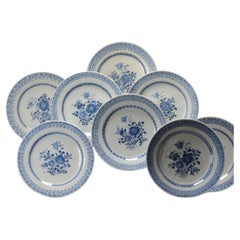
18th Century Chinese Qing Antique Bedroom Sets
Porcelain
Early 20th Century Italian Antique Bedroom Sets
Maple, Rosewood
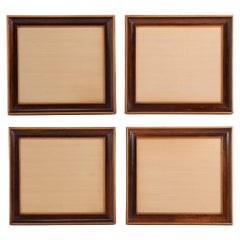
1890s English Jacobean Antique Bedroom Sets
Walnut
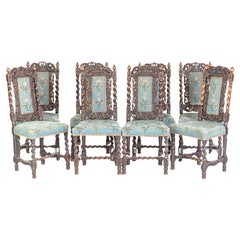
Early 20th Century Unknown Other Antique Bedroom Sets
Iron
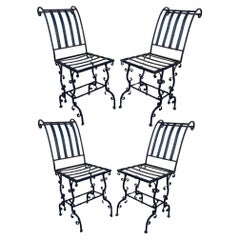
Early 19th Century Regency Antique Bedroom Sets
Porcelain
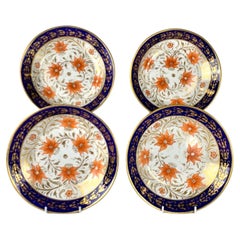
Early 19th Century English Regency Antique Bedroom Sets
Porcelain
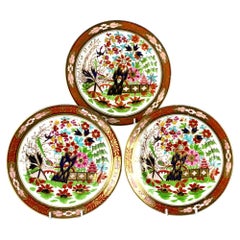
Early 1900s English Baroque Revival Antique Bedroom Sets
Oak
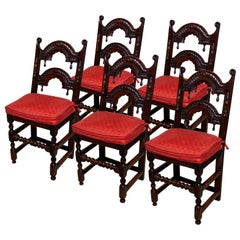
Early 20th Century Spanish Renaissance Revival Antique Bedroom Sets
Brass
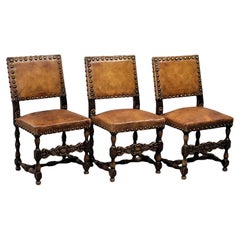
Early 19th Century Austrian Biedermeier Antique Bedroom Sets
Upholstery, Walnut
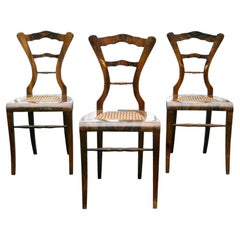
Mid-19th Century American American Colonial Antique Bedroom Sets
Hardwood, Yew
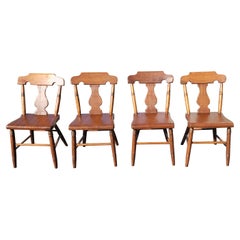
19th Century Spanish Antique Bedroom Sets
Paint, Wood
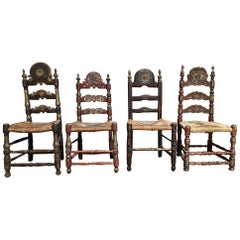
Late 18th Century English Chinoiserie Antique Bedroom Sets
Ironstone
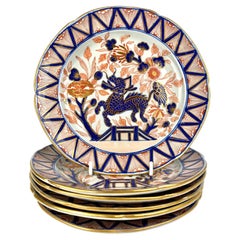
Late 18th Century Dutch Chinoiserie Antique Bedroom Sets
Earthenware
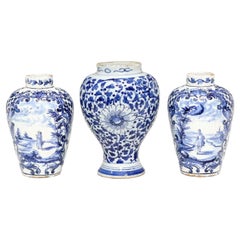
1860s English Victorian Antique Bedroom Sets
Paper
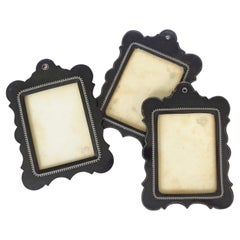
Late 18th Century Italian Other Antique Bedroom Sets
Pewter
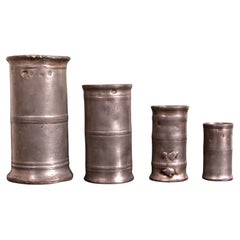
Late 19th Century French Neoclassical Antique Bedroom Sets
Marble, Bronze
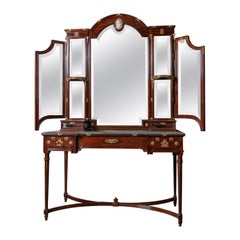
Mid-19th Century French Napoleon III Antique Bedroom Sets
Enamel
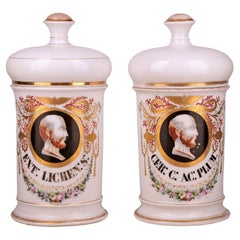
1910s French Art Deco Antique Bedroom Sets
Crystal
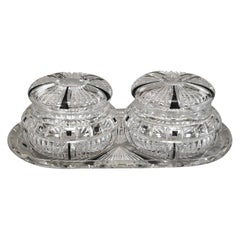
19th Century Dutch Louis XVI Antique Bedroom Sets
Mahogany, Maple, Walnut
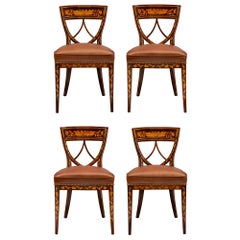
Early 20th Century Japanese Art Deco Antique Bedroom Sets
Lacquer
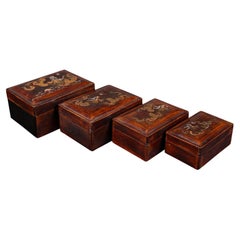
Early 20th Century French Victorian Antique Bedroom Sets
Earthenware
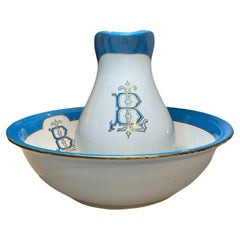
Early 1900s Italian Rococo Revival Antique Bedroom Sets
Marble

- 1
- ...
Antique Bedroom Sets For Sale on 1stDibs
How Much are Antique Bedroom Sets?
- 1stDibs ExpertSeptember 25, 2019
Bedroom sets include a bed, headboard, dresser and nightstand. Some expanded sets may also include a second nightstand, chest of drawers, bench, armoire, mirror and lamp.
- 1stDibs ExpertNovember 5, 2024To identify an antique tea set, look closely to determine who the manufacturer is. Locate the hallmark on the bottom of a saucer, teapot or cup. A maker’s mark on one of these items is the best indicator of the set’s origin. If you snap a photo with your smartphone or tablet, you can conduct a reverse image search to jump-start your research. Professionals recommend consulting auction catalogs, books and trusted online resources such as museum exhibition materials. With some research, you may be able to match the marking to the manufacturer's name and, from there, identify the pattern and age.
In 17th-century England, Chinese tea began to arrive at ports in London. Mass production of porcelain tea sets took place in the 18th century, and during the early 1800s, tea became widely affordable, and the concept of teatime took shape all over England.
Reputable soft-paste porcelain makers include Sèvres, Capodimonte and Chelsea, while Meissen was the first European maker of hard-paste porcelain. Bone china manufactories of note include Spode, Minton and Derby, which was later called the Royal Crown Derby Porcelain Company.
Generally, a tea set is considered vintage if it’s at least 20 years old, while antiques are at least 100 years old. Although a maker’s mark is generally a helpful indicator of a given manufacturer, forgeries have occurred over the years. Look for other signifiers of a material, time period or style if you are uncertain of your piece’s origin. For help with identification, seek out a certified appraiser or knowledgeable antique dealer.
Find antique tea sets on 1stDibs.