Antique Buffet Furniture
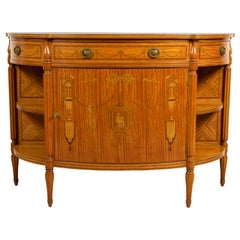
Late 19th Century English Sheraton Antique Buffet Furniture
Wood
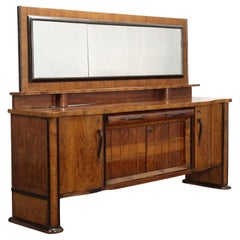
1920s Italian Mid-Century Modern Antique Buffet Furniture
Mirror, Nutwood
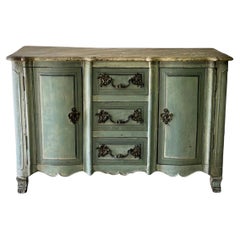
1750s French Antique Buffet Furniture
Wood

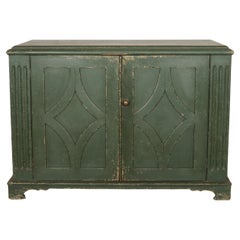
19th Century Austrian Antique Buffet Furniture
Pine
1880s Antique Buffet Furniture
Chestnut
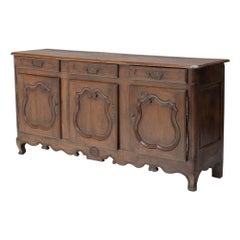
Late 19th Century Austrian Antique Buffet Furniture
Pine
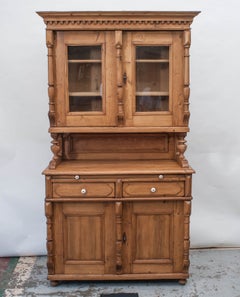
19th Century Antique Buffet Furniture
Wood
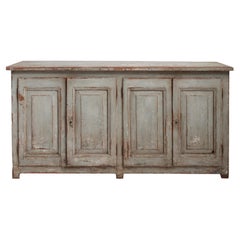
Early 1900s French Antique Buffet Furniture
Marble, Brass
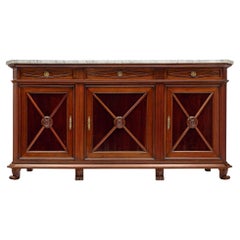
18th Century and Earlier Antique Buffet Furniture
Wood, Paint
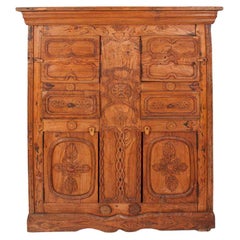
1850s Italian Baroque Antique Buffet Furniture
Bronze
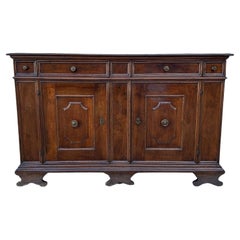
Mid-19th Century Italian Baroque Antique Buffet Furniture
Bronze
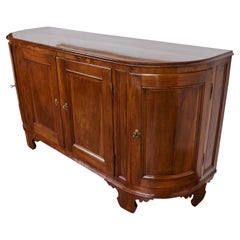
1820s Italian Baroque Antique Buffet Furniture
Bronze
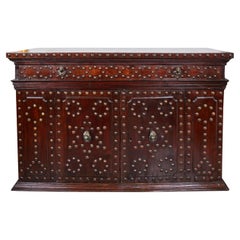
18th Century Italian Baroque Antique Buffet Furniture
Walnut
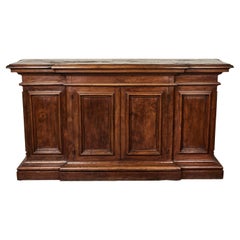
1820s Italian Antique Buffet Furniture
Bronze
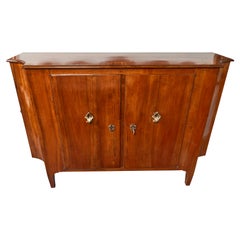
19th Century French Antique Buffet Furniture
Oak
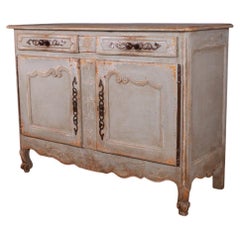
19th Century English Victorian Antique Buffet Furniture
Oak
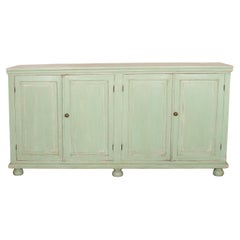
Late 19th Century Gustavian Antique Buffet Furniture
Wood
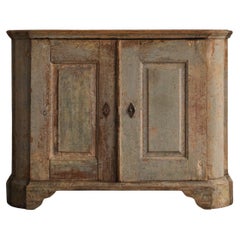
19th Century French French Provincial Antique Buffet Furniture
Cherry
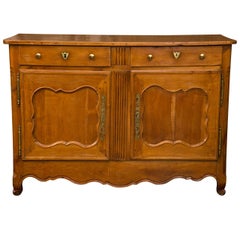
1830s French Directoire Antique Buffet Furniture
Bronze
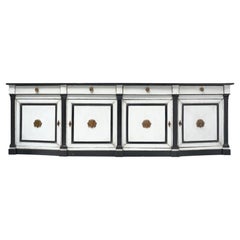
Early 20th Century French Antique Buffet Furniture
Wood
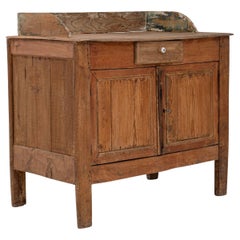
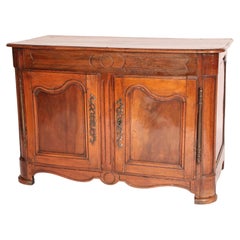
18th Century Antique Buffet Furniture
Iron
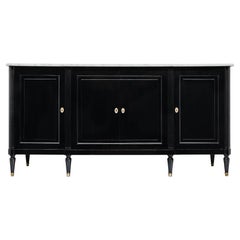
1920s French Louis XVI Antique Buffet Furniture
Carrara Marble, Brass
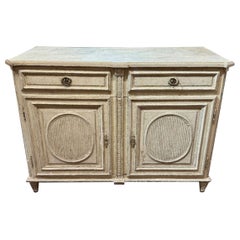
19th Century Antique Buffet Furniture
Oak
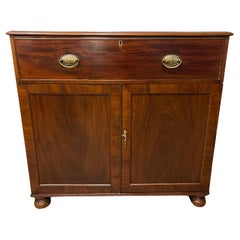
Mid-19th Century English Antique Buffet Furniture
Mahogany
1910s French Restauration Antique Buffet Furniture
Brass
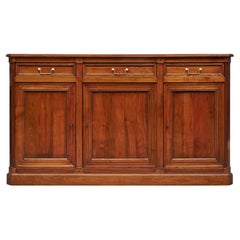
18th Century Italian Antique Buffet Furniture
Pine

1850s French Antique Buffet Furniture
Wood
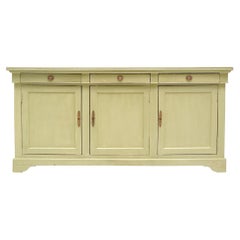
Late 18th Century French Renaissance Antique Buffet Furniture
Oak, Pine
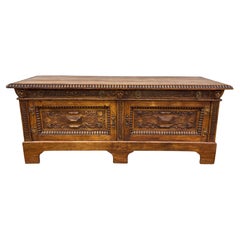
18th Century French Antique Buffet Furniture
Oak
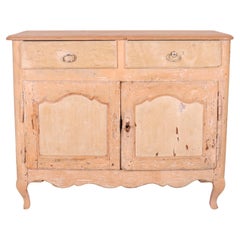
Early 20th Century French Antique Buffet Furniture
Metal
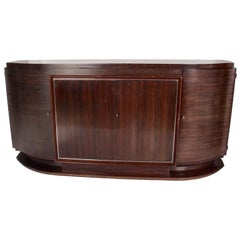
19th Century Swedish Antique Buffet Furniture
Pine
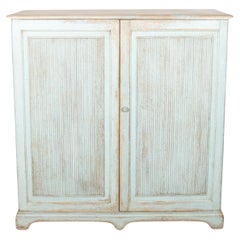
1890s French Louis XVI Antique Buffet Furniture
Marble, Bronze
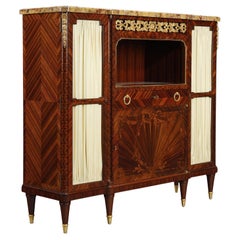
1840s French Louis Philippe Antique Buffet Furniture
Wood
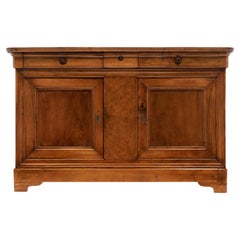
Mid-19th Century French French Provincial Antique Buffet Furniture
Oak
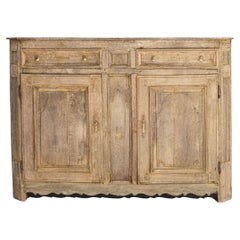
19th Century Swedish Antique Buffet Furniture
Wood
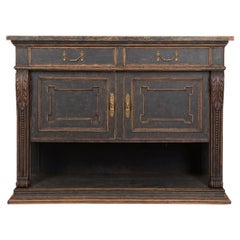
Early 20th Century French Louis XIV Antique Buffet Furniture
Oak
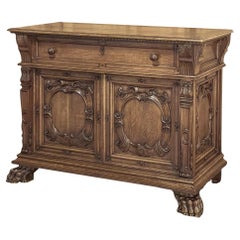
19th Century Swedish Antique Buffet Furniture
Wood
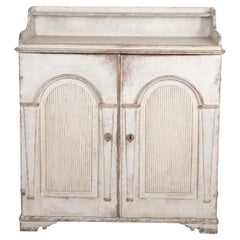
Early 20th Century French Antique Buffet Furniture
Wood
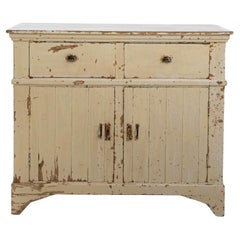
Early 20th Century Italian Antique Buffet Furniture
Elm
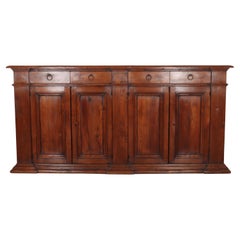
Mid-19th Century French French Provincial Antique Buffet Furniture
Oak
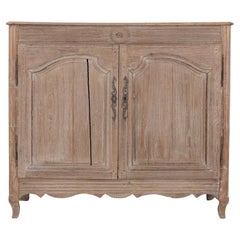
Early 18th Century Louis XIII Antique Buffet Furniture
Walnut
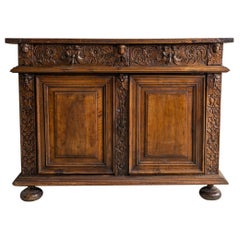
19th Century Swedish Gustavian Antique Buffet Furniture
Wood
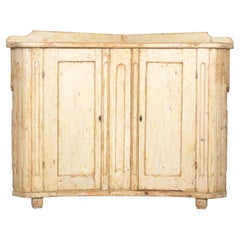
19th Century Italian Antique Buffet Furniture
Pine
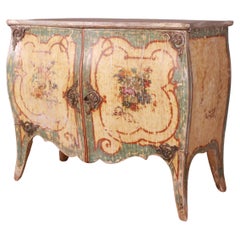
Early 19th Century English Regency Antique Buffet Furniture
Mahogany
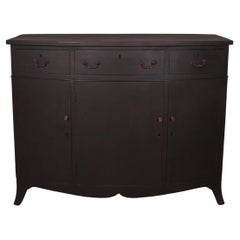
19th Century European Empire Antique Buffet Furniture
Wood, Paint
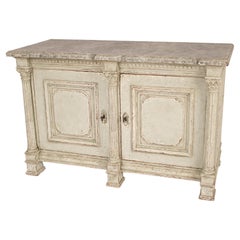
19th Century Italian Antique Buffet Furniture
Pine
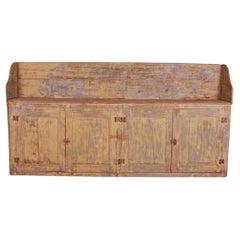
Late 19th Century French Belle Époque Antique Buffet Furniture
Wood
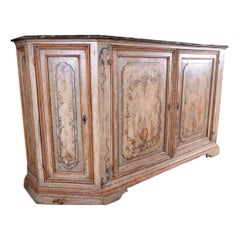
Early 1800s Italian Antique Buffet Furniture
Bronze
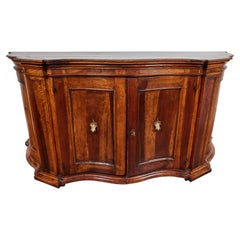
19th Century French Antique Buffet Furniture
Metal
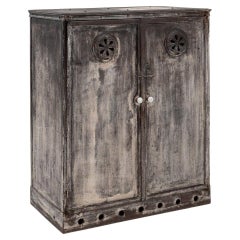
1920s French Louis XVI Antique Buffet Furniture
Carrara Marble, Brass
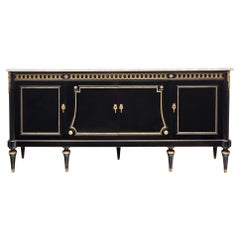
19th Century French Antique Buffet Furniture
Oak
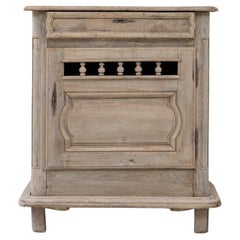
Early 20th Century American American Classical Antique Buffet Furniture
Brass
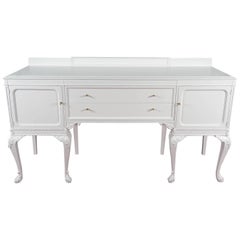
19th Century English Victorian Antique Buffet Furniture
Pine
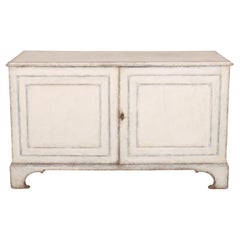
19th Century French Antique Buffet Furniture
Marble
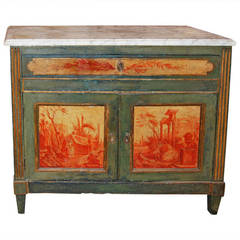
19th Century Swedish Antique Buffet Furniture
Wood
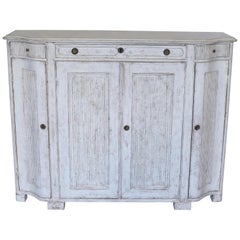
18th Century French Louis XV Antique Buffet Furniture
Walnut
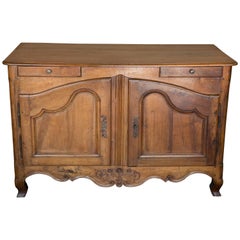
19th Century French Antique Buffet Furniture
Brass
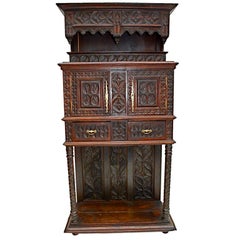
- 1
- ...
Antique Buffet Furniture For Sale on 1stDibs
How Much is a Antique Buffet Furniture?
Finding the Right Buffets for You
For get-togethers or large celebratory meals in your already sumptuous dining area, a charming and durable vintage, new or antique buffet, with its decorative and practical features, can truly elevate the experience.
Although often used as a synonym for “sideboard,” a buffet technically possesses a tiered or shelved superstructure for displaying decorative kitchenware. The term derives from buffet à deux corps, a piece that is seen mostly in French Provincial furniture. And while the terms “case pieces” and “case goods” may cause even the most decor-obsessed to stumble, these furnishings — which include buffets, credenzas, cupboards and other must-have items — have been a vital part of the home for centuries.
Buffets are the ideal place to keep serveware and larger serving pieces that you’d rather have tucked away when not in use. They’re typically long and low and can be the perfect option for serving food as well as storing your porcelain and making your space tidy and organized. Feel free to dress up your buffet between meals with decorative objects or stacks of art books.
A buffet can be positioned in your living room, entryway or hall if space allows. But if you intend to permanently pair your case piece with your dining room table, when shopping for your vintage buffet you’ll definitely want to think about your dining room’s space restrictions. Allow for at least two feet of space between your buffet and your table so that guests can easily move to and fro as needed, and a buffet that is convenient for serving food should be as high as a kitchen counter if possible.
If you’re looking for inspiration for your home bar or dining area, find Art Deco buffets, mid-century modern buffets, Hollywood Regency buffets and other varieties on 1stDibs today.
- What is buffet furniture?1 Answer
- 1stDibs ExpertSeptember 23, 2024A buffet is a piece of furniture that usually goes in the dining room. Often made of wood, a buffet is usually around 34 to 36 inches tall and features cupboards and drawers. People often store serveware, dinnerware and utensils inside buffets, and the name of the furniture comes from the fact that you can arrange a buffet of food on its top due to its height. You may also see buffets referred to as sideboards. Shop a wide range of buffets on 1stDibs.
- 1stDibs ExpertMay 30, 2024To identify your antique furniture, look for an engraving, tag, label or other marking that indicates who produced it. You may find it on the bottom or back of your furniture or inside a drawer or cabinet. Once you have located the marking, you can snap a photo of it and use a reverse image search to try and identify the maker. Or, you can type a description of the mark into a search engine. Alternatively, you can use the services of a certified appraiser or antiques dealer to get assistance with identification. On 1stDibs, shop a large selection of antique furniture.
- What makes furniture an antique?1 Answer1stDibs ExpertAugust 15, 2019
A piece of furniture is considered an antique if it is at least 100 years old.
- Is antique furniture in style?1 Answer1stDibs ExpertApril 22, 2024Yes, antique furniture is in style. Many people appreciate the beauty and handcrafted character of antique furniture and love the idea of owning pieces with a rich history. Remember that style preferences are nothing if not fluid, meaning what's in one year may not be the next. So, in choosing the furniture you're planning to live with, you should pay less attention to interior design fads than to what speaks to you. That way, you can select pieces that will add long-term character to your home. On 1stDibs, find a large collection of antique furniture.
- 1stDibs ExpertApril 5, 2024To know if your furniture is antique, look for labels and markings that indicate the maker. From there, you can use trusted online resources to determine when they were active and examine images to try to estimate the age of your piece. Furniture produced 100 years ago or more is antique. You can also have your furniture assessed by an appraiser or antiques dealer to learn about its age. On 1stDibs, explore a large collection of antique furniture.
- 1stDibs ExpertMay 14, 2024Many antique furniture brands are popular. While trends in collecting do vary over time, some makers consistently remain highly sought after. Among them are J. J.W. Meeks, John Henry Belter, R. J. Horner and Co., Stickley Furniture, George Hepplewhite, Josef Dannhauser, Thomas Chippendale and Thomas Sheridan. On 1stDibs, shop a variety of antique furniture.
- 1stDibs ExpertFebruary 22, 2021There are a number of factors that can indicate if your antique furniture is valuable. When determining the value of antique furniture, consider its rarity. Additionally, it is important to determine the quality and condition of vintage furniture. If unsure of the value of your vintage furniture, have it appraised.
- 1stDibs ExpertFebruary 22, 2021Antique furniture can be worth quite a lot, particularly if it is in good quality. The rarer the piece, the higher the value.
- 1stDibs ExpertFebruary 13, 2024Whether antique furniture is making a comeback is a matter of opinion. Many people would argue that antique furniture never faded from fashion, as there have always been individuals who love the idea of owning pieces that have history. Some of the most popular styles for antique furniture include Art Deco, Arts and Crafts, Renaissance Revival, Elizabethan, Gothic Revival, Victorian and Chippendale. Find a large collection of antique furniture from some of the world's top dealers on 1stDibs.
- 1stDibs ExpertFebruary 1, 2024To date antique furniture from the UK, first look for identifying markings on the piece. You can then use trusted online resources to determine when the maker was active. From there, you may be able to estimate the year of production by looking at images of other furniture the maker produced. An expert appraiser or antiques dealer can also aid you in the dating process. Find a large selection of antique furniture on 1stDibs.
- 1stDibs ExpertNovember 13, 2024How old furniture that is called antique can be is typically at least 100 years. People usually call furniture between 20 and 99 years old vintage. Contemporary is the word for furniture manufactured within the last 20 years. On 1stDibs, shop a large selection of antique, vintage and contemporary furniture from some of the world's top sellers.
- 1stDibs ExpertOctober 5, 2021The best finish for antique furniture is a matter of liking. But film finish is recommended by experts as it leaves a thick coat of film on the wood surface which protects wood from water and scratches. Shellac or varnish and water base are commonly used film finishes. Find an exquisite collection of antique, new and vintage furniture on 1stDibs
 PAGODA REDOctober 7, 2020
To determine the age of a Chinese furniture piece, look carefully at the joinery and finish. Natural expansion and contraction of the wood over time will cause a joint to protrude or retract, distorting a once-seamless fit. Antique lacquer finishes become crackled and worn over time. Areas of exposed wood, such as the underside of a table, the footrest of a chair, or the back of a cabinet should appear raw and dry compared to the finished surface. With use, the legs of tables and chairs become weathered near the bottom from precipitation and use.
- 1stDibs ExpertAugust 29, 2024To tell how old your antique furniture is, research the maker using trusted online resources. You may find that the furniture maker was active for only a short period, giving you the ability to roughly estimate its age. For manufacturers and designers with a long history of production, consider the style of your furniture and look for images of similar pieces published online. Because it may be difficult to date furniture on your own, consider consulting a certified appraiser or knowledgeable antique dealer. On 1stDibs, explore a variety of antique furniture.
- 1stDibs ExpertAugust 20, 2024To tell what your antique furniture is worth, look at sales histories on trusted online platforms and read valuation guides posted on trusted online resources. The maker, type, style, age and condition of your furniture will impact its value. Researching furniture produced by the same maker is a good starting point. A certified appraiser or knowledgeable antique dealer can also aid you in the valuation process. Find a large collection of antique furniture on 1stDibs.
- 1stDibs ExpertNovember 4, 2024To identify antique Chinese furniture, look carefully at its details. Chinese craftsmen often built furniture using mortise and tenon joinery, eliminating the need for nails and screws. If you see this type of hardware, your piece is likely not at least 100 years old, especially if the hardware still looks new and shiny. Since antique furniture was handmade, you will normally see slight imperfections, such as tool marks or slight variations in carvings. Pieces that appear completely uniform and pristine are less often genuine antiques.
When present, maker's marks can also be helpful. Research the marks to learn more about when the maker was active and producing pieces like yours. Alternatively, you can have a certified appraiser or experienced antique dealer evaluate your furniture for you.
Shop an assortment of antique Chinese furniture. - 1stDibs ExpertOctober 24, 2024To tell antique furniture from reproduction, first check for a maker's mark. By researching the maker associated with the marking using trusted online resources, you can determine when they were active. If the company was in business 100 years ago or more, your piece may be an antique, but if the company's history began more recently, your piece is likely a reproduction. If you can't locate a marking, study the details of the furniture up close. Genuine antiques will often show tool marks and slight variations in carved details because they were typically handcrafted. Most contemporary furniture is machine-made, so you won't usually see these types of characteristics. When in doubt, have a certified appraiser or knowledgeable antique dealer evaluate your furniture. On 1stDibs, find a wide variety of antique furniture.
- 1stDibs ExpertOctober 24, 2024To tell who made your antique furniture, seek out a maker's marking. Locations of these marks vary, but they are generally in an inconspicuous location. For example, a dresser may have the mark inside a drawer or on the back, while a hallmark on a table is often on a leg or under the tabletop. Once you locate a mark, you can use trusted online resources to identify the maker and learn more about them. If you can't find a marking on your piece, a certified appraiser or knowledgeable antique dealer can assist you with the identification process. Explore a large selection of antique furniture on 1stDibs.
- 1stDibs ExpertMay 14, 2024To be considered antique, furniture must usually be at least 100 years old. Contemporary is the name for furniture produced within the last 20 years. Vintage furniture is at least 20 years old. On 1stDibs, shop a diverse assortment of antique, vintage and contemporary furniture from some of the world's top sellers.
Read More
37 Cheerful Home Bars, Where Everybody (Literally) Knows Your Name
Simple or sophisticated, equipped with console, cart or custom cabinetry, these stylish bar areas deserve a toast.
The Ultimate Guide to Types of Tables for the Home
Whether you’re just moving in or ready to give your home a makeover, our guide will give you pointers on tables that are fitting for every room, nook and hallway.
What Exactly Is a Secretary Desk, and What Is It Used For?
The furniture equivalent of a Swiss Army knife, it's the multifunctional piece you didn't know you needed.
This Shelving System with Oxidized Brass Tubes Is Retro and Futuristic at Once
Italian studio DimoreMilano mustered great ingenuity when crafting these sculptural shelves, which are built without any screws.
Ask an Interior Designer: Work-from-Home Edition
Leaping into a design project, whether it's refreshing the bedroom or redoing the whole house, can be overwhelming. Luckily, we know more than a few interior designers. You asked questions on Instagram, and now they're answering.
Collected and Eclectic, ‘Wunderkammern’ Are Back in a Big Way
Introduced nearly 500 years ago, curiosity cabinets are finding new fans among today's collectors and designers.
Meet the Incredible Woman Transforming Fallen Trees into Sleek Furniture
In the hands of New York Heartwoods cofounder Megan Offner, unwanted local trees become works of design art.
These New York Architects Love a Complicated Project
From Brooklyn townhouses to Maine campgrounds, Trattie Davies and Jonathan Toews relish a challenge, like transforming a former warehouse space into the new 1stdibs Gallery.