Antique Butchers Meat Cleaver
Recent Sales
Late 19th Century French Antique Butchers Meat Cleaver
Iron
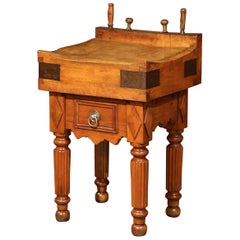

Late 19th Century French Antique Butchers Meat Cleaver
Maple
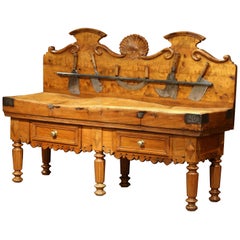
Late 19th Century French Country Antique Butchers Meat Cleaver
Iron
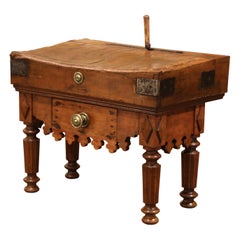
Late 19th Century French Country Antique Butchers Meat Cleaver
Iron
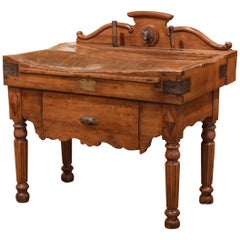
Late 19th Century French Country Antique Butchers Meat Cleaver
Iron
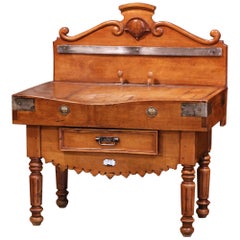
Late 19th Century Belgian Country Antique Butchers Meat Cleaver
Iron
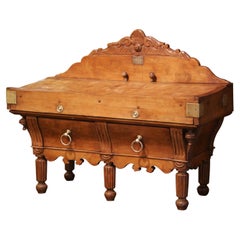
Late 19th Century French Country Antique Butchers Meat Cleaver
Iron
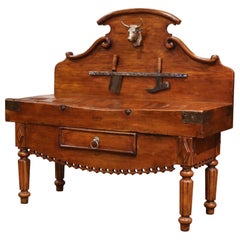
Late 19th Century French Country Antique Butchers Meat Cleaver
Iron
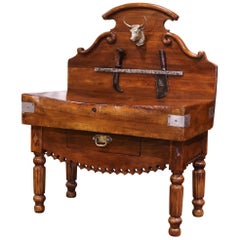
Late 19th Century French Country Antique Butchers Meat Cleaver
Iron
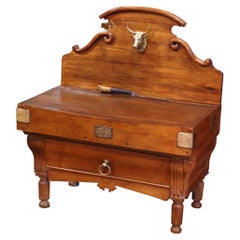
Late 19th Century French Country Antique Butchers Meat Cleaver
Iron
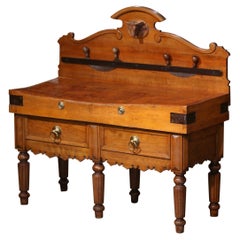
Late 19th Century French Antique Butchers Meat Cleaver
Iron
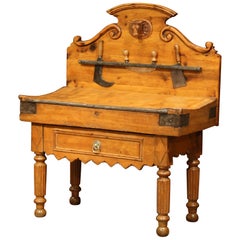
Late 19th Century French Country Antique Butchers Meat Cleaver
Iron
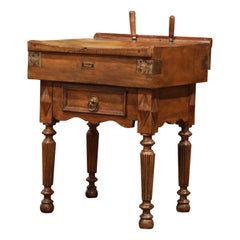
Early 20th Century French Country Antique Butchers Meat Cleaver
Iron
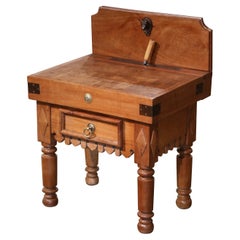
Late 19th Century French Country Antique Butchers Meat Cleaver
Iron
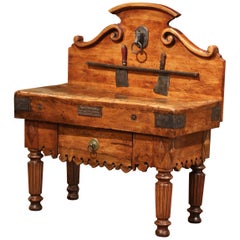
Late 19th Century French Country Antique Butchers Meat Cleaver
Bronze, Iron
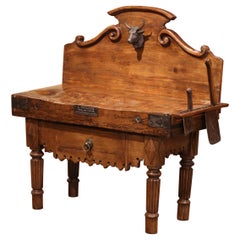
A Close Look at Country Furniture
Functional pieces made with local materials that can stand the test of time have defined antique and vintage country furniture around the world.
Country style has varied based on regional tastes, from French Country with tufted sofas and cane-framed beds to American Country with stately Windsor chairs and tables built of pine. Each is imbued with touches that are often described as rustic, a style that is inclusive of a range of decorating modes such as country and farmhouse. Exposed wood, traditional fabrics, natural colors and a sense of heritage through distressed surfaces and handcrafted design are all attributes of country-style interiors.
Country furniture and decor can encompass movements from across centuries that reflect rural life, such as French Provincial, which emerged in the 17th century, Black Forest, which became popular in early-19th-century Switzerland with sculptural furniture carved with animals and Adirondack style, with chairs that debuted in the United States in the early 20th century and became a rustic favorite.
The design of country-style furniture isn’t guided by fleeting trends or elite tastes. Sofas upholstered with animal hide, desks made of oak or pine that show off the grain of their material and dining room tables balanced on sturdy square legs are all popular examples of country furniture. Although the aesthetics of country furniture are eclectic, the pieces are unified by meticulous construction that favors utility over ornamentation.
Contemporary country interiors usually have muted palettes, with white walls and calming shades of blue, where heirloom pieces mingle with vintage baskets and gingham textiles. Unpretentious and timeless, country furniture adds warmth to any home, whether it’s a cabin in the woods or an urban loft apartment.
Find a collection of antique and vintage country tables, seating, decorative objects and more furniture on 1stDibs.
Finding the Right Butcher-blocks for You
For the culinary star in your home, an antique or vintage butcher block is an indispensable accessory. Whether it’s a stand-alone table or island, a feature atop your rolling kitchen cart or a countertop application, this is a specific type of assembled wood surface for important food prep needs.
A butcher block is a designated work surface in a kitchen. Specifically, a butcher block affords you a strong and sturdy surface on which you can butcher meat as well as slice and dice vegetables. Having a designated area for this kind of work will help keep the kitchen sanitary and prevent potential damage to countertops.
Because wood is difficult to clean, stains easily and is an ideal surface for bacteria to flourish, counters were traditionally capped with metal. Butcher block — which, as a descriptor, refers to a specific material that is biodegradable and eco-friendly — was initially used in a commercial capacity but began to materialize in the early 20th century as countertops.
Butcher block is made from straight slats of wood that are glued together into thick slabs. The varieties include cherry, walnut, maple and oak. (The latter should be varnished or lacquered.) Construction types vary for butcher block countertops: There is edge grain (parallel boards that show their “edges”), end grain (small square pieces aligned vertically so that the “ends” are visible) and blended (with no specific pattern).
And there is a difference between a butcher block and a cutting board: A board in your kitchen that is used every day for slicing fruits and vegetables is generally called a cutting board. A more robust board — specifically, those that are constructed in the manner mentioned here — is a butcher block, which will be more appropriate for chopping meat as well as deboning.
The extensive collection of butcher blocks on 1stDibs includes French Provincial butcher blocks, rustic butcher blocks and more.