Antique Celluloid Jewelry Box
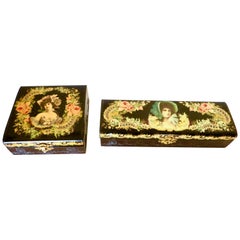
1890s American Victorian Antique Celluloid Jewelry Box
Plastic

Recent Sales
Early 1900s American Victorian Antique Celluloid Jewelry Box
Plastic
People Also Browsed
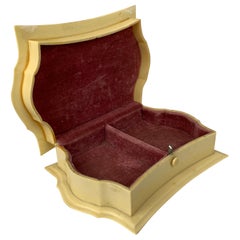
1870s English Aesthetic Movement Antique Celluloid Jewelry Box
Mirror, Wood, Paint
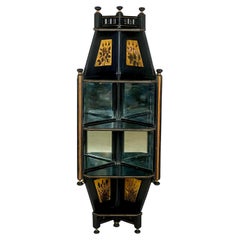
2010s Italian Art Deco Antique Celluloid Jewelry Box
Textile
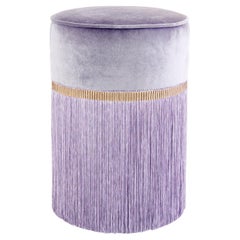
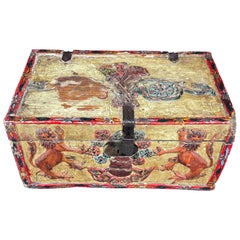
Late 19th Century European Folk Art Antique Celluloid Jewelry Box
Metal
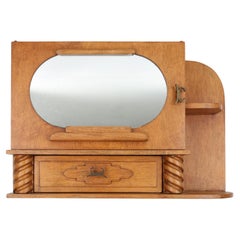
1950s French Art Deco Antique Celluloid Jewelry Box
Mirror, Wood
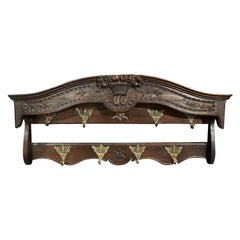
Mid-19th Century French Louis XV Antique Celluloid Jewelry Box
Bronze
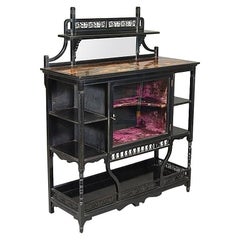
19th Century Great Britain (UK) Anglo-Japanese Antique Celluloid Jewelry Box
Walnut
1910s Dutch Arts and Crafts Antique Celluloid Jewelry Box
Wood
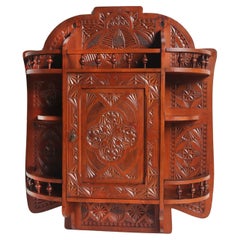
1880s English Aesthetic Movement Antique Celluloid Jewelry Box
Walnut
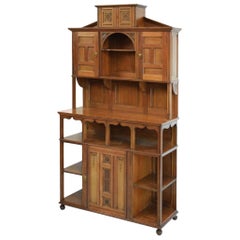
Late 19th Century English Aesthetic Movement Antique Celluloid Jewelry Box
Walnut, Pine
Materials: Plastic Furniture
Arguably the world’s most ubiquitous man-made material, plastic has impacted nearly every industry. In contemporary spaces, new and vintage plastic furniture is quite popular and its use pairs well with a range of design styles.
From the Italian lighting artisans at Fontana Arte to venturesome Scandinavian modernists such as Verner Panton, who created groundbreaking interiors as much as he did seating — see his revolutionary Panton chair — to contemporary multidisciplinary artists like Faye Toogood, furniture designers have been pushing the boundaries of plastic forever.
When The Graduate's Mr. McGuire proclaimed, “There’s a great future in plastics,” it was more than a laugh line. The iconic quote is an allusion both to society’s reliance on and its love affair with plastic. Before the material became an integral part of our lives — used in everything from clothing to storage to beauty and beyond — people relied on earthly elements for manufacturing, a process as time-consuming as it was costly.
Soon after American inventor John Wesley Hyatt created celluloid, which could mimic luxury products like tortoiseshell and ivory, production hit fever pitch, and the floodgates opened for others to explore plastic’s full potential. The material altered the history of design — mid-century modern legends Charles and Ray Eames, Joe Colombo and Eero Saarinen regularly experimented with plastics in the development of tables and chairs, and today plastic furnishings and decorative objects are seen as often indoors as they are outside.
Find vintage plastic lounge chairs, outdoor furniture, lighting and more on 1stDibs.
Finding the Right Jewelry-boxes for You
If you have jewelry, chances are you have an antique or vintage jewelry box. This simple item was born from a simple need. It offers jewelry lovers a place to store their most cherished treasures. The idea behind a good jewelry box is that precious items deserve a place of honor.
It’s no surprise, then, that jewelry boxes (also called jewelry caskets or trinket boxes) have existed for as long as we’ve worn jewelry. It’s among the most popular decorative boxes we have in our homes, and we can find early versions that date at least as far back as Ancient Egypt. All Egyptians adorned themselves with necklaces, rings, earrings and other accessories, and the era’s jewelry boxes resembled small treasure chests. Later, fine jewelry became cost prohibitive and the only people with jewelry boxes were those who could afford jewelry.
Following the Industrial Revolution, jewelry was no longer made by hand. Mass production and the demand of the growing middle class rendered jewelry more accessible. Jewelry of the Romantic period, which refers to early Victorian jewelry, is reflective of these economic shifts. Jewelry from this time tends to be feminine and ornate, and embellished with seed pearls, coral and turquoise. Naturally, it was stored in elaborate, decorative Victorian-era jewelry boxes that were sometimes crafted from hand-painted porcelain or sterling silver.
Nowadays, jewelry boxes do more than keep jewelry safe and organized. They’re popular collector’s items that have become as treasured as the contents themselves.
Designer jewelry boxes — Chanel jewelry boxes, Hermès jewelry boxes and others created by celebrated fashion labels — are widely sought by jewelry lovers who covet a chic case for their jewelry essentials. An eye-catching vintage jewelry box, which is at least 20 but less than 100 years old, is a valuable decorative object, a sign of luxury and elegance that adds character and texture to any bedroom. Some jewelry boxes are even embellished with a few jewels of their own.
If you’re not tucking your jewelry into a drawer or shallow tray atop your vanity, perhaps an Art Deco trinket box with charming brass hardware or a sculptural, hand-carved rosewood mid-century modern jewelry box lined with linen and velvet will do?
Today’s jewelry boxes come in a variety of styles and sizes and are made of metal, wood, plastic and other materials. Give your cherished jewelry the good home it deserves — find an extensive collection of antique and vintage jewelry boxes today on 1stDibs.