Antique Chinese Brush
15th Century and Earlier Chinese Chinese Export Antique Chinese Brush
Ceramic, Wood

1860s Chinese Qing Antique Chinese Brush
Porcelain
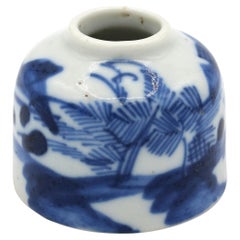

19th Century Chinese Qing Antique Chinese Brush
Rosewood
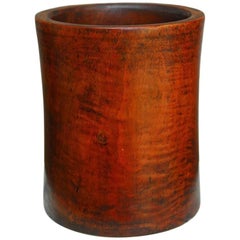
16th Century Chinese Ming Antique Chinese Brush
Earthenware
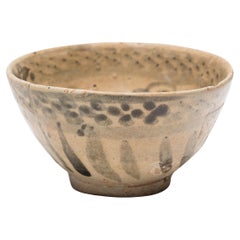
16th Century Chinese Ming Antique Chinese Brush
Earthenware
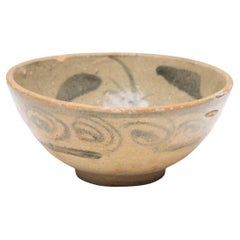
16th Century Chinese Ming Antique Chinese Brush
Earthenware
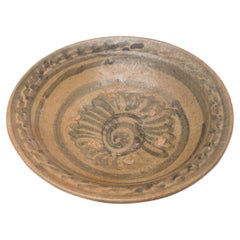
16th Century Chinese Ming Antique Chinese Brush
Earthenware
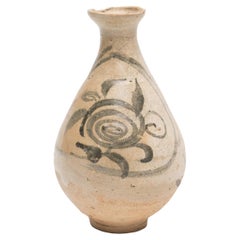
16th Century Chinese Ming Antique Chinese Brush
Earthenware
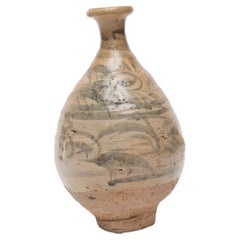
16th Century Chinese Ming Antique Chinese Brush
Earthenware
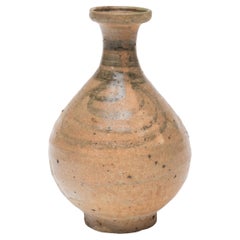
16th Century Chinese Ming Antique Chinese Brush
Earthenware
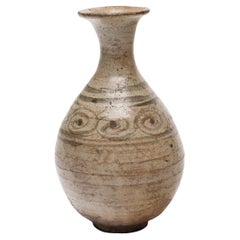
16th Century Chinese Ming Antique Chinese Brush
Earthenware
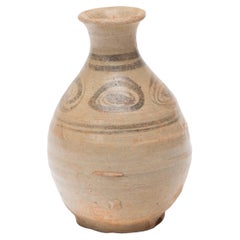
1860s Chinese Qing Antique Chinese Brush
Porcelain
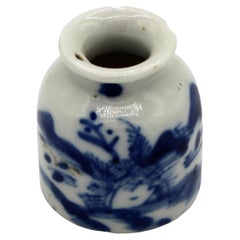
1720s Chinese Antique Chinese Brush
Porcelain
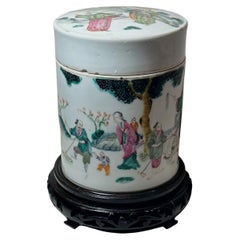
19th Century Chinese Qing Antique Chinese Brush
Jade
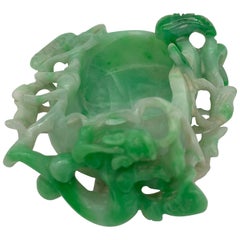
Mid-19th Century Chinese Chinese Export Antique Chinese Brush
Jade
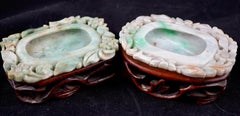
19th Century Chinese Chinese Export Antique Chinese Brush
Jade, Soapstone
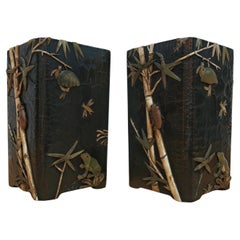
19th Century Chinese Qing Antique Chinese Brush
Pottery
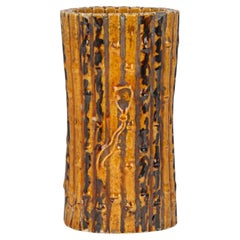
Late 19th Century Chinese Qing Antique Chinese Brush
Hardwood
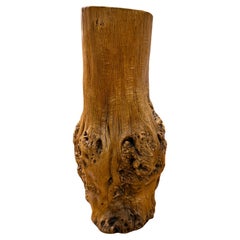
Late 19th Century Chinese Qing Antique Chinese Brush
Hardwood
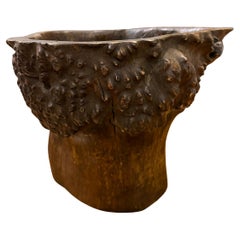
Late 19th Century Chinese Qing Antique Chinese Brush
Hardwood
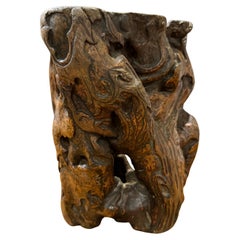
Late 19th Century Chinese Qing Antique Chinese Brush
Soapstone
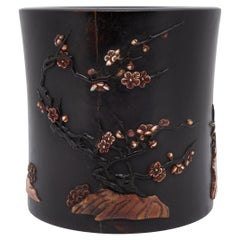
Early 19th Century Antique Chinese Brush
Cypress
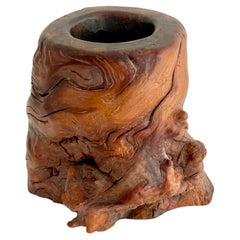
19th Century Chinese Qing Antique Chinese Brush
Porcelain
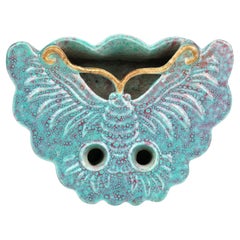
Mid-19th Century Chinese Antique Chinese Brush
Ceramic
19th Century Chinese Modern Antique Chinese Brush
Paint
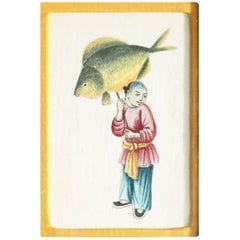
Late 19th Century Chinese Qing Antique Chinese Brush
Soapstone

19th Century Chinese Qing Antique Chinese Brush
Porcelain
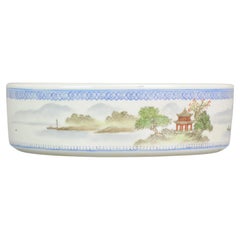
Early 19th Century Asian Napoleon III Antique Chinese Brush
Wood, Lacquer, Paper
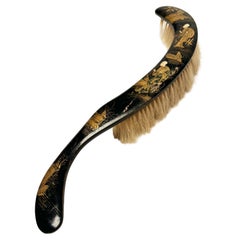
1880s Chinese Qing Antique Chinese Brush
Bamboo
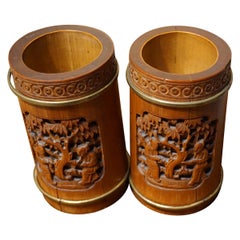
Mid-19th Century Chinese Antique Chinese Brush
Bamboo
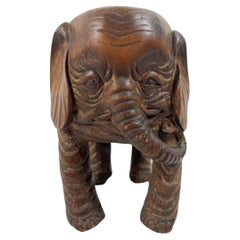
Early 20th Century Chinese Antique Chinese Brush
Boxwood
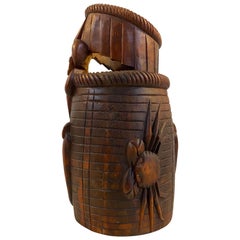
Early 20th Century Chinese Ming Antique Chinese Brush
Bamboo
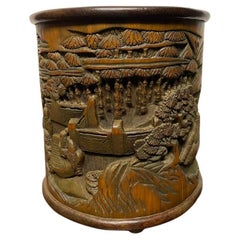
1850s Chinese Qing Antique Chinese Brush
Porcelain
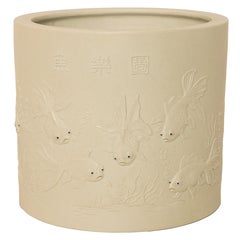
Mid-18th Century Chinese Qing Antique Chinese Brush
Enamel
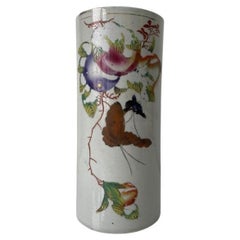
Early 20th Century Chinese Qing Antique Chinese Brush
Stone
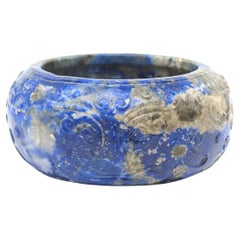
Late 19th Century Chinese Qing Antique Chinese Brush
Jade
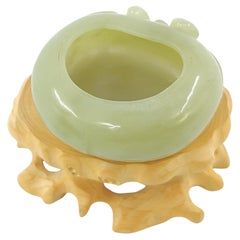
Early 1900s Asian Qing Antique Chinese Brush
Soapstone
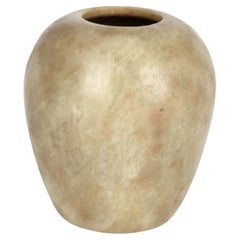
Early 20th Century Chinese Qing Antique Chinese Brush
Porcelain
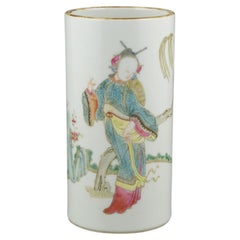
Late 19th Century Chinese Late Victorian Antique Chinese Brush
Bamboo
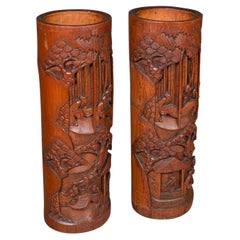
19th Century Chinese Qing Antique Chinese Brush
Porcelain, Wood
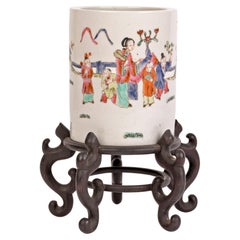
Late 19th Century French Antique Chinese Brush
Wood
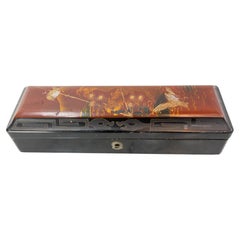
18th Century Antique Chinese Brush
Bamboo
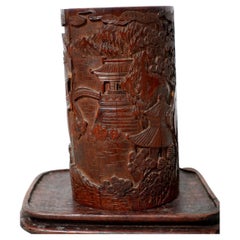
19th Century Chinese Antique Chinese Brush
Porcelain
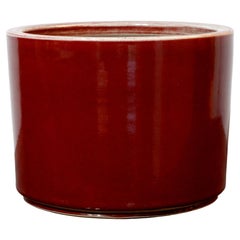
Mid-18th Century Chinese Qing Antique Chinese Brush
Enamel
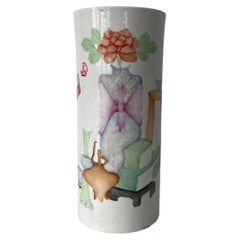
Early 20th Century Chinese Chinese Export Antique Chinese Brush
Ceramic
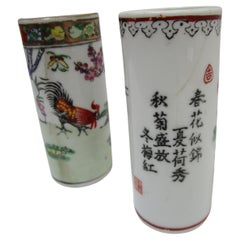
Early 19th Century Chinese Antique Chinese Brush
Coral

19th Century Chinese Qing Antique Chinese Brush
Jade
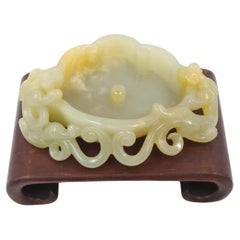
Late 19th Century Chinese Qing Antique Chinese Brush
Hardwood
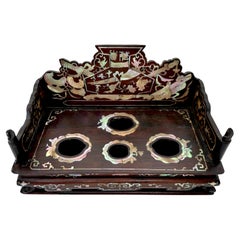
1920s Chinese Art Deco Antique Chinese Brush
Metal, Silver, Silver Plate, Sterling Silver
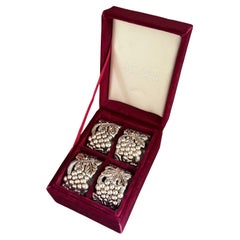
Late 19th Century Chinese Qing Antique Chinese Brush
Bamboo
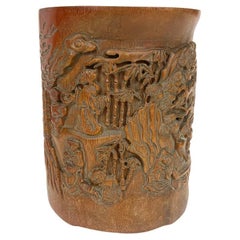
Mid-19th Century Chinese Qing Antique Chinese Brush
Bamboo
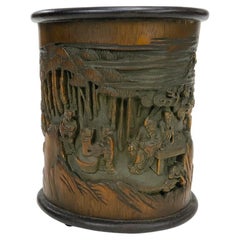
Mid-19th Century Chinese Qing Antique Chinese Brush
Bamboo
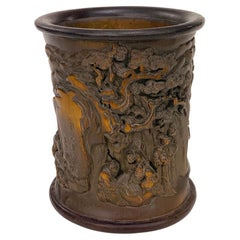
Early 20th Century Chinese Chinese Export Antique Chinese Brush
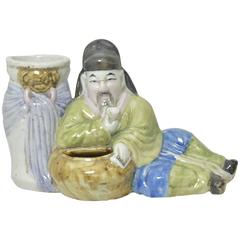
Late 19th Century Chinese Antique Chinese Brush
Porcelain
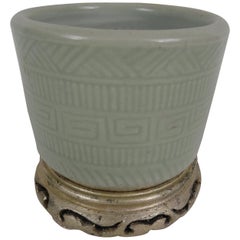
Late 19th Century Chinese Antique Chinese Brush
Jade
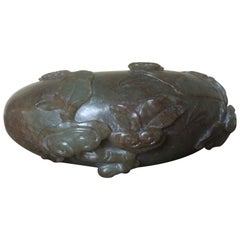
18th Century Chinese Qing Antique Chinese Brush
Jade
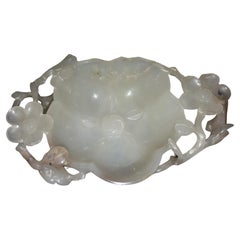
18th Century Chinese Qing Antique Chinese Brush
Hardwood
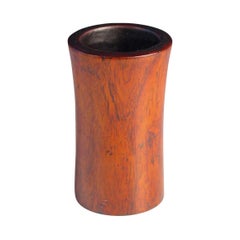
- 1
Antique Chinese Brush For Sale on 1stDibs
How Much is a Antique Chinese Brush?
- What is a Chinese brush?1 Answer1stDibs ExpertOctober 5, 2021A Chinese brush is an ink brush or paintbrush. It was invented in China around 3,000 B.C. and was predominantly used by Chinese calligraphy artists and later on by Japanese and Korean artists. Find Chinese brushes from different periods on 1stDibs.
- 1stDibs ExpertNovember 4, 2024To identify antique Chinese furniture, look carefully at its details. Chinese craftsmen often built furniture using mortise and tenon joinery, eliminating the need for nails and screws. If you see this type of hardware, your piece is likely not at least 100 years old, especially if the hardware still looks new and shiny. Since antique furniture was handmade, you will normally see slight imperfections, such as tool marks or slight variations in carvings. Pieces that appear completely uniform and pristine are less often genuine antiques.
When present, maker's marks can also be helpful. Research the marks to learn more about when the maker was active and producing pieces like yours. Alternatively, you can have a certified appraiser or experienced antique dealer evaluate your furniture for you.
Shop an assortment of antique Chinese furniture.  Lotus GallerySeptember 23, 2020
The best way to know is to take it to an expert, such as an appraiser, reputable dealer or auction house, or museum
 PAGODA REDOctober 7, 2020
To determine the age of a Chinese furniture piece, look carefully at the joinery and finish. Natural expansion and contraction of the wood over time will cause a joint to protrude or retract, distorting a once-seamless fit. Antique lacquer finishes become crackled and worn over time. Areas of exposed wood, such as the underside of a table, the footrest of a chair, or the back of a cabinet should appear raw and dry compared to the finished surface. With use, the legs of tables and chairs become weathered near the bottom from precipitation and use.
Read More
Symbols of Happiness and Rebirth Adorn This Japanese Satsuma Bowl
Decorated with white cranes and the sought-after thousand-butterflies motif, the Meiji-period vessel offers both a celebration of traditional aesthetics and a clear reflection of the era’s appetite for exquisite export pieces.
Chicago’s Pagoda Red Has a Spirited Mix of Asian Antiques and Bold New Art
For 25 years, gallerist Betsy Nathan has leveraged her keen eye and key connections to bring a unique selection of rare finds to the market.
In L.A., Gallerist JF Chen Has Long Championed Eclectic Blue-Chip Design
Now working alongside his daughter Bianca, dealer Joel Chen has presented a most covetable array of antiques, art and contemporary creations for more than 40 years.
12 Calming Spaces Inspired by Japanese Design
From cherry-blossom-adorned walls paired with glamorous lighting to wood-paneled ceilings above checkerboard-patterned chairs, these 12 spaces seamlessly blend Eastern and Western aesthetics.
Rodrigo Rivero Lake’s Mexico City Showroom Is a Museum-Worthy Trove of Spanish Colonial and Asian Antiques
The dealer and curator has spent the past 50 years amassing a collection of exceptional art, furniture and architectural elements that trace the cultural influence of the Spanish empire from Europe to the Americas and beyond.
16 Refined Asian-Inspired Interiors
These spaces exemplify how Eastern elements elevate a home's decor.