Antique Chinese Tray
to
25
338
103
242
177
177
80
53
39
31
30
13
12
11
11
11
8
6
5
3
3
2
2
2
1
1
1
3
2
2
2
2
Sort By
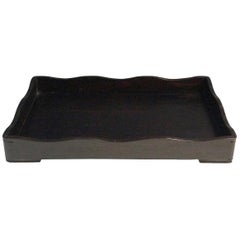
Japanese Rosewood Tray in a Chinoiserie Style
Located in New York, NY
Japanese rosewood tray in Chinese style with centre floating panel tongued into the simple rounded
Category
Early 1900s Japanese Meiji Antique Chinese Tray
Materials
Rosewood

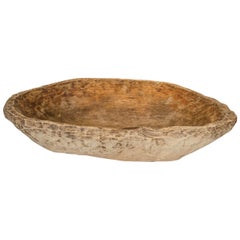
Large Antique Pine Bowl
Located in New York, NY
A large Chinese antique tray/bowl carved from a single piece of pine wood. A truly beautiful patina
Category
Early 20th Century Chinese Antique Chinese Tray
Materials
Pine
- 1
Get Updated with New Arrivals
Save "Antique Chinese Tray", and we’ll notify you when there are new listings in this category.
Antique Chinese Tray For Sale on 1stDibs
At 1stDibs, there are many versions of the ideal antique Chinese tray for your home. Frequently made of wood, metal and hardwood, every antique Chinese tray was constructed with great care. Your living room may not be complete without an antique Chinese tray — find older editions for sale from the 18th Century and newer versions made as recently as the 20th Century. An antique Chinese tray is a generally popular piece of furniture, but those created in Victorian, Regency and Art Deco styles are sought with frequency. You’ll likely find more than one antique Chinese tray that is appealing in its simplicity, but Cum Wo, Tu Mao Xing and Ashworth Ironstone produced versions that are worth a look.
How Much is a Antique Chinese Tray?
Prices for an antique Chinese tray can differ depending upon size, time period and other attributes — at 1stDibs, they begin at $108 and can go as high as $37,000, while the average can fetch as much as $1,280.
Questions About Antique Chinese Tray
- 1stDibs ExpertNovember 4, 2024To identify antique Chinese furniture, look carefully at its details. Chinese craftsmen often built furniture using mortise and tenon joinery, eliminating the need for nails and screws. If you see this type of hardware, your piece is likely not at least 100 years old, especially if the hardware still looks new and shiny. Since antique furniture was handmade, you will normally see slight imperfections, such as tool marks or slight variations in carvings. Pieces that appear completely uniform and pristine are less often genuine antiques.
When present, maker's marks can also be helpful. Research the marks to learn more about when the maker was active and producing pieces like yours. Alternatively, you can have a certified appraiser or experienced antique dealer evaluate your furniture for you.
Shop an assortment of antique Chinese furniture.  Lotus GallerySeptember 23, 2020
The best way to know is to take it to an expert, such as an appraiser, reputable dealer or auction house, or museum
 PAGODA REDOctober 7, 2020
To determine the age of a Chinese furniture piece, look carefully at the joinery and finish. Natural expansion and contraction of the wood over time will cause a joint to protrude or retract, distorting a once-seamless fit. Antique lacquer finishes become crackled and worn over time. Areas of exposed wood, such as the underside of a table, the footrest of a chair, or the back of a cabinet should appear raw and dry compared to the finished surface. With use, the legs of tables and chairs become weathered near the bottom from precipitation and use.
More Ways To Browse
Floor Length Robes
Antique Sewing Spools
Chinese White Porcelain Reticulated
Antique Furniture Kansas City
Antique Gamblers Box
Cloisonne Marks Chinese
Dough Tray
Georgian Pens
Antique Dough Trays
Green Jade Bowl With Lid
Meissen Tazza
Reticulated Blue And White
Chinese Enamel Smoking Set
Sterling China Japan
Ralph Lauren Butlers Tray
Wicker Elephant Bar
Plossberg
Poland Figure