Antique Diamond Tiaras
1890s British Victorian Antique Diamond Tiaras
Diamond, Gold, Silver
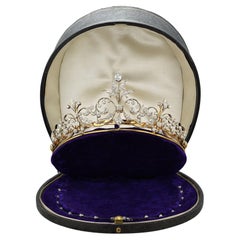
Early 19th Century British Georgian Antique Diamond Tiaras
Diamond, Yellow Gold
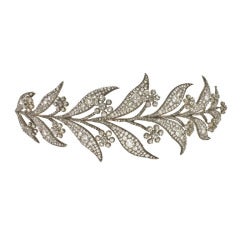
1880s Late Victorian Antique Diamond Tiaras
Diamond
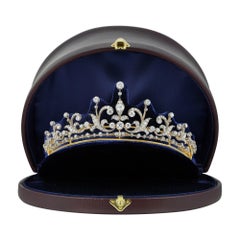

1890s British Late Victorian Antique Diamond Tiaras
Diamond, Gold, Silver
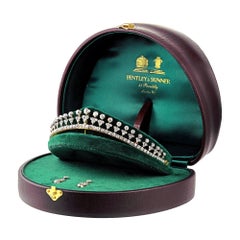
1910s British Edwardian Antique Diamond Tiaras
Diamond, Platinum
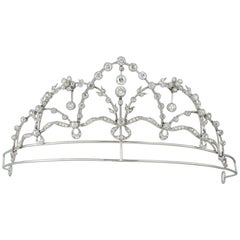
1880s Late Victorian Antique Diamond Tiaras
Diamond
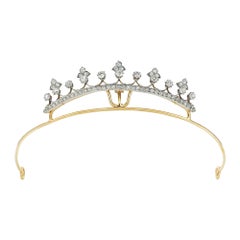
1890s British Late Victorian Antique Diamond Tiaras
Diamond, Yellow Gold, Silver
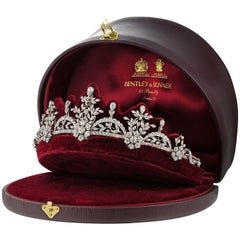
Late 19th Century British Late Victorian Antique Diamond Tiaras
Diamond, Pearl, Natural Pearl, Gold, Silver
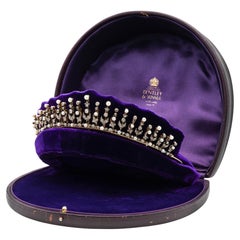
Early 1900s Unknown Russian Empire Antique Diamond Tiaras
Diamond, Platinum
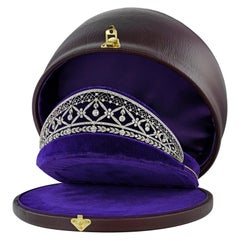
1920s French Antique Diamond Tiaras
Yellow Gold, Platinum
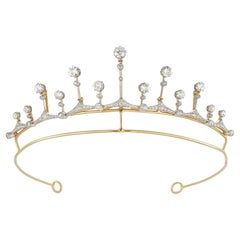
1890s British Late Victorian Antique Diamond Tiaras
Diamond, 18k Gold, Silver
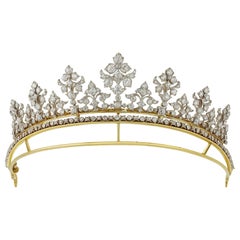
19th Century Unknown Antique Diamond Tiaras
Diamond, 10k Gold, Silver
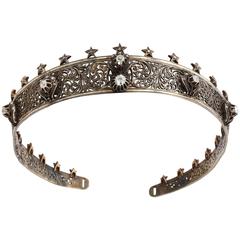
Late 19th Century British Victorian Antique Diamond Tiaras
Diamond, Gold, Silver
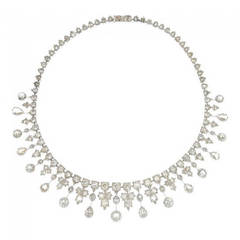
20th Century English Edwardian Antique Diamond Tiaras
Diamond, Platinum
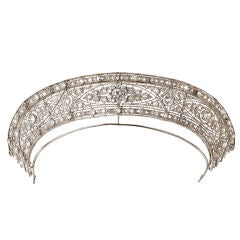
20th Century American Edwardian Antique Diamond Tiaras
Diamond, Moonstone, Platinum, 14k Gold
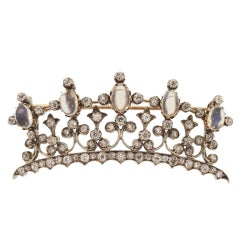
Early 20th Century Unknown Belle Époque Antique Diamond Tiaras
Diamond, White Diamond, Gold, 18k Gold, Rose Gold, Yellow Gold, Silver
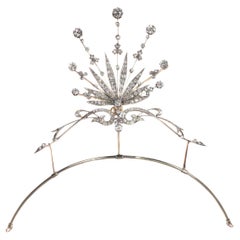
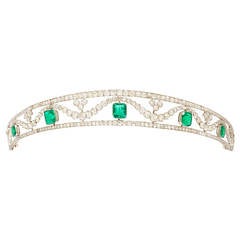
20th Century French Edwardian Antique Diamond Tiaras
Diamond, Emerald, 18k Gold, Platinum
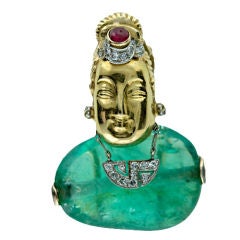
Early 20th Century Art Deco Antique Diamond Tiaras
Emerald, Diamond, Ruby, 18k Gold
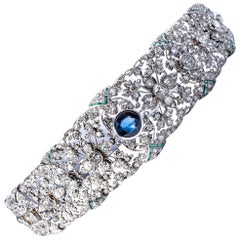
1890s Italian Victorian Antique Diamond Tiaras
Diamond, Sapphire, 18k Gold
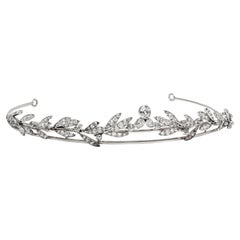
1910s Edwardian Antique Diamond Tiaras
Diamond, 14k Gold, White Gold, Platinum
Late 19th Century Unknown Art Nouveau Antique Diamond Tiaras
White Diamond, 18k Gold, Platinum
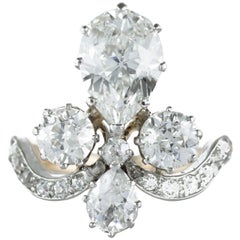
Early 20th Century French Antique Diamond Tiaras
Diamond, Natural Pearl, Gold
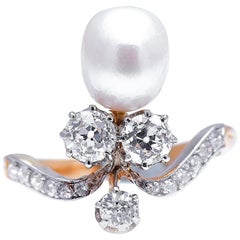
1880s Victorian Antique Diamond Tiaras
Diamond, Natural Pearl, Sapphire, 18k Gold
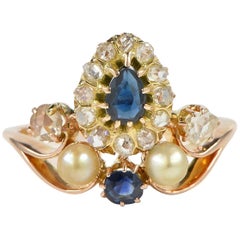
Late 19th Century Unknown Victorian Antique Diamond Tiaras
Diamond, Natural Pearl, 18k Gold, Silver
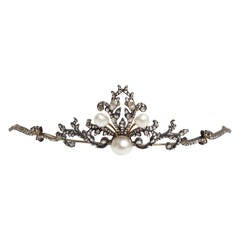
Early 20th Century British Belle Époque Antique Diamond Tiaras
Diamond, Platinum, Base Metal
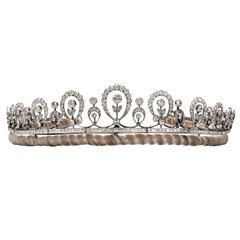
Mid-19th Century French Napoleon III Antique Diamond Tiaras
Silver, Gold
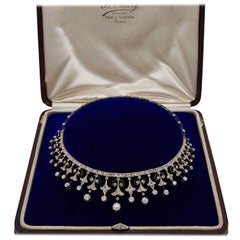
1870s British Victorian Antique Diamond Tiaras
Gilt Metal
- 1
Exquisite Diamond Tiaras for Sale on 1stDibs
For connoisseurs of fine jewelry, diamond tiaras are as alluring as they were when we were children — they evoke magic and fairy tales as much as they do luxury. While ornate antique diamond tiaras are widely coveted, more modern examples attract many with their chic, minimalist appeal. Then there are devotees of jewelry who love both types, for different occasions.
“Tiaras are exceptionally romantic jewels,” says Sara Prentice, creative director of the British jewelry house Garrard. “Their regal connotations imbue them with a highly sought-after, prestigious beauty. A woman certainly holds herself differently when wearing one.”
In contrast to their regal history, most tiaras now “are bought by families for the wedding of a daughter and often kept as heirlooms, to be passed down to future brides,” says Claire Frost, of London’s Moira Fine Jewellery. Moreover, while traditionally, only married women were allowed to wear them — which partly explains their popularity among brides — these days anyone can.
Especially alluring are tiaras that can be transformed into multiple jewels, making them not merely exquisite hair ornaments but versatile and practical investments. An Edwardian tiara offered by Berganza, for instance, set with deep-red Burmese rubies encircled by 56 carats of white diamonds, can be converted into two elaborate necklaces and two pairs of earrings.
King Edward VII introduced incredibly formal Buckingham Palace court presentations, balls and soirées, resulting in a huge demand for diamond jewels starting with his coronation in 1902. He removed all reference to Victoriana by having the palace completely renovated, and dozens of tiaras and formal jewels in an updated 18th-century style were purchased from French jewelers Boucheron and Chaumet and from Russia’s Fabergé. Garrard has famously crafted many pieces for the British royal family, including Queen Mary’s fringe tiara, made in 1919, which was later worn by Queen Elizabeth on her wedding day and by Princess Beatrice on hers.
But you don't have to be a princess or a queen to look ravishing in a tiara.
Find diamond tiaras for sale on 1stDibs — they aren’t just for royalty anymore.
The Legacy of Diamond in Jewelry Design
Antique diamond rings, diamond tiaras and dazzling vintage diamond earrings are on the wish lists of every lover of fine jewelry. And diamonds and diamond jewelry are primarily associated with storybook engagements and red-carpet grand entrances — indeed, this ultra-cherished gemstone has a dramatic history on its hands.
From “A Diamond Is Forever” to “Diamonds Are a Girl’s Best Friend,” pop culture has ingrained in our minds that diamonds are the most desired, the most lasting and the most valuable gemstone. But what makes the diamond so special? Each stone — whether it’s rubies, sapphires or another stone — is unique and important in its own right. April babies might claim diamonds for themselves, but just about everyone wants this kind of sparkle in their lives!
There are several factors that set diamonds apart from other stones, and these points are important to our gem education.
Diamonds are minerals. They are made up of almost entirely of carbon (carbon comprises 99.95 percent; the remainder consists of various trace elements). Diamonds are the hardest gemstones, ranking number 10 on the Mohs Hardness Scale. Even its name, diamond, is rooted in the Greek adamas, or unconquerable. The only object that can scratch a diamond is another diamond. Diamonds are formed deep within the earth at very high temperatures (1,652–2,372 degrees Fahrenheit at depths between 90 and 120 miles beneath the earth’s surface) and are carried up by volcanic activity. Diamonds are quite rare, according to the Gemological Institute of America, and only 30 percent of all the diamonds mined in the world are gem quality.
In the 1950s, the Gemological Institute of America developed the 4Cs grading system to classify diamonds: clarity, color, cut and carat weight. Not all diamonds are created equal (there are diamonds, and then there are diamonds). The value of the diamond depends on the clarity (flawless diamonds are very rare but a diamond's value decreases if there are many blemishes or inclusions), color (the less color the higher the grade), cut (how the diamond’s facets catch the light, certain cuts of diamonds show off the stone better than others) and carat weight (the bigger, the better).
When you start shopping for a diamond engagement ring, always prioritize the cut, which plays the largest role in the diamond's beauty (taking the time to clean your diamond ring at least every six months or so plays a role in maintaining said beauty). And on 1stDibs, a range of buying guides can be found for those in the market for antique engagement rings, vintage engagement rings or Art Deco engagement rings.
Shop antique and vintage diamond rings, diamond necklaces and other extraordinary diamond jewelry on 1stDibs.