Antique Floor Mirrors
1830s French Empire Antique Floor Mirrors
Mahogany
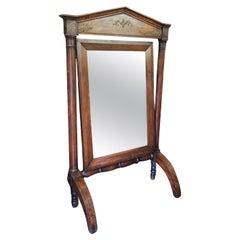
Early 20th Century French Antique Floor Mirrors
Mahogany
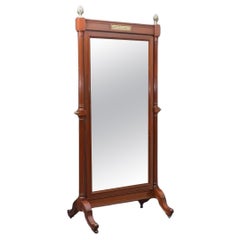
Early 1800s German Neoclassical Antique Floor Mirrors
Mirror, Mahogany
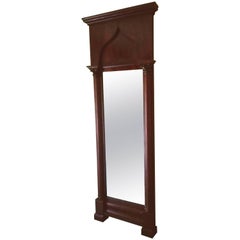
Late 19th Century Spanish Art Nouveau Antique Floor Mirrors
Mirror, Cherry
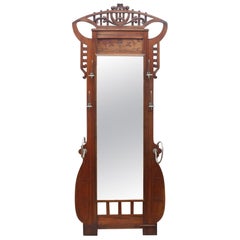
19th Century American Antique Floor Mirrors
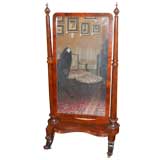

Mid-19th Century Antique Floor Mirrors
Gold Leaf
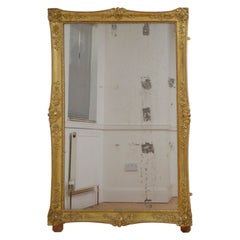
1890s British Sheraton Antique Floor Mirrors
Mahogany
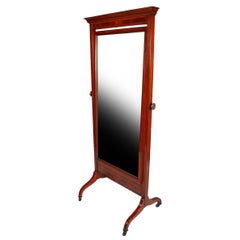
19th Century French Antique Floor Mirrors
Mahogany
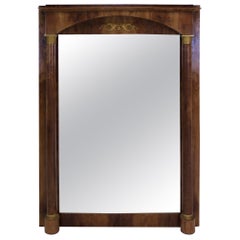
1850s Victorian Antique Floor Mirrors
Olive
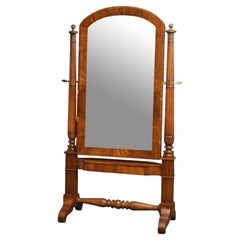
1850s French Empire Antique Floor Mirrors
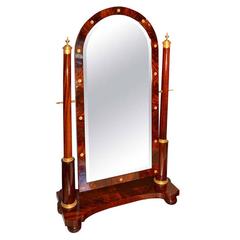
19th Century Austrian Empire Antique Floor Mirrors
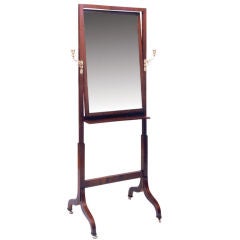
19th Century English Antique Floor Mirrors
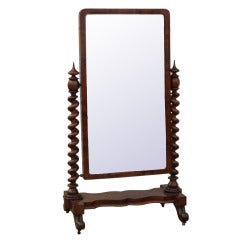
Early 20th Century English Antique Floor Mirrors
Mahogany, Glass
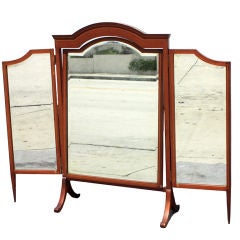
Early 19th Century Belgian Empire Antique Floor Mirrors
Mahogany
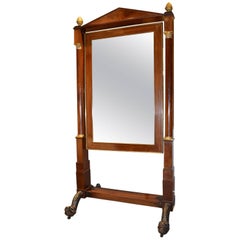
1830s English William IV Antique Floor Mirrors
Brass
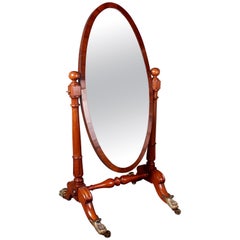
Early 19th Century Belgian Empire Antique Floor Mirrors
Mahogany
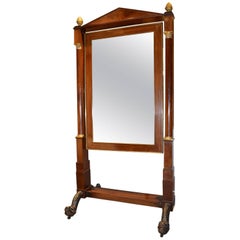
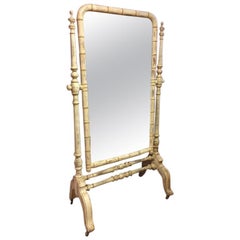
1920s French French Provincial Antique Floor Mirrors
Faux Bamboo, Mirror
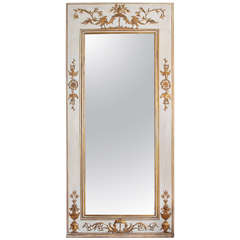
19th Century French Louis XVI Antique Floor Mirrors
19th Century Antique Floor Mirrors
Oak, Mercury Glass
1870s American Eastlake Antique Floor Mirrors
Mid-18th Century French Louis XV Antique Floor Mirrors
Mirror, Giltwood

19th Century French Louis XV Antique Floor Mirrors
Giltwood, Mirror
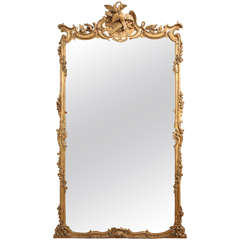
Early 1900s Austrian Vienna Secession Antique Floor Mirrors
Metal
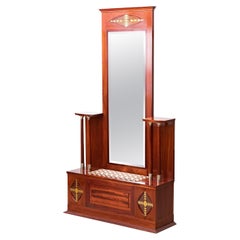
19th Century Belgian Antique Floor Mirrors
Oak
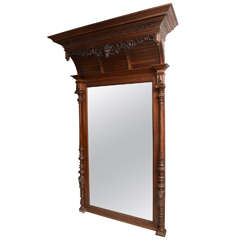
Early 20th Century Swedish Federal Antique Floor Mirrors
Pine
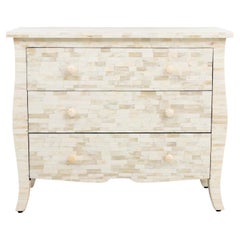
1890s British Late Victorian Antique Floor Mirrors
Mahogany
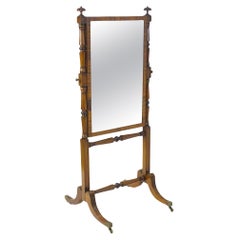
Early 20th Century French Japonisme Antique Floor Mirrors
Wood, Bamboo, Glass
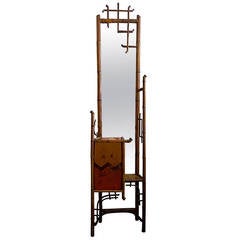
19th Century Antique Floor Mirrors
Walnut
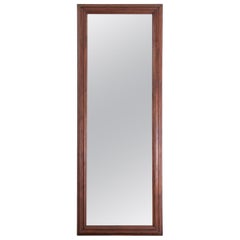
Early 1900s English Edwardian Antique Floor Mirrors
Mahogany

Early 1900s French Art Nouveau Antique Floor Mirrors
Copper
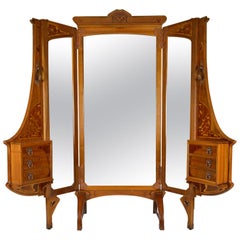
19th Century Italian Baroque Antique Floor Mirrors
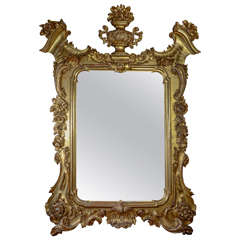
19th Century Antique Floor Mirrors
Mahogany
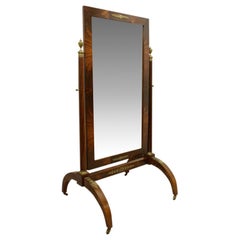
1830s Great Britain (UK) William IV Antique Floor Mirrors
Mahogany

Mid-18th Century English Chippendale Antique Floor Mirrors
Giltwood
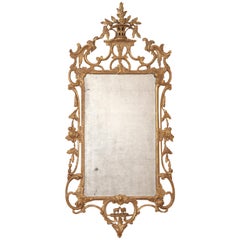
Late 19th Century Late Victorian Antique Floor Mirrors
Oak

Early 19th Century French Empire Antique Floor Mirrors
Copper

1840s Swedish Gustavian Antique Floor Mirrors
Walnut
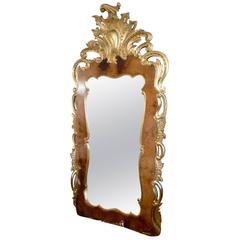
19th Century French Antique Floor Mirrors
Wood
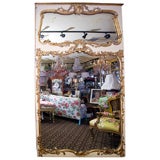
1830s French Restauration Antique Floor Mirrors
Fruitwood, Walnut, Giltwood
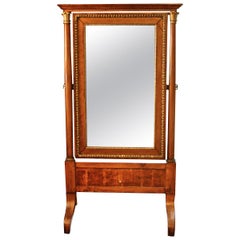
19th Century Swedish Biedermeier Antique Floor Mirrors
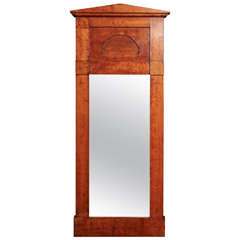
Early 19th Century French Louis XVI Antique Floor Mirrors
Giltwood, Glass, Latex
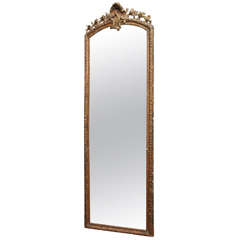
Late 19th Century Spanish Art Nouveau Antique Floor Mirrors
Mirror, Walnut
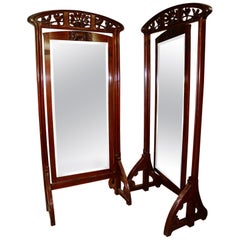
Early 19th Century French Empire Antique Floor Mirrors
Nutwood
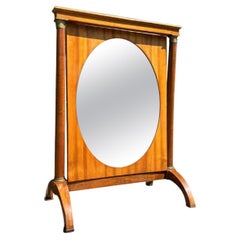
Mid-19th Century English Antique Floor Mirrors
Glass, Oak
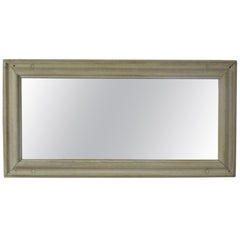
Early 1900s French Antique Floor Mirrors
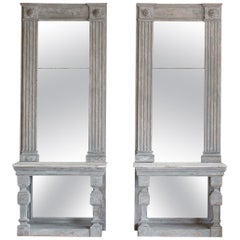
Late 19th Century Sri Lankan Anglo-Indian Antique Floor Mirrors
Ebony
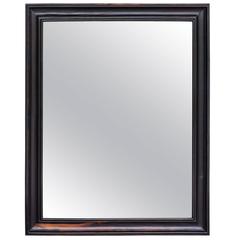
Early 1900s English Edwardian Antique Floor Mirrors
Satinwood
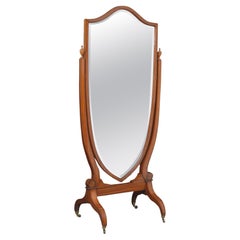
18th Century French Louis XVI Antique Floor Mirrors
Fruitwood
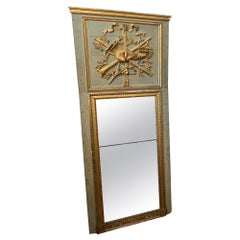
1880s British Victorian Antique Floor Mirrors
Mahogany
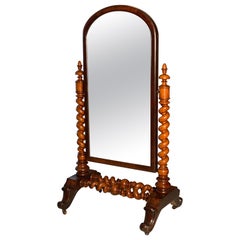
Early 20th Century European Empire Antique Floor Mirrors
Wood
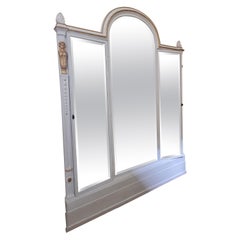
19th Century French Antique Floor Mirrors
Gold Leaf
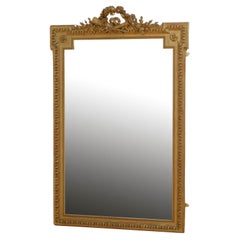
18th Century and Earlier Antique Floor Mirrors
Gold Leaf
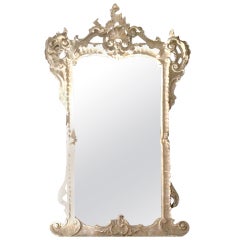
19th Century Antique Floor Mirrors
Mahogany
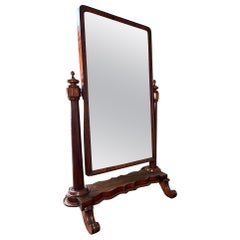
Late 18th Century Italian Empire Antique Floor Mirrors
Wood
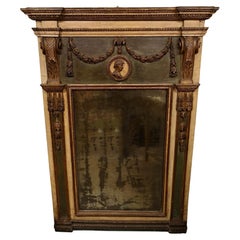
19th Century British Victorian Antique Floor Mirrors
Gesso
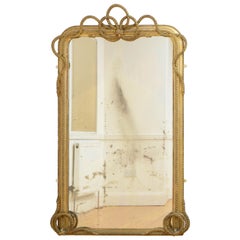
Late 19th Century Syrian Antique Floor Mirrors
Metal

1880s Swedish Empire Antique Floor Mirrors
Mahogany
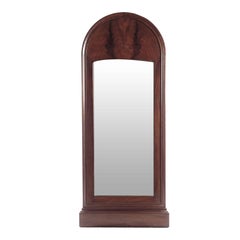
- 1
- ...
Antique Floor Mirrors For Sale on 1stDibs
How Much are Antique Floor Mirrors?
Finding the Right Floor-mirrors-full-length-mirrors for You
Bringing antique and vintage floor mirrors and full-length mirrors into your home is a no-brainer. The right mirror in the bedroom, bathroom and by the door in your home’s entryway — for last-minute accessorizing, of course — can make all the difference.
However, knowing where to strategically place your mirror can help illuminate your interior design choices and add a glamorous accent to any room.
A large beveled floor mirror can add depth to a space — particularly if you’re working with small rooms. It can echo the contour lines of wall paneling and make a bedroom appear larger than it is. Both floor mirrors and full-length mirrors create a window-like effect, reflecting light and brightening the room. Hanging a large mirror opposite a window will flood a room with natural light and engender a feeling of spaciousness.
Consider the placement of a mirror in the room: Displaying vases, boxes and other decorative objects in front of a mirror reflects these items, drawing attention to a prized collection and emphasizing their visual qualities for dramatic effect.
A large antique wall mirror or celebrated iconic design such as Paul Evans’s Patchwork mirror or the flashy, sensuous Ultrafragola mirror created by Ettore Sottsass can be positioned as the focal point in a living room or dining room.
When your mirror isn’t the star of the show, it can be used to enhance a focal point. Hang abstract art — a grouping of paintings or drawings, perhaps — on the wall opposite the mirror to establish narrative character in a space and create an intriguing color pattern.
It is important to consider the size, shape and frame of a mirror. Most full-length mirrors have a traditional rectangular shape, but postmodern mirrors may offer more variety. For a mirror that makes a bold statement, Art Deco mirrors typically feature geometrically pronounced frames that stand out in a room.
Add light to your interiors while providing an artistic accent to any room. Browse the selection of antique and vintage floor mirrors and full-length mirrors on 1stDibs today.
- What are floor mirrors used for?1 Answer1stDibs ExpertApril 5, 2022Floor mirrors are generally used to give a person a head-to-toe view. Floor mirrors can also be placed strategically in smaller areas to give the illusion of larger space. On 1stDibs, find a collection of floor mirrors from some of the top sellers around the world.
- 1stDibs ExpertApril 5, 2022What a floor-length mirror is called depends on its design. One positioned on feet or a base that allows it to remain upright on its own is a floor mirror. Frames that rest against the wall are leaning mirrors, while mirrors placed in tilting frames are chevals. Shop a variety of antique and vintage floor-length mirrors on 1stDibs.
- 1stDibs ExpertNovember 4, 2024To identify an antique floor lamp, first see if you can locate a marking on the shade, base, switch, socket or another area. Using trusted online resources, you can often identify a maker based on these markings. With an unmarked lamp, check the cord. Antique lighting fixtures will usually have a cotton-wrapped cord or exposed wires rather than a polymer-coated cord. The plug is also likely to have prongs the same size if the lamp is antique. Generally, a floor lamp must be at least 100 years old to be considered an antique. For further assistance with the identification process, enlist the help of a certified appraiser or experienced antique dealer. On 1stDibs, find a collection of antique floor lamps.
- 1stDibs ExpertApril 5, 2022To tell if a mirror is antique, check the glass to see if it's wavy or has any imperfections. Modern glass tends to be perfect. While this can be a clue, it might just signify that the mirror is old, not antique. Another thing to check for is the reflective coating on the back of the glass to see if it has begun oxidizing and has any age scratches. Finally, check out the frame to see if it has the appearance of age. Shop a large collection of antique mirrors from some of the world’s top sellers on 1stDibs.
- 1stDibs ExpertApril 5, 2022An antique mirror is a mirror of considerable age that has historical significance or is in great demand due to its beauty or rarity. Oftentimes, you’ll hear an antique be defined as any item that is more than 100 years old, but this is not a specific measurement of an antique nor is it a requirement. Shop a collection of antique mirrors from some of the world’s top sellers on 1stDibs.
- 1stDibs ExpertFebruary 22, 2021You can tell if a mirror is antique through a number of indicators. For example, most antique mirrors are quite small in size, measuring no more than 2 feet. Additionally, antique mirrors will show signs of sports or discoloration. Many antique mirrors will have bubbling or waves in the glass.
- 1stDibs ExpertOctober 21, 2020
Repairs and replacements can go toward devaluing any piece of antique or vintage furniture, and any modifications or repairs done to a centuries-old mirror should be handled by experts and executed with care. Because antique Venetian mirrors were handcrafted by Italian artisans and can in some cases be hundreds of years old, it is strongly recommended that you consult with experts in the field of restoring antique or decorative mirrors in the event that your piece should require restorative work.
Read More
20 Artfully Crafted Mirrors to Frame Your Reflection
In "Object Permanence 4," on view at the 1stdibs Gallery, Emma Holland Denvir and Leah Ring have brought together pieces that range from polished to playful.
Unexpected Furniture Pieces Made from Clay
A new generation of creative minds is reinventing the use of clay through sculptural forms and bold ideas.
5 Standout Contemporary Mirrors (and How to Decorate with Them)
Leading talents tell us what goes into their mirrored creations and where to put them on a wall.
12 Rooms with Dramatic, Unexpected Mirrors
These are the fairest of them all.