Antique Furniture Brands
Early 20th Century American Industrial Antique Furniture Brands
Leather, Natural Fiber

Early 20th Century American Industrial Antique Furniture Brands
Leather, Natural Fiber

19th Century English Victorian Antique Furniture Brands
Upholstery, Mahogany
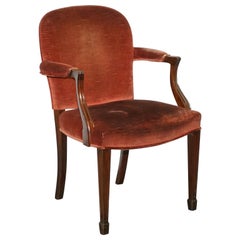
Late 19th Century Victorian Antique Furniture Brands
Canvas
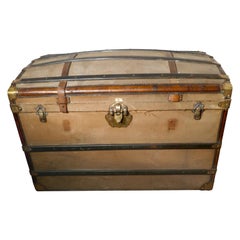
1910s American Arts and Crafts Antique Furniture Brands
Leather, Oak
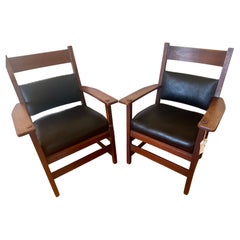
Early 20th Century American Industrial Antique Furniture Brands
Iron

19th Century German Biedermeier Antique Furniture Brands
Wood, Mahogany
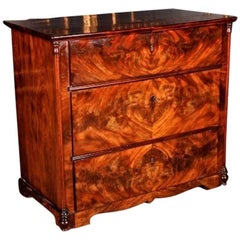
Early 20th Century English Edwardian Antique Furniture Brands
Steel
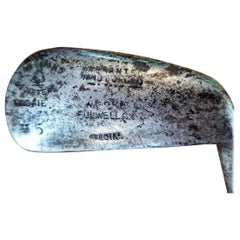
19th Century Belgian Antique Furniture Brands
Ceramic, Clay
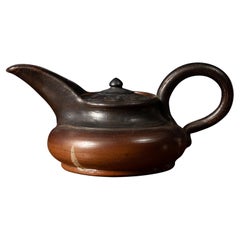
Early 1900s American Arts and Crafts Antique Furniture Brands
Oak
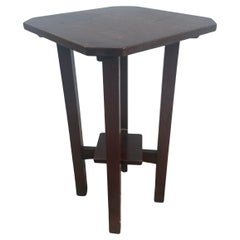
Early 20th Century American Arts and Crafts Antique Furniture Brands
Oak
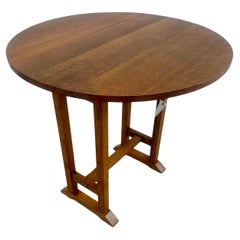
Early 1900s American Arts and Crafts Antique Furniture Brands
Oak
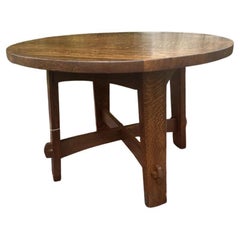
Early 1900s American Arts and Crafts Antique Furniture Brands
Oak
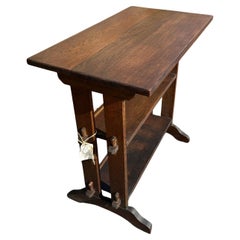
Early 20th Century American Arts and Crafts Antique Furniture Brands
Leather, Upholstery, Oak
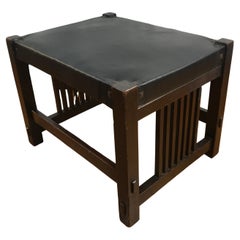
Early 1900s American Arts and Crafts Antique Furniture Brands
Oak
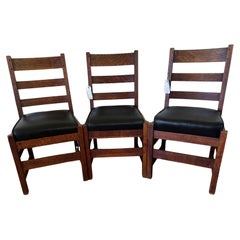
Early 1900s American Other Antique Furniture Brands
Oak
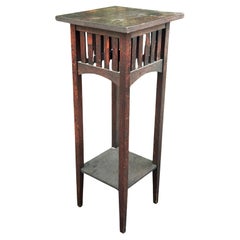
1910s American Arts and Crafts Antique Furniture Brands
Brass
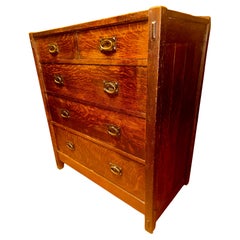
Early 1900s English Edwardian Antique Furniture Brands
Silver
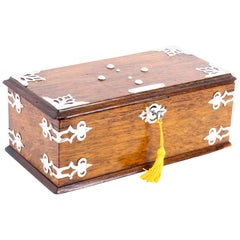
Early 18th Century Italian Neoclassical Antique Furniture Brands
Satinwood, Walnut
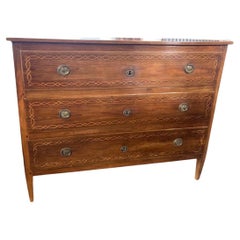
1660s Danish Mid-Century Modern Antique Furniture Brands
Oak
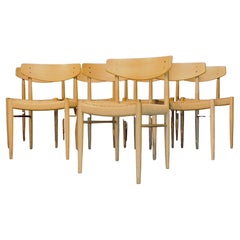

1920s American Antique Furniture Brands
Brass
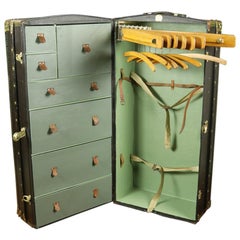
Early 20th Century American Antique Furniture Brands
Iron
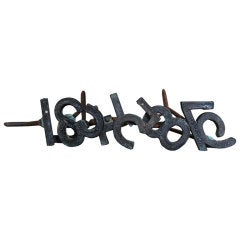
1920s French Antique Furniture Brands
Brass

Early 20th Century American Folk Art Antique Furniture Brands
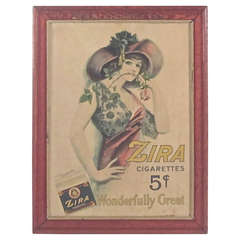
Mid-19th Century Antique Furniture Brands
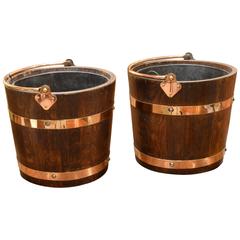
Early 20th Century German Bauhaus Antique Furniture Brands
Brass
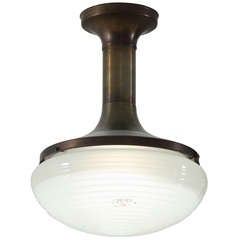
18th Century and Earlier French Antique Furniture Brands
Wood, Mirror
1910s French Antique Furniture Brands
Brass
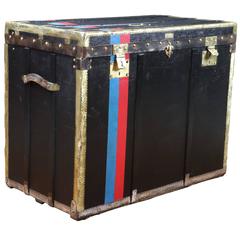
1910s French Antique Furniture Brands
Brass, Steel
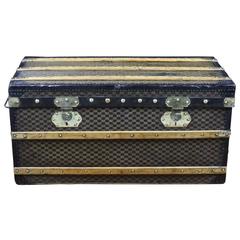
1920s French Antique Furniture Brands
Brass
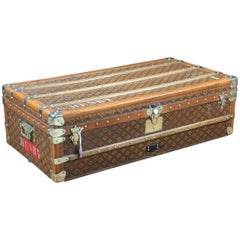
17th Century Antique Furniture Brands
Oak
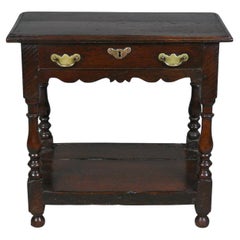
19th Century English George III Antique Furniture Brands
Brass

1810s Swedish Gustavian Antique Furniture Brands
Metal
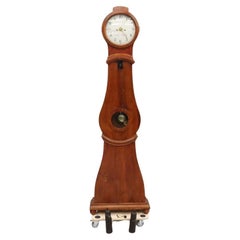
1890s French Antique Furniture Brands
Brass, Steel
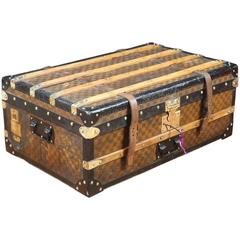
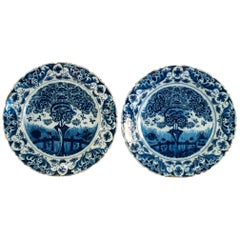
Early 18th Century Dutch Antique Furniture Brands
Delft
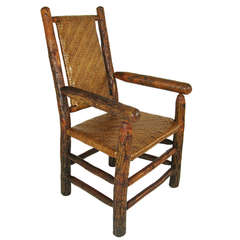
Early 20th Century American Adirondack Antique Furniture Brands
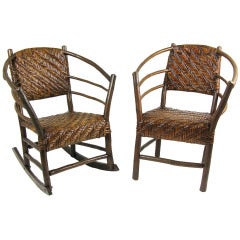
Early 20th Century American Adirondack Antique Furniture Brands
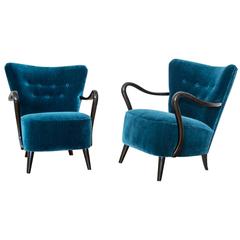
Early 20th Century Danish Art Deco Antique Furniture Brands
Velvet, Walnut
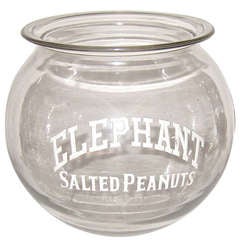
Early 20th Century American Folk Art Antique Furniture Brands
- 1
Antique Furniture Brands For Sale on 1stDibs
How Much are Antique Furniture Brands?
- 1stDibs ExpertFebruary 13, 2024Many furniture brands make their products in Canada. Among them are Amisco, Atelier C.U.B., Crate, Found, Handstone, Humble Nature, Linea, MARdiROS, Palliser and Sahara Furniture. Some of these companies produce all of their products in Canada, while others split manufacturing between facilities in Canada and other countries. Find a wide range of furniture on 1stDibs.
- 1stDibs ExpertFebruary 7, 2024United Furniture has made a variety of brands of furniture since its founding in 1905. Some of the most well-known brands that have been under the United umbrella include Crown Mark, Sierra Sleep, Signature Design by Ashley and Ultra Comfort. In addition, United Furniture manufactures pieces under its own brand name, and the company's dressers and other casegoods from the mid-century modern era are popular among collectors. Explore a selection of United Furniture on 1stDibs.
- 1stDibs ExpertMarch 25, 2024Yes, Stanley Furniture is generally a good brand. Many people appreciate the quality of the American furniture maker's mid-century modern pieces, which were produced in the United States. During the 1950s and ’60s, Stanley used only premium materials like solid hardwoods and genuine leather to produce its furnishings. Explore a range of Stanley Furniture on 1stDibs.
- 1stDibs ExpertApril 3, 2024There are many high-end furniture brands located around the world. Bernhardt, Fendi Casa, Herman Miller, Kartell, Knoll, Ligne Roset, Minotti, Pierre Yovanovitch, Roche Bobois and Tom Dixon are just a few examples. High-end furniture manufacturers are typically known for their exclusive offerings. They are innovators that have built reputations for their meticulous craftsmanship and use of high-quality luxury materials in the production of their goods. Shop a wide variety of furniture on 1stDibs.
- 1stDibs ExpertMarch 31, 2023Whether Stickley is a good furniture brand is a matter of personal opinion. However, many people appreciate the quality of the hardwood and craftsmanship behind each Stickley piece. Gustav Stickley was one of the principal figures in the American Arts and Crafts movement and creator of the Craftsman style. As a furniture designer and publisher of the magazine The Craftsman, he adopted many of the ideals of the British design reform movement and popularized both its philosophy and its aesthetics in the United States. On 1stDibs, shop a range of antique Stickley furniture.
- 1stDibs ExpertMay 30, 2024To identify your antique furniture, look for an engraving, tag, label or other marking that indicates who produced it. You may find it on the bottom or back of your furniture or inside a drawer or cabinet. Once you have located the marking, you can snap a photo of it and use a reverse image search to try and identify the maker. Or, you can type a description of the mark into a search engine. Alternatively, you can use the services of a certified appraiser or antiques dealer to get assistance with identification. On 1stDibs, shop a large selection of antique furniture.
- What makes furniture an antique?1 Answer1stDibs ExpertAugust 15, 2019
A piece of furniture is considered an antique if it is at least 100 years old.
- Is antique furniture in style?1 Answer1stDibs ExpertApril 22, 2024Yes, antique furniture is in style. Many people appreciate the beauty and handcrafted character of antique furniture and love the idea of owning pieces with a rich history. Remember that style preferences are nothing if not fluid, meaning what's in one year may not be the next. So, in choosing the furniture you're planning to live with, you should pay less attention to interior design fads than to what speaks to you. That way, you can select pieces that will add long-term character to your home. On 1stDibs, find a large collection of antique furniture.
- 1stDibs ExpertApril 5, 2024To know if your furniture is antique, look for labels and markings that indicate the maker. From there, you can use trusted online resources to determine when they were active and examine images to try to estimate the age of your piece. Furniture produced 100 years ago or more is antique. You can also have your furniture assessed by an appraiser or antiques dealer to learn about its age. On 1stDibs, explore a large collection of antique furniture.
- 1stDibs ExpertMay 14, 2024Many antique furniture brands are popular. While trends in collecting do vary over time, some makers consistently remain highly sought after. Among them are J. J.W. Meeks, John Henry Belter, R. J. Horner and Co., Stickley Furniture, George Hepplewhite, Josef Dannhauser, Thomas Chippendale and Thomas Sheridan. On 1stDibs, shop a variety of antique furniture.
- 1stDibs ExpertFebruary 22, 2021There are a number of factors that can indicate if your antique furniture is valuable. When determining the value of antique furniture, consider its rarity. Additionally, it is important to determine the quality and condition of vintage furniture. If unsure of the value of your vintage furniture, have it appraised.
- 1stDibs ExpertFebruary 1, 2024To date antique furniture from the UK, first look for identifying markings on the piece. You can then use trusted online resources to determine when the maker was active. From there, you may be able to estimate the year of production by looking at images of other furniture the maker produced. An expert appraiser or antiques dealer can also aid you in the dating process. Find a large selection of antique furniture on 1stDibs.
- 1stDibs ExpertFebruary 22, 2021Antique furniture can be worth quite a lot, particularly if it is in good quality. The rarer the piece, the higher the value.
- 1stDibs ExpertFebruary 13, 2024Whether antique furniture is making a comeback is a matter of opinion. Many people would argue that antique furniture never faded from fashion, as there have always been individuals who love the idea of owning pieces that have history. Some of the most popular styles for antique furniture include Art Deco, Arts and Crafts, Renaissance Revival, Elizabethan, Gothic Revival, Victorian and Chippendale. Find a large collection of antique furniture from some of the world's top dealers on 1stDibs.
- 1stDibs ExpertOctober 24, 2024To tell who made your antique furniture, seek out a maker's marking. Locations of these marks vary, but they are generally in an inconspicuous location. For example, a dresser may have the mark inside a drawer or on the back, while a hallmark on a table is often on a leg or under the tabletop. Once you locate a mark, you can use trusted online resources to identify the maker and learn more about them. If you can't find a marking on your piece, a certified appraiser or knowledgeable antique dealer can assist you with the identification process. Explore a large selection of antique furniture on 1stDibs.
- 1stDibs ExpertOctober 24, 2024To tell antique furniture from reproduction, first check for a maker's mark. By researching the maker associated with the marking using trusted online resources, you can determine when they were active. If the company was in business 100 years ago or more, your piece may be an antique, but if the company's history began more recently, your piece is likely a reproduction. If you can't locate a marking, study the details of the furniture up close. Genuine antiques will often show tool marks and slight variations in carved details because they were typically handcrafted. Most contemporary furniture is machine-made, so you won't usually see these types of characteristics. When in doubt, have a certified appraiser or knowledgeable antique dealer evaluate your furniture. On 1stDibs, find a wide variety of antique furniture.
- 1stDibs ExpertNovember 4, 2024To identify antique Chinese furniture, look carefully at its details. Chinese craftsmen often built furniture using mortise and tenon joinery, eliminating the need for nails and screws. If you see this type of hardware, your piece is likely not at least 100 years old, especially if the hardware still looks new and shiny. Since antique furniture was handmade, you will normally see slight imperfections, such as tool marks or slight variations in carvings. Pieces that appear completely uniform and pristine are less often genuine antiques.
When present, maker's marks can also be helpful. Research the marks to learn more about when the maker was active and producing pieces like yours. Alternatively, you can have a certified appraiser or experienced antique dealer evaluate your furniture for you.
Shop an assortment of antique Chinese furniture. - 1stDibs ExpertNovember 13, 2024How old furniture that is called antique can be is typically at least 100 years. People usually call furniture between 20 and 99 years old vintage. Contemporary is the word for furniture manufactured within the last 20 years. On 1stDibs, shop a large selection of antique, vintage and contemporary furniture from some of the world's top sellers.
- 1stDibs ExpertOctober 5, 2021The best finish for antique furniture is a matter of liking. But film finish is recommended by experts as it leaves a thick coat of film on the wood surface which protects wood from water and scratches. Shellac or varnish and water base are commonly used film finishes. Find an exquisite collection of antique, new and vintage furniture on 1stDibs
 PAGODA REDOctober 7, 2020
To determine the age of a Chinese furniture piece, look carefully at the joinery and finish. Natural expansion and contraction of the wood over time will cause a joint to protrude or retract, distorting a once-seamless fit. Antique lacquer finishes become crackled and worn over time. Areas of exposed wood, such as the underside of a table, the footrest of a chair, or the back of a cabinet should appear raw and dry compared to the finished surface. With use, the legs of tables and chairs become weathered near the bottom from precipitation and use.