Antique Furniture In Birmingham

to
4
148
7
129
38
18
18
18
10
8
7
7
6
6
5
5
4
3
2
2
2
2
2
1
1
4
4
3
3
2
Sort By
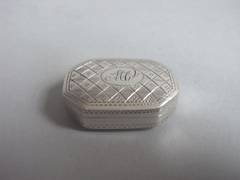
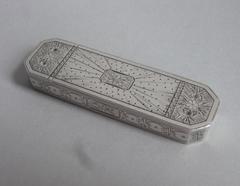
A George III Vinaigrette made in Birmingham in 1801 by Samuel Pemberton.
Located in London, GB
The Vinaigrette is broad rectangular in form with cut corners. The sides and base are engraved with prick dot borders and the cover with chequered designs around a central oval carto...
Category

Early 19th Century English Antique Furniture In Birmingham
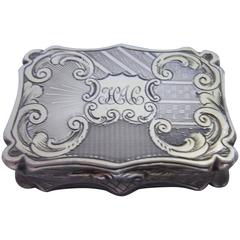
Rare Parcel Gilt Vinaigrette Made in Birmingham in 1845 by Nathaniel Mills
Located in London, GB
The Vinaigrette is broad rectangular in form with serpentine shaped sides. Both the cover and base are unusually engraved with different designs of engine turning separated by plumin...
Category

Mid-19th Century English Antique Furniture In Birmingham

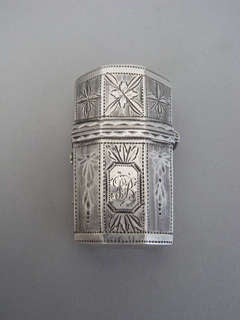
A very fine George III Scent Etui made in Birmingham in 1791
Located in London, GB
The exterior of the Etui is beautifully decorated with bright cut designs including flower heads, crosses and baskets of fruit. The interior displays its original glass scent bottle,...
Category

18th Century and Earlier English Antique Furniture In Birmingham
A George III Vinaigrette made in Birmingham in 1816 by John Shaw.
Located in London, GB
The Vinaigrette is modelled as a satchel with a buckle clasp on the front and is finely engraved with wriggle work to simulate the satchel. This piece also displays a vacant rectangu...
Category

Early 19th Century English Antique Furniture In Birmingham
A rare George III Double Snuff Box made in Birmingham in 1807
Located in London, GB
The Pocket Snuff Box has a curved broad rectangular form and is engraved all over with unusual sylised oak leaves on a scratch engraved ground. The cover and base are also decorated ...
Category

19th Century English Antique Furniture In Birmingham
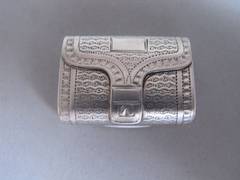
A silver gilt Vinaigrette made in Birmingham in 1838 by Nathaniel Mills
Located in London, GB
The Vinaigrette is silver gilt and broad rectangular in form. The base is decorated with engine turned engraving surrounding a rectangular disc cartouche engraved with contemporary s...
Category

19th Century English Antique Furniture In Birmingham
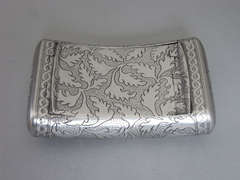
George III Jockey Cap Caddy Spoon Made in Birmingham in 1798
Located in London, GB
The caddy spoon is modelled as a Jockey cap and is decorated with reeded bands. The top of the domed section is engraved with a contemporary script initials.
Category

18th Century and Earlier English Antique Furniture In Birmingham
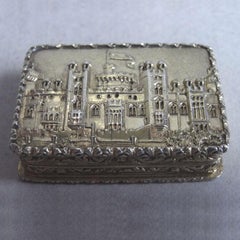
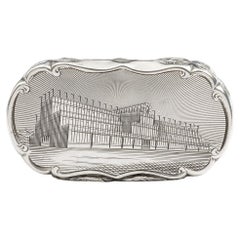
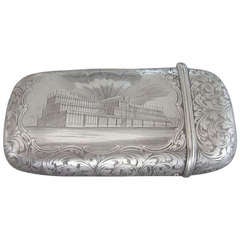
A Rare Cheroot Case Made in Birmingham in 1850 by Nathaniel Mills
By Nathaniel Mills
Located in London, GB
The Cheroot Case is very finely engraved with a view of The Crystal Palace with sunburst above, all surrounded by pluming foliate scrolls. The reverse is also engraved with a contemp...
Category

19th Century English Antique Furniture In Birmingham
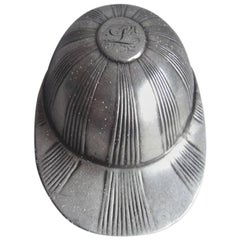
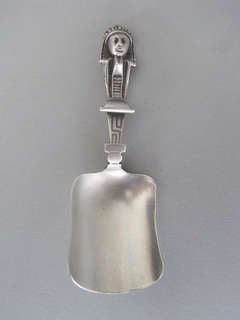
A very rare Sphinx Caddy Spoon made in Birmingham in 1881
Located in London, GB
This rare spoon has a curved shovel shaped bowl and the detailed handle is finely modelled with the head of a Sphinx, decorated with Greek key designs. An identical example is illust...
Category

19th Century English Antique Furniture In Birmingham
A George III Nutmeg Grater made in Birmingham in 1801 by Thomas Willmore
Located in London, GB
outer bright cut border. Birmingham.
Category

19th Century English Antique Furniture In Birmingham
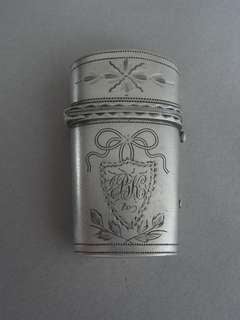
A George III Scent Etui made in Birmingham in 1800 by Samuel Pemberton
Located in London, GB
. Birmingham.
Category

19th Century English Antique Furniture In Birmingham
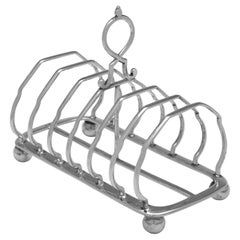
Victorian gothic revival sterling silver toast rack made in Birmingham in 1869
By Joseph Gloster
Located in London, London
Hallmarked in Birmingham in 1869 by Joseph Gloster Ltd., this handsome, Victorian, Antique Sterling
Category

1860s English Gothic Revival Antique Furniture In Birmingham

Materials

Sterling Silver

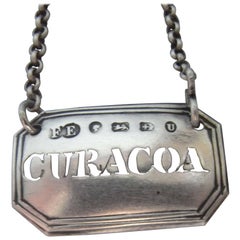
Rare Miniature Label Made in Birmingham in 1869 by Frederick Elkington
Located in London, GB
The label is unusually modelled in the sauce label size and is broad rectangular in form, with cut corners and a double thread edge. This piece is pierced with the scarce title of Cu...
Category

1860s English Antique Furniture In Birmingham
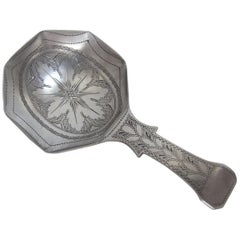
Octagonal Caddy Spoon Made in Birmingham in 1818 by John Lawrence
Located in London, GB
The caddy spoon has a very unusual octagonal shaped bowl, which is engraved with a raying flower head motif in an oval prick dot frame. The fiddle pattern handle is engraved with unu...
Category

1810s English Antique Furniture In Birmingham
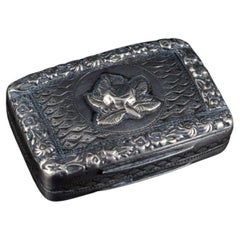
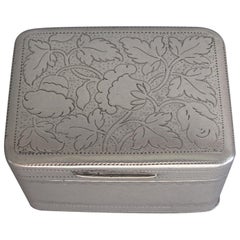
Antique miniature pill box in silver, gilded inside. Birmingham 1817-1818.
Located in København, Copenhagen
Antique miniature pill box in silver, gilded inside. Decorated with a rose on the lid. Birmingham
Category

1810s British Antique Furniture In Birmingham

Materials

Silver

Crystal Palace, A Vinaigrette Made in Birmingham in 1850 by Daniel Pettifer
By David Pettifer 1
Located in London, GB
Daniel Pettifer in Birmingham in 1850. This piece is broad rectangular in form with serpentine shaped
Category

1850s English Victorian Antique Furniture In Birmingham

Materials

Sterling Silver

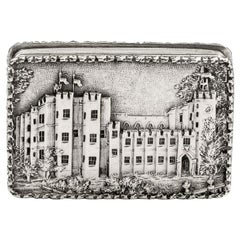
Rare Castle Top Vinaigrette Made in Birmingham in 1837 by Nathaniel Mills
By Nathaniel Mills
Located in London, GB
Kenilworth Castle. An extremely rare Castle Top Vinaigrette made in Birmingham in 1837 by Nathaniel
Category

1840s English Victorian Antique Furniture In Birmingham

Materials

Sterling Silver

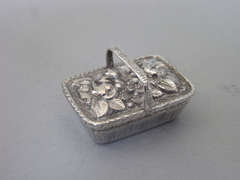
An extremely rare Basket of Flowers Vinaigrette made in Birmingham
Located in London, GB
An extremely rare Basket of Flowers Vinaigrette made in Birmingham in 1820 by John Shaw. This
Category

19th Century English Antique Furniture In Birmingham
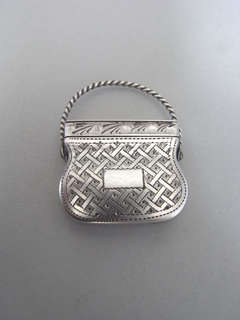
A William IV Vinaigrette modelled as a Handbag. Made in Birmingham
Located in London, GB
A William IV Vinaigrette modelled as a Handbag. Made in Birmingham in 1833 by Gervase Wheeler
Category

19th Century English Antique Furniture In Birmingham
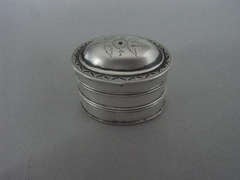
Fine George III Patch Box Made in Birmingham in 1795 by Samuel Pemberton
Located in London, GB
The patch box is circular in form with a pull off cover. The cover is beautifully decorated with unusual trellis work designs containing tri-furcated sprigs. The base displays an out...
Category

1790s English Antique Furniture In Birmingham
A fine Castle Top Vinaigrette made in Birmingham in 1839 by Gervase Wheeler.
Located in London, GB
The Vinaigrette is broad rectangular in form and the base and sides are decorated with engine turned designs. The base also displays a vacant shield shaped cartouche. The cover displ...
Category

19th Century English Antique Furniture In Birmingham
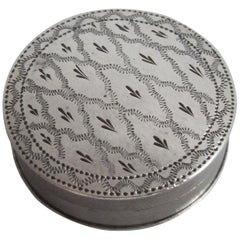
A very rare unusual George III Snuff Box made in Birmingham in 1820
Located in London, GB
The Snuff Box is broad rectangular in form with rounded ends. The cover and base are decorated with most unusual Gothic engine turning. The edge also displays a chased base of flower...
Category

19th Century English Antique Furniture In Birmingham
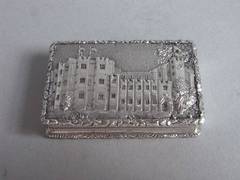
A George III Wine Label made in Birmingham in 1820 by Joseph Willmore.
Located in London, GB
The label is broad rectangular in form, with rounded corners, and has a very unusual trellis work border. The label is engraved for BURGUNDY, with niello filled lettering. Length: 1...
Category

19th Century English Antique Furniture In Birmingham
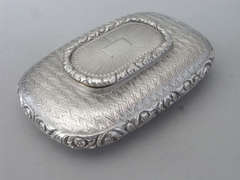
A George III Nutmeg Grater made in Birmingham in 1798 by Thomas Willmore
Located in London, GB
The Nutmeg Grater is broad rectangular in form, with cut corners, and a top and bottom opening. The cover is engraved with a vacant navette shaped cartouche flanked by crossed branch...
Category

18th Century and Earlier English Antique Furniture In Birmingham
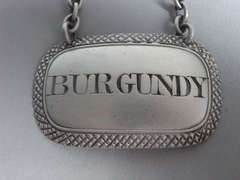
A very rare Bosun s Whistle made in Birmingham in 1856 by Hilliard Thomason.
Located in London, GB
The "Bote Swayne" is referred to as blowing his whistle as early as the beginning of the 16th century. Certainly these were worn by the Lords High Admiral of England. Most which surv...
Category

Mid-19th Century English Antique Furniture In Birmingham
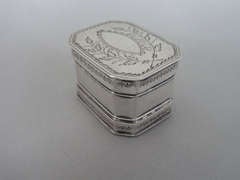
A fine George III Vinaigrette made in Birmingham in 1802 by Matthew Linwood.
Located in London, GB
The Vinaigrette is broad rectangular in form, with rounded ends, and is engraved on the cover and base with diamond pattern, each containing a stylised flower head. The sides are eng...
Category

19th Century English Antique Furniture In Birmingham
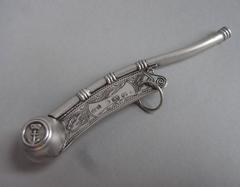
An unusual George III Octagonal Vinaigrette made in Birmingham in 1802 by Joseph
Located in London, GB
The Vinaigrette has an unusual octagonal form and the cover is engraved with chequered designs. The sides are decorated with arrow head motifs and prick dot bands. The base displays ...
Category

Early 19th Century English Antique Furniture In Birmingham
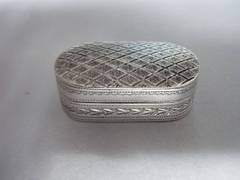
A fine George III Vinaigrette made in Birmingham in 1802 by William Pugh.
Located in London, GB
The Vinaigrette is broad rectangular in form with cut corners. The cover is engraved with an outer bright cut border and central cartouche containing a contemporary script initial. B...
Category

19th Century English Antique Furniture In Birmingham

Very Fine George III "Purse" Vinaigrette Made in Birmingham in 1817 by Matthew
Located in London, GB
The vinaigrette is broad rectangular and is engraved on the cover to simulate a wallet, with bright cut vine leaf designs on the flap and scale work engraving on the cover and base. ...
Category

1810s English Antique Furniture In Birmingham
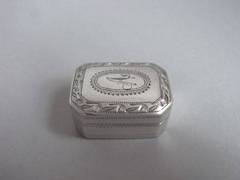
An unusual George III Vinaigrette made in Birmingham in 1819 by Joseph Willmore.
Located in London, GB
The Vinaigrette is finely modelled as a handbag and is engraved on the front and reverse with diamond designs surrounded by a raised cast band of floral and foliate motifs. The sides...
Category

Early 19th Century English Antique Furniture In Birmingham
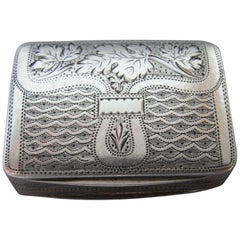
A rare George III Vinaigrette made in Birmingham in 1813 by Matthew Linwood.
Located in London, GB
The Vinaigrette is unusually modelled and engraved with bright cut and prick dot designs to simulate a raying shell. The interior is finely gilded and the grille is pierced and engra...
Category

19th Century English Antique Furniture In Birmingham
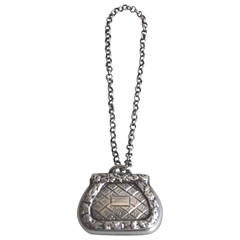
A George III Vinaigrette made in Birmingham in 1800 by Thomas Willmore
Located in London, GB
The Vinaigrette is oval in form with plain sides and base. The cover is inset with a beautifully shaded domed agate, most probably of Scottish origin. The interior is finely gilded a...
Category

19th Century English Antique Furniture In Birmingham
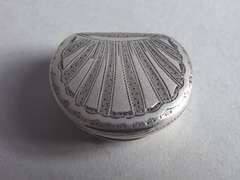
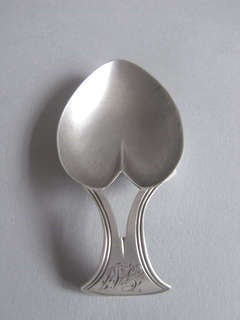
A rare George III Heart Caddy Spoon made in Birmingham in 1808
By Joseph Willmore
Located in London, GB
The Caddy Spoon is unusually shaped as a heart and displays a bi-fucated handle, with triple thread edge, which is engraved at the top with a set of contemporary script initials. L...
Category

19th Century English Antique Furniture In Birmingham
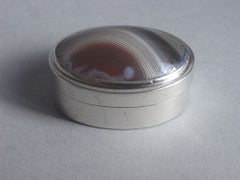
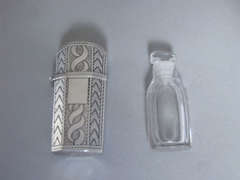
A fine George III Scent Etui and bottle made in Birmingham in 1806
Located in London, GB
A fine George III Scent Etui and bottle made in Birmingham in 1806 by Joseph Taylor. The Etui
Category

19th Century English Antique Furniture In Birmingham
Very Fine George III Vinaigrette Made in Birmingham by Matthew Linwood
Located in London, GB
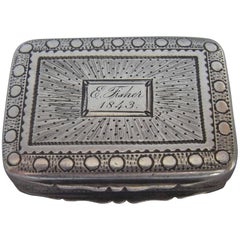
The Vinaigrette is broad rectangular in form and both the cover, base and sides are decorated with a band of roundels on a prick dot ground. Both the base and cover display a sunburs...
Category

Early 19th Century English Antique Furniture In Birmingham
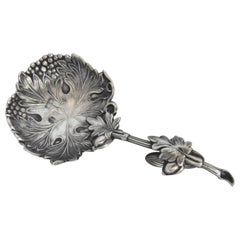
Very Rare Caddy Spoon Made in Birmingham in 1851 by George Unite
Located in London, GB
The deep bowl of the caddy spoon is unusually modelled as overlapping vine leaves and grapes. The twisted tendril handle is also decorated with buds and miniature vine leaves. This i...
Category

1850s English Antique Furniture In Birmingham
Very Rare "Thistle" Vinaigrette Made in Birmingham in 1846 by Taylor Perry
Located in London, GB
The bowl of the caddy spoon has a raying, fluted, upper section designed to simulate a thistle head. The bowl area below is engraved with a panel of stylized flower heads on a scratc...
Category

1840s English Antique Furniture In Birmingham
Strawberry Leaf Caddy Spoon Made in Birmingham in 1809 by Joseph Taylor
Located in London, GB
The caddy spoon is beautifully modelled as a strawberry leaf with serrated edge and raised vein work on a matted ground. The bi-furcated handle is decorated with blue bell drops and ...
Category

Early 1800s English Antique Furniture In Birmingham
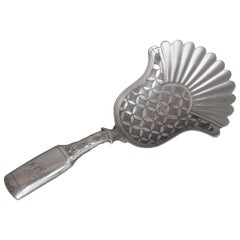
A "Horseshoe" Caddy Spoon made in Birmingham in 1821 by John Bettridge.
Located in London, GB
The bowl of the Caddy Spoon is modelled as a Horses Hoof, with a shaped pierced gallery. The bowl is engraved with foliate designs and the fiddle pattern handle is decorated with pri...
Category

Early 19th Century English Antique Furniture In Birmingham
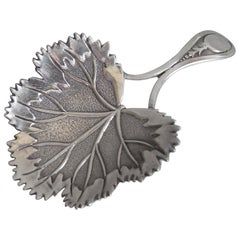
A fine Apple Corer made in Birmingham in 1879 by George Unite.
Located in London, GB
The Apple Corer is of typical form and the tubular handle is engraved with foliate motifs, as well as a shield shaped cartouche engraved with contemporary initials and the date 1881....
Category

Late 19th Century English Antique Furniture In Birmingham
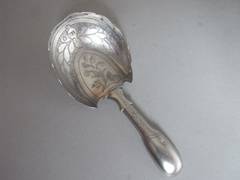
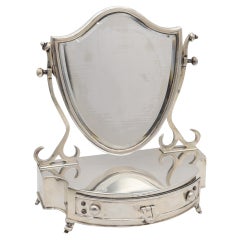
LEVI SALAMAN 1902 Birmingham Desk Chest With Mirror In .925 Sterling Silver
By Levi Salaman
Located in Miami, FL
miniature chest created in Birmingham England by the silversmiths of Lévi & Salaman, back in 1902. The
Category

Early 20th Century English Edwardian Antique Furniture In Birmingham

Materials

Silver, Sterling Silver

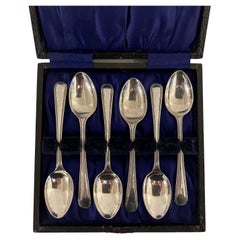
Six Sterling Silver Teaspoons in Presentation Box, J Lyddiatt, Birmingham, 1926
Located in CA, CA
This set of six solid sterling silver teaspoons from 1926, by Joseph Lyddiatt of Birmingham, are
Category

1920s British Art Deco Antique Furniture In Birmingham

Materials

Sterling Silver

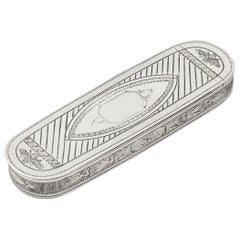
An exceptional George III Toothpick Case made in Birmingham in 1793 by Samuel Pe
Located in London, GB
The Toothpick Case is narrow rectangular in form, with cut corners. The cover, base and sides are engraved with very crisp bright cut designs, including flower heads, diamond motifs ...
Category

Late 18th Century English Antique Furniture In Birmingham

A rare George III Toothpowder Box made in Birmingham in 1802 by Joseph Taylor
Located in London, GB
The box is of narrow rectangular form with a central hinged section and two hinged compartments for different types of tooth powder. The top is engraved with a bright cut border, is ...
Category

Early 19th Century English Antique Furniture In Birmingham
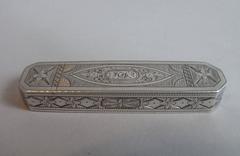
A very fine George III Vinaigrette made in Birmingham in 1814 by Joseph Willmore
Located in London, GB
The Vinaigrette is broad rectangular in form with a slightly curved base and cover. The base is engraved with a floral spray surrounded by a prick dot frame. The cover is unusually e...
Category

19th Century English Antique Furniture In Birmingham
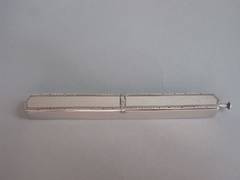
A George III Shell Snuff Box made in Birmingham in 1803 by Joseph Taylor
Located in London, GB
The Snuff Box is of an unusual size and also is modelled as a rare raying shell. The interior is finely gilded.
Category

19th Century English Antique Furniture In Birmingham
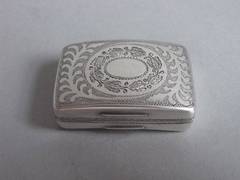
A good William IV Purse Vinaigrette made in Birmingham in 1834 by Thomas Shaw.
Located in London, GB
The Cover is realistically modelled to simulate the design of a purse and is unusually engraved all over the cover with four leaf clovers. The base is engraved with a floral spray an...
Category

Mid-19th Century English Antique Furniture In Birmingham
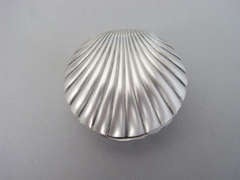
A George III Lady s Snuff Box made in Birmingham in 1809 by Joseph Willmore.
Located in London, GB
The Snuff Box is of an unusually small size and was most probably made for a Lady. The sides and base are engraved with various prick dot borders and the cover with pretty foliate ba...
Category

Early 19th Century English Antique Furniture In Birmingham
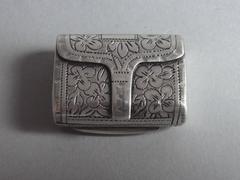
Rare George III Snuff Box Made in Birmingham in 1811 by Thropp Taylor
Located in London, GB
This very rare piece is modelled in the form of a skiff, with prick dot engraved work to the base to simulate a clinker-built hull. The beautiful, hinged, cover displays exceptional ...
Category

1810s English Antique Furniture In Birmingham
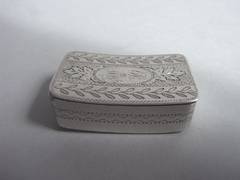
George III Pocket Nutmeg Grater made in Birmingham in 1810 by Samuel Pemberton
Located in London, GB
The Nutmeg Grater is of a large size and is broad rectangular in form. The hinged cover is engraved with sycamore leaves and flower heads and the sides with horizontal prick dot band...
Category

1810s European George III Antique Furniture In Birmingham

Materials

Sterling Silver

Very Fine Pocket Snuff Box Made in Birmingham in 1840 by Nathaniel Mills
Located in London, GB
The snuff box is broad rectangular in form with serpentine shaped sides. The exterior is engraved all over with pluming scrolls, foliate designs and a central flower head on the base...
Category

1840s English Antique Furniture In Birmingham
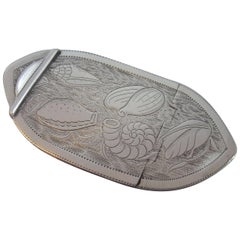
A George III Caddy Spoon made in Birmingham in 1810 by William Pugh
Located in London, GB
This Caddy Spoon has a shovel shaped bowl which is engraved with foliate sprays. The slender long handle is made of Mother of Pearl. Length: 4.5 inches
Category

19th Century English Antique Furniture In Birmingham
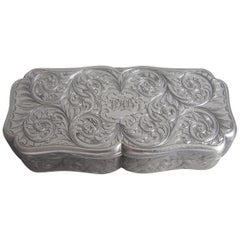
George III Toothpick Case Made in Birmingham by Samuel Pemberton, 1796
By Samuel Pemberton
Located in London, GB
A very fine George III Toothpick Case made in Birmingham in 1796 by Samuel Pemberton The Toothpick
Category

18th Century English George III Antique Furniture In Birmingham

Materials

Silver

A fine George III Toothpick Case made in Birmingham by Samuel Pemberton.
Located in London, GB
The Toothpick Case is narrow rectangular in form, with cut corners. The cover, base and sides are engraved with very crisp bright cut designs, including flower heads, ovals and sunbu...
Category

Late 18th Century English Antique Furniture In Birmingham
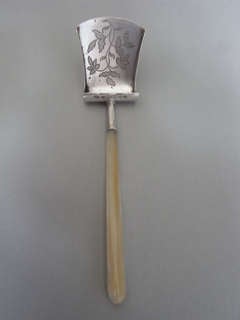
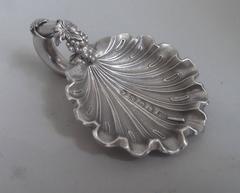
A very rare Caddy Spoon made in Birmingham in 1860 by George Unite
Located in London, GB
The bowl of the Caddy Spoon is beautifully and unusually modelled as a textured Rococo shell. The tubular handle is decorated with trailing vines and grapes. This piece is in excelle...
Category

Mid-19th Century English Antique Furniture In Birmingham
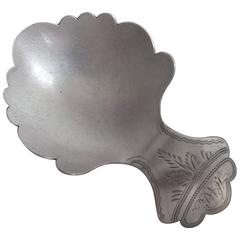
Rare William IV Caddy Spoon Made in Birmingham in 1836 by Taylor Perry
Located in London, GB
This very unusual caddy spoon is of a design which we have not previously seen. The bowl has upturned sides which are beautifully scalloped in different sizes. The domed handle, also...
Category

1830s English Antique Furniture In Birmingham
Rare George III Caddy Spoon Made in Birmingham in 1805 by Joseph Willmore
Located in London, GB
The caddy spoon displays a deep oval bowl which is pierced, and also engraved, with unusual exotic floral and foliate sprays. The handle is decorated with a feather edge border and d...
Category

Early 1800s English Antique Furniture In Birmingham
  • 1
Get Updated with New Arrivals
Save "Antique Furniture In Birmingham", and we’ll notify you when there are new listings in this category.

Antique Furniture In Birmingham For Sale on 1stDibs

Choose from an assortment of styles, material and more with respect to the antique furniture in birmingham you’re looking for at 1stDibs. Each antique furniture in birmingham for sale was constructed with extraordinary care, often using metal, silver and sterling silver. Your living room may not be complete without an antique furniture in birmingham — find older editions for sale from the 18th Century and newer versions made as recently as the 20th Century. Each antique furniture in birmingham bearing Victorian or Georgian hallmarks is very popular. A well-made antique furniture in birmingham has long been a part of the offerings for many furniture designers and manufacturers, but those produced by Cronin Wheeler, David Pettifer and George Unite are consistently popular.

How Much is a Antique Furniture In Birmingham?

The average selling price for an antique furniture in birmingham at 1stDibs is $1,239, while they’re typically $177 on the low end and $16,333 for the highest priced.
Questions About Antique Furniture In Birmingham
  • 1stDibs ExpertMay 30, 2024
    To identify your antique furniture, look for an engraving, tag, label or other marking that indicates who produced it. You may find it on the bottom or back of your furniture or inside a drawer or cabinet. Once you have located the marking, you can snap a photo of it and use a reverse image search to try and identify the maker. Or, you can type a description of the mark into a search engine. Alternatively, you can use the services of a certified appraiser or antiques dealer to get assistance with identification. On 1stDibs, shop a large selection of antique furniture.
  • 1stDibs ExpertAugust 15, 2019

    A piece of furniture is considered an antique if it is at least 100 years old.

  • 1stDibs ExpertApril 22, 2024
    Yes, antique furniture is in style. Many people appreciate the beauty and handcrafted character of antique furniture and love the idea of owning pieces with a rich history. Remember that style preferences are nothing if not fluid, meaning what's in one year may not be the next. So, in choosing the furniture you're planning to live with, you should pay less attention to interior design fads than to what speaks to you. That way, you can select pieces that will add long-term character to your home. On 1stDibs, find a large collection of antique furniture.
  • 1stDibs ExpertApril 5, 2024
    To know if your furniture is antique, look for labels and markings that indicate the maker. From there, you can use trusted online resources to determine when they were active and examine images to try to estimate the age of your piece. Furniture produced 100 years ago or more is antique. You can also have your furniture assessed by an appraiser or antiques dealer to learn about its age. On 1stDibs, explore a large collection of antique furniture.
  • 1stDibs ExpertMay 14, 2024
    Many antique furniture brands are popular. While trends in collecting do vary over time, some makers consistently remain highly sought after. Among them are J. J.W. Meeks, John Henry Belter, R. J. Horner and Co., Stickley Furniture, George Hepplewhite, Josef Dannhauser, Thomas Chippendale and Thomas Sheridan. On 1stDibs, shop a variety of antique furniture.
  • 1stDibs ExpertFebruary 22, 2021
    There are a number of factors that can indicate if your antique furniture is valuable. When determining the value of antique furniture, consider its rarity. Additionally, it is important to determine the quality and condition of vintage furniture. If unsure of the value of your vintage furniture, have it appraised.
  • 1stDibs ExpertFebruary 22, 2021
    Antique furniture can be worth quite a lot, particularly if it is in good quality. The rarer the piece, the higher the value.
  • 1stDibs ExpertFebruary 13, 2024
    Whether antique furniture is making a comeback is a matter of opinion. Many people would argue that antique furniture never faded from fashion, as there have always been individuals who love the idea of owning pieces that have history. Some of the most popular styles for antique furniture include Art Deco, Arts and Crafts, Renaissance Revival, Elizabethan, Gothic Revival, Victorian and Chippendale. Find a large collection of antique furniture from some of the world's top dealers on 1stDibs.
  • 1stDibs ExpertFebruary 1, 2024
    To date antique furniture from the UK, first look for identifying markings on the piece. You can then use trusted online resources to determine when the maker was active. From there, you may be able to estimate the year of production by looking at images of other furniture the maker produced. An expert appraiser or antiques dealer can also aid you in the dating process. Find a large selection of antique furniture on 1stDibs.
  • 1stDibs ExpertNovember 13, 2024
    How old furniture that is called antique can be is typically at least 100 years. People usually call furniture between 20 and 99 years old vintage. Contemporary is the word for furniture manufactured within the last 20 years. On 1stDibs, shop a large selection of antique, vintage and contemporary furniture from some of the world's top sellers.
  • 1stDibs ExpertOctober 5, 2021
    The best finish for antique furniture is a matter of liking. But film finish is recommended by experts as it leaves a thick coat of film on the wood surface which protects wood from water and scratches. Shellac or varnish and water base are commonly used film finishes. Find an exquisite collection of antique, new and vintage furniture on 1stDibs

  • PAGODA RED
    PAGODA REDOctober 7, 2020

    To determine the age of a Chinese furniture piece, look carefully at the joinery and finish. Natural expansion and contraction of the wood over time will cause a joint to protrude or retract, distorting a once-seamless fit. Antique lacquer finishes become crackled and worn over time. Areas of exposed wood, such as the underside of a table, the footrest of a chair, or the back of a cabinet should appear raw and dry compared to the finished surface. With use, the legs of tables and chairs become weathered near the bottom from precipitation and use.

  • 1stDibs ExpertAugust 29, 2024
    To tell how old your antique furniture is, research the maker using trusted online resources. You may find that the furniture maker was active for only a short period, giving you the ability to roughly estimate its age. For manufacturers and designers with a long history of production, consider the style of your furniture and look for images of similar pieces published online. Because it may be difficult to date furniture on your own, consider consulting a certified appraiser or knowledgeable antique dealer. On 1stDibs, explore a variety of antique furniture.
  • 1stDibs ExpertAugust 20, 2024
    To tell what your antique furniture is worth, look at sales histories on trusted online platforms and read valuation guides posted on trusted online resources. The maker, type, style, age and condition of your furniture will impact its value. Researching furniture produced by the same maker is a good starting point. A certified appraiser or knowledgeable antique dealer can also aid you in the valuation process. Find a large collection of antique furniture on 1stDibs.
  • 1stDibs ExpertNovember 4, 2024
    To identify antique Chinese furniture, look carefully at its details. Chinese craftsmen often built furniture using mortise and tenon joinery, eliminating the need for nails and screws. If you see this type of hardware, your piece is likely not at least 100 years old, especially if the hardware still looks new and shiny. Since antique furniture was handmade, you will normally see slight imperfections, such as tool marks or slight variations in carvings. Pieces that appear completely uniform and pristine are less often genuine antiques.

    When present, maker's marks can also be helpful. Research the marks to learn more about when the maker was active and producing pieces like yours. Alternatively, you can have a certified appraiser or experienced antique dealer evaluate your furniture for you.

    Shop an assortment of antique Chinese furniture.
  • 1stDibs ExpertOctober 24, 2024
    To tell antique furniture from reproduction, first check for a maker's mark. By researching the maker associated with the marking using trusted online resources, you can determine when they were active. If the company was in business 100 years ago or more, your piece may be an antique, but if the company's history began more recently, your piece is likely a reproduction. If you can't locate a marking, study the details of the furniture up close. Genuine antiques will often show tool marks and slight variations in carved details because they were typically handcrafted. Most contemporary furniture is machine-made, so you won't usually see these types of characteristics. When in doubt, have a certified appraiser or knowledgeable antique dealer evaluate your furniture. On 1stDibs, find a wide variety of antique furniture.
  • 1stDibs ExpertOctober 24, 2024
    To tell who made your antique furniture, seek out a maker's marking. Locations of these marks vary, but they are generally in an inconspicuous location. For example, a dresser may have the mark inside a drawer or on the back, while a hallmark on a table is often on a leg or under the tabletop. Once you locate a mark, you can use trusted online resources to identify the maker and learn more about them. If you can't find a marking on your piece, a certified appraiser or knowledgeable antique dealer can assist you with the identification process. Explore a large selection of antique furniture on 1stDibs.
  • 1stDibs ExpertMay 14, 2024
    To be considered antique, furniture must usually be at least 100 years old. Contemporary is the name for furniture produced within the last 20 years. Vintage furniture is at least 20 years old. On 1stDibs, shop a diverse assortment of antique, vintage and contemporary furniture from some of the world's top sellers.
  • 1stDibs ExpertAugust 26, 2024
    To tell the difference between antique and reproduction furniture, first look at hidden areas, such as the backs or insides of the drawers. On reproduction furniture, you may find plywood or engineered wood in these areas, while antique furniture will usually have solid hardwood on drawer interiors and backs. Also, slight irregularities and marks indicating that the furniture was built with hand tools rather than machines usually suggest that the piece is antique. Because it can be difficult to differentiate reproductions from genuine antiques without expertise and training, you may wish to consult a certified appraiser or knowledgeable antique dealer about the age of your piece. Find a diverse assortment of antique furniture on 1stDibs.
  • 1stDibs ExpertJanuary 25, 2019

    The difference between vintage and antique furniture is that vintage furniture is at least 20 years old, while antiques must be at least 100 years old to be considered antique.