Antique German Pottery
1890s English Antique German Pottery
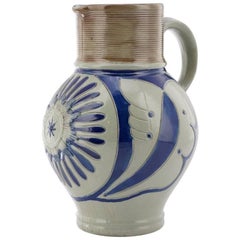
1710s German Baroque Antique German Pottery
Stoneware
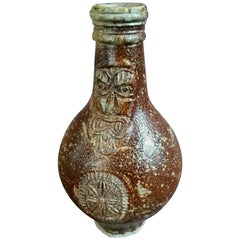
Early 20th Century German Antique German Pottery
Pottery
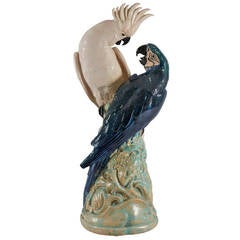
1870s German Antique German Pottery
Ceramic
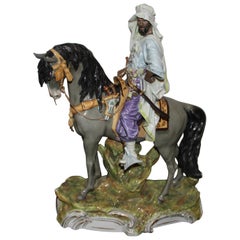
Early 20th Century German Jugendstil Antique German Pottery
Earthenware
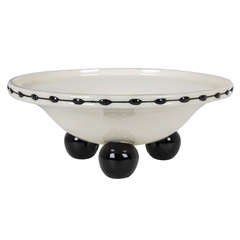
19th Century German Other Antique German Pottery
Pottery
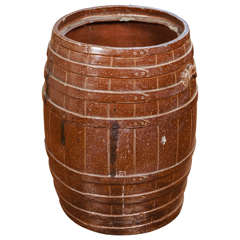
Late 19th Century German High Victorian Antique German Pottery
Pottery
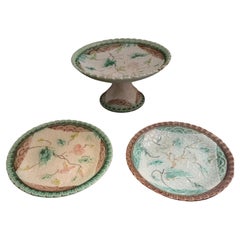
Early 20th Century French Antique German Pottery
Porcelain
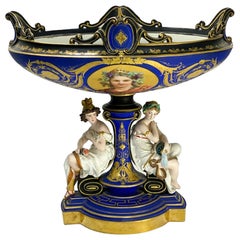
Late 19th Century German Antique German Pottery
Pottery
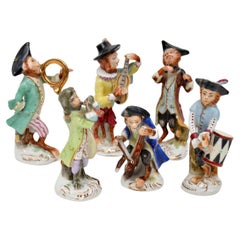
Early 20th Century German Antique German Pottery
Terracotta
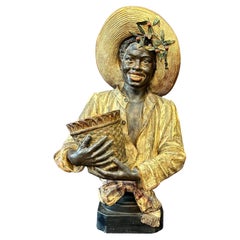
Early 20th Century German Art Nouveau Antique German Pottery
Pottery
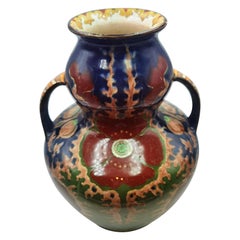
Early 20th Century Antique German Pottery
Pottery

1650s Mid-Century Modern Antique German Pottery
Ceramic
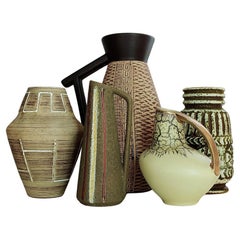
Early 20th Century German Antique German Pottery
Pottery

19th Century German Revival Antique German Pottery
Silver
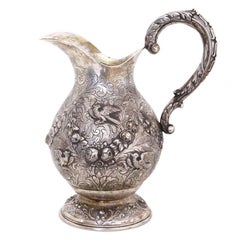
1910s German Arts and Crafts Antique German Pottery
Ceramic
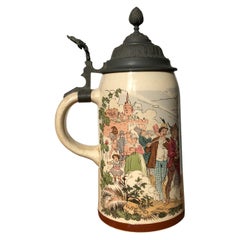
1870s German Gothic Antique German Pottery
Pewter
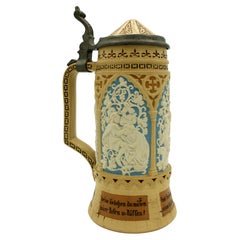
19th Century German Aesthetic Movement Antique German Pottery
Earthenware
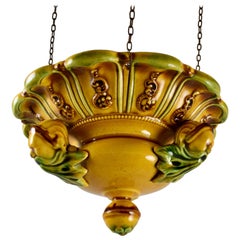
19th Century German Antique German Pottery
Ceramic
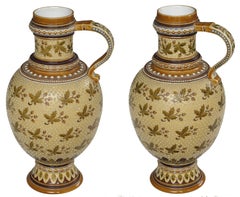
Early 20th Century German Country Antique German Pottery
Pottery
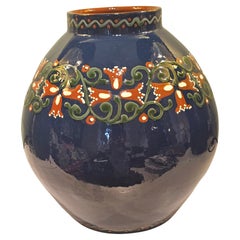
Early 19th Century German Art Deco Antique German Pottery
Pottery
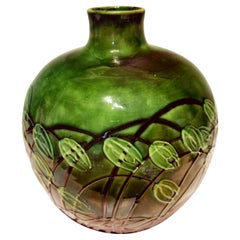
Late 19th Century German Majolica Pottery Antique German Pottery
Pottery
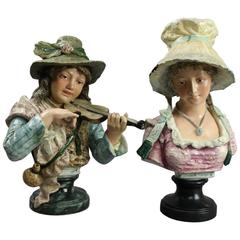
Early 20th Century German Antique German Pottery
Pottery, Stoneware
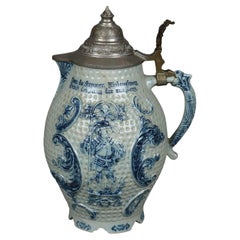
Early 20th Century German Arts and Crafts Antique German Pottery
Pottery, Paint
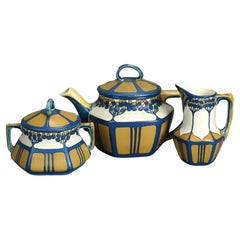
1880s German Art Nouveau Antique German Pottery
Pottery
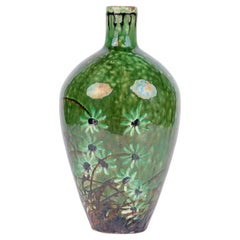
Early 20th Century German Antique German Pottery
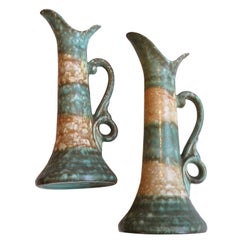
1920s German Art Deco Antique German Pottery
Pottery
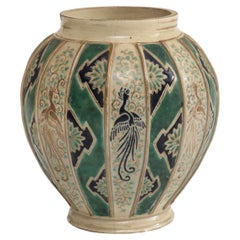
Early 19th Century German Art Deco Antique German Pottery
Pottery
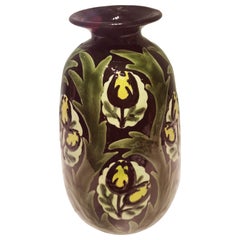
Early 20th Century German Art Nouveau Antique German Pottery
Pottery
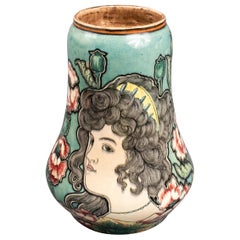
Early 20th Century German Art Deco Antique German Pottery
Pottery
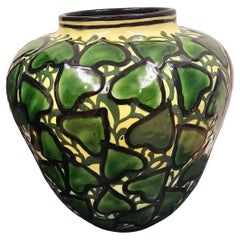
19th Century German Victorian Antique German Pottery
Pottery
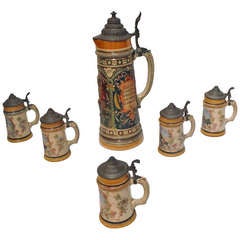
1910s German Jugendstil Antique German Pottery
Pottery
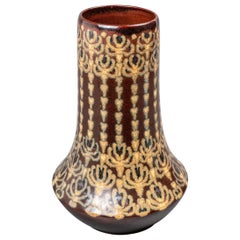
Mid-18th Century German Georgian Antique German Pottery
Pottery
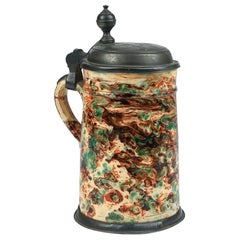
Early 20th Century German Art Nouveau Antique German Pottery
Pottery
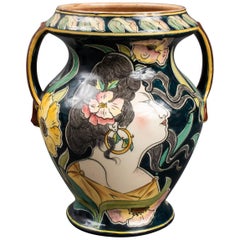
Early 20th Century German Antique German Pottery
Pottery, Stoneware
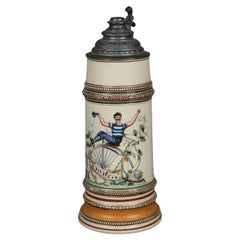
Early 20th Century German Antique German Pottery
Pottery, Stoneware
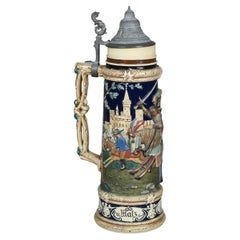
Early 20th Century German Antique German Pottery
Pottery, Stoneware
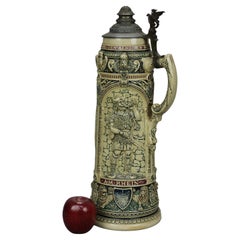
Early 20th Century German Antique German Pottery
Pottery, Stoneware
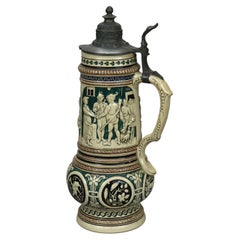
17th Century German Victorian Antique German Pottery
Porcelain, Pottery
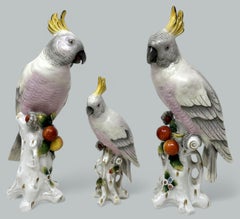
Early 20th Century German Antique German Pottery
Pottery
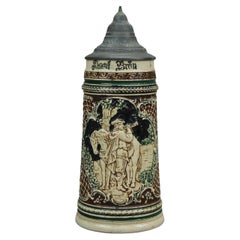
19th Century German Late Victorian Antique German Pottery
Ceramic, Porcelain, Pottery
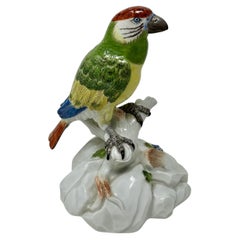
19th Century German Aesthetic Movement Antique German Pottery
Earthenware
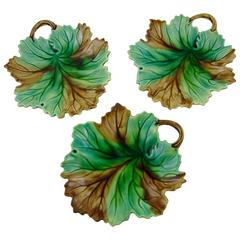
Early 20th Century Black Forest Antique German Pottery
Stoneware
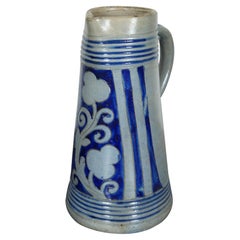
Late 19th Century German Antique German Pottery
Pottery
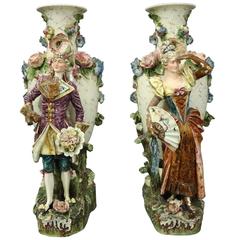
19th Century German Antique German Pottery
Pottery
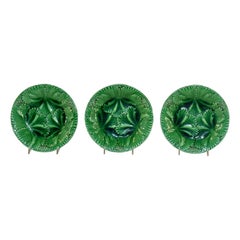
19th Century German Antique German Pottery
Porcelain, Pottery
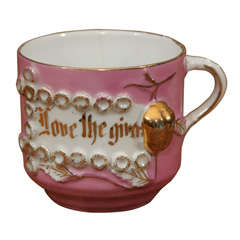
1920s German Art Nouveau Antique German Pottery
Pottery
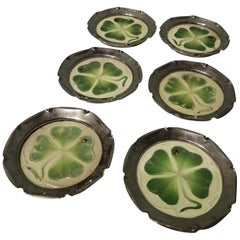
Late 19th Century German Victorian Antique German Pottery
Pottery
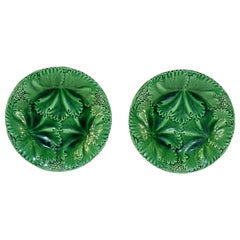

1920s German Art Nouveau Antique German Pottery
Pottery
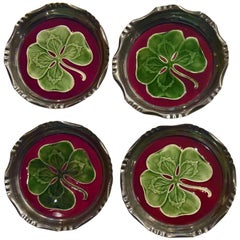
Early 18th Century German Rococo Antique German Pottery
Delft, Pottery
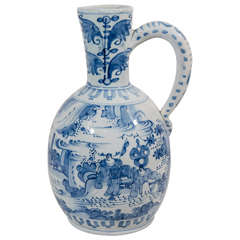
1890s German Rustic Antique German Pottery
Ceramic, Faience, Majolica, Pottery
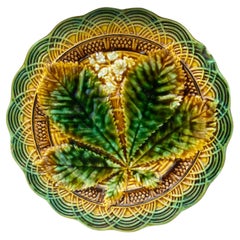
Late 17th Century German William and Mary Antique German Pottery
Pottery, Stoneware
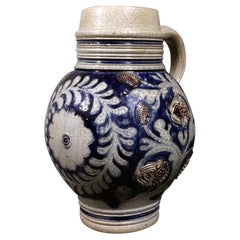
19th Century German Late Victorian Antique German Pottery
Ceramic, Porcelain, Pottery
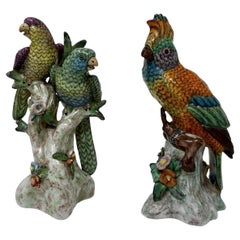
Early 20th Century German Art Deco Antique German Pottery
Ceramic, Pottery
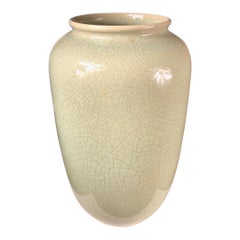
1920s German Art Deco Antique German Pottery
Ceramic, Majolica, Pottery
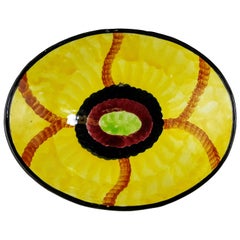
Late 19th Century German Antique German Pottery
Ceramic, Pottery
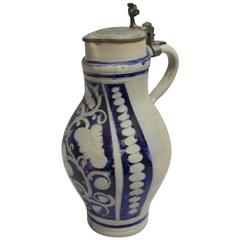
Early 20th Century German Antique German Pottery
Pottery
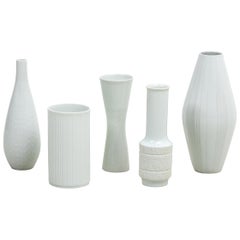
- 1
Antique German Pottery For Sale on 1stDibs
How Much is a Antique German Pottery?
- How can you tell German pottery?1 Answer1stDibs ExpertOctober 24, 2024To tell German pottery, look on the bottom or inside for a maker's marking. Using trusted online resources, you can then research the marking and identify both the maker and the country in which it operates or operated. Some well-known makers of German pottery include Villeroy Boch, Meissen, Dresdner Porzellan, Königliche Porzellan Manufaktur, Rosenthal, Fuerstenberg, Nymphenburg, Wallendorfer, Scheurich and ES Keramik. Explore a large collection of German pottery on 1stDibs.
- 1stDibs ExpertNovember 4, 2024To identify German pottery, look over the base or interior for the maker's markings. Many pieces will bear some type of stamp, sticker or other marking, which you can research using trusted online resources to learn who made them. From there, you can read about the maker to determine if the company or artisan is German. Some well-known German makers include Hutschenreuther, Meissen, Arzberg, Fürstenberg, Nymphenburg, Gmundner Keramik, Royal Porcelain Manufacture Berlin, Kahla and Königliche Porzellan-Manufaktur. If you can't find any maker's markings, consider having a certified appraiser or experienced antique dealer help you. Find a wide variety of German pottery on 1stDibs.
- What is German pottery called?1 Answer1stDibs ExpertAugust 20, 2024What German pottery is called depends on its style. Pieces with embossed surfaces and thick, chunky glaze produced in West Germany are nicknamed "Fat Lava." Hard-paste porcelain produced in Germany is sometimes referred to as Meissen or Dresden porcelain, depending on its manufacturer. Early 20th-century pieces that show off naturalistic motifs inspired by the Art Nouveau movement may be called Jugendstil pottery. Shop a large collection of German pottery on 1stDibs.
- 1stDibs ExpertSeptember 23, 2024To identify West German pottery, look on the bottom or interior for markings. Many pieces will have markings with the words "West Germany.” Others may instead or also have markings with the maker's name. By researching the maker's mark, you can determine whether the manufacturer was a West German company. Well-known West German pottery manufacturers include Scheurich, ES Keramik, Ceramano and Ruscha. Some pottery also has an item or piece number on it; this can be used to learn more about your piece's age, style or line name and other characteristics. If you can't find any markings on your piece, you may wish to have a certified appraiser or knowledgeable antique dealer help you with identifying it. On 1stDibs, shop a large collection of West German pottery.
- 1stDibs ExpertApril 16, 2024The markings on West German pottery vary. Nearly all pieces will include the words "West Germany," indicating the place of origin. Some also feature a piece or style number and/or a company logo or marking. You can compare the markings on your pottery to images posted on trusted online resources to identify pieces. On 1stDibs, explore a selection of West German pottery.
- 1stDibs ExpertFebruary 21, 2024A number of brands are West German pottery. Among them are Scheurich, Bay, Carstens, Otto, Ceramano and Dumler and Breiden. Basically, any pottery company that operated in western Germany between 1949 and 1990 can be categorized as West German. On 1stDibs, explore an assortment of pottery from some of the world's top sellers.
- 1stDibs ExpertOctober 30, 2024Yes, some West German pottery is worth something. Fat Lava-style pieces are particularly popular among some collectors, and there is often a demand for pottery produced by specific West German makers, such as Scheurich, ES Keramik, Ceramano and Ruscha. Generally, the age, style, type and condition will influence how much a particular piece may be worth. To get an estimated value for a particular item, consult a certified appraiser or experienced antique dealer. On 1stDibs, shop a selection of West German pottery.
- 1stDibs ExpertApril 5, 2024What the numbers mean on West German pottery varies. In some cases, the numbers represent the date of production. More often, the numbers represent the piece number — indicating what order it was produced in — or the style of the pottery. On 1stDibs, explore a range of West German pottery.
- 1stDibs ExpertApril 5, 2022To tell if pottery is antique, first look for any identifying marks. Usually, you will notice them on the bottom of the piece. If you locate one, you can use an authoritative resource to determine the maker. Then, you can research the pattern and shape to determine an approximate date. Pottery made over 100 years ago is generally considered an antique. Find a range of expertly vetted antique pottery on 1stDibs.
- 1stDibs ExpertAugust 8, 2024To tell if your Japanese pottery is antique, look for markings, which usually appear on the bottoms of pieces. If you see the word "Nippon," your piece was likely produced between 1891 and 1921, making it an antique. Pieces marked with the words "made in occupied Japan" originated between 1945 and 1952 and are vintage, based on their age. A "made in Japan" marking may indicate a vintage or contemporary piece. If you don't see any of these markings, consult trusted online resources to get a rough idea of when your pottery was produced. Any piece that dates back 100 years or more is antique. Should you encounter difficulty with the dating process, a certified appraiser or knowledgeable antique dealer can assist you. On 1stDibs, shop a variety of Japanese pottery.
- 1stDibs ExpertAugust 29, 2024To tell an antique Italian pottery apart from other pieces, do some research using trusted online resources. First, identify the maker by looking for marks on the bottom or interior. Once you know who produced your pottery, you can then explore the styles and types of pieces they produced over the years and use this information to estimate your piece's age. For pottery to be antique, it must be at least 100 years old. If you'd like assistance with the dating process, talk to a certified appraiser or knowledgeable antique dealer. Shop a collection of antique Italian pottery on 1stDibs.
Read More
37 Cheerful Home Bars, Where Everybody (Literally) Knows Your Name
Simple or sophisticated, equipped with console, cart or custom cabinetry, these stylish bar areas deserve a toast.
How a Craving for Color Revolutionized Glass
After synthetic dyes changed fashion, home goods and printed matter, it was only a matter of time till glass caught up.
1882 Ltd. Looks to the Future of Ceramics in the U.K. with an Eclectic Exhibition and Auction
Faye Toogood and John Pawson are among the list of plate designers.
20 Inviting Dining Rooms Perfectly Arranged for Entertaining
Top interior designers show — and tell — us how to create delectable spaces for hosting dinner parties.
Paul Revere Crafted This Silver Coffee Pot 250 Years Ago
Perhaps best known as a Revolutionary War hero, Revere was also an accomplished silversmith, and this pot is now available on 1stDibs.
From Arne Jacobsen to Zaha Hadid, Top Designers Tackle Tableware
Clever objects like these make feasting even more festive.
How the Chunky, Funky Ceramics of 5 Mid-Century American Artists Balanced Out Slick Modernism
Get to know the innovators behind the pottery countercultural revolution.
Ready for a Cinderella Moment? This Glass Handbag Is a Perfect Fit
Glass slippers might be the stuff of fairytales, but glass handbags? Artist Joshua Raiffe has made them a reality, and they're far less delicate than you might imagine, but just as dreamy.