Antique Japanese Art

to
1,819
7,747
4,217
8,019
4,895
4,895
3,481
1,527
924
839
551
501
463
440
425
355
213
171
156
140
135
127
105
94
85
74
59
49
34
27
27
25
19
12
12
10
10
9
9
6
6
4
4
3
3
2
2
1
1
81
80
70
65
63
Sort By
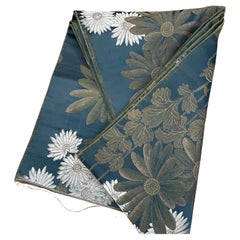
Japanese Vintage Kimono Silk Belt Flowers Navy and Silver 1920s
By Japanese Studio
Located in Paris, FR
This is a Fukuro Obi made in Japan around 1920s. Obi is a belt of varying size and shape worn
Category

1920s Japanese Taisho Antique Japanese Art

Materials

Silk

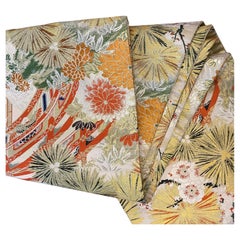
Japanese Vintage Kimono Silk Belt Gold flowers Maru-obi 1920s
By Japanese Studio
Located in Paris, FR
This is a Maru Obi made in Japan around 1920s. Obi is a belt of varying size and shape worn with
Category

1920s Japanese Taisho Antique Japanese Art

Materials

Silk

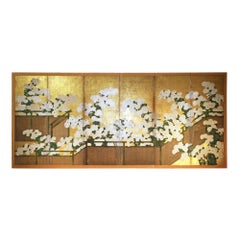
Japanese Screen mid Edo gold leaf
By Japanese Studio
Located in Brescia, IT
This 18th century six-panel screen is truly special. The author is unknown, but his singular genius in portraying dozens of chrysanthemum flowers created with the white of the "gofun...
Category

Mid-18th Century Japanese Edo Antique Japanese Art

Materials

Gold Leaf

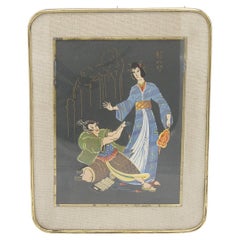
Antique Japanese Brass Framed Painting Wedding
Located in Milano, IT
Japanese art. It depicts a scene with a man and a woman, the man is kneeling with jewellery in his hand
Category

Early 1900s Japanese Anglo-Japanese Antique Japanese Art

Materials

Brass

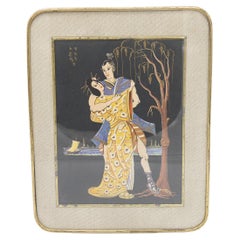
Antique Japanese Painting Framed on Jute Lovers Dance
Located in Milano, IT
Japanese art. This depicts a scene with a man and a woman dancing in a very sensual way, in fact we see
Category

Early 1900s Japanese Anglo-Japanese Antique Japanese Art

Materials

Brass

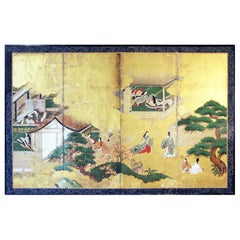
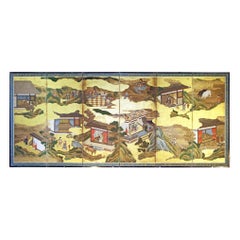
18°th Century Japanese Gold Leaf Screen
By Japanese Studio
Located in Brescia, IT
1006, is the most important work of Japanese literature. Seductive Genji masters all the arts, poetry
Category

18th Century Japanese Edo Antique Japanese Art

Materials

Gold Leaf

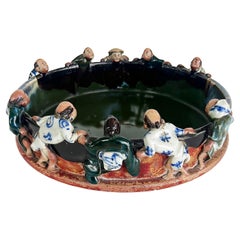
Japanese Sumida Gawa Pottery Glazed Bowl "Ten Men Looking into a Pond"
By Sumida Gawa
Located in Miami, FL
type of Japanese art pottery known for its vibrant colors and heavy, 3-dimentional relief figures of
Category

Early 20th Century Japanese Antique Japanese Art

Materials

Ceramic, Pottery

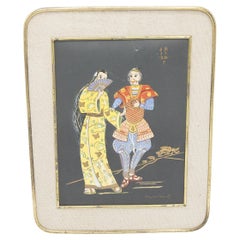
Antique Japanese Jute and Brass Painting First Date
Located in Milano, IT
is a print painted on black cardboard, with whimsical and strong colors, typical of Japanese art
Category

Early 1900s Japanese Anglo-Japanese Antique Japanese Art

Materials

Brass

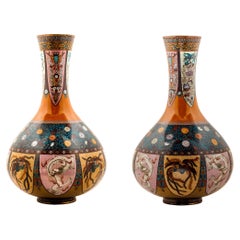
Large Pair of Japanese Cloisonne Enamel Vases Attributed to Honda Yasaburo
Located in Queens, NY
is a decorative motif commonly used in traditional Japanese art and design. The word "karakusa
Category

19th Century Japanese Meiji Antique Japanese Art

Materials

Copper, Enamel

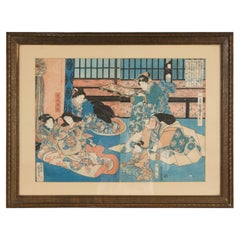
Japanese Edo 19th Century Signed Utagawa Kuniyoshi Diptych Woodblock Print
Located in Yonkers, NY
authenticity, making this piece a must-have for collectors of antique Japanese art. If you appreciate the depth
Category

19th Century Japanese Edo Antique Japanese Art

Materials

Glass, Paint, Paper

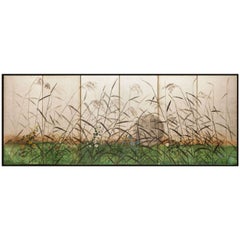
Japanese Six Panel Screen: Moon Rising Over the Plains of Musashino
Located in Hudson, NY
art. Japanese artists were used to seeing vistas with mountains, valleys, and forests. When artists
Category

Late 19th Century Japanese Antique Japanese Art

Materials

Silver Leaf

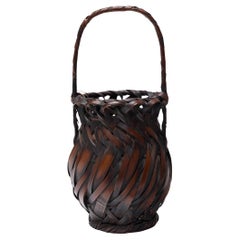
Japanese Meiji Susutake Ikebana Basket
Located in Chicago, IL
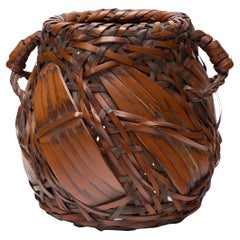
for ikebana, the Japanese art of floral arrangement. Masterfully woven from thin strips of smoked
Category

Early 20th Century Japanese Meiji Antique Japanese Art

Materials

Bamboo

Japanese Tosa School Framed Six Panel Screen Gold Leaf
By Japanese Studio
Located in Brescia, IT
Japanese six-panel screen of the famous "Tosa school" made by an anonymous artist of the mid-18th
Category

Mid-18th Century Japanese Edo Antique Japanese Art

Materials

Gold Leaf

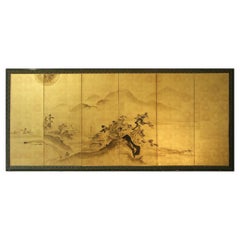
Japanese Screen Landscape on Gold Leaf with Inks
By Japanese Studio
Located in Brescia, IT
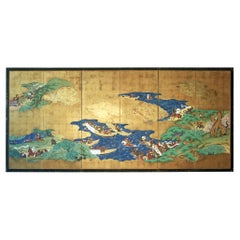
Six-panel screen from the Tosa school painted with ink on gold leaf depicting a relaxing oriental landscape with pagodas, figures on boats and a beautiful sun in the sky. The screen ...
Category

Late 19th Century Japanese Meiji Antique Japanese Art

Materials

Gold Leaf

Jizai Koi and Water Motif, Japan, Miji Period
Located in Point Richmond, CA
a reminder to live an ideal life. A classic Japanese art object. Mounted on a custom steel
Category

Late 19th Century Japanese Meiji Antique Japanese Art

Materials

Wood

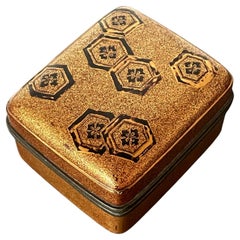
Antique Japanese Lacquered Incense Box Kobako Ex-Christie s
Located in Atlanta, GA
: Japanese Art and Design, May 14th, 2008. Lot 37.
Category

17th Century Japanese Japonisme Antique Japanese Art

Materials

Lead

Antique Japanese Woodblock Print Of Samurai Magaki Heikuro Signed By Gekko
Located in Big Flats, NY
period, known for his innovative approach to traditional Japanese art.
Category

Early 20th Century Antique Japanese Art

Materials

Paper

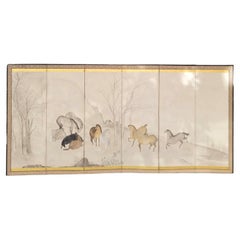
Kano School Japan Byôbu Screen “Wild Horses”, Kano School, Edo period
By Japanese Studio
Located in Valladolid, ES
to rest. In Japanese culture, horses are a popular figure in art, especially in the context of
Category

1850s Japanese Japonisme Antique Japanese Art

Materials

Brass

Japanese Two Panel Screen: Sudare on Gold Leaf
Located in Hudson, NY
the refined craftsmanship of traditional Japanese art, where complex meaning is often conveyed through
Category

17th Century Japanese Antique Japanese Art

Materials

Brocade, Silk, Wood, Lacquer, Paper

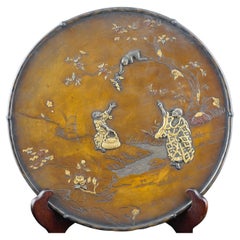
Japanese Mixed Metal Finely Executed Decorative Plate of Monkey Picking Fruit
By Japanese Studio
Located in Sarasota, FL
Meiji Period Japanese mixed metal platter depicting monkey gathering fruit for finely dressed
Category

Early 19th Century Japanese Meiji Antique Japanese Art

Materials

Metal

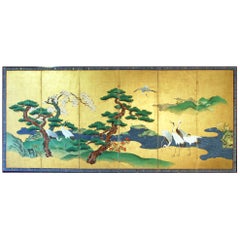
Japanese Folding Screen Six Panels Painted on Gold Leaf
By Japanese Studio
Located in Brescia, IT
Paravento a sei pannelli di scuola giapponese Kano: paesaggio con bellissime ed eleganti gru vicino al fiume, con alberi di pino e sakura. Dipinto a mano con pigmenti minerali ed inc...
Category

Early 19th Century Japanese Edo Antique Japanese Art

Materials

Gold Leaf

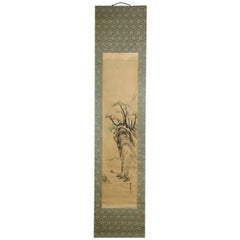
Lovely Nihonga Scene Meiji/Taisho Period Scroll Japan Artist Reika Yoshikawa
Located in Amsterdam, Noord Holland
center of gravity is going modern Japanese art world on its own, which moved There was a presence
Category

19th Century Japanese Meiji Antique Japanese Art

Materials

Silk

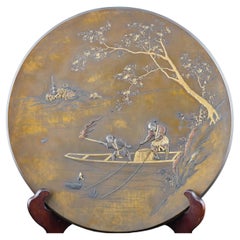
Japanese MIxed Metal Finely Executed Plate of Cormorant Fishing at Night
By Japanese Studio
Located in Sarasota, FL
Japanese mixed metal platter finely executed to show night fishing with cormorants. Unsigned.
Category

Late 19th Century Japanese Meiji Antique Japanese Art

Materials

Metal, Bronze

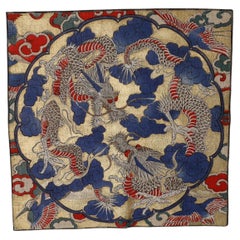
Meiji Period Golden Dragon Zabuton Covers by Tanaka Rishichi
Located in Fukuoka, JP
project. He was a highly significant figure in the world of Japanese art, particularly in the realm of
Category

19th Century Japanese Meiji Antique Japanese Art

Materials

Linen

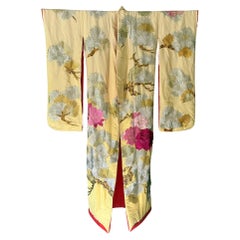
Vintage Japanese Ceremonial Wedding Kimono with Embroidery Designs
Located in Atlanta, GA
. Symbol of prosperity and beauty, peony is one of the most beloved motifs in Japanese art. The evergreen
Category

Early 20th Century Japanese Japonisme Antique Japanese Art

Materials

Brocade, Silk

Edo 19th Century Japanese Folding Screen Six Panels Battle of Menpei
By Japanese Studio
Located in Brescia, IT
Samurai on horseback and by boat from the famous battle of Menpei Japanese folding screen six-panel
Category

Early 19th Century Japanese Edo Antique Japanese Art

Materials

Gold Leaf

Japanese Meiji Twisted Ikebana Basket
Located in Chicago, IL
) designed especially for ikebana, the Japanese art of floral arrangement. Masterfully woven from strips of
Category

Early 20th Century Japanese Meiji Antique Japanese Art

Materials

Bamboo

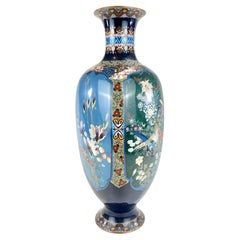
Very Rare Antique Japanese Meiji Era (late 1800 s) Cloisonné Vase 24"
Located in Portland, OR
examples of this exquisite Japanese art currently being offered by Shogun's Gallery.
Category

Late 19th Century Japanese Antique Japanese Art

Materials

Copper, Enamel

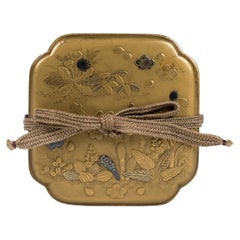
Japanese golden kobako flowers Edo period 18th century
Located in PARIS, FR
of Japanese art, he began collecting Japanese objects such as armour and lacquerware in 1868 – when
Category

18th Century Japanese Japonisme Antique Japanese Art

Materials

Gold

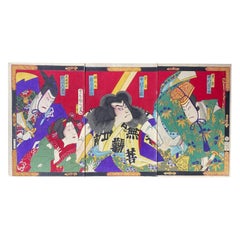
Toyohara Kunichika Japanese Triptych Woodblock Print of Kabuki Theater Actors
By Toyohara Kunichika
Located in Studio City, CA
addition to any Japanese art or print collection or an eye-catching stand-alone accent piece once framed
Category

Early 20th Century Japanese Meiji Antique Japanese Art

Materials

Paper

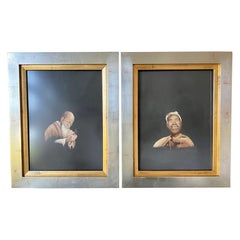
Pair of Framed Japanese Embroidery Art Portraits
Located in Atlanta, GA
pair of embroidery art panels from Japan are dated circa 1910-1930s, end of Meiji to early Taisho
Category

Early 20th Century Japanese Japonisme Antique Japanese Art

Materials

Silk, Wood

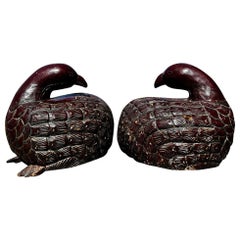
Japan Huge Antique Pair Quail Sculptures Hand-Carved Red Lacquered
Located in South Burlington, VT
. Each body carved from one block of wood in Mingei style. Beautiful mingei (Japan art of the people
Category

Early 20th Century Japanese Taisho Antique Japanese Art

Materials

Wood

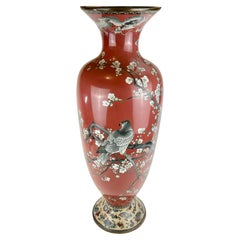
Very Rare Antique Japanese Meiji Era (late 1800 s) Cloisonné Vase Falcon 34"
Located in Portland, OR
110 beautiful examples of this exquisite Japanese art currently being offered by Shogun's Gallery.
Category

Late 19th Century Japanese Antique Japanese Art

Materials

Copper, Enamel

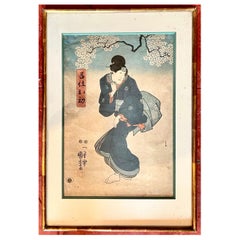
Japanese ukiyo-e woodblock print – Woman under Cherry Blossoms – signed Kunisada
Located in Beuzevillette, FR
refinement of Japanese art from the Edo period. The work is signed lower left, likely by Utagawa Kunisada
Category

19th Century Japanese Edo Antique Japanese Art

Materials

Paper

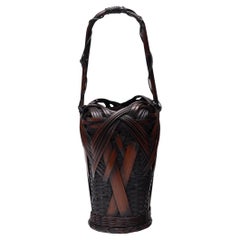
Japanese Meiji Tabane-Ami Ikebana Basket
Located in Chicago, IL
especially for ikebana, the Japanese art of floral arrangement. Masterfully woven from thin strips of smoked
Category

Early 20th Century Japanese Meiji Antique Japanese Art

Materials

Bamboo

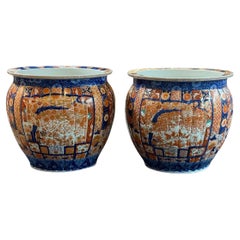
Late 19th Century Pair of Japanese Imari Porcelain Jardinières or Planters
Located in Stamford, CT
highlight the cultural significance of nature in Japanese art. The pair of jardinières exemplify the
Category

Late 19th Century Japanese Antique Japanese Art

Materials

Porcelain

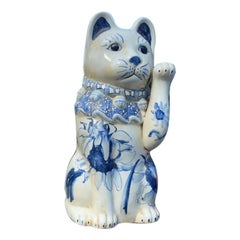
Japanese Big Antique Blue And White Hand-Painted Good Fortune Money Cat
Located in South Burlington, VT
Japanese art, antique garden ornaments, lanterns and water basins for many years. Our president personally
Category

Early 20th Century Japanese Taisho Antique Japanese Art

Materials

Ceramic

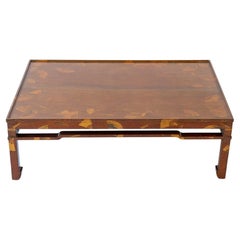
19th century Japanese Lacquer Zataku (low table) with Scattered fan Motif
Located in New York, NY
element in Japanese art and is often found on lacquerware pieces and on Japanese screens.
Category

Late 19th Century Japanese Antique Japanese Art

Materials

Gold Leaf

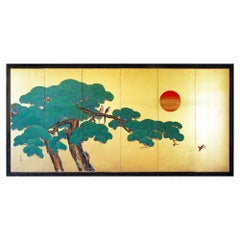
Byobu - Japanese Screen Gold Leaf Kano School Pine Sun
By Japanese Studio
Located in Brescia, IT
Japanese Screen of Kano school six panels hand painted with mineral pigments on gold leaf. A very
Category

Late 19th Century Meiji Antique Japanese Art

Materials

Gold Leaf

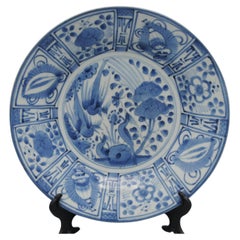
Japanese Arita Blue and White Kraak Dish - Edo Period, late 17th
By 1616 / Arita Japan
Located in DELFT, NL
A 17th Century Japanese Blue and White Porcelain Dish in the Kraak Style, Arita Kilns 1670 – 1700
Category

Late 17th Century Japanese Edo Antique Japanese Art

Materials

Porcelain

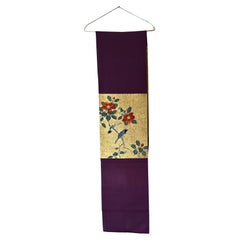
Antique Japanese Obi Textile Panel with Birds and Camellia Flowers, Meiji Period
Located in Fukuoka, JP
designers, or anyone who appreciates the poetic harmony of Japanese art.
Category

19th Century Japanese Meiji Antique Japanese Art

Materials

Silk

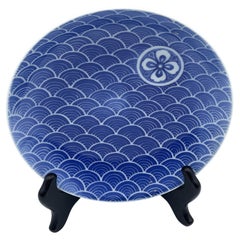
Japanese Edo Period Nabashima Porcelain Plate w/ Sea Shells Crest, Ca. 1850
Located in New York, NY
— symbols of good fortune and longevity in Japanese art — alongside a boldly painted family crest
Category

1850s Japanese Japonisme Antique Japanese Art

Materials

Porcelain

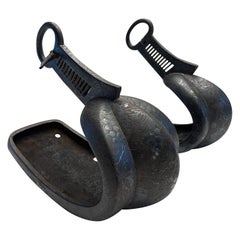
Antique Japanese Iron Stirrups with Silver Inlay Signed
Located in Atlanta, GA
piece for serious Japanese art collector.
Category

16th Century Japanese Japonisme Antique Japanese Art

Materials

Silver, Iron

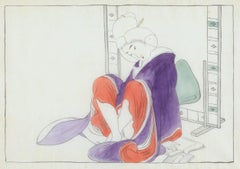
Japanese Shunga, Sitting Woman
Located in New Orleans, LA
A beautiful example of the Japanese art form known as shunga, this sensual work depicts woman
Category

Early 20th Century Other Art Style Antique Japanese Art

Materials

Paint, Paper, Gouache

1844 - Chichi, Japanese Scroll Painting. Colour on Silk
Located in Kyoto, JP
rare subject in Japanese art though not unrecognized. In 1939, the literati painter Yano Kyoson painted
Category

1840s Japanese Edo Antique Japanese Art

Materials

Silk

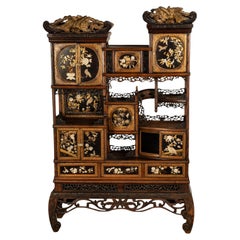
Antique Japanese Lacquer Inlaid Hardwood Meiji Period Shibayama Shodana Cabinet
Located in Portland, OR
, one scene shows a bird with an Ikebana (the Japanese art of arranging leaves & flowers in vessels
Category

Late 19th Century Japanese Meiji Antique Japanese Art

Materials

Gold

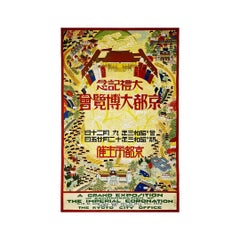
1928 Original Poster - Coronation of The Emperor Hirohito - Politics - Japan
Located in PARIS, FR
Art Deco Style With Traditional Japanese Cultural Design Elements. The Chrysanthemums Seen in The
Category

1920s Art Deco Antique Japanese Art

Materials

Linen, Paper, Lithograph

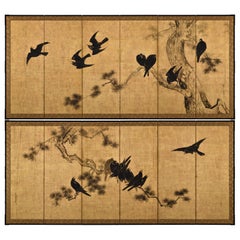
Mid 18th Century Japanese Screen Pair. Crows Pines by Unkoku Toshuku.
Located in Kyoto, JP
resemble crows in artwork, were commonly depicted in Japanese art. These types of paintings were originally
Category

Mid-18th Century Japanese Edo Antique Japanese Art

Materials

Gold Leaf

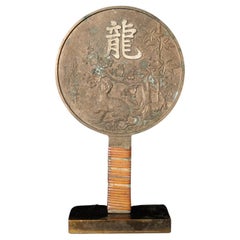
Edo period bronze mirror with a rare design depicting a tiger and plum blossoms
Located in Fukuoka, JP
with seasonal renewal — a symbolic pairing highly appreciated in Japanese art. The surface retains a
Category

18th Century Japanese Edo Antique Japanese Art

Materials

Silver, Bronze

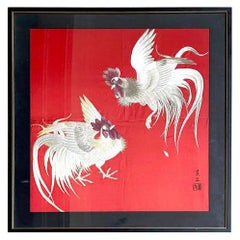
Framed Japanese Embroidery Textile Panel Rootsters
Located in Atlanta, GA
period. It was a popular subject depicted in all types of Japanese art, from painting, lacquerware and
Category

Early 20th Century Japanese Japonisme Antique Japanese Art

Materials

Silk, Wood

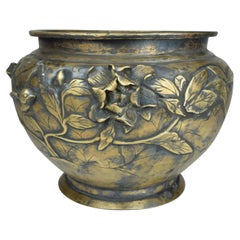
Meiji Period Japanese Bronze Jardinière with High-Relief Birds and Blossoms
Located in Islamabad, PK
(bird-and-flower) motif a celebrated theme in Japanese art is rendered with remarkable depth and detail
Category

Late 19th Century Japanese Antique Japanese Art

Materials

Bronze

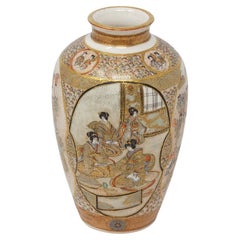
Antique Japanese Meiji Period Satsuma Vase by Ryozan
Located in Newark, England
the government and they overhauled the art export market which in turn promoted Japanese arts via
Category

Late 19th Century Japanese Meiji Antique Japanese Art

Materials

Ceramic, Earthenware, Pottery

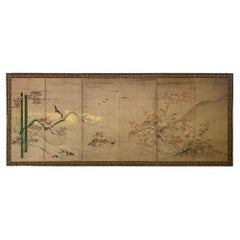
Edo Period Seasonal Transition Screen
Located in Fukuoka, JP
winter, a popular theme in Japanese art that symbolizes the ephemeral nature of life and the beauty of
Category

19th Century Japanese Edo Antique Japanese Art

Materials

Gold Leaf

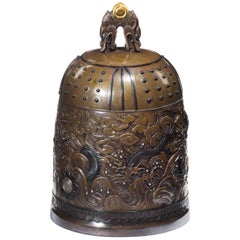
Meiji Period Bell Casket by the Nogowa Foundary
Located in Lymington, Hampshire
Nasser Khalili Collection of Japanese Art -Metalwork part 1, Kibo Foundation, London, 1995, illustration
Category

1880s Japanese Antique Japanese Art

Materials

Metal

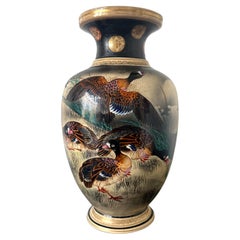
Large Japanese Ceramic Vase with Flying Autunm Geese by Kinkozan Studio
By Kinkozan
Located in Atlanta, GA
subjects in Japanese art that evokes an introspective mood that comes with the change of the seasons. The
Category

1880s Japanese Meiji Antique Japanese Art

Materials

Ceramic

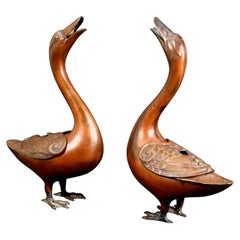
Japanese Bronze Pair of Geese Koros
Located in Downingtown, PA
a dramatic increase in the production of export art, where traditional Japanese skills were adapted
Category

Late 19th Century Japanese Japonisme Antique Japanese Art

Materials

Metal

Japanese Bronze Pair of Geese Koros
$1,125 Sale Price
25% Off
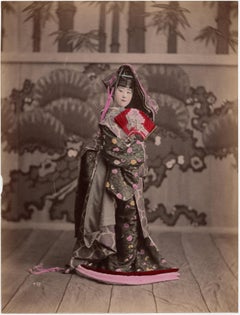
Japan – A costumed Geisha on stage - hand-colored photograph
Located in Middletown, NY
more expensive souvenir albums. Ogawa's publications were also instrumental in introducing Japanese art
Category

Late 19th Century Realist Antique Japanese Art

Materials

Watercolor, Photographic Paper

  • 1
  • ...
Get Updated with New Arrivals
Save "Antique Japanese Art", and we’ll notify you when there are new listings in this category.

Antique Japanese Art For Sale on 1stDibs

With a vast inventory of beautiful furniture at 1stDibs, we’ve got just the piece of antique Japanese art you’re looking for. Was constructed with extraordinary care, often using metal, wood and ceramic. You’ve searched high and low for the perfect item from our selection of antique Japanese art — we have versions that date back to the 18th Century alongside those produced as recently as the 20th Century are available. Each choice in our collection of antique Japanese art bearing Art Nouveau, Folk Art or Art Deco hallmarks is very popular. Many designers have produced at least one well-made object in our assortment of antique Japanese art over the years, but those crafted by Awaji Pottery, Japanese School and Makuzu Kozan are often thought to be among the most beautiful.

How Much is a Antique Japanese Art?

A piece of antique Japanese art can differ in price owing to various characteristics — the average selling price 1stDibs is $1,954, while the lowest priced sells for $1 and the highest can go for as much as $397,909.

Finding the Right Asian-art-furniture for You

From Japanese handmade earthenware pottery, originating circa 14,500 B.C. and adorned with elaborate corded patterns known as jōmon, to natural elm case pieces and storage cabinets built in Qing dynasty–era China to mid-century Thai rice-paper charcoal rubbings, antique and vintage Asian art and furniture make for wonderful additions to all kinds of contemporary interiors.

Eastern elements elevate any home’s decor. Introduce zen sensibility to your living room, dining room and bedroom with the neutral color palettes and the natural materials such as rattan, bamboo and elm that we typically associate with traditional Asian furniture. Decorative handwoven embroideries and textiles originating from India and elsewhere on the continent, which can be draped over a bed or sofa or used as a wall hanging, can be as practical as they are functional, just as you wouldn’t seek out Japanese room-divider screens — often decorated with paintings but constructed to be lightweight and mobile — merely for privacy.

With everything from blanket chests to lighting fixtures to sculptures and carvings, it’s easy to tastefully bring serenity to your living space by looking to the treasures for which the East has long been known.

For British-born furniture designer Andrianna Shamaris, the Japanese concept of beauty in imperfection isn’t limited to her Wabi Sabi collection. She embraces it in her New York City apartment as well. In the living area, for instance, she retained the fireplace’s original black marble while swathing its frame and the rest of the room in bright white.

“We left the fireplace very clean and wabi-sabi, so that it blended into the wall,” says Shamaris, who further appointed the space with a hand-carved antique daybed whose plush pillows are upholstered in antique textiles from the Indonesian island of Sumba.

In the growing antique and vintage Asian art and furniture collection on 1stDibs, find ceramics from China, antiquities from Cambodia and a vast range of tables, seating, dining chairs and other items from Japan, India and other countries.

Questions About Antique Japanese Art
  • 1stDibs ExpertApril 5, 2022
    There are a variety of different types of Japanese art. One of the oldest and most admired forms of Japanese art is the art of calligraphy, which originated in the sixth or seventh century. Another type of art, ukiyo-e, is the art of the woodblock print, which depicts scenes of female beauties; kabuki actors, sumo wrestlers and more. You’ll find a variety of Japanese artwork from some of the world’s top art dealers on 1stDibs.
  • 1stDibs ExpertApril 5, 2022
    The writing on Japanese art is calligraphy art called shodo. It uses Japanese kanji and kana characters. There are a variety of different shodo styles of art, including Kaisho, which is the basic, foundational form of the art. On 1stDibs, find a range of Japanese calligraphy art from top sellers..
  • 1stDibs ExpertApril 16, 2024
    The focus of Japanese art varies. Many traditional Japanese artists sought to capture the beauty of nature in their works. However, other Japanese artists have produced work with Buddhist themes, and contemporary artists working in the country have been inspired by a range of subjects, from socioeconomic and political issues to pop culture. On 1stDibs, explore a large selection of Japanese art.
  • 1stDibs ExpertOctober 15, 2024
    To tell if art is Japanese or Chinese, study the piece's characteristics. With paintings, Chinese artists often use more color and tend to fill their entire canvases, while Japanese artists often include more negative space and choose subtler colors. There are also differences between the brushstrokes typical of traditional Chinese and Japanese art. In Japanese paintings, brushstrokes are often short and sharp. On the other hand, Chinese paintings often display longer, more fluid brushstrokes. Learning about the defining features of various art forms and periods and looking at examples of pieces made by Japanese and Chinese artists can help you learn to spot subtle differences. Explore a diverse assortment of Japanese and Chinese art on 1stDibs.
  • 1stDibs ExpertSeptember 23, 2024
    What the Japanese sea art is called depends on its type. Many examples of sea art from Japan are called ukiyo-e. This term refers to woodblock prints made during the 17th, 18th and 19th centuries. The Great Wave off Kanagawa by Katsushika Hokusai is arguably the most famous ukiyo-e print depicting the sea. On 1stDibs, find a wide variety of Japanese woodblock prints.
  • 1stDibs ExpertApril 5, 2022
    Many art styles originated in Japan and grew in popularity over the years. Some of the most popular styles include shodo (calligraphy), ikebana, kanou and yamato-e. You’ll find a wide variety of authentic Japanese art from some of the world’s top dealers on 1stDibs.
  • 1stDibs ExpertApril 5, 2022
    What Japanese wall art is called depends on its type. There are numerous kinds of Japanese paintings and prints, including nihonga and ukiyo-e. A Japanese wall scroll is known as a kakejiku or kakemono. On 1stDibs, find a variety of Japanese wall art.
  • 1stDibs ExpertAugust 8, 2024
    To tell if your Japanese pottery is antique, look for markings, which usually appear on the bottoms of pieces. If you see the word "Nippon," your piece was likely produced between 1891 and 1921, making it an antique. Pieces marked with the words "made in occupied Japan" originated between 1945 and 1952 and are vintage, based on their age. A "made in Japan" marking may indicate a vintage or contemporary piece. If you don't see any of these markings, consult trusted online resources to get a rough idea of when your pottery was produced. Any piece that dates back 100 years or more is antique. Should you encounter difficulty with the dating process, a certified appraiser or knowledgeable antique dealer can assist you. On 1stDibs, shop a variety of Japanese pottery.