Antique Japanese Fans
to
22
104
61
124
70
39
39
17
15
11
7
7
7
5
5
5
4
3
3
2
2
2
1
1
1
1
1
3
3
2
1
1
Sort By
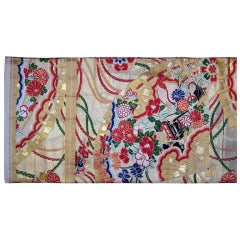
Wedding Fan Obi
Located in San Francisco, CA
Japanese silk brocade maru obi (woman's kimono belt). Meiji period (c. 1890). Maru obi is the most
Category
19th Century Japanese Antique Japanese Fans
Materials
Brocade, Silk

$1,050
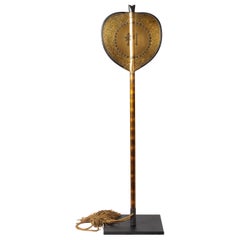
A Japanese Long War Fan, ‘Gunbai Uchiwa’, Late Edo Period, 18th-19th Century
Located in Milano, IT
were referred to as jineigu. Among them, the gunbai uchiwa, a fixed fan, was the equipment that was
Category
Mid-18th Century Japanese Antique Japanese Fans
Materials
Wood
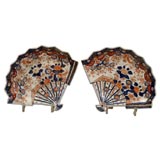
19th Century pair of Imari fan shaped dishes
Located in Chamblee, GA
19th Century pair of porcelain Imari fan shaped dishes with cobalt blue and bittersweet floral
Category
19th Century Japanese Antique Japanese Fans
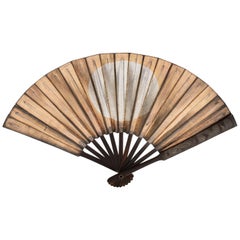
Tessen, Fighting Fan, Mid Edo Period, ‘1615-1867’
Located in Milano, IT
the hands or tucked in the obi (belt), the folding fan played a significant role in Japanese etiquette
Category
Late 18th Century Japanese Antique Japanese Fans
Materials
Iron
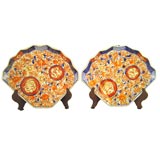
PAIR of Rare Imari "Fan-shape" Porcelains, c. 1860
Located in Atlanta, GA
A very well-preserved pair of Japanese Imari porcelain dishes, shaped to resemble the fans
Category
19th Century Japanese Antique Japanese Fans
Materials
Porcelain
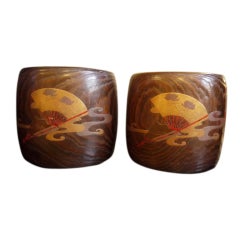
Pair of Meiji Period Hibachi with Fan and Wave Design
Located in New York, NY
A beautiful pair of Japanese wooden hibachi with nice wood grain, and inlaid lacquer design of fans
Category
19th Century Japanese Antique Japanese Fans
Materials
Wood
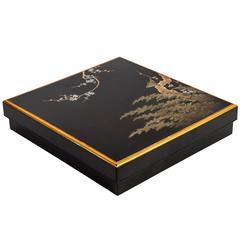
19th Meiji Japanese Lacquered Suzuribako with Bush Warbler, Writing Box
Located in Paris, FR
chrysanthemums and susuki grass in gold, silver and red maki-e lacquer. Urushi in fan shaped, inkstone,
Japan
Category
1870s Japanese Antique Japanese Fans
Materials
Silver
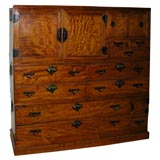
Kimono Tansu
Located in New York, NY
Cherry wood Japanese Kimono chest with traditional fan hardware motif.
Category
19th Century Japanese Antique Japanese Fans
Materials
Iron
$7,500
Antique Japanese Shakudo Fan Brooch
Located in Birmingham, GB
GEMMOLOGIST'S NOTES
A unique brooch, which gloriously models a Japanese crane, with chicks and
Category
Late 19th Century Unknown Georgian Antique Japanese Fans

- 1
Get Updated with New Arrivals
Save "Antique Japanese Fans", and we’ll notify you when there are new listings in this category.
Antique Japanese Fans For Sale on 1stDibs
There is a range of antique Japanese fans for sale on 1stDibs. Each of these unique antique Japanese fans was constructed with extraordinary care, often using paper, wood and metal. Antique Japanese fans have been made for many years, and versions that date back to the 18th Century alongside those produced as recently as the 20th Century. Antique Japanese fans made by Victorian designers — as well as those associated with Folk Art — are very popular at 1stDibs. Tosa School produced beautiful antique Japanese fans that are worth considering.
How Much are Antique Japanese Fans?
The average selling price for at 1stDibs is $1,450, while they’re typically $170 on the low end and $145,000 highest priced.
Questions About Antique Japanese Fans
- What are Japanese fans called?1 Answer1stDibs ExpertApril 5, 2022A folding fan from Japan is called a “sensu” or “o-gi” while a non-folding fan is called an “uchiwa.” Both styles of hand fans were used as a material to write and communicate through as well as showcase social status. Browse a selection of authentic Japanese fans on 1stDibs.
- 1stDibs ExpertApril 5, 2022There are three types of Japanese fans. The uchiwa is a fixed fan that is used practically to create a breeze and stay cool. The sensu or ogi fan is a folding fan that is a fashion accessory as well as cooling the user. The gunsen fan is a war fan that was used during war times for signaling and also occasionally as a weapon. Shop an array of authentic Japanese fans on 1stDibs.
- 1stDibs ExpertApril 5, 2022To identify an antique fan, search all over for a maker's mark. Then, consult an authoritative online reference to match the mark to the manufacturer's name. A licensed appraiser can also assist with identification. You'll find a collection of expertly vetted antique fans on 1stDibs.
- 1stDibs ExpertAugust 8, 2024To tell if your Japanese pottery is antique, look for markings, which usually appear on the bottoms of pieces. If you see the word "Nippon," your piece was likely produced between 1891 and 1921, making it an antique. Pieces marked with the words "made in occupied Japan" originated between 1945 and 1952 and are vintage, based on their age. A "made in Japan" marking may indicate a vintage or contemporary piece. If you don't see any of these markings, consult trusted online resources to get a rough idea of when your pottery was produced. Any piece that dates back 100 years or more is antique. Should you encounter difficulty with the dating process, a certified appraiser or knowledgeable antique dealer can assist you. On 1stDibs, shop a variety of Japanese pottery.
More Ways To Browse
Japanese Kimono Robes
Ivory Kimono
1930s Silk Kimono
Cherry Blossom Four Panel Silk
Japanese Iron Kettle
Large Japanese Fan
Shibata Zeshin
Shibayama Cabinet
Tansu Pair
Blue Phoenix Japan
Japanese Screen Samurai
Meiji Insect
Japanese Comb
Japanese Emperor And Empress
Japanese Oyster Plate
Meiji Era Screen
Pair Of Tansu Chests
Shakudo Lockets