Antique Japanese Tapestry
1890s Japanese Antique Japanese Tapestry
Silk
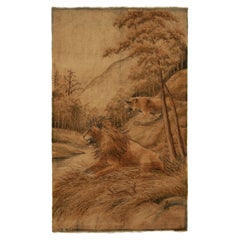
1890s Japanese Antique Japanese Tapestry
Silk
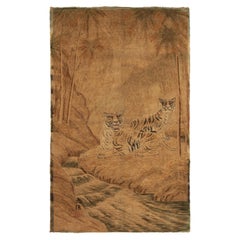
1890s Japanese Antique Japanese Tapestry
Silk
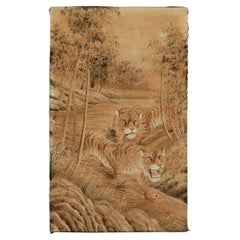
Late 19th Century Japanese Meiji Antique Japanese Tapestry
Hemp

Early 20th Century Japanese Taisho Antique Japanese Tapestry
Cotton
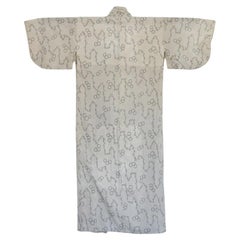
Early 20th Century Japanese Meiji Antique Japanese Tapestry
Silk, Glass, Lacquer
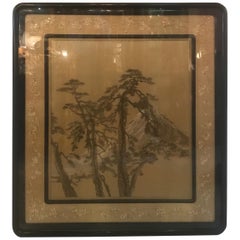
19th Century Japanese Meiji Antique Japanese Tapestry
Silk, Glass, Wood
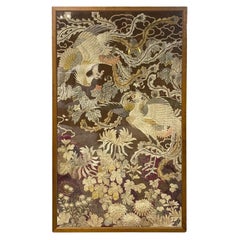
1910s Japanese Antique Japanese Tapestry
Silk
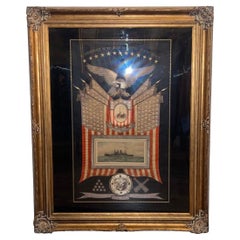
Early 20th Century Japanese Chinoiserie Antique Japanese Tapestry
Silk
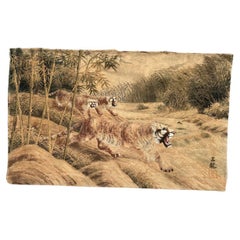
Early 20th Century Japanese Folk Art Antique Japanese Tapestry
Silk, Glass, Walnut
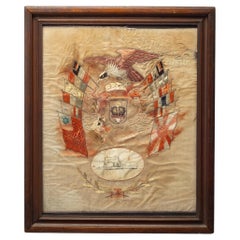
Early 1800s Japanese Japonisme Antique Japanese Tapestry
Fabric, Silk
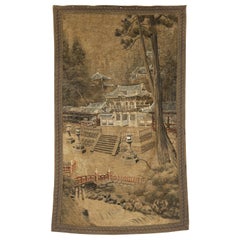

Mid-19th Century Japanese Edo Antique Japanese Tapestry
Fabric
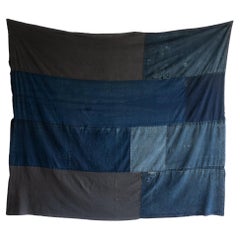
Late 19th Century Japanese Edo Antique Japanese Tapestry
Fabric
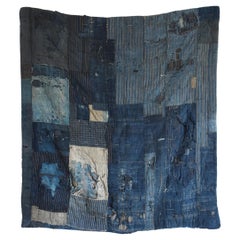
Early 20th Century Japanese Folk Art Antique Japanese Tapestry
Cotton
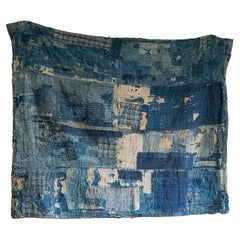
Late 19th Century Japanese Folk Art Antique Japanese Tapestry
Cotton
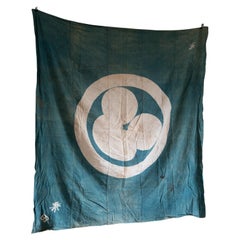
Late 19th Century Japanese Folk Art Antique Japanese Tapestry
Linen, Hemp
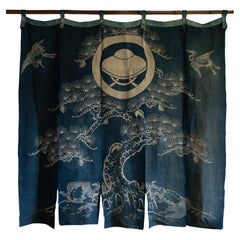
Late 19th Century Japanese Antique Japanese Tapestry
Silk, Glass
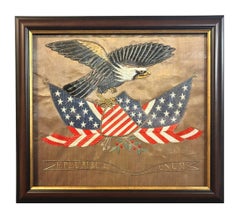
Mid-19th Century Japanese Antique Japanese Tapestry
Stucco, Wood
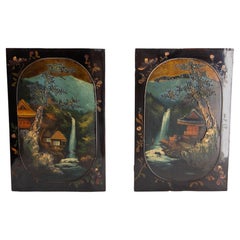
Early 20th Century Japanese Taisho Antique Japanese Tapestry
Paper
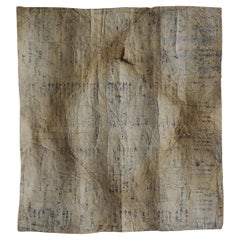
Early 20th Century Japanese Taisho Antique Japanese Tapestry
Paper
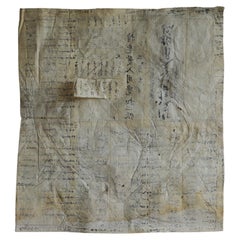
1890s Japanese Japonisme Antique Japanese Tapestry
Textile, Lucite
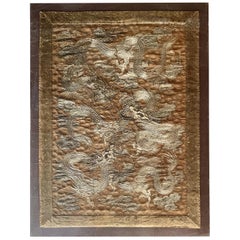
1890s Japanese Japonisme Antique Japanese Tapestry
Fabric, Silk, Lucite
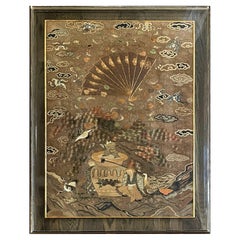
1890s Japanese Meiji Antique Japanese Tapestry
Textile, Wood
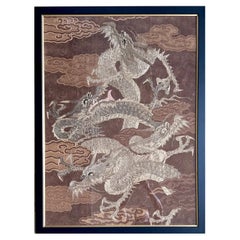
18th Century Japanese Edo Antique Japanese Tapestry
Silk
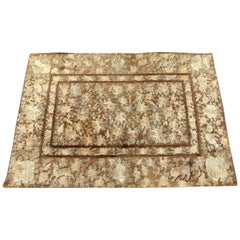
1890s Antique Japanese Tapestry
Wood
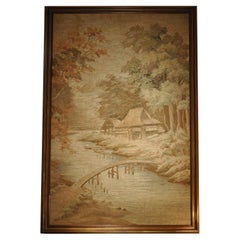
19th Century Japanese Meiji Antique Japanese Tapestry
Wool, Silk, Wood
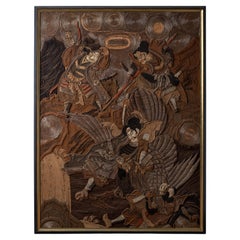
1890s Japanese Meiji Antique Japanese Tapestry
Silk, Giltwood
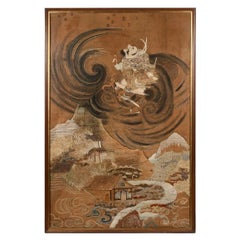
Early 20th Century Japanese Taisho Antique Japanese Tapestry
Paper
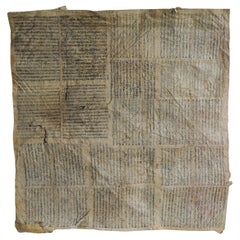
Early 20th Century Japanese Taisho Antique Japanese Tapestry
Paper
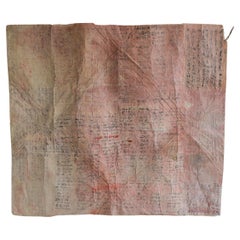
Early 20th Century Japanese Japonisme Antique Japanese Tapestry
Brocade, Silk, Acrylic
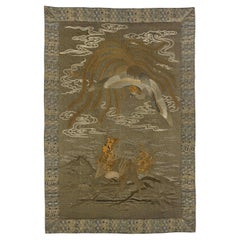
1890s Japanese Japonisme Antique Japanese Tapestry
Silk, Giltwood
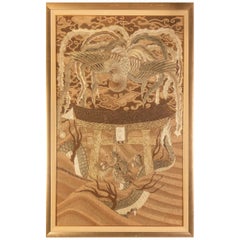
Early 20th Century Japanese Taisho Antique Japanese Tapestry
Cotton
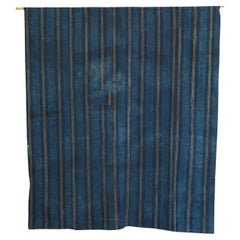
Mid-18th Century Japanese Antique Japanese Tapestry
Silk, Wood
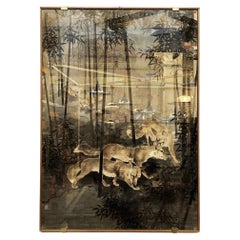
Late 18th Century Antique Japanese Tapestry
Paper
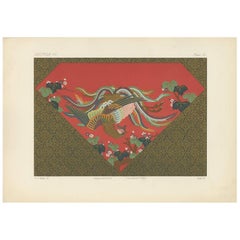
19th Century French Napoleon III Antique Japanese Tapestry
Tapestry, Giltwood
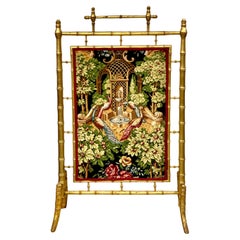
Mid-19th Century Japanese Edo Antique Japanese Tapestry
Copper, Pewter
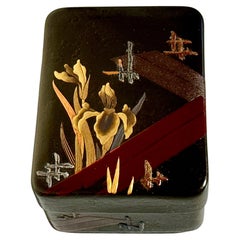
Early 20th Century Japanese Taisho Antique Japanese Tapestry
Fabric
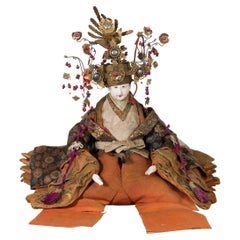
18th Century Japanese Japonisme Antique Japanese Tapestry
Iron, Gold Leaf
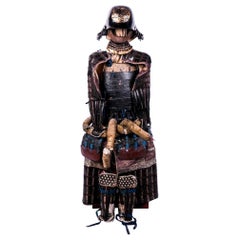
1880s Antique Japanese Tapestry
Paper
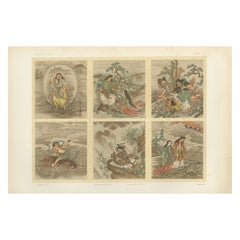
Early 1900s Japanese Art Nouveau Antique Japanese Tapestry
Paper
Late 19th Century American Impressionist Antique Japanese Tapestry
Oil
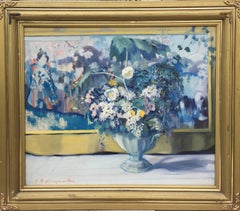
19th Century Japanese Antique Japanese Tapestry
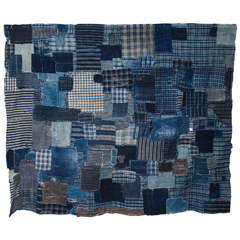
19th Century Japanese Antique Japanese Tapestry
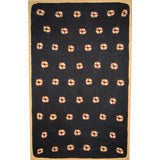
19th Century Japanese Antique Japanese Tapestry
Gold, Silver
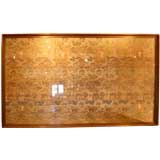
19th Century Japanese Japonisme Antique Japanese Tapestry
Metallic Thread
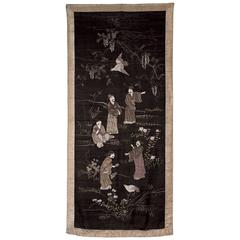
Early 1900s Japanese Meiji Antique Japanese Tapestry
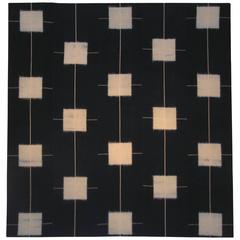
Early 20th Century Japanese Antique Japanese Tapestry
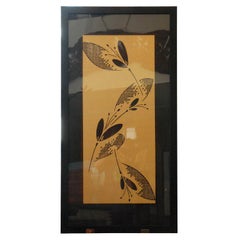
1890s Japanese Meiji Antique Japanese Tapestry
Fabric, Textile, Tapestry, Silk
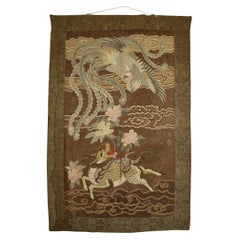
Late 19th Century Japanese Meiji Antique Japanese Tapestry
Gold, Metallic Thread
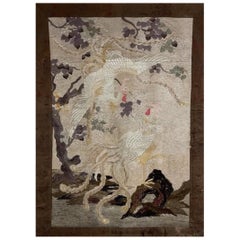
1880s Japanese Antique Japanese Tapestry
Silk
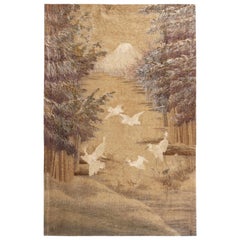
18th Century Japanese Chinoiserie Antique Japanese Tapestry
Silk
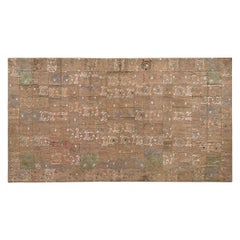
19th Century Japanese Antique Japanese Tapestry
19th Century Japanese Antique Japanese Tapestry
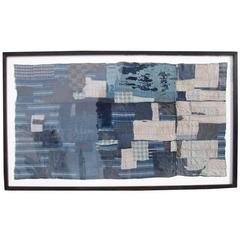
19th Century Japanese Rustic Antique Japanese Tapestry
Cotton
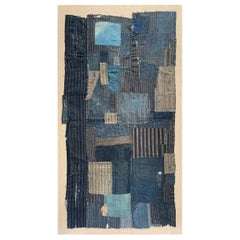
19th Century Japanese Antique Japanese Tapestry
Silk
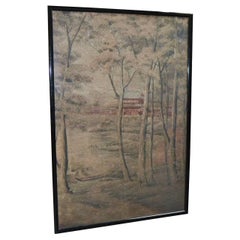
Late 19th Century Japanese Anglo-Japanese Antique Japanese Tapestry
Silk

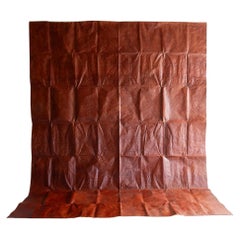
Early 19th Century Japanese Edo Antique Japanese Tapestry
Paper
- 1
Antique Japanese Tapestry For Sale on 1stDibs
How Much is a Antique Japanese Tapestry?
- 1stDibs ExpertAugust 8, 2024To tell if your Japanese pottery is antique, look for markings, which usually appear on the bottoms of pieces. If you see the word "Nippon," your piece was likely produced between 1891 and 1921, making it an antique. Pieces marked with the words "made in occupied Japan" originated between 1945 and 1952 and are vintage, based on their age. A "made in Japan" marking may indicate a vintage or contemporary piece. If you don't see any of these markings, consult trusted online resources to get a rough idea of when your pottery was produced. Any piece that dates back 100 years or more is antique. Should you encounter difficulty with the dating process, a certified appraiser or knowledgeable antique dealer can assist you. On 1stDibs, shop a variety of Japanese pottery.
Read More
Punk Rock and Rebellion Animate London’s Hit Yoshitomo Nara Show
The exhibition includes his portraits of wide-eyed kids with mayhem on their minds, as well as some of the artist’s personal belongings.
Whether Painted or Papered, Muraled Walls Make Bold Statements in the Home
The ancient practice of covering walls in artistic scenery is back.
In Francks Deceus’s ‘Mumbo Jumbo #5,’ the Black Experience Is . . . Complicated
Despite the obstacles, the piece’s protagonist navigates the chaos without losing his humanity.
12 Floral-Accented Rooms with a Handmade, Folkloric Feel
Who needs a flower garden? Just use your imagination — and some beautifully patterned wallpaper or fabric — to bring the outdoors in.
This Wolf Kahn Pastel Is the Epitome of Beauty at Its Most Essential
A longtime admirer of Kahn’s work, 1stDibs editorial director Anthony Barzilay Freund explores why it’s relevant now more than ever.
Why Jules Chéret Was the King of the Modern Poster
The streets of fin-de-siècle Paris were set aglow with colorful poster ads, thanks to the printing techniques invented by Jules Chéret. Now, the Milwaukee Art Museum is celebrating this undersung talent in America's first solo show dedicated his exuberant works.
Anna Condo’s Multifaceted Career Spans Film, Photography and NFTs
From her historic Manhattan townhouse, the talented creator and curator of 1stDibs' latest NFT exhibition tells us about the art in her home and how she got involved with cryptoart.
How Keith Rivers Went from NFL Linebacker to Blue-Chip Art Aficionado
The former football player is as serious about becoming a great contemporary-art patron as he once was about making tackles. Here, Rivers tells us how he got the collecting bug and how his tastes have evolved over the years.