Antique Jewelry 1800S
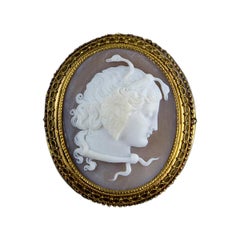
Mid-19th Century Italian Antique Jewelry 1800S
Yellow Gold
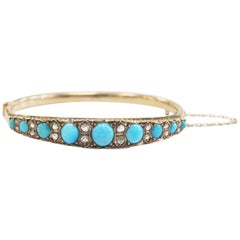
1850s Unknown Victorian Antique Jewelry 1800S
Diamond, Turquoise, 14k Gold
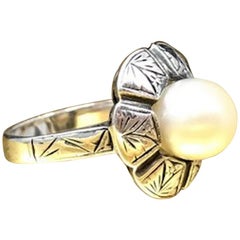
1850s Unknown Etruscan Revival Antique Jewelry 1800S
Natural Pearl, Silver, Sterling Silver
Late 19th Century French Victorian Antique Jewelry 1800S
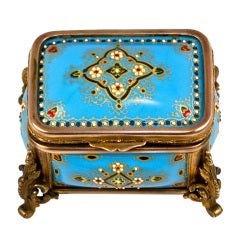
Mid-19th Century Dutch High Victorian Antique Jewelry 1800S
14k Gold, Yellow Gold
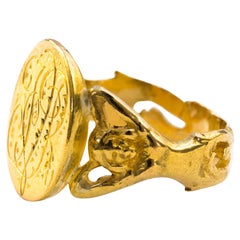
Late 19th Century European Antique Jewelry 1800S
Gold
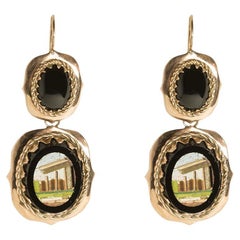
1880s Unknown Arts and Crafts Antique Jewelry 1800S
Turquoise, Silver
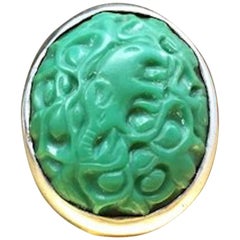
Mid-19th Century Swiss Art Nouveau Antique Jewelry 1800S
Ruby, Brass, Yellow Gold
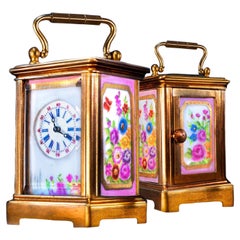
1870s Italian Antique Jewelry 1800S
Gold
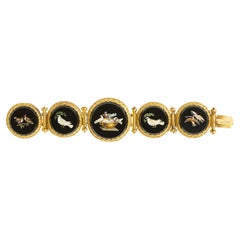
1850s Antique Jewelry 1800S
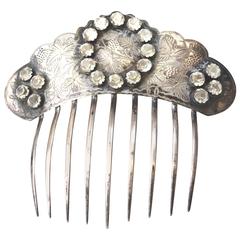
Early 1800s Russian Neoclassical Antique Jewelry 1800S
Silver
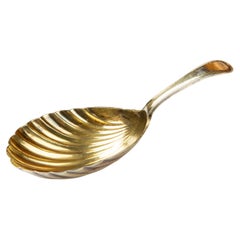
Early 1900s Italian Antique Jewelry 1800S
Silver
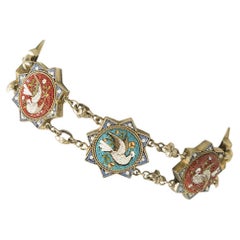
1880s British Victorian Antique Jewelry 1800S
Natural Pearl, 15k Gold
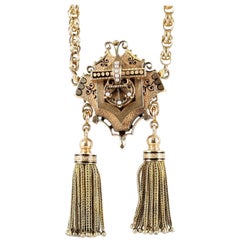
Late 19th Century Unknown Victorian Antique Jewelry 1800S
Gilt Metal
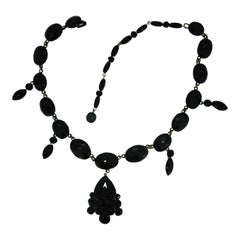
Mid-19th Century Spanish Etruscan Revival Antique Jewelry 1800S
Natural Pearl, 18k Gold, Gold
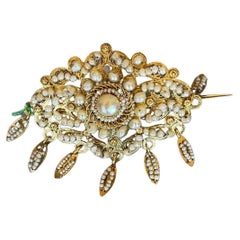
Late 19th Century French Art Nouveau Antique Jewelry 1800S
Agate, Pearl, Ruby, Gold, 18k Gold, Yellow Gold
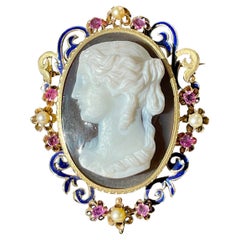
Mid-19th Century Portuguese Victorian Antique Jewelry 1800S
Gold, 18k Gold
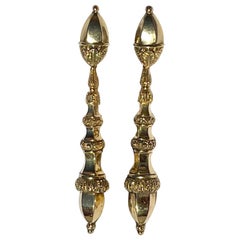
Early 19th Century Italian Antique Jewelry 1800S
Coral, Mixed Metal
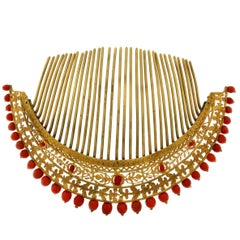
Early 1800s French Victorian Antique Jewelry 1800S
18k Gold, Yellow Gold
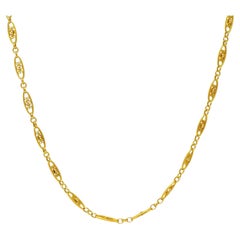
19th Century Unknown Victorian Antique Jewelry 1800S
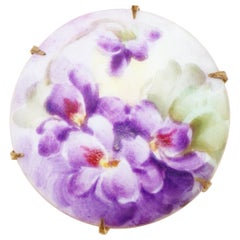
Late 19th Century Antique Jewelry 1800S
18k Gold
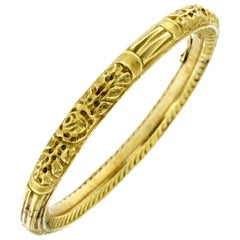
19th Century French Victorian Antique Jewelry 1800S
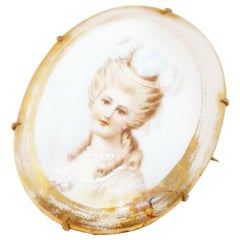
Early 19th Century Antique Jewelry 1800S
14k Gold, Enamel
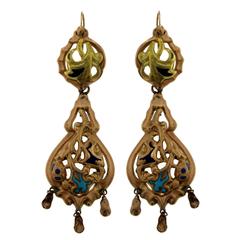
Late 19th Century Edwardian Antique Jewelry 1800S
Diamond, Platinum
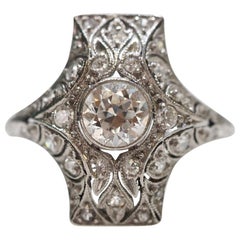
1880s European Victorian Antique Jewelry 1800S
Diamond, Yellow Gold
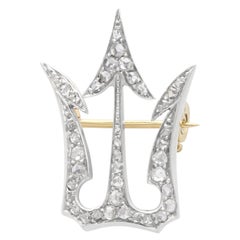
Early 18th Century Unknown Victorian Antique Jewelry 1800S
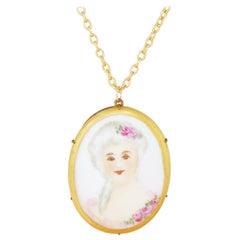
Early 1800s Victorian Antique Jewelry 1800S
Diamond, 14k Gold
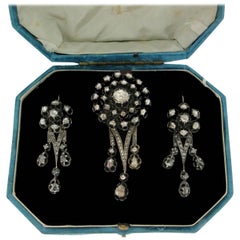
Early 1900s Unknown Victorian Antique Jewelry 1800S
Diamond, 15k Gold, Silver
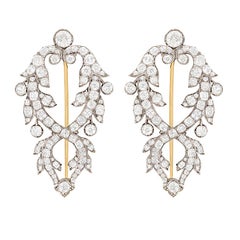
19th Century Unknown Victorian Antique Jewelry 1800S
Diamond, Pearl, Ruby, 18k Gold, Platinum
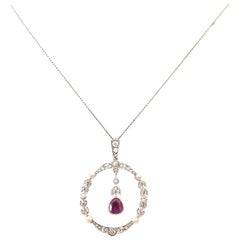
Late 19th Century Portuguese Victorian Antique Jewelry 1800S
Diamond, 18k Gold, Silver
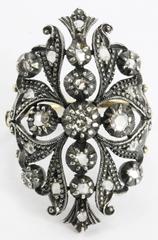
Mid-19th Century Victorian Antique Jewelry 1800S
Diamond
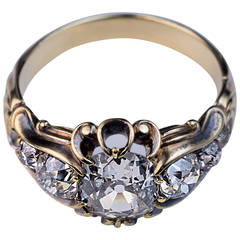
18th Century Unknown Victorian Antique Jewelry 1800S
Agate, Rock Crystal, Yellow Gold
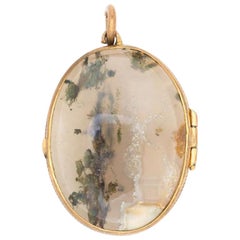
Late 18th Century Antique Jewelry 1800S
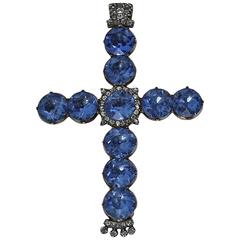
19th Century Antique Jewelry 1800S
Diamond, 18k Gold, Silver
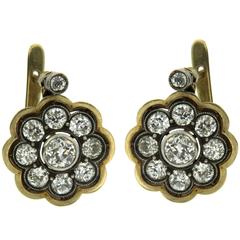
Late 19th Century Russian Victorian Antique Jewelry 1800S
Diamond
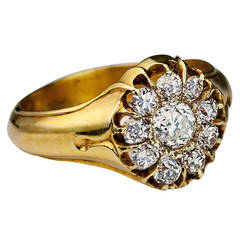
1890s Unknown Antique Jewelry 1800S
Yellow Gold
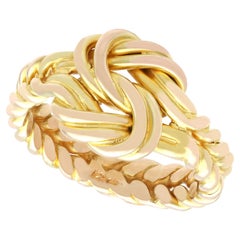
Early 1800s English Georgian Antique Jewelry 1800S
Garnet, 18k Gold
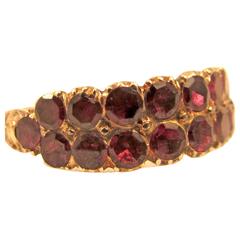
Mid-19th Century Russian Victorian Antique Jewelry 1800S
Diamond
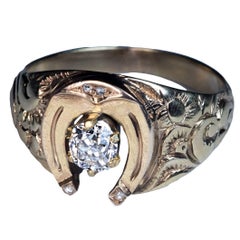
Late 18th Century European Georgian Antique Jewelry 1800S
Diamond, Gold, 9k Gold, Yellow Gold
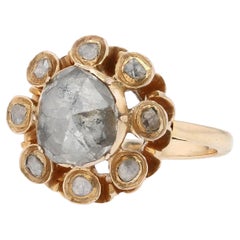
1850s Antique Jewelry 1800S
Diamond, Gold, 18k Gold, Yellow Gold
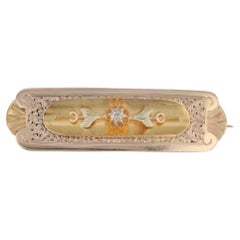
19th Century Italian Neoclassical Antique Jewelry 1800S
Diamond, 18k Gold, Silver
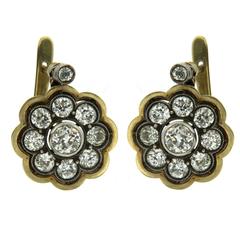
Late 19th Century Late Victorian Antique Jewelry 1800S
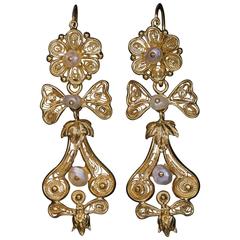
Early 19th Century Swiss Early Victorian Antique Jewelry 1800S
18k Gold
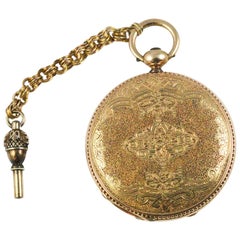
Mid-19th Century Victorian Antique Jewelry 1800S
Diamond, Turquoise
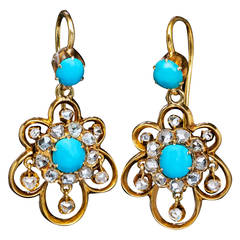
Early 1800s Georgian Antique Jewelry 1800S
Gold, 14k Gold, Yellow Gold, Enamel
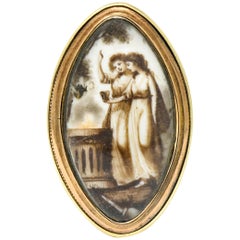
1820s European Victorian Antique Jewelry 1800S
Gold
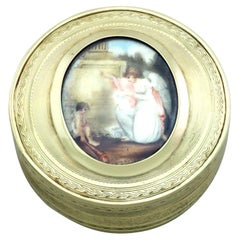
Early 1800s Antique Jewelry 1800S
Diamond, 9k Gold, Yellow Gold
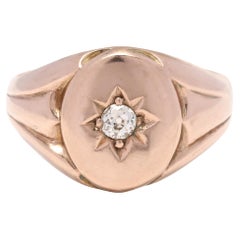
Late 19th Century Unknown Late Victorian Antique Jewelry 1800S
Diamond, Turquoise, 18k Gold, White Gold, Yellow Gold
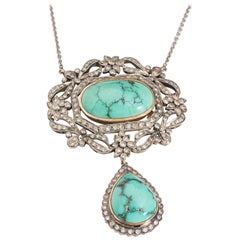
1880s Antique Jewelry 1800S
Spinel, 18k Gold, Yellow Gold
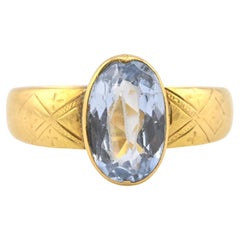
19th Century American Antique Jewelry 1800S
Yellow Gold
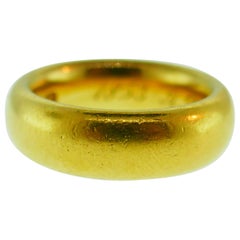
Late 19th Century European Other Antique Jewelry 1800S
Porcelain, Ebony
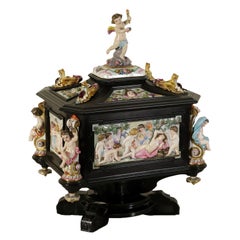
1890s French Baroque Antique Jewelry 1800S
Silver
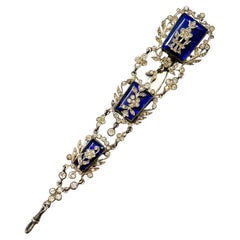
Late 19th Century Russian Victorian Antique Jewelry 1800S
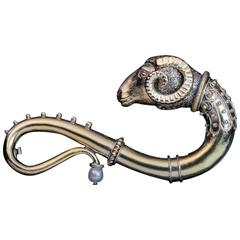
Late 19th Century American Victorian Antique Jewelry 1800S
Pearl, 14k Gold, Yellow Gold
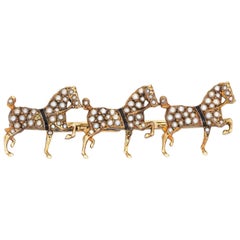
1870s English Victorian Antique Jewelry 1800S
Gold
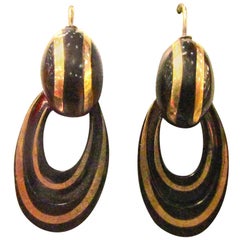
Late 19th Century Victorian Antique Jewelry 1800S
14k Gold
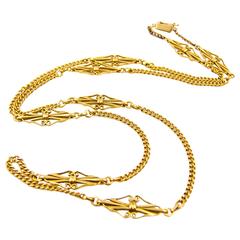
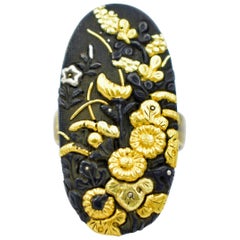
1890s Japanese Empire Antique Jewelry 1800S
Gold, Silver

- 1
Antique Jewelry 1800S For Sale on 1stDibs
How Much are Antique Jewelry 1800S?
- 1stDibs ExpertNovember 2, 2023During the 1800s, necklaces, earrings, brooches and hair accessories were popular jewelry pieces in styles ranging from Georgian with enamel details to Victorian with floral flourishes. The commonly used gemstones of the 19th century included diamonds, emeralds, rubies, sapphires, garnets and amethysts. Gold was the dominant metal for jewelry, but silver became sought-after during the 1880s and 1890s. Explore an assortment of antique jewelry on 1stDibs.
- Were there safes in the 1800s?1 Answer1stDibs ExpertMarch 31, 2023Yes, there were safes in the 1800s. Historical records indicate that by 1820, some companies used safes to protect goods from fire. Following market campaigns in the 1840s, more companies and individuals began to purchase safes as an anti-theft measure. Shop a variety of safes on 1stDibs.
- 1stDibs ExpertMarch 22, 2022In the 1800s, miniatures were small portraits. People commissioned them to give as gifts to their loved ones to carry with them. In this way, miniatures were similar to modern wallet photographs. On 1stDibs, find a range of miniature portraits.
- 1stDibs ExpertApril 5, 2022Yes, pocket watches peaked in popularity in the 1800s. The first pocket watch was created in Germany in 1510, but was originally too large for a pocket. In the 1600s, the design began to get more compact, but for a long time pocket watches were a rarity and a symbol of wealth. Shop an array of antique pocket watches on 1stDibs.
- 1stDibs ExpertJune 30, 2023In the 1800s, nightstands were often called commodes. Prior to the advent of indoor plumbing, early nightstands contained a porcelain chamber pot in a cabinet that provided a convenient and private alternative to visiting the outhouse. Today, antique, new and vintage nightstands, which are pieces of bedroom furniture that are often called bedside tables, are typically low-profile tables that are positioned alongside one’s bed or elsewhere in a bedroom. Shop a selection of nightstands on 1stDibs.
- What is 1800s art called?1 Answer1stDibs ExpertNovember 26, 2024What 1800s art is called depends on its age and style, as the century saw multiple movements. Most art historians refer to art that broke from traditional norms, produced in the 1860s and later, as modern art, and everything that preceded it as pre-modern art. Some of the art styles that were popular during the 19th century include Impressionism, Realism, Romanticism, Neoclassicism, Expressionism and Fauvism. Shop a wide range of 19th-century art on 1stDibs.
- 1stDibs ExpertNovember 4, 2024To identify 1800s furniture, first check to see if your piece bears any maker's marks. Should you locate any, researching them using trusted online resources can help you determine the maker and age of your furniture. To determine if unmarked pieces date back to the 19th century, look for tool marks and variations in their carvings and ornamentation. Since 19th-century furniture was handmade, you should expect to find these signs of hand craftsmanship. A piece that shows no marks or inconsistencies in details is likely a contemporary machine-made reproduction. Familiarizing yourself with the characteristics of Rococo, Chippendale, Gothic Revival, neoclassical and other 19th-century styles can also be helpful. If you struggle to make an identification, consider consulting a certified appraiser or knowledgeable antique dealer. On 1stDibs, find a range of 19th-century furniture.
- 1stDibs ExpertFebruary 13, 2023In the 1800s, safes were usually made of metal like tin plating or sheet iron. Fireproofing the safes proved difficult, and during the 1820s, specific mixtures of materials such as mica, potash lye and alum were used to line a safe’s interior in order to prevent its contents from succumbing to fire damage. Shop a collection of safes on 1stDibs.
- 1stDibs ExpertDecember 4, 2023What wedding rings looked like in the 1800s was similar to other Victorian jewelry. The Victorian era spanned from 1837 to 1901, coinciding with the reign of Queen Victoria in the United Kingdom. At the beginning of this period, rings were made of gold and affordable only to the wealthy. Designs for Victorian-era rings often featured repoussé work and chasing, in which patterns are hammered into the metal. Some featured stones secured by collets, settings similar to bezels, with prongs and a closed back. On 1stDibs, find a selection of Victorian wedding rings.
- 1stDibs ExpertNovember 4, 2024To identify antique jewelry, first try to locate any maker's markings. These may be found in a variety of inconspicuous locations, such as the insides of rings, the clasps of bracelets and chains and the backs of clip-on earrings, pendants and brooches. You can find trustworthy online reference guides that make searching for makers using their hallmarks easy. Once you have determined who produced your jewelry, learn about the creator and estimate approximately when they made your item. If your jewelry is at least 100 years old, it is antique. Alternatively, a certified appraiser or knowledgeable antique dealer can assist in dating your jewelry. Find a wide range of antique jewelry on 1stDibs.
- What is antique paste jewelry?1 Answer1stDibs ExpertOctober 12, 2021Paste jewelry is made out of a special type of flint glass that emulates several gemstones. Paste is a hand-cut glass that is polished with metal powder until it gleams like a gem. Paste jewelry was popular as a cheaper alternative to diamonds during the Georgian, Victorian, and Edwardian eras, as well as the Art Deco period. On 1stDibs, find a variety of antique and vintage paste jewelry.
- 1stDibs ExpertApril 26, 2024To tell if jewelry is antique, look for its hallmarks. You will usually find them in inconspicuous areas, such as on clasps, the backs of pendants or the insides of bracelets and rings. Once you have located the hallmarks, use trusted online resources to identify the maker and find out when they were active. Pieces produced more than 100 years ago are antique. If you need assistance dating a particular piece, enlist the services of a certified appraiser or knowledgeable antiques dealer. Find a large collection of antique jewelry on 1stDibs.
- 1stDibs ExpertApril 5, 2022In the 1700s, popular jewelry types included bracelets, brooches, belt buckles, earrings, rings and necklaces. Additionally, women frequently wore hair jewelry, such as tiaras, hairpins and combs encrusted with precious gemstones. You can find a selection of antique jewelry on 1stDibs.
- 1stDibs ExpertMay 5, 2023In the 1910s, Art Nouveau jewelry was popular. Trends of the time included long necklaces often decorated with tassels and platinum beads. Among gemstones, diamonds and sapphires were in high demand. Find a selection of antique jewelry on 1stDibs.
- What era is 1920s jewelry?1 Answer1stDibs ExpertDecember 4, 2023What era 1920s jewelry is depends on its design. Most people associate this decade with the Art Deco movement, which took inspiration from eclectic sources like Cubism, ancient Egypt and Native American, African and Asian motifs. However, some pieces produced during the 1920s are more in line with the style trends of earlier periods, such as Art Nouveau, Edwardian and Victorian. Explore a diverse assortment of 1920s jewelry on 1stDibs.
- 1stDibs ExpertDecember 4, 2023To tell if antique jewelry is real, first look for hallmarks that may signify the maker. You can then use trusted online resources to find out what to look for to verify authenticity. If the jewelry doesn't have hallmarks, you may wish to consult a certified appraiser or licensed dealer. An expert can evaluate your jewelry, tell you whether it is a genuine antique and provide information about its materials and approximate value. Explore a large selection of antique jewelry on 1stDibs.
- 1stDibs ExpertNovember 6, 2023Jewelry is considered antique once it is 100 years old. Pieces that are 20 to 99 years old are vintage. Contemporary is the term used to describe jewelry that is less than 20 years old. Explore a large selection of antique, vintage and contemporary jewelry from some of the world's top dealers on 1stDibs.
- 1stDibs ExpertApril 5, 2022In antique jewelry, the term “paste” means glass finished in a way that allows it to resemble natural gemstones. To produce paste, artisans polish it for long periods of time with metal powder. On 1stDibs, find a selection of antique paste jewelry.
- Is antique jewelry worth money?1 Answer1stDibs ExpertSeptember 9, 2024Yes, some antique jewelry is worth money. Precious metals and gemstones like platinum, gold, silver, diamonds and emeralds have value on their own. Even costume jewelry made of less expensive materials may prove valuable due to its style or maker. Because the condition also impacts the potential value of antique pieces, you may wish to have your jewelry evaluated by a certified appraiser or knowledgeable antique dealer. On 1stDibs, find a wide range of antique jewelry.
- 1stDibs ExpertMay 5, 2023To know if your antique jewelry is valuable, you can consult trusted online resources to see what similar pieces have sold for in the past. It is important to note that the condition of your specific piece will have a major effect on how much it is worth. Jewelry of a certain historical period will be worth more to collectors than accessories from other less noteworthy eras, and whether or not a given accessory is set with a precious gemstone may affect its value as well. You may wish to have the jewelry evaluated by a certified appraiser who can examine the piece and give you a price estimate. Master jewelry designers and luxury houses of the 19th and 20th centuries include Cartier, Tiffany Co., Van Cleef Arpels, BVLGARI and others. Shop a collection of jewelry from some of the world’s top sellers on 1stDibs.