Antique Kirman Rug
Late 19th Century Persian Kirman Antique Kirman Rug
Wool
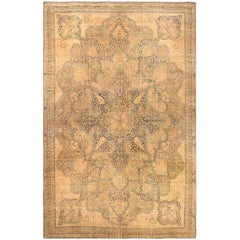
1920s Persian Kirman Antique Kirman Rug
Wool
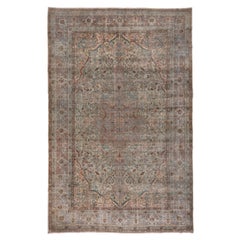
17th Century Persian Kirman Antique Kirman Rug
Wool
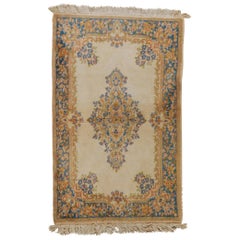
17th Century Persian Kirman Antique Kirman Rug
Wool
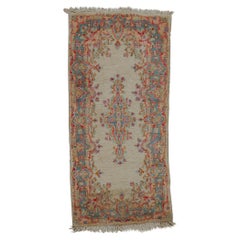
Late 19th Century Asian Kirman Antique Kirman Rug
Wool, Silk
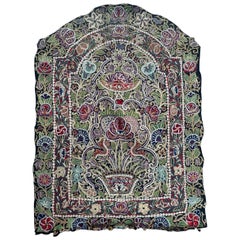
Late 19th Century Asian Kirman Antique Kirman Rug
Wool, Silk
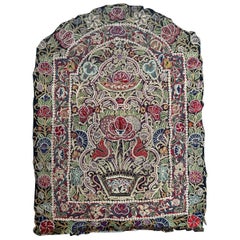
19th Century Antique Kirman Rug
Wool

Early 20th Century Antique Kirman Rug
Wool

19th Century Persian Antique Kirman Rug
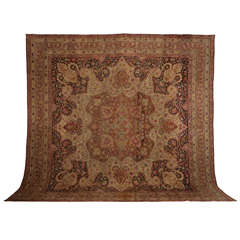

1880s Persian Kirman Antique Kirman Rug
Wool

Early 20th Century Persian Kirman Antique Kirman Rug
Wool

Mid-19th Century Persian Antique Kirman Rug
Wool

Early 20th Century Persian Kirman Antique Kirman Rug
Wool
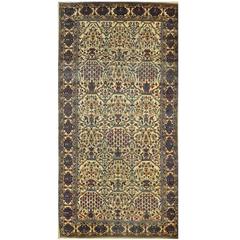
Early 20th Century Persian Kirman Antique Kirman Rug
Wool
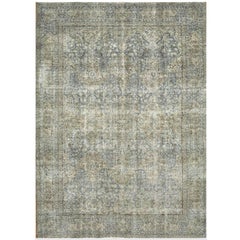
Early 20th Century Persian Kirman Antique Kirman Rug
Wool
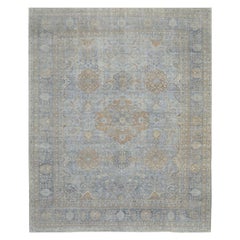
Late 19th Century Persian Kirman Antique Kirman Rug
Wool

1920s Persian Kirman Antique Kirman Rug
Wool, Cotton

Late 19th Century Persian Kirman Antique Kirman Rug
Wool
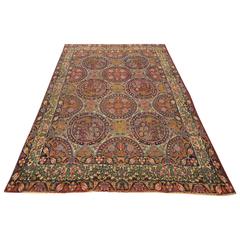
- 1
- ...
Antique Kirman Rug For Sale on 1stDibs
How Much is a Antique Kirman Rug?
A Close Look at Kirman Furniture
Antique and vintage Kirman rugs and carpets are named for the southern Iranian city that has been a renowned major center of high-quality carpet production since the 16th century. These furnishings are considered works of art and are celebrated for their fine craftsmanship, sumptuous colors and durability.
This type of Persian carpet is sometimes spelled Kerman, like its place of origin, the capital of the Western Asian country’s Kerman Province. Iran encompasses different cultures, languages and dialects, and its exquisite rugs reflect this diversity.
The different types of Persian carpets are named for the towns, villages and regions where they’re made. Kirman rugs, carpets, wall hangings and other textiles have long been popular with international audiences, including in the early 20th century when they were marketed as Kermanshah carpets. Compared to other Persian rugs, Kirman examples are known for being vividly colored with natural dyes and characterized by a diverse variety of patterns, ranging from arabesques embedded with floral touches and details like deer and lions to overlapping cartouches in a broad palette of rich hues.
Others feature an ornate central medallion, vase shapes, rows of shrubs or a flourishing tree of life created through an asymmetrical knotting technique so that the wool pile on cotton is “double warped.” Some of the more elaborate carpets commissioned from the Kirman workshops in the 18th and 19th centuries included large-scale naturalistic scenes based on European paintings or Gobelin tapestries.
The major workshops of Kerman informed weaving in nearby rural areas such as those created by the Afshar tribe. The international popularity of Kirman carpets, meanwhile, inspired designers across the globe, such as William Morris in England. A leading designer of the Arts and Crafts movement, Morris revived historical techniques such as printed fabrics in the furnishings he created. He owned Kirman carpets and used them as a source for his work.
Both vintage and contemporary rugs influenced by Kirman designs remain in demand for their lavish palette and distinctive patterns. In 2013, a 17th-century Kirman carpet was sold at a Sotheby’s auction for an astounding $33.8 million.
Find a range of antique Kirman rugs and carpets, wall decorations and other furniture on 1stDibs.
Finding the Right Persian-rugs for You
Make a bold statement in a living room or bedroom by incorporating vintage Persian rugs in your home decor.
A Persian carpet lends an aura of prestige to any room, even today. The fascination with Persian rugs dates at least as far back as the 4th century B.C., when historian Xenophon referred to the “soft rugs on which the Persians sit.” For centuries, Iran (modern-day Persia) has been known for the craftsmanship, intricate patterns and artistry of its carpets, which have found their way into households and museums around the world.
Although they have many imitators, real Persian rugs are made only in Iran and are easily recognized by their vibrant colors and elegant patterns.
Traditional, or antique, Persian rugs are what most people identify as “authentic.” Hand-made, they are very durable and, if properly cared for, can be passed down from generation to generation. Modern Persians, on the other hand, are often machine-made. Today’s carpets, Iranian or otherwise, can’t possibly match the level of craftsmanship that prevailed centuries ago, so historical Persian carpets will always be admired and highly valued.
Although the machine-aided production process is much faster and cheaper, the resulting rugs typically do not have the same quality or lifespan as handwoven ones, so traditional options are considered better investments.
To distinguish between the two, look for imperfections. Because traditional Persian rugs are handwoven, you will likely see small flaws on the front and back. With a machine-made imitation, on the other hand, you will probably not find stitching glitches, and the back will have a mesh or plastic covering.
Antique rugs are handmade from the finest materials, including wool, silk or cotton — never synthetic fibers. The fibers used in antique rugs are colored using natural dyes derived from insects and plants and woven into bold designs that reflect Iran’s culture and history. Since Persian tribes traditionally raised and herded sheep, wool was the most common material. The fiber has many advantages: It is fire-resistant and dries much more quickly than cotton. Also, because of its natural elasticity, it is more durable than cotton or silk. Regarded as works of art, Persian rugs can take months or years to complete.
The different types of Persian rugs are named for the cities, villages and regions where they’re made. Kashan rugs, for example, woven in the north-central Iranian city of Kashan, are considered among the finest city rugs, distinguished by curvilinear motifs like palmettos, leaves and arabesques. Nains have high knot counts, an indication of high quality, and generally employ pink, blue and ivory hues, while Tabriz rugs — created by weavers in the northwestern Iranian city of Tabrīz (or Tabriz) — mostly have floral and garden patterns.
When shopping for vintage Persian rugs, you'll want to consider color, size and more — for a history of these rugs and tips on how to style yours, visit our guide to these woven creations today.
Find Tabriz rugs, handmade silk Persian rugs, Persian tribal rugs and other antique and vintage rugs from the world's best furniture dealers on 1stDibs.
- What is a semi antique rug?1 Answer
 NazmiyalMarch 23, 2021Usually these are rugs that are younger than 80 years old but not new (so things that are between 70 - 30 years old roughly)
 - 1stDibs ExpertApril 5, 2022Determining the age of a rug often depends on the style of rug because different styles have evolved at their own rates and with their own characteristics. One thing you can look for is a date; some rugs weave the year into the border. Another thing to make note of is the color of the rug. Bright dyes and synthetic fibers weren’t available until the 1920s for rugs, so authentic antique rugs will have muted tones. Shop a collection of vetted antique rugs from some of the world’s top sellers on 1stDibs.
- 1stDibs ExpertApril 5, 2022Opinions on how old a rug has to be to be considered antique vary. However, most experts will apply the label to any rug produced more than 100 years ago, and call floor coverings produced 50 to 100 years ago vintage. Shop a variety of antique rugs on 1stDibs.
- 1stDibs ExpertApril 5, 2022There are a few red flags you should look for in determining if you have an antique Persian rug. Firstly, check the fringe. Fringes on a Persian rug form from the end of warp yarns, and won’t be sewn on the back. Also check the colors. They should be crisp, with no bleeding of the dyes. Shop a collection of authentic Persian rugs from some of the world’s top sellers on 1stDibs.
- NazmiyalMarch 23, 2021The most expensive antique Persian rug ever sold in auction (so far) is $34,000,000. But the vast majority will cost under $100,000.