Antique Ottoman Furniture
Late 19th Century Turkish Antique Ottoman Furniture
Metallic Thread
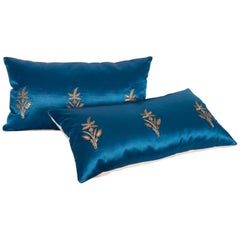
19th Century Turkish Other Antique Ottoman Furniture
Wool
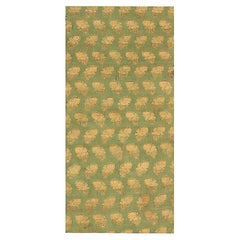
17th Century Antique Ottoman Furniture
Wood
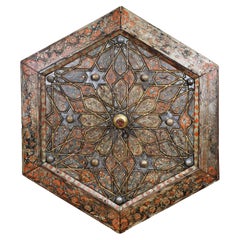
Early 20th Century American Rustic Antique Ottoman Furniture
Horn, Cowhide, Leather
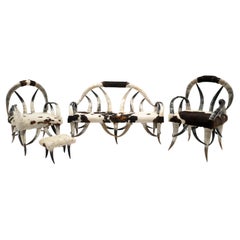
Late 19th Century Turkish Suzani Antique Ottoman Furniture
Silk
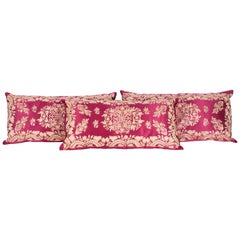
Mid-19th Century Turkish Tribal Antique Ottoman Furniture
Copper
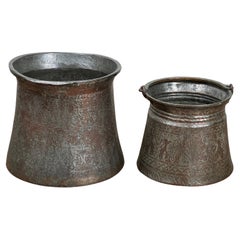
1820s French Antique Ottoman Furniture
Walnut
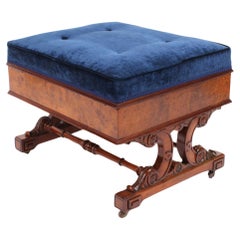
1870s French Antique Ottoman Furniture
Bronze
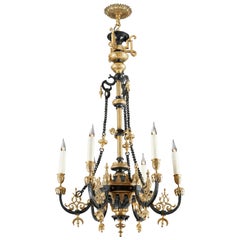

16th Century Turkish Empire Antique Ottoman Furniture
Silver, Metal
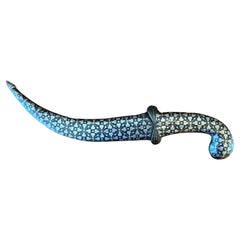
Early 19th Century Turkish Antique Ottoman Furniture
Gold
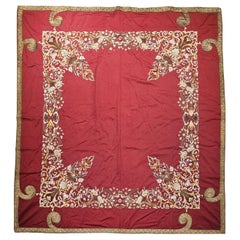
Early 20th Century Turkish Antique Ottoman Furniture
Metallic Thread
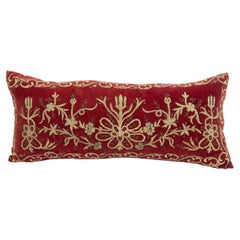
Early 20th Century Turkish Antique Ottoman Furniture
Metallic Thread
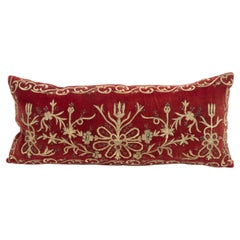
Early 20th Century Turkish Antique Ottoman Furniture
Metallic Thread
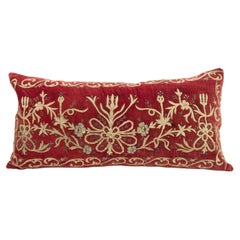
Early 20th Century Turkish Antique Ottoman Furniture
Metallic Thread
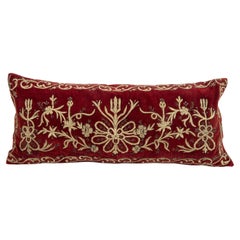
Late 19th Century Turkish Antique Ottoman Furniture
Wool
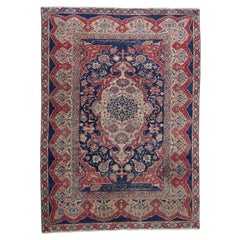
Late 19th Century Turkish Antique Ottoman Furniture
Metallic Thread
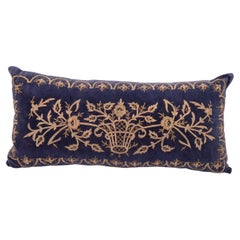
Late 18th Century Turkish Islamic Antique Ottoman Furniture
Silk
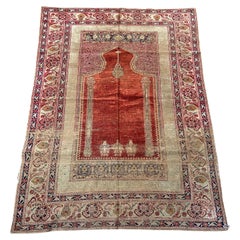
19th Century Turkish Primitive Antique Ottoman Furniture
Brass, Copper, Wrought Iron
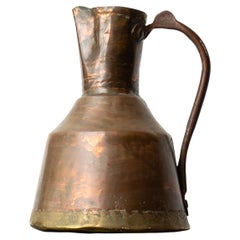
Late 19th Century American Antique Ottoman Furniture
Canvas
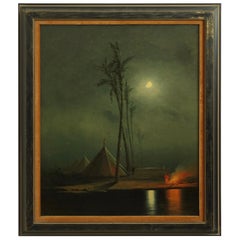
1870s Austrian Islamic Antique Ottoman Furniture
Glass
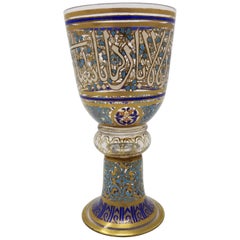
Late 18th Century French Antique Ottoman Furniture
Paper

18th Century Unknown Antique Ottoman Furniture
Paint

Early 20th Century Turkish Moorish Antique Ottoman Furniture
Copper, Tin
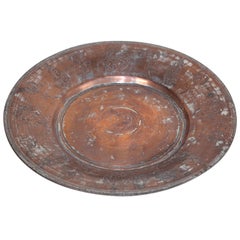
Early 20th Century Turkish Islamic Antique Ottoman Furniture
Copper
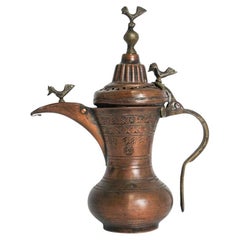
1920s Austrian Art Deco Antique Ottoman Furniture
Fabric, Cherry
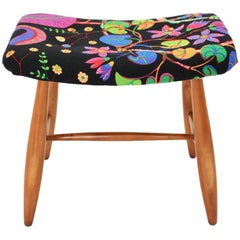
Late 19th Century Turkish Oushak Antique Ottoman Furniture
Wool
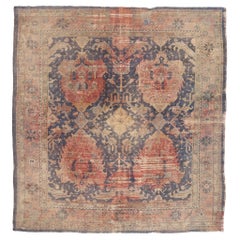
Mid-19th Century Turkish Islamic Antique Ottoman Furniture
Terracotta

Mid-19th Century Asian Victorian Antique Ottoman Furniture
Copper
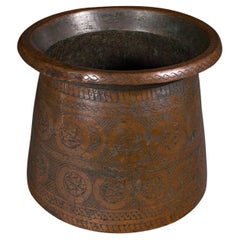
Late 17th Century Antique Ottoman Furniture
Paper

Early 20th Century Turkish Louis XVI Antique Ottoman Furniture
Silk
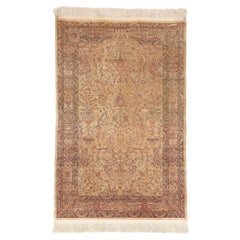
19th Century English Jacobean Antique Ottoman Furniture
Oak
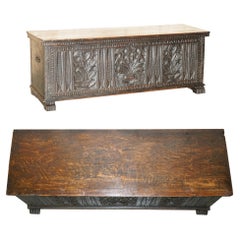
1910s Antique Ottoman Furniture
Hardwood, Paper
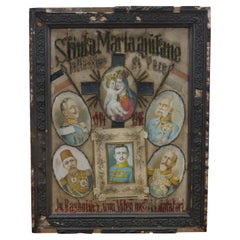
Late 19th Century Turkish Antique Ottoman Furniture
Metallic Thread
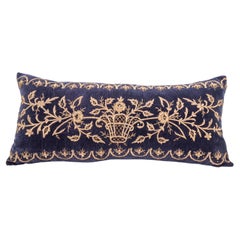
16th Century European Antique Ottoman Furniture
Paper

Late 19th Century Turkish Antique Ottoman Furniture
Metallic Thread
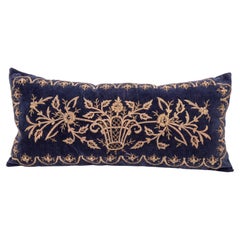
Late 19th Century Turkish Antique Ottoman Furniture
Metallic Thread
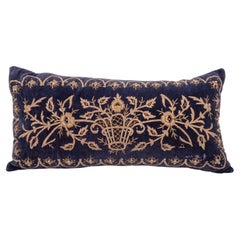
Early 20th Century Turkish Antique Ottoman Furniture
Wool
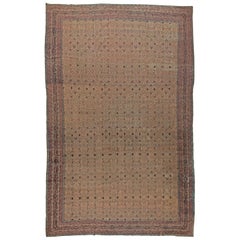
18th Century Asian Islamic Antique Ottoman Furniture
Brass
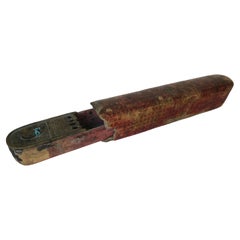
1680s American Antique Ottoman Furniture
Leather
![Antique RICAUT [Rycaut]. History of the Present State of the Ottoman Empire. 5TH ED 1682](https://a.1stdibscdn.com/ricaut-rycaut-history-of-the-present-state-of-the-ottoman-empire-5th-ed-1682-for-sale/1121189/f_458744821752593506202/45874482_datamatics.jpg?width=240 "RICAUT [Rycaut]. History of the Present State of the Ottoman Empire. 5TH ED 1682")
18th Century Turkish Antique Ottoman Furniture
Paper
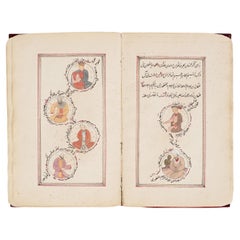
Early 20th Century Anglo-Indian Antique Ottoman Furniture
Silver
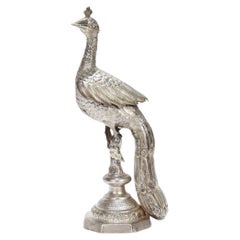
19th Century Czech Islamic Antique Ottoman Furniture
Crystal
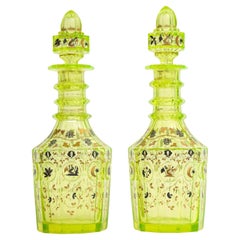
Early 20th Century Turkish Antique Ottoman Furniture
Metallic Thread
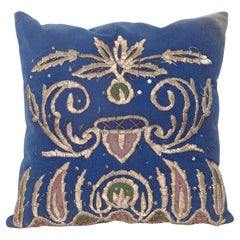
Early 20th Century Asian Moorish Antique Ottoman Furniture
Brass
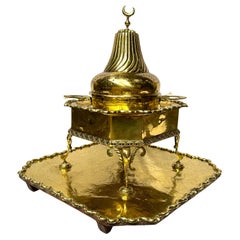
16th Century Chinese Ming Antique Ottoman Furniture
Multi-gemstone, Brass
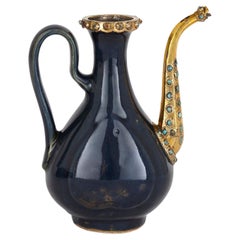
Late 19th Century French Victorian Antique Ottoman Furniture
Upholstery, Oak
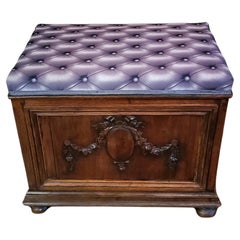
Mid-19th Century English Antique Ottoman Furniture
Paper
Early 20th Century Egyptian Egyptian Antique Ottoman Furniture
Brass
1920s Turkish Oushak Antique Ottoman Furniture
Wool
1690s Italian Antique Ottoman Furniture
Paper
Late 19th Century English Adirondack Antique Ottoman Furniture
Horn
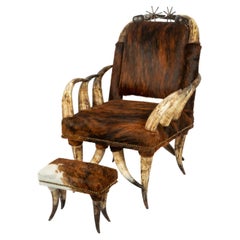
Early 20th Century Turkish Islamic Antique Ottoman Furniture
Metallic Thread
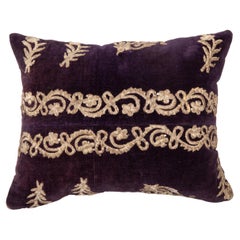
Early 20th Century Macedonian Suzani Antique Ottoman Furniture
Silk
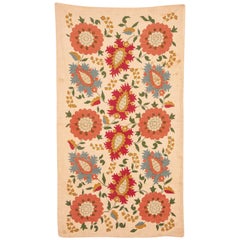
1760s Antique Ottoman Furniture
Paper
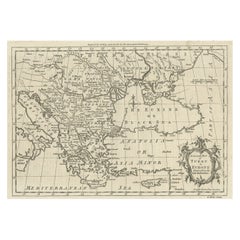
19th Century Victorian Antique Ottoman Furniture
Oak
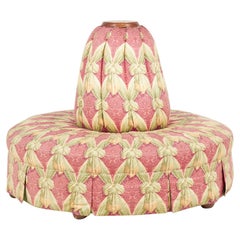
18th Century and Earlier Italian Antique Ottoman Furniture
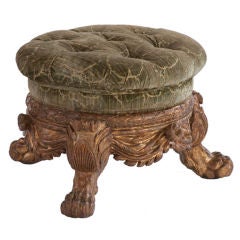
Early 20th Century Antique Ottoman Furniture
Fabric, Wood
- 1
- ...
Antique Ottoman Furniture For Sale on 1stDibs
How Much is a Antique Ottoman Furniture?
- 1stDibs ExpertMay 30, 2024To identify your antique furniture, look for an engraving, tag, label or other marking that indicates who produced it. You may find it on the bottom or back of your furniture or inside a drawer or cabinet. Once you have located the marking, you can snap a photo of it and use a reverse image search to try and identify the maker. Or, you can type a description of the mark into a search engine. Alternatively, you can use the services of a certified appraiser or antiques dealer to get assistance with identification. On 1stDibs, shop a large selection of antique furniture.
- What makes furniture an antique?1 Answer1stDibs ExpertAugust 15, 2019
A piece of furniture is considered an antique if it is at least 100 years old.
- Is antique furniture in style?1 Answer1stDibs ExpertApril 22, 2024Yes, antique furniture is in style. Many people appreciate the beauty and handcrafted character of antique furniture and love the idea of owning pieces with a rich history. Remember that style preferences are nothing if not fluid, meaning what's in one year may not be the next. So, in choosing the furniture you're planning to live with, you should pay less attention to interior design fads than to what speaks to you. That way, you can select pieces that will add long-term character to your home. On 1stDibs, find a large collection of antique furniture.
- 1stDibs ExpertMay 14, 2024Many antique furniture brands are popular. While trends in collecting do vary over time, some makers consistently remain highly sought after. Among them are J. J.W. Meeks, John Henry Belter, R. J. Horner and Co., Stickley Furniture, George Hepplewhite, Josef Dannhauser, Thomas Chippendale and Thomas Sheridan. On 1stDibs, shop a variety of antique furniture.
- 1stDibs ExpertApril 5, 2024To know if your furniture is antique, look for labels and markings that indicate the maker. From there, you can use trusted online resources to determine when they were active and examine images to try to estimate the age of your piece. Furniture produced 100 years ago or more is antique. You can also have your furniture assessed by an appraiser or antiques dealer to learn about its age. On 1stDibs, explore a large collection of antique furniture.
- 1stDibs ExpertFebruary 22, 2021There are a number of factors that can indicate if your antique furniture is valuable. When determining the value of antique furniture, consider its rarity. Additionally, it is important to determine the quality and condition of vintage furniture. If unsure of the value of your vintage furniture, have it appraised.
- 1stDibs ExpertFebruary 22, 2021Antique furniture can be worth quite a lot, particularly if it is in good quality. The rarer the piece, the higher the value.
- 1stDibs ExpertFebruary 13, 2024Whether antique furniture is making a comeback is a matter of opinion. Many people would argue that antique furniture never faded from fashion, as there have always been individuals who love the idea of owning pieces that have history. Some of the most popular styles for antique furniture include Art Deco, Arts and Crafts, Renaissance Revival, Elizabethan, Gothic Revival, Victorian and Chippendale. Find a large collection of antique furniture from some of the world's top dealers on 1stDibs.
- 1stDibs ExpertFebruary 1, 2024To date antique furniture from the UK, first look for identifying markings on the piece. You can then use trusted online resources to determine when the maker was active. From there, you may be able to estimate the year of production by looking at images of other furniture the maker produced. An expert appraiser or antiques dealer can also aid you in the dating process. Find a large selection of antique furniture on 1stDibs.
- 1stDibs ExpertNovember 4, 2024To identify antique Chinese furniture, look carefully at its details. Chinese craftsmen often built furniture using mortise and tenon joinery, eliminating the need for nails and screws. If you see this type of hardware, your piece is likely not at least 100 years old, especially if the hardware still looks new and shiny. Since antique furniture was handmade, you will normally see slight imperfections, such as tool marks or slight variations in carvings. Pieces that appear completely uniform and pristine are less often genuine antiques.
When present, maker's marks can also be helpful. Research the marks to learn more about when the maker was active and producing pieces like yours. Alternatively, you can have a certified appraiser or experienced antique dealer evaluate your furniture for you.
Shop an assortment of antique Chinese furniture. - 1stDibs ExpertOctober 5, 2021The best finish for antique furniture is a matter of liking. But film finish is recommended by experts as it leaves a thick coat of film on the wood surface which protects wood from water and scratches. Shellac or varnish and water base are commonly used film finishes. Find an exquisite collection of antique, new and vintage furniture on 1stDibs
 PAGODA REDOctober 7, 2020
To determine the age of a Chinese furniture piece, look carefully at the joinery and finish. Natural expansion and contraction of the wood over time will cause a joint to protrude or retract, distorting a once-seamless fit. Antique lacquer finishes become crackled and worn over time. Areas of exposed wood, such as the underside of a table, the footrest of a chair, or the back of a cabinet should appear raw and dry compared to the finished surface. With use, the legs of tables and chairs become weathered near the bottom from precipitation and use.
- 1stDibs ExpertAugust 29, 2024To tell how old your antique furniture is, research the maker using trusted online resources. You may find that the furniture maker was active for only a short period, giving you the ability to roughly estimate its age. For manufacturers and designers with a long history of production, consider the style of your furniture and look for images of similar pieces published online. Because it may be difficult to date furniture on your own, consider consulting a certified appraiser or knowledgeable antique dealer. On 1stDibs, explore a variety of antique furniture.
- 1stDibs ExpertAugust 20, 2024To tell what your antique furniture is worth, look at sales histories on trusted online platforms and read valuation guides posted on trusted online resources. The maker, type, style, age and condition of your furniture will impact its value. Researching furniture produced by the same maker is a good starting point. A certified appraiser or knowledgeable antique dealer can also aid you in the valuation process. Find a large collection of antique furniture on 1stDibs.
- 1stDibs ExpertNovember 13, 2024How old furniture that is called antique can be is typically at least 100 years. People usually call furniture between 20 and 99 years old vintage. Contemporary is the word for furniture manufactured within the last 20 years. On 1stDibs, shop a large selection of antique, vintage and contemporary furniture from some of the world's top sellers.
- 1stDibs ExpertOctober 24, 2024To tell antique furniture from reproduction, first check for a maker's mark. By researching the maker associated with the marking using trusted online resources, you can determine when they were active. If the company was in business 100 years ago or more, your piece may be an antique, but if the company's history began more recently, your piece is likely a reproduction. If you can't locate a marking, study the details of the furniture up close. Genuine antiques will often show tool marks and slight variations in carved details because they were typically handcrafted. Most contemporary furniture is machine-made, so you won't usually see these types of characteristics. When in doubt, have a certified appraiser or knowledgeable antique dealer evaluate your furniture. On 1stDibs, find a wide variety of antique furniture.
- 1stDibs ExpertOctober 24, 2024To tell who made your antique furniture, seek out a maker's marking. Locations of these marks vary, but they are generally in an inconspicuous location. For example, a dresser may have the mark inside a drawer or on the back, while a hallmark on a table is often on a leg or under the tabletop. Once you locate a mark, you can use trusted online resources to identify the maker and learn more about them. If you can't find a marking on your piece, a certified appraiser or knowledgeable antique dealer can assist you with the identification process. Explore a large selection of antique furniture on 1stDibs.
- 1stDibs ExpertMay 14, 2024To be considered antique, furniture must usually be at least 100 years old. Contemporary is the name for furniture produced within the last 20 years. Vintage furniture is at least 20 years old. On 1stDibs, shop a diverse assortment of antique, vintage and contemporary furniture from some of the world's top sellers.
- 1stDibs ExpertAugust 26, 2024To tell the difference between antique and reproduction furniture, first look at hidden areas, such as the backs or insides of the drawers. On reproduction furniture, you may find plywood or engineered wood in these areas, while antique furniture will usually have solid hardwood on drawer interiors and backs. Also, slight irregularities and marks indicating that the furniture was built with hand tools rather than machines usually suggest that the piece is antique. Because it can be difficult to differentiate reproductions from genuine antiques without expertise and training, you may wish to consult a certified appraiser or knowledgeable antique dealer about the age of your piece. Find a diverse assortment of antique furniture on 1stDibs.
- 1stDibs ExpertJanuary 25, 2019
The difference between vintage and antique furniture is that vintage furniture is at least 20 years old, while antiques must be at least 100 years old to be considered antique.