Antique Platinum Settings
1910s Unknown Antique Platinum Settings
Diamond, 18k Gold, Yellow Gold, Platinum
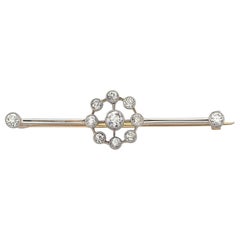

1750s Georgian Antique Platinum Settings
Diamond, Gold, 15k Gold, Yellow Gold, Sterling Silver
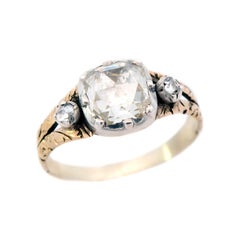
1920s Unknown Antique Platinum Settings
Diamond, Pearl, Yellow Gold, Platinum
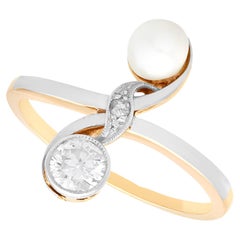
1920s Unknown Art Deco Antique Platinum Settings
Diamond, Pearl, White Gold
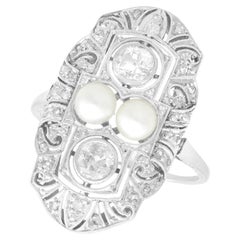
1920s Art Deco Antique Platinum Settings
Diamond, White Diamond, Gold, Rose Gold, Platinum
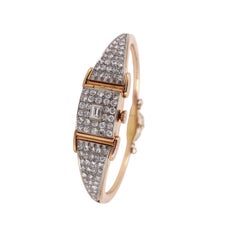
1920s Unknown Antique Platinum Settings
Diamond, Sapphire, White Gold, Platinum
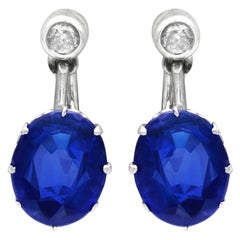
1750s American Georgian Antique Platinum Settings
Diamond, 15k Gold, Sterling Silver
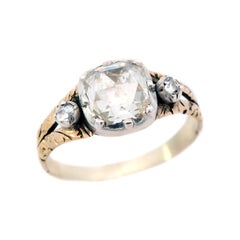
1910s Edwardian Antique Platinum Settings
Diamond, 14k Gold, Platinum, Enamel

Early 20th Century European Late Victorian Antique Platinum Settings
Diamond, Imperial Topaz, 18k Gold, Platinum
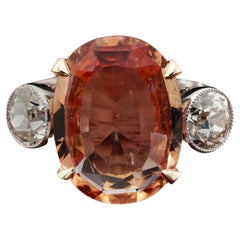
1910s British Edwardian Antique Platinum Settings
Diamond, Sapphire, 15k Gold
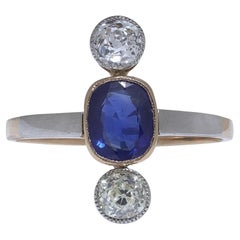
1920s Unknown Antique Platinum Settings
Diamond, Yellow Gold, Platinum
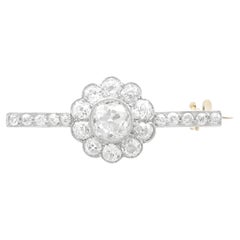
1920s French Antique Platinum Settings
Diamond, Gold, Platinum, White Gold, 18k Gold
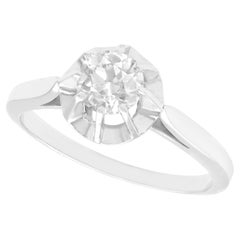
Early 20th Century Unknown Art Deco Antique Platinum Settings
Diamond, Platinum
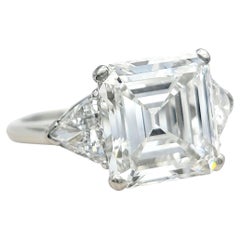
1920s French Antique Platinum Settings
Diamond, White Gold, Platinum
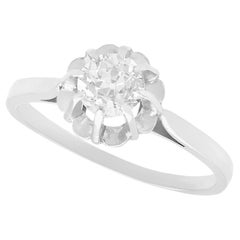
Early 20th Century British Antique Platinum Settings
White Diamond, Ruby, Platinum
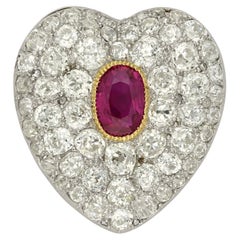
1910s Unknown Antique Platinum Settings
Diamond, Yellow Gold, Platinum
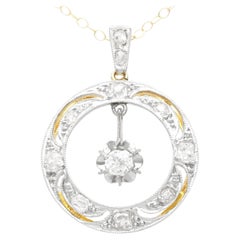
1910s Unknown Antique Platinum Settings
Blue Sapphire, Sapphire, Diamond, 18k Gold, Platinum, Yellow Gold
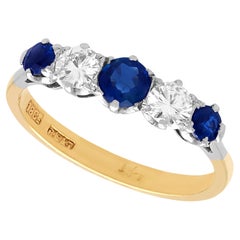
1910s Unknown Edwardian Antique Platinum Settings
Diamond, Pearl, Yellow Gold, Platinum
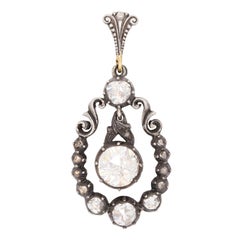
Early 1700s Georgian Antique Platinum Settings
Diamond, Gold, 14k Gold, Sterling Silver
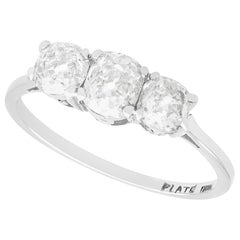
1920s Antique Platinum Settings
Diamond, White Gold, Platinum
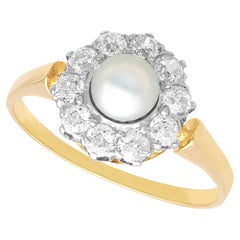
1910s Antique Platinum Settings
Diamond, White Diamond, Natural Pearl, Gold, 18k Gold, Rose Gold, Yellow...
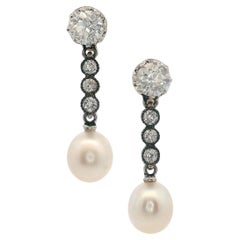
1880s Antique Platinum Settings
Diamond, Yellow Gold, Platinum, Enamel
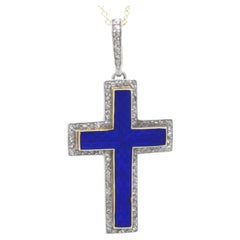
1910s Unknown Art Deco Antique Platinum Settings
Diamond, Pearl, Ruby, Yellow Gold, Platinum
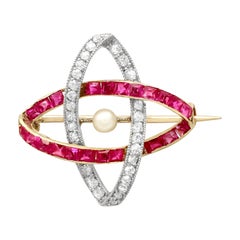
1920s Unknown Antique Platinum Settings
Pearl, Cultured Pearl, Diamond, 18k Gold, Platinum, Yellow Gold
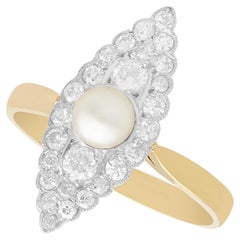
1910s Unknown Edwardian Antique Platinum Settings
Diamond, Emerald, Gold, Yellow Gold, Platinum
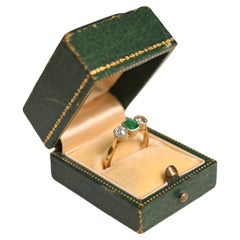
Early 1900s Unknown Antique Platinum Settings
Pink Sapphire, Blue Sapphire, Platinum, Yellow Gold
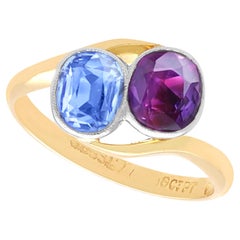
1920s Unknown Antique Platinum Settings
Diamond, Garnet, Pearl, Ruby, Gold, 9k Gold, Platinum
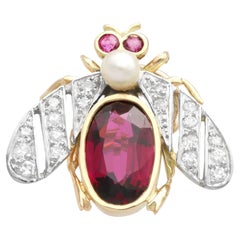
1910s Edwardian Antique Platinum Settings
Diamond, 14k Gold, Yellow Gold, Platinum
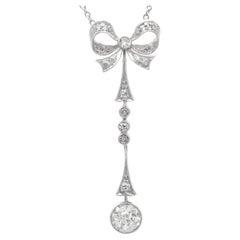
Early 1900s Unknown Edwardian Antique Platinum Settings
Diamond, Natural Pearl, Yellow Gold, Platinum
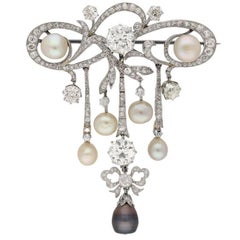
Early 1900s Unknown Antique Platinum Settings
Aquamarine, Diamond, Yellow Gold, Platinum
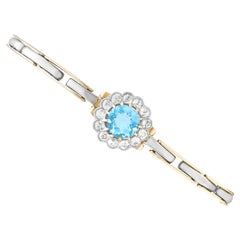
1910s Antique Platinum Settings
Diamond, Sapphire, Yellow Gold, Platinum
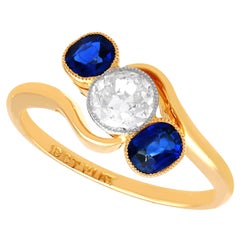
1920s Unknown Antique Platinum Settings
Diamond, Gold, 18k Gold, Yellow Gold, Platinum
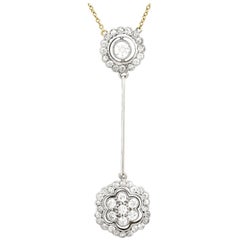
1910s Unknown Antique Platinum Settings
Diamond, Sapphire, 15k Gold, Yellow Gold, Platinum
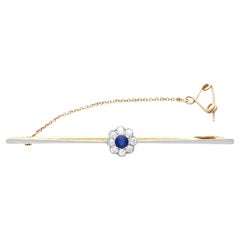
1920s Unknown Antique Platinum Settings
Diamond, 18k Gold, Yellow Gold
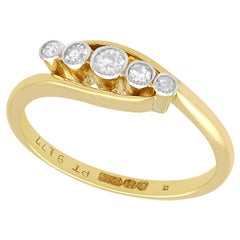
1910s Antique Platinum Settings
Diamond, Yellow Gold, Platinum
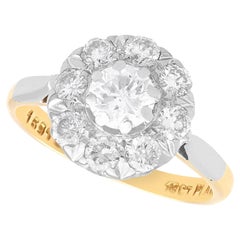
1910s Unknown Antique Platinum Settings
Diamond, Peridot, Gold, 14k Gold, Yellow Gold, Platinum
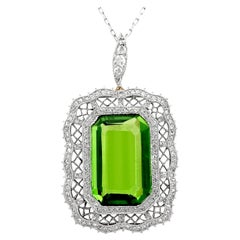
1910s Unknown Edwardian Antique Platinum Settings
Diamond, Ruby, 14k Gold, Yellow Gold, Platinum
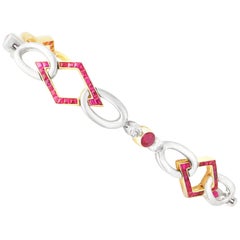
1910s Antique Platinum Settings
Diamond, Ruby, Yellow Gold, Platinum
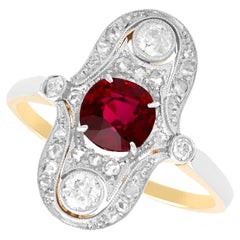
1920s Antique Platinum Settings
Diamond, Jade, White Gold, Platinum

1920s Unknown Antique Platinum Settings
Diamond, White Gold, Platinum
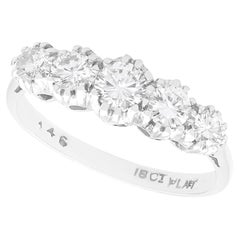
1910s Unknown Antique Platinum Settings
Diamond, 18k Gold, Yellow Gold, Platinum
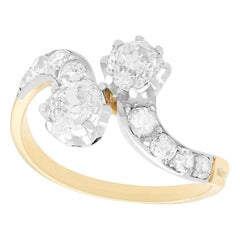
1920s Antique Platinum Settings
Diamond, Yellow Gold, Platinum
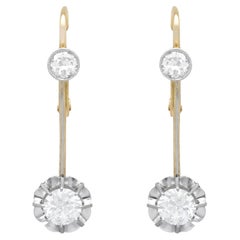
Early 1900s Antique Platinum Settings
Diamond, Yellow Gold, Platinum
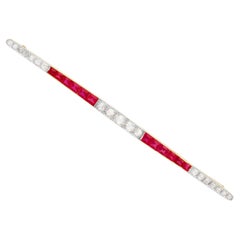
1910s Antique Platinum Settings
Diamond, Ruby, Yellow Gold, Platinum
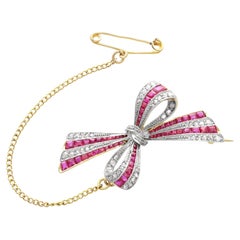
1910s Antique Platinum Settings
Diamond, Yellow Gold, Platinum

1640s Unknown Antique Platinum Settings
Diamond, Platinum, 18k Gold, White Gold
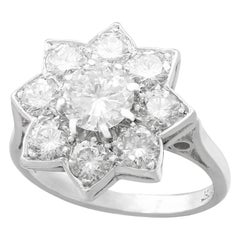
1910s Unknown Antique Platinum Settings
Diamond, Emerald, Yellow Gold, Platinum
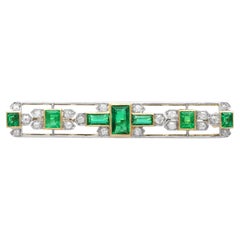
Early 1900s Antique Platinum Settings
Diamond, Yellow Gold, Platinum
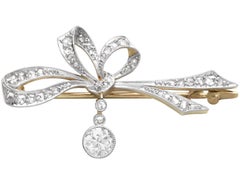
Early 20th Century Australian Antique Platinum Settings
Diamond, Gold, 18k Gold
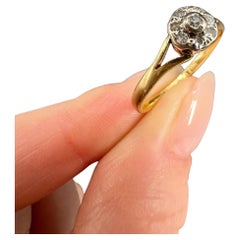
1920s Antique Platinum Settings
Diamond, Opal, Yellow Gold, Platinum
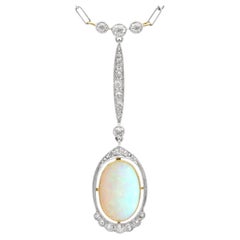
1890s Unknown Antique Platinum Settings
Diamond, Pearl, Ruby, Yellow Gold
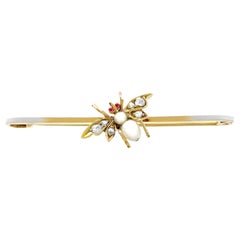
Early 1900s French Art Nouveau Antique Platinum Settings
Diamond, Yellow Gold, Platinum
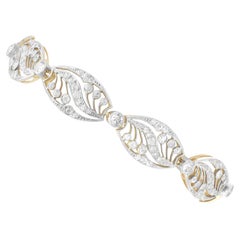
1910s Unknown Antique Platinum Settings
Diamond, Pearl, Peridot, Ruby, 9k Gold, Yellow Gold
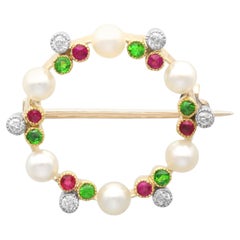
1890s Unknown Antique Platinum Settings
Diamond, Pearl, 15k Gold, Yellow Gold
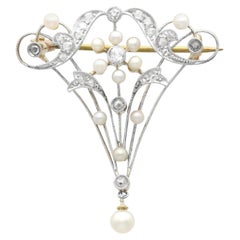
Early 1900s Unknown Antique Platinum Settings
Diamond, Garnet, Pearl, Gold, Yellow Gold, Platinum, Silver
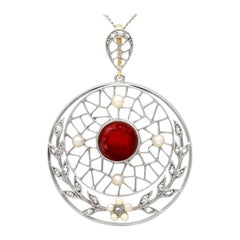
1920s Unknown Antique Platinum Settings
Diamond, 9k Gold, Yellow Gold
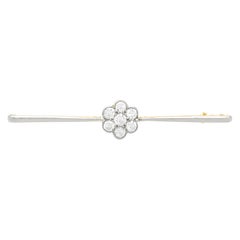
1920s French Antique Platinum Settings
Diamond, Yellow Gold
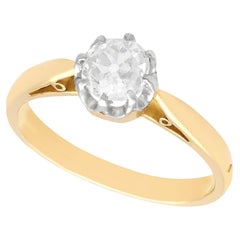
- 1
- ...
Antique Platinum Settings For Sale on 1stDibs
How Much are Antique Platinum Settings?
The Legacy of Diamond in Jewelry Design
Antique diamond rings, diamond tiaras and dazzling vintage diamond earrings are on the wish lists of every lover of fine jewelry. And diamonds and diamond jewelry are primarily associated with storybook engagements and red-carpet grand entrances — indeed, this ultra-cherished gemstone has a dramatic history on its hands.
From “A Diamond Is Forever” to “Diamonds Are a Girl’s Best Friend,” pop culture has ingrained in our minds that diamonds are the most desired, the most lasting and the most valuable gemstone. But what makes the diamond so special? Each stone — whether it’s rubies, sapphires or another stone — is unique and important in its own right. April babies might claim diamonds for themselves, but just about everyone wants this kind of sparkle in their lives!
There are several factors that set diamonds apart from other stones, and these points are important to our gem education.
Diamonds are minerals. They are made up of almost entirely of carbon (carbon comprises 99.95 percent; the remainder consists of various trace elements). Diamonds are the hardest gemstones, ranking number 10 on the Mohs Hardness Scale. Even its name, diamond, is rooted in the Greek adamas, or unconquerable. The only object that can scratch a diamond is another diamond. Diamonds are formed deep within the earth at very high temperatures (1,652–2,372 degrees Fahrenheit at depths between 90 and 120 miles beneath the earth’s surface) and are carried up by volcanic activity. Diamonds are quite rare, according to the Gemological Institute of America, and only 30 percent of all the diamonds mined in the world are gem quality.
In the 1950s, the Gemological Institute of America developed the 4Cs grading system to classify diamonds: clarity, color, cut and carat weight. Not all diamonds are created equal (there are diamonds, and then there are diamonds). The value of the diamond depends on the clarity (flawless diamonds are very rare but a diamond's value decreases if there are many blemishes or inclusions), color (the less color the higher the grade), cut (how the diamond’s facets catch the light, certain cuts of diamonds show off the stone better than others) and carat weight (the bigger, the better).
When you start shopping for a diamond engagement ring, always prioritize the cut, which plays the largest role in the diamond's beauty (taking the time to clean your diamond ring at least every six months or so plays a role in maintaining said beauty). And on 1stDibs, a range of buying guides can be found for those in the market for antique engagement rings, vintage engagement rings or Art Deco engagement rings.
Shop antique and vintage diamond rings, diamond necklaces and other extraordinary diamond jewelry on 1stDibs.
- 1stDibs ExpertNovember 5, 2024To identify an antique tea set, look closely to determine who the manufacturer is. Locate the hallmark on the bottom of a saucer, teapot or cup. A maker’s mark on one of these items is the best indicator of the set’s origin. If you snap a photo with your smartphone or tablet, you can conduct a reverse image search to jump-start your research. Professionals recommend consulting auction catalogs, books and trusted online resources such as museum exhibition materials. With some research, you may be able to match the marking to the manufacturer's name and, from there, identify the pattern and age.
In 17th-century England, Chinese tea began to arrive at ports in London. Mass production of porcelain tea sets took place in the 18th century, and during the early 1800s, tea became widely affordable, and the concept of teatime took shape all over England.
Reputable soft-paste porcelain makers include Sèvres, Capodimonte and Chelsea, while Meissen was the first European maker of hard-paste porcelain. Bone china manufactories of note include Spode, Minton and Derby, which was later called the Royal Crown Derby Porcelain Company.
Generally, a tea set is considered vintage if it’s at least 20 years old, while antiques are at least 100 years old. Although a maker’s mark is generally a helpful indicator of a given manufacturer, forgeries have occurred over the years. Look for other signifiers of a material, time period or style if you are uncertain of your piece’s origin. For help with identification, seek out a certified appraiser or knowledgeable antique dealer.
Find antique tea sets on 1stDibs.