Antique Storage Chest
Early 20th Century Chinese Antique Storage Chest
Brass
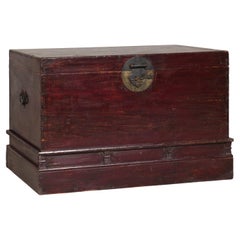
17th Century Spanish Baroque Antique Storage Chest
Metal
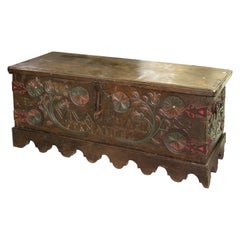
19th Century Chinese Qing Antique Storage Chest
Brass
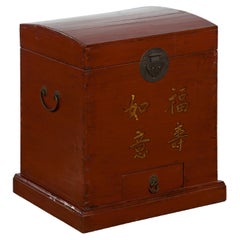
1850s French Rustic Antique Storage Chest
Oak
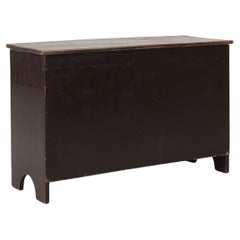
Late 18th Century Antique Storage Chest
Leather
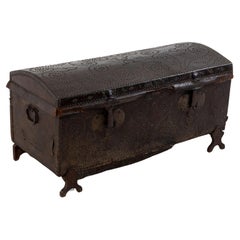
Early 1800s Antique Storage Chest
Oak
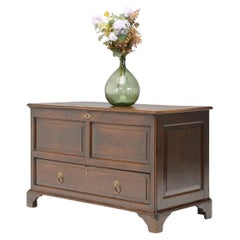

1890s Spanish Renaissance Antique Storage Chest
Iron
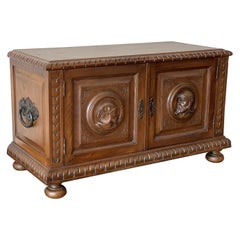
18th Century English Antique Storage Chest
Yew
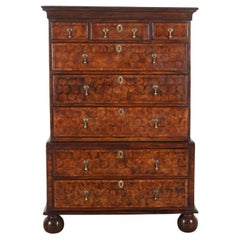
Early 19th Century British Georgian Antique Storage Chest
Mahogany, Oak
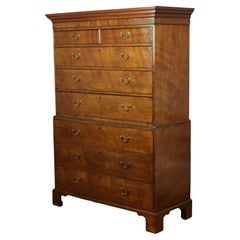
Mid-19th Century Danish Folk Art Antique Storage Chest
Pine
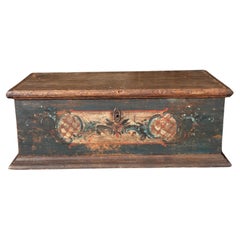
Early 18th Century German Baroque Antique Storage Chest
Iron
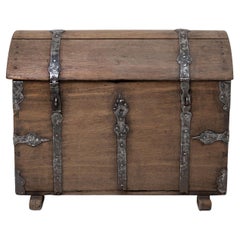
1870s European Antique Storage Chest
Pine
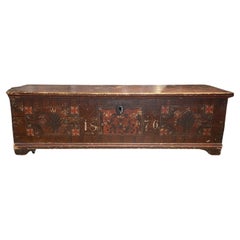
Mid-18th Century Danish Rococo Antique Storage Chest
Brass, Iron
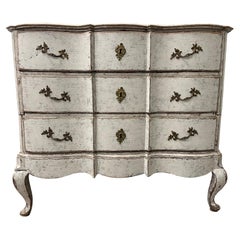
Early 19th Century Swedish Folk Art Antique Storage Chest
Pine
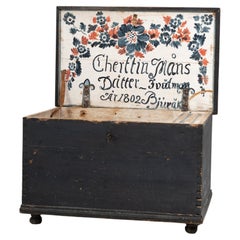
Early 20th Century Indian Late Victorian Antique Storage Chest
Brass
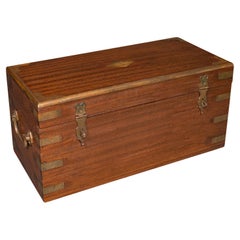
Early 19th Century Swedish Gustavian Antique Storage Chest
Iron
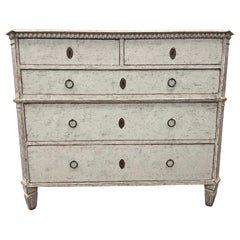
Late 18th Century French Renaissance Antique Storage Chest
Walnut
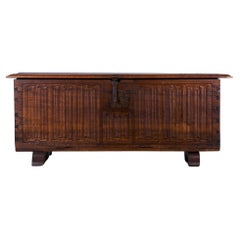
18th Century Italian Antique Storage Chest
Walnut
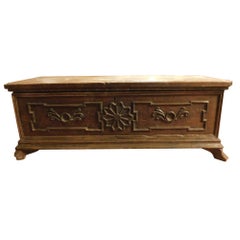
19th Century English Antique Storage Chest
Oak
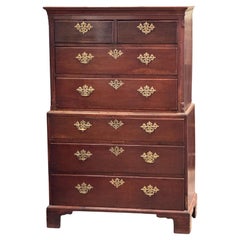
18th Century English George II Antique Storage Chest
Oak, Walnut, Ebony, Satinwood
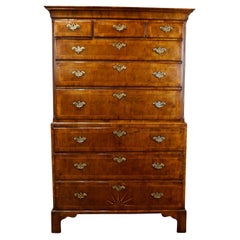
18th Century British Antique Storage Chest
Oak
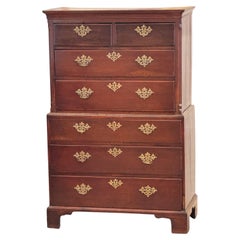
Early 20th Century Chinese Qing Antique Storage Chest
Metal
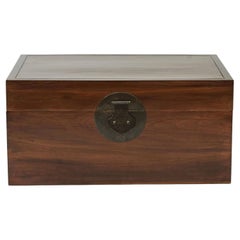
Late 19th Century Dutch Dutch Colonial Antique Storage Chest
Wood
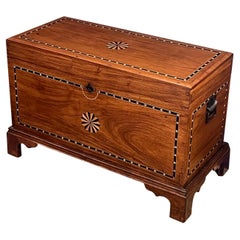
Late 18th Century Balkan Renaissance Antique Storage Chest
Iron
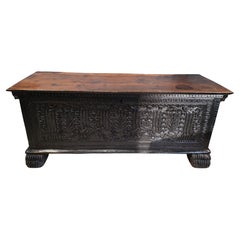
1850s Antique Storage Chest
Oak
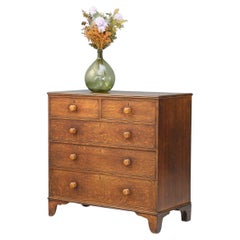
17th Century Spanish Baroque Antique Storage Chest
Walnut
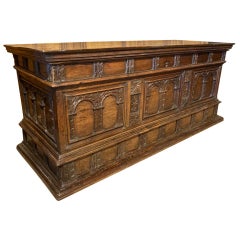
Early 20th Century North American French Provincial Antique Storage Chest
Walnut
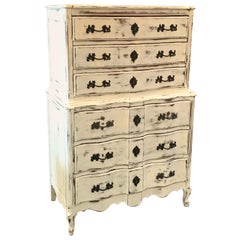
Early 19th Century English Georgian Antique Storage Chest
Walnut
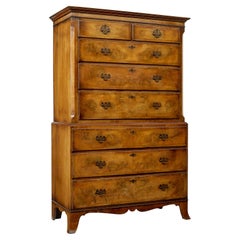
16th Century British Tudor Antique Storage Chest
Oak
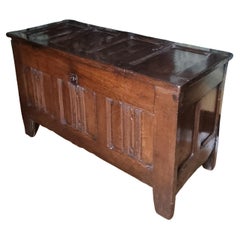
19th Century Austrian Baroque Antique Storage Chest
Fruitwood
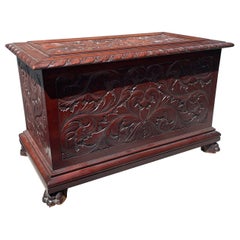
Early 20th Century English Chinoiserie Antique Storage Chest
Pine
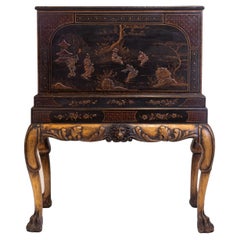
Late 19th Century Czech Antique Storage Chest
Wood
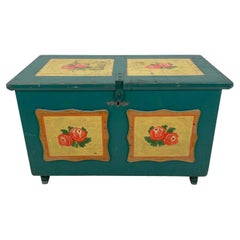
19th Century English Campaign Antique Storage Chest
Brass, Metal
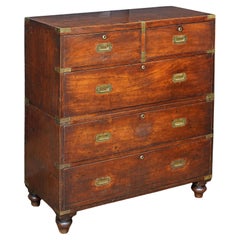
Mid-19th Century Swedish Folk Art Antique Storage Chest
Metal
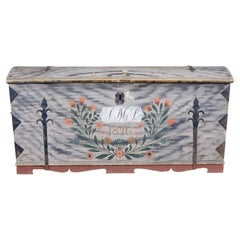
Early 19th Century Italian Antique Storage Chest
Wood
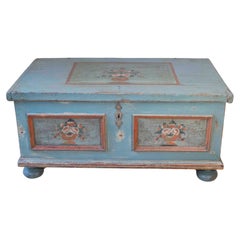
Late 18th Century British British Colonial Antique Storage Chest
Brass
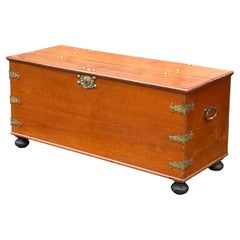
Early 20th Century Indian Anglo-Indian Antique Storage Chest
Brass
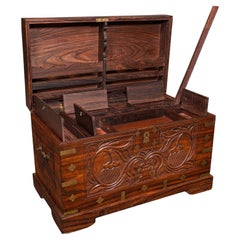
19th Century Antique Storage Chest
Mahogany
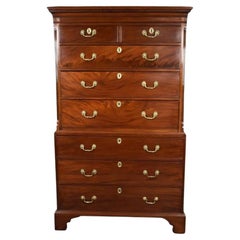
18th Century Antique Storage Chest
Wood
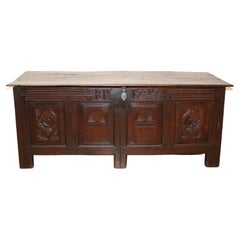
19th Century English Jacobean Antique Storage Chest
Oak
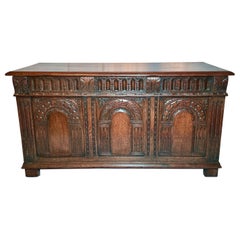
1850s British Early Victorian Antique Storage Chest
Iron
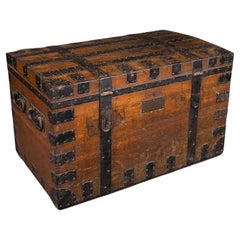
Late 18th Century Italian Folk Art Antique Storage Chest
Fir
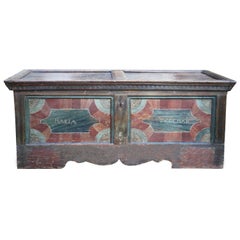
17th Century English Antique Storage Chest
Oak
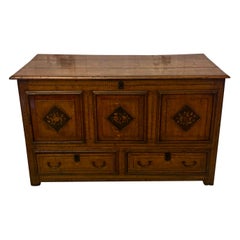
Early 18th Century Italian Antique Storage Chest
Walnut
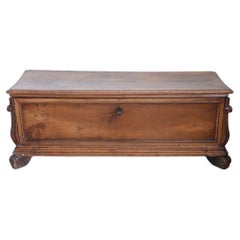
Early 20th Century Primitive Antique Storage Chest
Wood
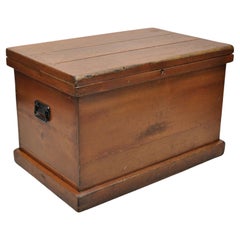
16th Century Italian Renaissance Antique Storage Chest
Walnut
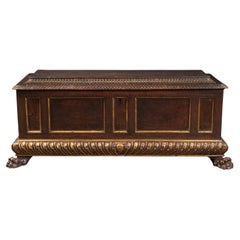
19th Century Antique Storage Chest
Pine
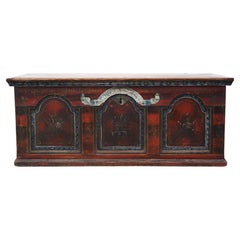
18th Century Georgian Antique Storage Chest
Oak
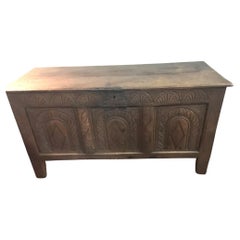
Early 19th Century Swedish Folk Art Antique Storage Chest
Metal
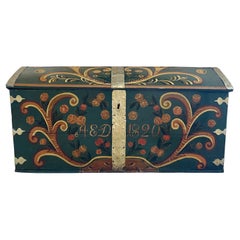
18th Century Swedish Baroque Antique Storage Chest
Elm
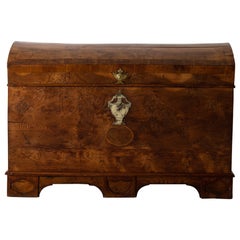
Early 18th Century English Chippendale Antique Storage Chest
Mahogany
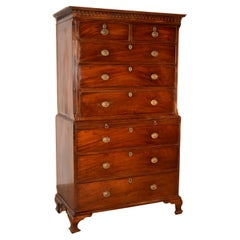
17th Century Italian Antique Storage Chest
Walnut
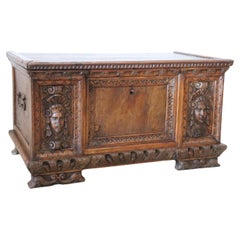
Mid-17th Century French Louis XIV Antique Storage Chest
Iron
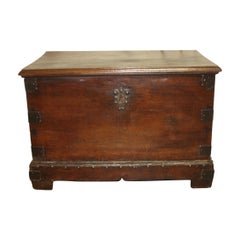
1870s French Antique Storage Chest
Mahogany
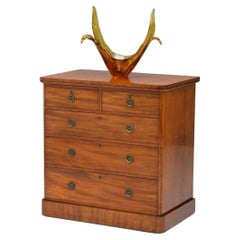
1810s German Folk Art Antique Storage Chest
Pine, Paint
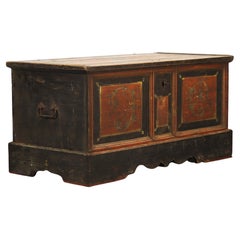
16th Century German Gothic Antique Storage Chest
Oak
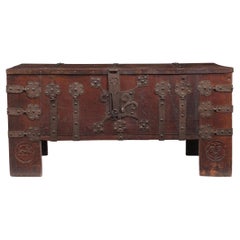
Late 17th Century English William and Mary Antique Storage Chest
Oak
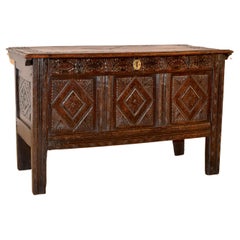
- 1
- ...
Antique Storage Chest For Sale on 1stDibs
How Much is a Antique Storage Chest?
Finding the Right Commodes-chests-of-drawers for You
Shopping for a commode or a chest of drawers?
Commode is the French term for a low chest of drawers, but it is also sometimes used to denote any case piece with a particularly intricate design. The commode dates to circa 1700 France, where it was used as an alternative to a taller cabinet piece so as to not obscure paneled, mirrored or tapestried walls. Coffers, or chests, which were large wooden boxes with hinged lids and sometimes stood on ball feet, preceded chests of drawers, a fashionable cabinet furnishing that garnered acclaim for its obvious storage potential and versatility. The term commode was also used to refer to a piece of bedroom furniture — a washstand or nightstand that contained a chamber pot.
As time passed, French and British furniture makers led the way in the production of chests of drawers, and features like the integration of bronze and ornamental pulls became commonplace. Antique French commodes in the Louis XV style were sometimes crafted in mahogany or walnut, while an Italian marble top added a sophisticated decorative flourish. This specific type of case piece grew in popularity in the years that followed.
So, what makes a chest of drawers different from a common dresser? Dressers are short, and chests of drawers are overall taller pieces of furniture that typically do not have room on the top for a mirror as most dressers do. Tallboys and highboys are variations of the dresser form. Some chests of drawers have one column of four to six long drawers or three long drawers in their bottom section that are topped by a cluster of small side-by-side drawers on the top. To further complicate things, we sometimes refer to particularly short chests of drawers as nightstands.
Even though chests of drawers are commonly thought of as bedroom furniture to store clothing, these are adaptable pieces. A chest of drawers can house important documents — think of your walnut Art Deco commode as an upgrade to your filing cabinet. Nestle your chest near your home’s front door to store coats and other outerwear, while the top can be a place to drop your handbag. Add some flair to your kitchen, where this lovable case piece can hold pots, pans and even cookbooks.
When shopping for the right chest of drawers for your home, there are a few key things to consider: What will you be storing in it? How big a chest will you need?
Speaking of size, don’t dream too big. If your space is on the smaller side, a more streamlined vintage mid-century modern chest of drawers, perhaps one designed by Paul McCobb or T.H. Robsjohn-Gibbings, may best suit your needs.
At 1stDibs, we make it easy to add style and storage to your home. Browse our collection of antique and vintage commodes and chests of drawers today.
- 1stDibs ExpertSeptember 9, 2024To tell if a chest is antique, first examine its materials and details carefully. An antique chest is one produced 100 years ago or more. This generally predates the use of engineered wood, particleboard, plastics and other synthetic materials. As a result, an antique chest usually features solid wood construction.
In addition, antique chests are likely to be handmade, so you should be able to spot subtle signs that indicate this, such as tool marks and small irregularities in any carvings. If a piece looks flawless and regular, it is unlikely to be antique. Locating a maker's mark and then researching when the manufacturer was active can also help you date your chest. Alternatively, you can use the services of a certified appraiser or knowledgeable antique dealer to learn more about your chest.
On 1stDibs, shop a large selection of antique chests. - 1stDibs ExpertNovember 4, 2024To identify an antique chest of drawers, look inside and beneath drawers and on the back and bottom for any type of maker's marking. Researching these marks using trusted online resources may allow you to determine who produced your chest and roughly date your piece. If your chest is at least 100 years old, it is an antique. Should you be unable to locate the maker's marks, look at the hardware. Rose head nails, one-piece cast brass pommels on the drawer handles and circular rather than hexagonal bolts may all indicate that a piece is an antique. Keep in mind that hardware may have been replaced at some point and that there are many reproductions of antique furnishings. As a result, you may wish to have a certified appraiser or experienced antique dealer complete the identification process if you're unable to identify your chest via the maker's markings. Find a range of antique chests of drawers on 1stDibs.
Read More
37 Cheerful Home Bars, Where Everybody (Literally) Knows Your Name
Simple or sophisticated, equipped with console, cart or custom cabinetry, these stylish bar areas deserve a toast.
The Ultimate Guide to Types of Tables for the Home
Whether you’re just moving in or ready to give your home a makeover, our guide will give you pointers on tables that are fitting for every room, nook and hallway.
What Exactly Is a Secretary Desk, and What Is It Used For?
The furniture equivalent of a Swiss Army knife, it's the multifunctional piece you didn't know you needed.
This Shelving System with Oxidized Brass Tubes Is Retro and Futuristic at Once
Italian studio DimoreMilano mustered great ingenuity when crafting these sculptural shelves, which are built without any screws.
Ask an Interior Designer: Work-from-Home Edition
Leaping into a design project, whether it's refreshing the bedroom or redoing the whole house, can be overwhelming. Luckily, we know more than a few interior designers. You asked questions on Instagram, and now they're answering.
Collected and Eclectic, ‘Wunderkammern’ Are Back in a Big Way
Introduced nearly 500 years ago, curiosity cabinets are finding new fans among today's collectors and designers.
Meet the Incredible Woman Transforming Fallen Trees into Sleek Furniture
In the hands of New York Heartwoods cofounder Megan Offner, unwanted local trees become works of design art.
These New York Architects Love a Complicated Project
From Brooklyn townhouses to Maine campgrounds, Trattie Davies and Jonathan Toews relish a challenge, like transforming a former warehouse space into the new 1stdibs Gallery.