Antique Tea Chests
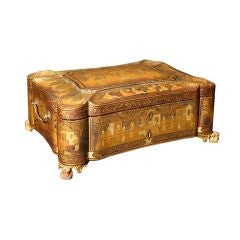
19th Century Chinese Antique Tea Chests
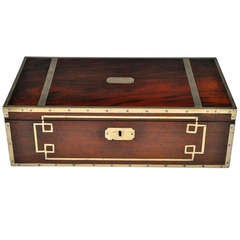
19th Century British Antique Tea Chests
Brass, Steel
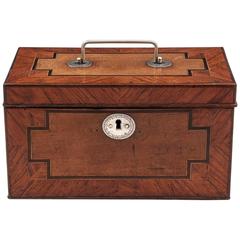
18th Century British Antique Tea Chests
Ebony, Harewood, Kingwood
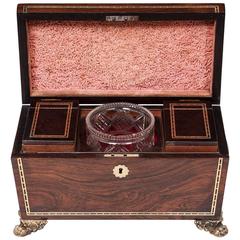
1820s Great Britain (UK) Antique Tea Chests
Brass
19th Century Chinese Victorian Antique Tea Chests
Lacquer
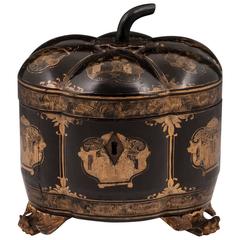
18th Century Great Britain (UK) Georgian Antique Tea Chests
Brass
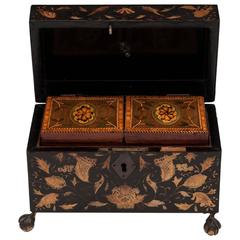
19th Century Chinese Antique Tea Chests
Pewter
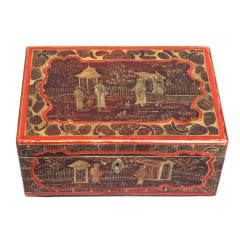

17th Century Italian Antique Tea Chests
Mother-of-Pearl, Walnut
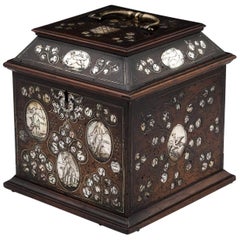
1740s English George II Antique Tea Chests
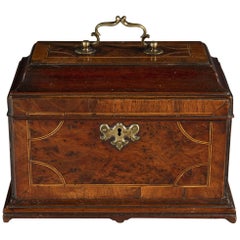
19th Century Chinese Antique Tea Chests
Lacquer
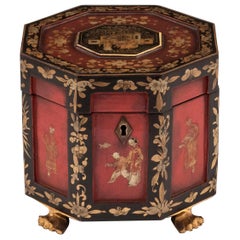
Mid-19th Century Chinese Antique Tea Chests
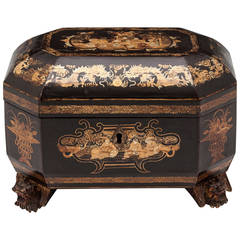
Early 19th Century Chinese Chinese Export Antique Tea Chests
Wood
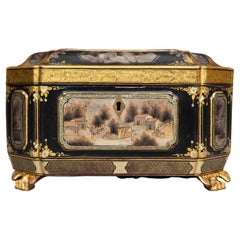
- 1
Antique Tea Chests For Sale on 1stDibs
How Much are Antique Tea Chests?
- 1stDibs ExpertSeptember 9, 2024To tell if a chest is antique, first examine its materials and details carefully. An antique chest is one produced 100 years ago or more. This generally predates the use of engineered wood, particleboard, plastics and other synthetic materials. As a result, an antique chest usually features solid wood construction.
In addition, antique chests are likely to be handmade, so you should be able to spot subtle signs that indicate this, such as tool marks and small irregularities in any carvings. If a piece looks flawless and regular, it is unlikely to be antique. Locating a maker's mark and then researching when the manufacturer was active can also help you date your chest. Alternatively, you can use the services of a certified appraiser or knowledgeable antique dealer to learn more about your chest.
On 1stDibs, shop a large selection of antique chests. - 1stDibs ExpertNovember 5, 2024To identify an antique tea set, look closely to determine who the manufacturer is. Locate the hallmark on the bottom of a saucer, teapot or cup. A maker’s mark on one of these items is the best indicator of the set’s origin. If you snap a photo with your smartphone or tablet, you can conduct a reverse image search to jump-start your research. Professionals recommend consulting auction catalogs, books and trusted online resources such as museum exhibition materials. With some research, you may be able to match the marking to the manufacturer's name and, from there, identify the pattern and age.
In 17th-century England, Chinese tea began to arrive at ports in London. Mass production of porcelain tea sets took place in the 18th century, and during the early 1800s, tea became widely affordable, and the concept of teatime took shape all over England.
Reputable soft-paste porcelain makers include Sèvres, Capodimonte and Chelsea, while Meissen was the first European maker of hard-paste porcelain. Bone china manufactories of note include Spode, Minton and Derby, which was later called the Royal Crown Derby Porcelain Company.
Generally, a tea set is considered vintage if it’s at least 20 years old, while antiques are at least 100 years old. Although a maker’s mark is generally a helpful indicator of a given manufacturer, forgeries have occurred over the years. Look for other signifiers of a material, time period or style if you are uncertain of your piece’s origin. For help with identification, seek out a certified appraiser or knowledgeable antique dealer.
Find antique tea sets on 1stDibs. - 1stDibs ExpertNovember 4, 2024To identify an antique chest of drawers, look inside and beneath drawers and on the back and bottom for any type of maker's marking. Researching these marks using trusted online resources may allow you to determine who produced your chest and roughly date your piece. If your chest is at least 100 years old, it is an antique. Should you be unable to locate the maker's marks, look at the hardware. Rose head nails, one-piece cast brass pommels on the drawer handles and circular rather than hexagonal bolts may all indicate that a piece is an antique. Keep in mind that hardware may have been replaced at some point and that there are many reproductions of antique furnishings. As a result, you may wish to have a certified appraiser or experienced antique dealer complete the identification process if you're unable to identify your chest via the maker's markings. Find a range of antique chests of drawers on 1stDibs.
Read More
How a Craving for Color Revolutionized Glass
After synthetic dyes changed fashion, home goods and printed matter, it was only a matter of time till glass caught up.
Kazuyo Sejima’s Flowering Tree Blooms Year-Round
The brilliantly simple design turns a modest bouquet into a major statement.
He Wrote ‘Oedipus Rex,’ but Do You Know What He Looked Like?
The Greek tragedian is said to have been handsome in his day.
Cigar Culture Was Once the Peak of Masculinity. Now, It’s a Compelling Curiosity
Even for those who don’t indulge, elegant smoking accessories and audacious art portraying cigar enthusiasts hold a nostalgic allure.
African Travel Plans on Hold? This Ardmore Leopard Vase Brings the Beauty of the Savanna to You
It’s an excellent example of the sought-after ceramics coming out of South Africa’s KwaZulu-Natal province.
With a High-Tech Flagship and Cool Collabs, Lladró Is Breaking the Mold for Porcelain Production
Thanks to its new leadership, the Spanish maker of figurines, busts and lighting is on a mission to update the art of porcelain for the 21st century.
Zoë Powell’s Magnolia 05 Vessel Is Handmade from Clay She Unearthed Herself
The free-form stoneware piece is inspired by the magnolia tree and its associations with home.
8 Ways to Breathe New Life into a Space with Plants
The pair behind the Instagram account @houseplantclub share their tips for making any room of the house gloriously green.