Antique Wash Set
19th Century Chinese Antique Wash Set
Porcelain
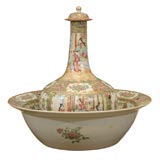

1870s English Japonisme Antique Wash Set
Earthenware
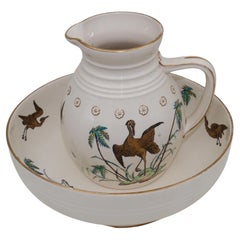
1760s Contemporary Antique Wash Set
Etching
1860s English Victorian Antique Wash Set
Pine

Early 20th Century English Art Deco Antique Wash Set
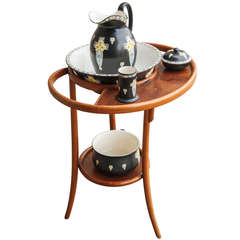
19th Century Norwegian Antique Wash Set
Gold, Sterling Silver, Enamel
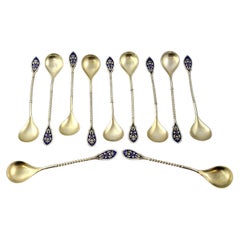
Late 19th Century American Renaissance Revival Antique Wash Set
Marble
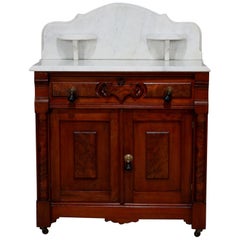
19th Century Antique Wash Set
Gold, Sterling Silver
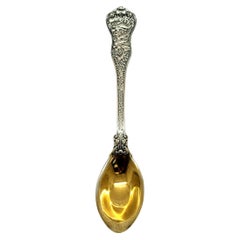
Early 1900s Art Nouveau Antique Wash Set
Pearl, Ruby, Silver
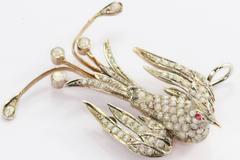
Late 19th Century English Victorian Antique Wash Set
Pottery
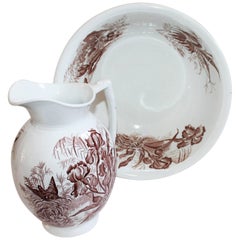
Early 20th Century American Antique Wash Set
Porcelain
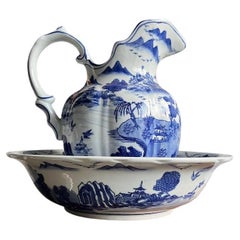
19th Century Antique Wash Set
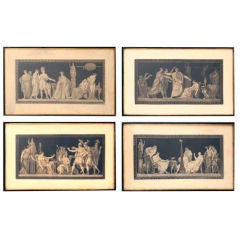
19th Century English Antique Wash Set
Early 20th Century French Antique Wash Set
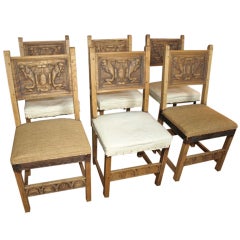
1870s American Antique Wash Set
Sterling Silver
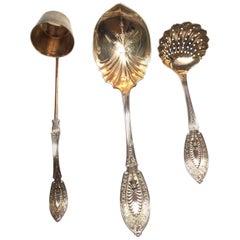
19th Century English Antique Wash Set
Wood
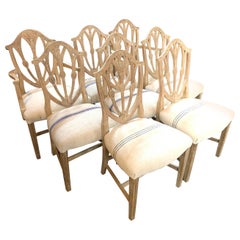
Early 19th Century English Beaux Arts Antique Wash Set
Silver Plate
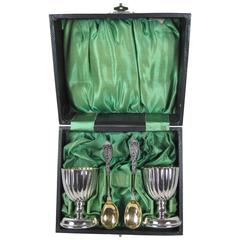
Late 19th Century Antique Wash Set
Gold, Sterling Silver
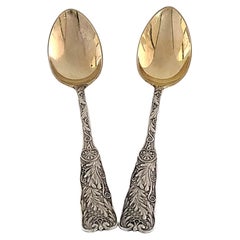
18th Century Antique Wash Set
Gold, Sterling Silver
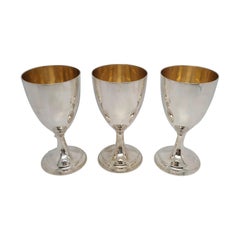
19th Century Antique Wash Set
Sterling Silver
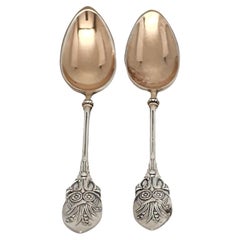
Late 19th Century Tibetan Tibetan Antique Wash Set
Rock Crystal, Silver
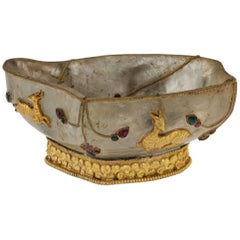
19th Century Russian Antique Wash Set
Gold, Silver, Enamel
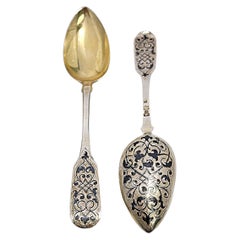
19th Century Antique Wash Set
Gold, Sterling Silver
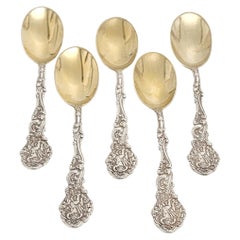
19th Century Antique Wash Set
Garnet, Silver
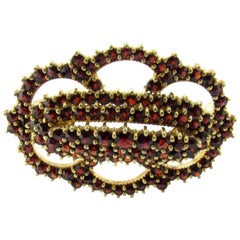
1860s North American Antique Wash Set
Sterling Silver
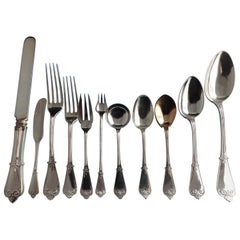
1910s Antique Wash Set
Sterling Silver
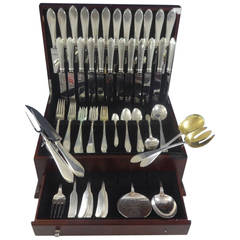
Late 19th Century Antique Wash Set
Sterling Silver
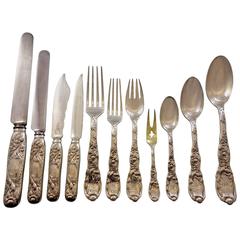
Late 19th Century Antique Wash Set
Sterling Silver
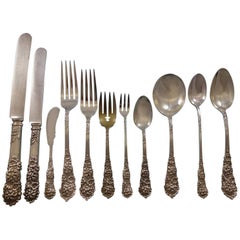
Late 18th Century Austrian Antique Wash Set
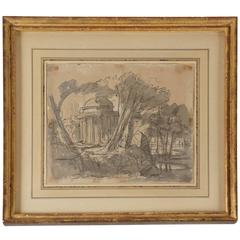
Late 19th Century American Beaux Arts Antique Wash Set
Gold Plate, Sterling Silver
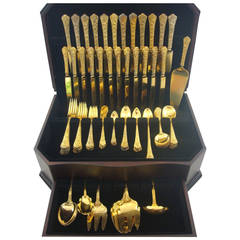
Late 19th Century American Antique Wash Set
Sterling Silver
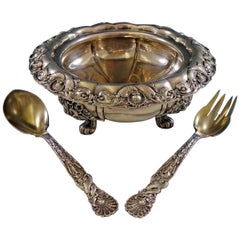
Late 19th Century Antique Wash Set
Sterling Silver
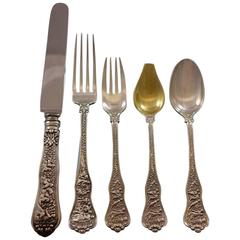
1820s American Antique Wash Set
Gold Plate, Sterling Silver
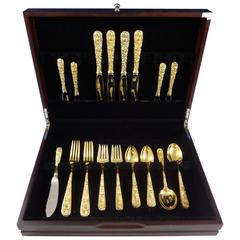
1820s American Antique Wash Set
Gold Plate, Sterling Silver
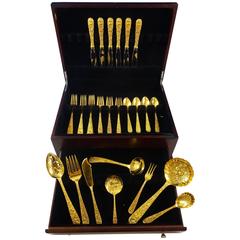
Early 20th Century Antique Wash Set
Sterling Silver
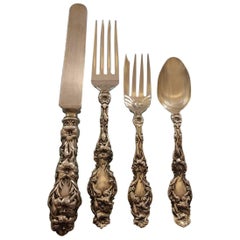
Late 19th Century American Country Antique Wash Set
Pottery
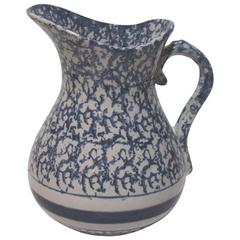
Early 20th Century European Industrial Antique Wash Set
Mercury Glass
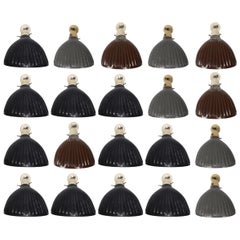
19th Century British Victorian Antique Wash Set
Agate, Garnet, Gold Plate
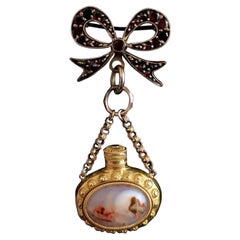
19th Century American Antique Wash Set
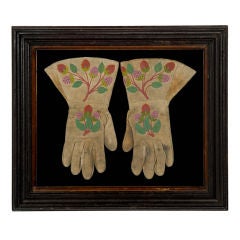
19th Century American Antique Wash Set

Early 20th Century American Antique Wash Set
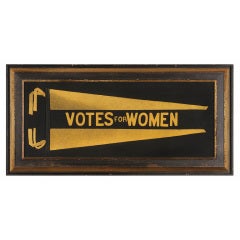
Early 20th Century French Antique Wash Set
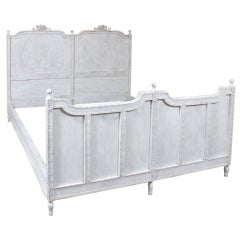
Early 20th Century American Antique Wash Set

Early 20th Century American Antique Wash Set

19th Century American Antique Wash Set
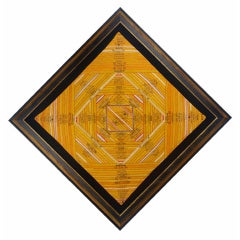
19th Century American Antique Wash Set
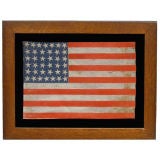
Early 20th Century Persian Malayer Antique Wash Set
Wool
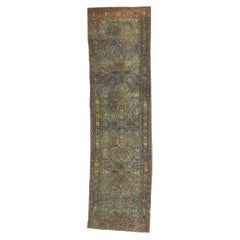
Early 20th Century American Antique Wash Set

Early 20th Century American Antique Wash Set
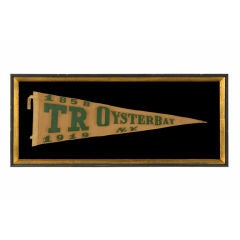
Early 20th Century Antique Wash Set
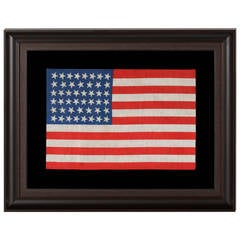
1910s American Antique Wash Set
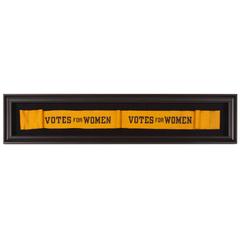
Early 20th Century American Antique Wash Set
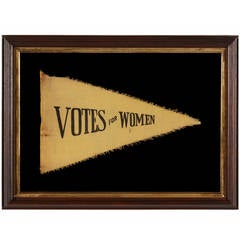
19th Century Antique Wash Set
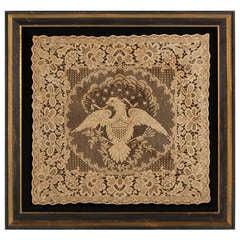
19th Century Antique Wash Set
19th Century American Antique Wash Set
Early 20th Century American Antique Wash Set
19th Century American Antique Wash Set
- 1
Antique Wash Set For Sale on 1stDibs
How Much is a Antique Wash Set?
Finding the Right Folk-art for You
Folk art refers to a genre of art that shares the creator’s traditions, offering not just an artistic display but an opportunity to learn about a culture. Vintage, new and antique folk art typically reflects a heritage or location. It can include utilitarian objects and handmade art as diverse as weather vanes, portraiture and paintings, carnival art, quilts and duck decoys.
American folk art is frequently valued because of the traditional skills involved, like weaving, hand-carving wood and even stonework. Many folk artists are self-taught, while some train as apprentices within their community. By using available materials and taking a personal approach to their creations, artists ensure each piece is unique and conveys a story. Native American folk art includes functional objects reflecting their heritage, such as baskets, textiles and wooden pieces.
During the Great Depression, artistic materials in America were hard to come by, so artisans used discarded wood from cigar boxes and shipping crates to make highly stylized, notched pieces — most often picture frames and boxes — that are today sought after by collectors. This folk art style is called tramp art and was popular from roughly 1870 until the 1940s.
Folk art brings vibrant culture and traditions into your home. Browse an extensive collection of folk art on 1stDibs.
- What is an antique wash stand?1 Answer1stDibs ExpertApril 5, 2022An antique wash stand was a stand, typically made of wood, that was designed to hold a washing pitcher and basin. A wash stand was an early version of the modern bathroom sink. It sometimes would have a hole or indentation to help hold the basin still and some were designed to also hold a mirror. On 1stDibs, find an array of antique wash stands.
- 1stDibs ExpertNovember 5, 2024To identify an antique tea set, look closely to determine who the manufacturer is. Locate the hallmark on the bottom of a saucer, teapot or cup. A maker’s mark on one of these items is the best indicator of the set’s origin. If you snap a photo with your smartphone or tablet, you can conduct a reverse image search to jump-start your research. Professionals recommend consulting auction catalogs, books and trusted online resources such as museum exhibition materials. With some research, you may be able to match the marking to the manufacturer's name and, from there, identify the pattern and age.
In 17th-century England, Chinese tea began to arrive at ports in London. Mass production of porcelain tea sets took place in the 18th century, and during the early 1800s, tea became widely affordable, and the concept of teatime took shape all over England.
Reputable soft-paste porcelain makers include Sèvres, Capodimonte and Chelsea, while Meissen was the first European maker of hard-paste porcelain. Bone china manufactories of note include Spode, Minton and Derby, which was later called the Royal Crown Derby Porcelain Company.
Generally, a tea set is considered vintage if it’s at least 20 years old, while antiques are at least 100 years old. Although a maker’s mark is generally a helpful indicator of a given manufacturer, forgeries have occurred over the years. Look for other signifiers of a material, time period or style if you are uncertain of your piece’s origin. For help with identification, seek out a certified appraiser or knowledgeable antique dealer.
Find antique tea sets on 1stDibs.
Read More
A Giant Wedding Cake Has Us Looking at Portuguese Tiles in a New Light
At Waddesdon Manor, artist Joana Vasconcelos has installed a three-tiered patisserie inspired by the narrative tile work of her homeland. We take a look at the cake sculpture and how Portuguese tiles have been used in architecture from the 17th century to today.
Why Jules Chéret Was the King of the Modern Poster
The streets of fin-de-siècle Paris were set aglow with colorful poster ads, thanks to the printing techniques invented by Jules Chéret. Now, the Milwaukee Art Museum is celebrating this undersung talent in America's first solo show dedicated his exuberant works.
Why the American Flag Has Had So Many Different Star Patterns
Expert Jeff Bridgman explains the history and meaning behind the twinkling constellations that have graced Old Glory.
Peggy Guggenheim Loved Modernism, but She Also Collected Tribal Art
The iconoclastic style setter displayed African and Oceanic art, as well as works by indigenous peoples of the Americas, alongside pieces by such major modernists as Pablo Picasso and Jackson Pollock.
The 13-Star American Flag Had More Variations Than You’d Think
Perfect for July 4th weekend, a new show at Philadelphia's Museum of the American Revolution displays an array of antique red, white and blue flags.
Tramp Art, America’s Most Misunderstood Art Form, Is Trending in Interiors
Designers are beginning to see this enigmatic form of folk art in a whole new light.