Art Deco Art Print
Mid-20th Century Art Deco Portrait Prints
Lithograph
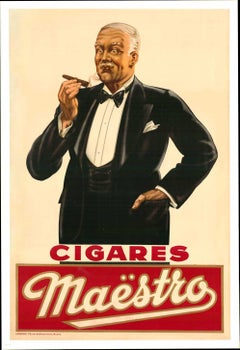
1980s Art Deco Figurative Prints
Lithograph
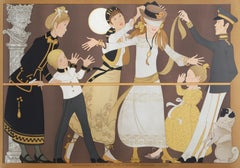
1980s Prints and Multiples
Screen
1980s Art Deco Portrait Prints
Lithograph
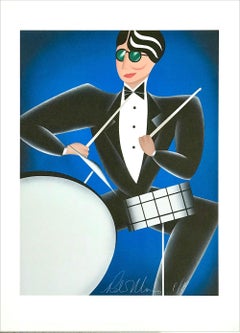
1940s Art Deco Prints and Multiples
Paper, Lithograph

2010s Prints and Multiples
Paper
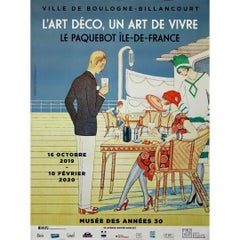
1970s Art Deco Figurative Prints
Screen
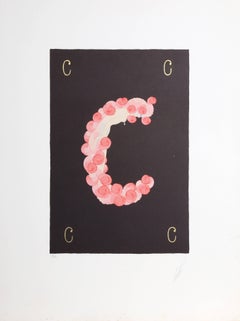

1970s Art Deco Figurative Prints
Screen
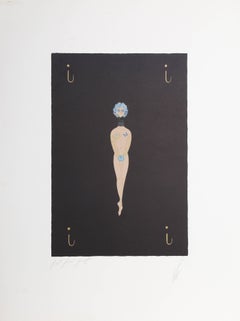
1930s Art Deco Animal Prints
Lithograph
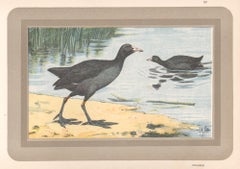
1930s Art Deco Animal Prints
Lithograph

1930s Art Deco Animal Prints
Lithograph
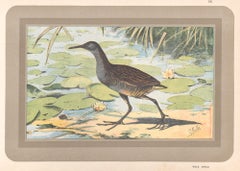
1930s Art Deco Animal Prints
Lithograph

1930s Art Deco Animal Prints
Lithograph

1980s Art Deco Portrait Prints
Lithograph

1930s Art Deco Figurative Prints
Lithograph
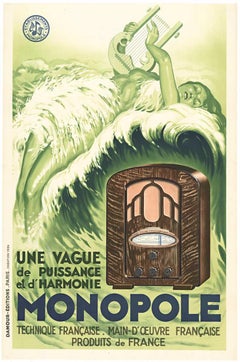
1930s Art Deco Animal Prints
Lithograph
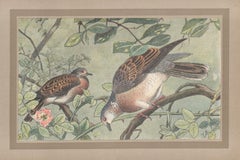
1930s Art Deco Animal Prints
Lithograph
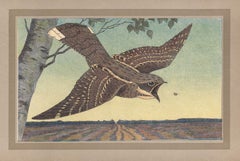
1980s Art Deco Figurative Prints
Foil
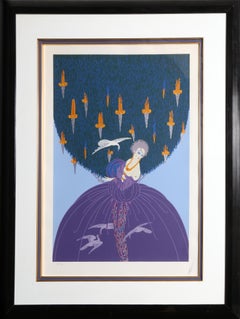
20th Century Art Deco Figurative Prints
Woodcut

1820s Art Deco More Prints
Paper, Lithograph
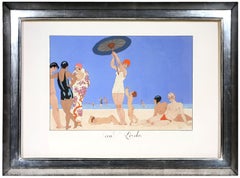
1930s Art Deco Landscape Prints
Lithograph

1930s Art Deco Figurative Prints
Lithograph
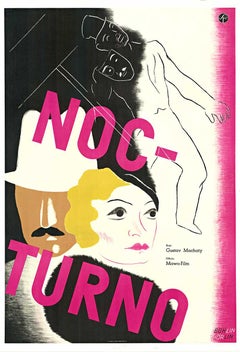
1980s Art Nouveau Figurative Prints
Offset
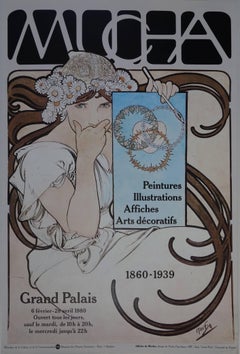
1980s Art Deco Portrait Prints
Lithograph
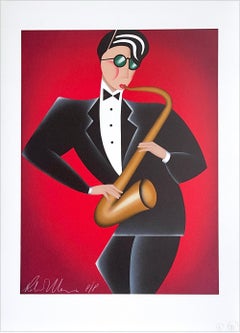
1970s Art Deco Figurative Prints
Screen
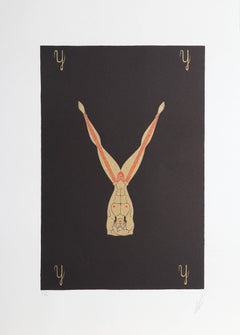
1980s Art Deco Interior Prints
Lithograph
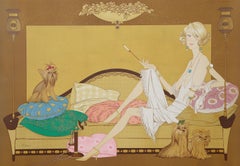
1970s Art Deco Figurative Prints
Screen
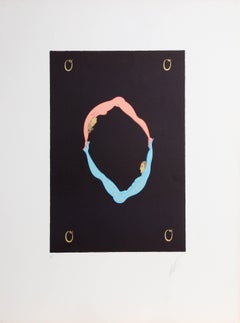
1970s Art Deco Figurative Prints
Screen
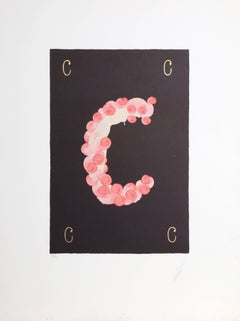
1980s Prints and Multiples
Screen
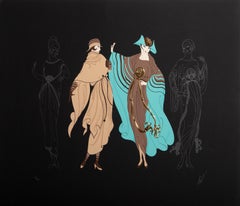
1930s Art Deco Portrait Prints
Lithograph
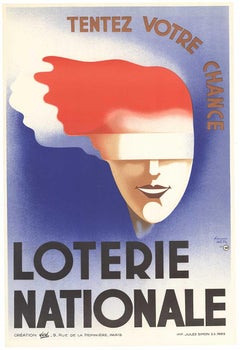
1980s Art Deco Portrait Prints
Lithograph
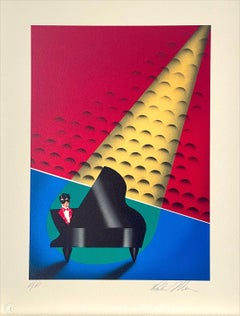
1930s Art Deco Animal Prints
Lithograph

1930s Art Deco Animal Prints
Lithograph

1980s Art Deco Portrait Prints
Lithograph

1990s Prints and Multiples
Screen

1930s Art Deco Animal Prints
Lithograph
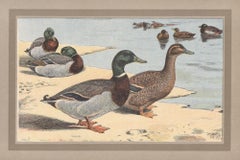
1930s Art Deco Animal Prints
Lithograph

1930s Art Deco Animal Prints
Lithograph
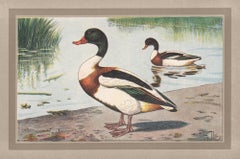
1930s Art Deco Animal Prints
Lithograph

1930s Art Deco Animal Prints
Lithograph
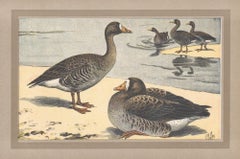
1930s Art Deco Animal Prints
Lithograph

1930s Art Deco Animal Prints
Lithograph

1930s Art Deco Animal Prints
Lithograph
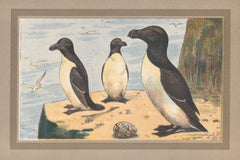
20th Century Art Deco Figurative Prints
Lithograph
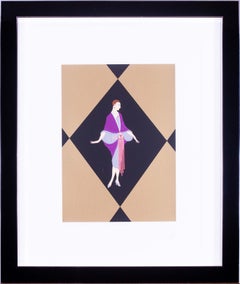
1980s Art Deco Figurative Prints
Lithograph
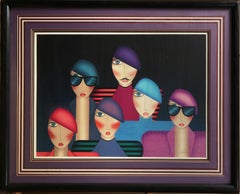
1980s Art Deco Portrait Prints
Lithograph

1920s Art Deco Figurative Prints
Paper, Lithograph
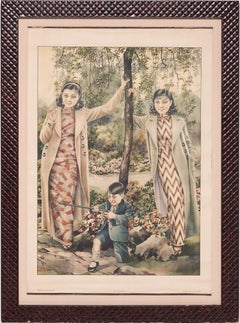
1980s Art Deco Figurative Prints
Lithograph
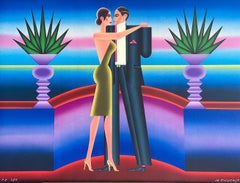
1930s Art Deco Figurative Prints
Lithograph, Stencil
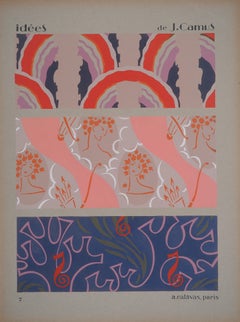
1930s Art Deco Figurative Prints
Lithograph, Stencil
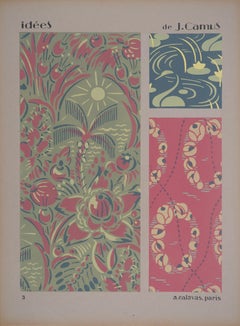
1980s Art Deco Portrait Prints
Lithograph
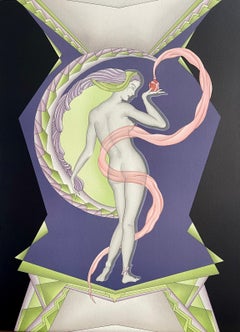
1980s Art Deco Portrait Prints
Lithograph
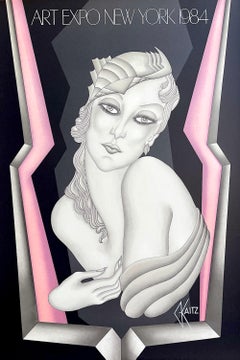
1920s Modern Landscape Prints
Woodcut
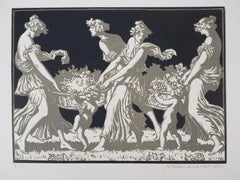
1930s Art Deco More Prints
Lithograph
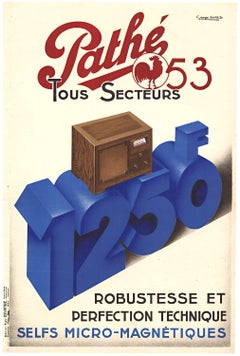
1980s Prints and Multiples
Screen
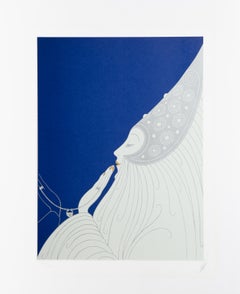
1930s Art Nouveau Figurative Prints
Stencil
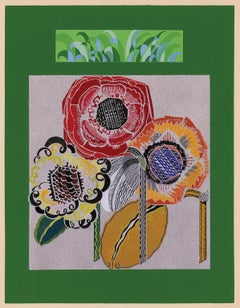
1980s Art Deco Portrait Prints
Lithograph
- 1
- ...
Art Deco Art Print For Sale on 1stDibs
How Much is a Art Deco Art Print?
Finding the Right Prints And Multiples for You
Decorating with fine art prints — whether they’re figurative prints, abstract prints or another variety — has always been a practical way of bringing a space to life as well as bringing works by an artist you love into your home.
Pursued in the 1960s and ’70s, largely by Pop artists drawn to its associations with mass production, advertising, packaging and seriality, as well as those challenging the primacy of the Abstract Expressionist brushstroke, printmaking was embraced in the 1980s by painters and conceptual artists ranging from David Salle and Elizabeth Murray to Adrian Piper and Sherrie Levine.
Printmaking is the transfer of an image from one surface to another. An artist takes a material like stone, metal, wood or wax, carves, incises, draws or otherwise marks it with an image, inks or paints it and then transfers the image to a piece of paper or other material.
Fine art prints are frequently confused with their more commercial counterparts. After all, our closest connection to the printed image is through mass-produced newspapers, magazines and books, and many people don’t realize that even though prints are editions, they start with an original image created by an artist with the intent of reproducing it in a small batch. Fine art prints are created in strictly limited editions — 20 or 30 or maybe 50 — and are always based on an image created specifically to be made into an edition.
Many people think of revered Dutch artist Rembrandt as a painter but may not know that he was a printmaker as well. His prints have been preserved in time along with the work of other celebrated printmakers such as Pablo Picasso, Salvador Dalí and Andy Warhol. These fine art prints are still highly sought after by collectors.
“It’s another tool in the artist’s toolbox, just like painting or sculpture or anything else that an artist uses in the service of mark making or expressing him- or herself,” says International Fine Print Dealers Association (IFPDA) vice president Betsy Senior, of New York’s Betsy Senior Fine Art, Inc.
Because artist’s editions tend to be more affordable and available than his or her unique works, they’re more accessible and can be a great opportunity to bring a variety of colors, textures and shapes into a space.
For tight corners, select small fine art prints as opposed to the oversized bold piece you’ll hang as a focal point in the dining area. But be careful not to choose something that is too big for your space. And feel free to lean into it if need be — not every work needs picture-hanging hooks. Leaning a larger fine art print against the wall behind a bookcase can add a stylish installation-type dynamic to your living room. (Read more about how to arrange wall art here.)
Find fine art prints for sale on 1stDibs today.
- What is a print in art?1 Answer1stDibs ExpertMay 30, 2024In art, a print is a work produced multiple times by transferring an image from a plate to another surface. Making a print can be as straightforward as pressing a painted surface against another surface or as complex as triggering a chemical reaction to create an image. Artists embrace different techniques to yield various effects: some printing techniques, like etching, emphasize lines, for example, while others, like lithograph printing, are better for creating soft textures. On 1stDibs, shop a diverse assortment of art prints.
- 1stDibs ExpertAugust 15, 2019
The main difference between Art Nouveau and Art Deco is that the former is detailed and ornate, and the latter is sharp and geometrical. When the movement started at the end of the 19th century, Art Nouveau was heavily influenced by nature and the curved lines of flowers. Art Deco, which became popular in the beginning of the 20th century, was inspired by the geometric abstraction of cubism.
- How do I identify my art prints?1 Answer1stDibs ExpertSeptember 23, 2024To identify your art prints, first look for an artist's signature, usually found in the bottom corner or on the back of the piece. You can use the app Smartify to take a photo of the signature or conduct a reverse image search to learn who the artist is. From there, you can explore online resources and art catalogues to learn more about your print. Should you need assistance, consider enlisting the help of a certified appraiser or knowledgeable art dealer. Shop a diverse assortment of art prints on 1stDibs.
- What is the history of Art Deco?1 Answer1stDibs ExpertMarch 25, 2024The history of Art Deco begins in the early 20th century.
Art Deco emerged as a global design style around the start of World War I, during the last years of Art Nouveau's popularity. The style conjures visions of the Roaring Twenties, Machine Age metropolises, vast ocean liners, sleek typography and Prohibition-era hedonism. Its hallmarks include the use of geometric designs influenced by Cubism. Major discoveries of Egyptian tombs during the era also influenced the movement.
The term Art Deco derives from the name of a large decorative arts exhibition, the Exposition Internationale des Arts Décoratifs et Industriels Modernes, held in Paris in 1925. After World War II, tastes shifted toward more functional, less ornate modernism, but today, the Art Deco style is still favored for its luxurious sophistication. On 1stDibs, shop a large selection of vintage Art Deco furniture. - What defines Art Deco?1 Answer1stDibs ExpertApril 5, 2024A few things define Art Deco. Date is one factor, as the style emerged in the 1920s and remained popular during the 1930s. Art Deco design usually includes bold geometric lines and forms or intricate repeating floral motifs. Designers working in this style tended to use expensive materials, such as shagreen or marble, as well as exotic woods like mahogany, ebony and zebra wood. Furniture often featured metal accents, mirrored finishes and embellishments made from exotic animal hides and inlays of mother-of-pearl or ivory. Shop a wide range of Art Deco furniture on 1stDibs.
- What is an Art Deco lamp?1 Answer1stDibs ExpertApril 5, 2022An Art Deco lamp is any lamp that’s made in the styles of the Art Deco movement, which was dominant in the 1920s and 1930s. On 1stDibs, you’ll find a collection of Art Deco lamps from some of the world’s top sellers.
- What is art deco ring?1 Answer1stDibs ExpertAugust 17, 2021Art Deco rings were made during the early 20th century. Named for a design movement that originated at a large decorative arts exhibition held in Paris in 1925, Art Deco rings are generally quite geometric, symmetrical and incorporate a variety of gemstones — especially sapphires and emeralds. Find a wide variety of Art Deco rings for sale on 1stDibs.
- When did Art Deco originate?1 Answer1stDibs ExpertFebruary 1, 2024The Art Deco period originated in France. Its name comes from the title of a large decorative arts exhibition held in Paris in 1925, credited with introducing the style to the world. It was informed by ancient Egypt, Cubism, Futurism, Louis XVI, De Stijl, modernism and the Vienna Secession and went on to influence the Streamline Moderne and mid-century modern movements. Shop a wide range of Art Deco furniture, decorative objects and jewelry on 1stDibs.
- What was Art Deco influenced by?1 Answer1stDibs ExpertMay 3, 2024Art Deco was influenced by a number of things. The discovery of ancient tombs around the turn of the century led to a renewed interest in Egyptian furniture and architecture that inspired Art Deco designers. Art Deco was also informed by Cubism, Futurism, Louis XVI style, De Stijl, modernism and the Vienna Secession. Shop a large collection of Art Deco furniture, decorative objects and jewelry on 1stDibs.
- How do I identify Art Deco?1 Answer1stDibs ExpertApril 5, 2022To identify Art Deco, look for the characteristics of the period. Furniture produced at the time is generally lacquered metal with a mirror-like glossy finish. Wooden items should be an exotic wood. Most items feature symmetrical designs, and geometric forms were popular motifs during the period. In addition, Art Deco often shows the influence of Hellenistic, Egyptian and Asian designs. Shop a variety of Art Deco furniture and decorative objects on 1stDibs.
- What was the Art Deco movement?1 Answer1stDibs ExpertMay 30, 2024The Art Deco movement was a decorative style popular during the 1920s and ’30s. Few design styles are as universally recognized and appreciated as Art Deco. The term alone conjures visions of the Roaring Twenties, Machine Age metropolises, vast ocean liners, sleek typography and Prohibition-era hedonism. The iconic movement made an indelible mark on all fields of design, celebrating society's growing industrialization with refined elegance and stunning craftsmanship. Widely known designers associated with the Art Deco style include Émile-Jacques Ruhlmann, Eileen Gray, Maurice Dufrêne, Paul Follot and Jules Leleu. The term Art Deco derives from the name of a large decorative arts exhibition held in Paris in 1925. On 1stDibs, shop a wide range of Art Deco furniture and decorative objects.
- What is an art deco watch?1 Answer1stDibs ExpertApril 5, 2022An art deco watch is defined by its geometric case, which is either circular or rectangular. The watch style was highly popular between 1920 and 1950, and is still sought after today. You’ll find a collection of art deco watches from some of the world’s top sellers on 1stDibs
- What is art deco jewelry?1 Answer1stDibs ExpertFebruary 22, 2021Art Deco jewelry was popular during the design movement of the 1920s and 30s. Art Deco jewelry is typically characterized by geometric patterns and gemstones of contrasting colors.
- Are art prints worth money?1 Answer1stDibs ExpertAugust 20, 2024Yes, some art prints are worth money. However, values vary greatly. A number of factors influence the potential selling price of art prints, including age, maker, technique, size, the original number of prints produced, the image quality and the condition of the paper. A certified appraiser or knowledgeable art dealer can provide you with an estimated value for any prints that you own based on these factors. On 1stDibs, explore a wide range of art prints.
- 1stDibs ExpertSeptember 25, 2019
Art prints typically increase in value, but this depends on the artist and whether demand for his or her work increases over time.
- 1stDibs ExpertAugust 15, 2024To tell if an art print is real, first take the time to learn about the artist and the types of prints that they have produced. Identifying characteristics vary based on the print method, and some artists have incorporated certain flourishes or markings that can aid in authentication. Researching the artist and their techniques using information available from trusted online resources can help you determine what to look for. Alternatively, you can take your print to a certified appraiser or knowledgeable art dealer to seek an expert opinion. Find a large selection of art prints on 1stDibs.
- 1stDibs ExpertApril 5, 2024To know if your art prints are valuable, conduct research on them. Begin by using the artist's signature to identify the maker, and then consult trusted online resources to find out how much similar prints made by them have sold for in the past. Keep in mind that the quality of the image and the condition of the paper will impact its value. A certified appraiser or knowledgeable dealer can evaluate your print and give you an estimate as to how much it is worth. Shop a large collection of art prints on 1stDibs.
- 1stDibs ExpertAugust 26, 2024The difference between Art Deco and mid-century modern (MCM) is that the terms describe two distinct design styles. Art Deco typically refers to pieces produced between the 1920s and 1930s. Furniture produced in this style tends to display bold geometric lines and forms, floral motifs, metal accents, shimmering mirrored finishes and embellishments made from exotic animal hides, inlays of mother-of-pearl or ivory. MCM, or mid-century modern, emerged after World War II. Organically shaped, clean-lined and elegantly simple are three terms that well describe vintage mid-century modern furniture. Designers working in this style frequently used industrial materials, including steel, fiberglass, molded plywood, and alluring woods such as teak, rosewood and oak. Explore a wide variety of Art Deco and mid-century modern furniture on 1stDibs.
- Was Eileen Gray Art Deco?1 Answer1stDibs ExpertFebruary 21, 2024The answer to whether Eileen Gray's designs were Art Deco depends on which piece you're considering. Gray was ever-evolving as a designer. By the early 1920s, she was creating geometric works that embodied the essence of Art Deco and the nascent modernist design movement. Some pieces, like her Bricks screen, employ the planar forms favored by Gerrit Rietveld and other De Stijl architects of the Netherlands. Others feature the tubular chrome framing used by Marcel Breuer and Ludwig Mies van der Rohe, who are associated with the mid-century modern design style. On 1stDibs, shop a variety of Eileen Gray furniture.
- 1stDibs ExpertAugust 15, 2019
The main features of Art Deco are geometry-influenced shapes, bright color schemes and bold patterns. Art Deco architecture and design are both heavily influenced by the Cubism movement, which relied on the use of non-traditional angles and shapes.