Art Deco Jewelry Cabinet
20th Century French Art Deco Jewelry Boxes
Mahogany
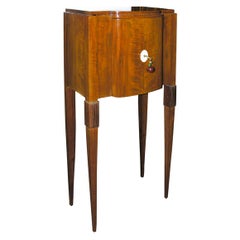

21st Century and Contemporary Philippine Art Deco Cabinets
Brass
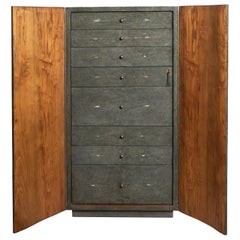
Vintage 1930s French Art Deco Cabinets
Brass
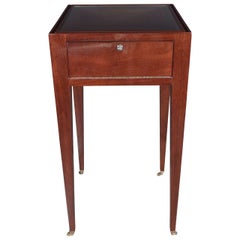
Vintage 1940s French Art Deco Apothecary Cabinets
Bronze, Gold
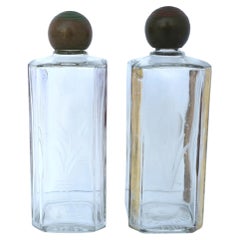
20th Century European Art Deco Cabinets
Parchment Paper
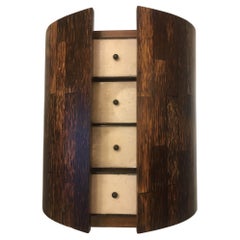
21st Century and Contemporary Pakistani Art Deco Figurines and Sculptures
Crystal, Quartz
Vintage 1980s English Art Deco Jewelry Boxes
Brass
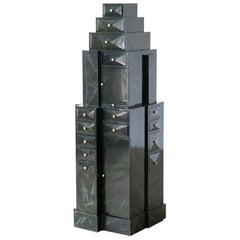
Recent Sales
2010s French Art Deco Jewelry Boxes
Enamel
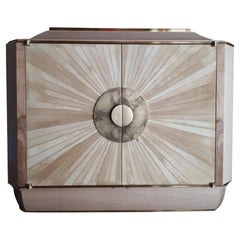
Vintage 1970s French Art Deco Vitrines
Glass, Wood
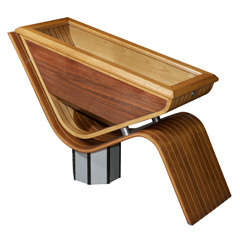
2010s German Art Deco Commodes and Chests of Drawers
Bronze
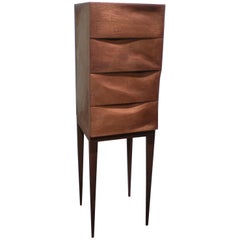
Vintage 1930s American Art Deco Commodes and Chests of Drawers
Wood
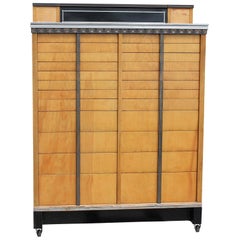
Vintage 1930s Austrian Art Deco Vitrines
Ebony, Glass, Macassar, Maple
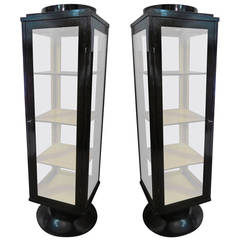
Late 20th Century American Art Deco Cabinets
Wood
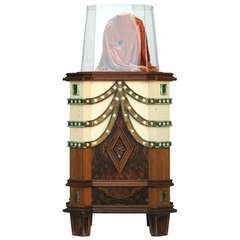
Vintage 1930s American Art Deco Cabinets
Chrome
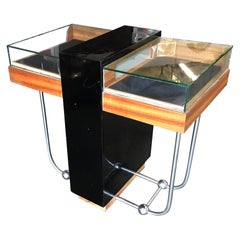
Vintage 1920s British Art Deco Vitrines
Oak, Pine
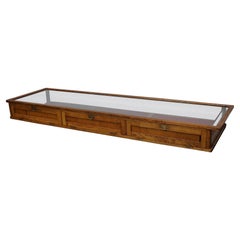
Vintage 1970s Unknown Art Deco Cabinets
Marble
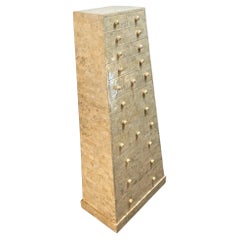
Vintage 1940s Belgian Art Deco Apothecary Cabinets
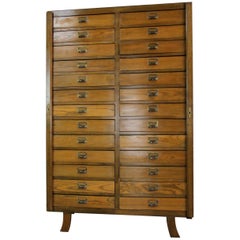
Vintage 1920s Dutch Art Deco Cabinets
Macassar, Mahogany
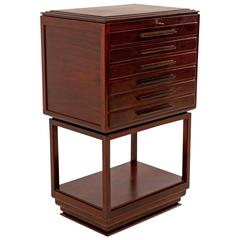
Vintage 1940s American Art Deco Shelves
Chrome
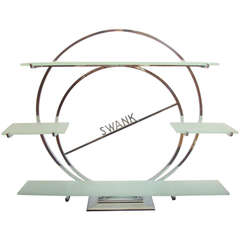
Mid-20th Century French Art Deco Vitrines
Chrome
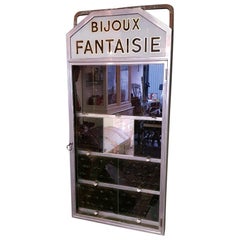
People Also Browsed
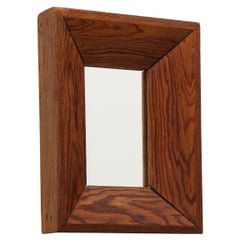
Vintage 1940s French Mid-Century Modern Wall Mirrors
Fir
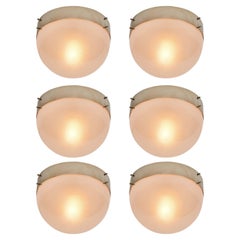
Vintage 1960s Italian Mid-Century Modern Flush Mount
Brass, Nickel
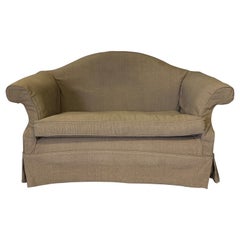
1990s Settees
Fabric, Wood
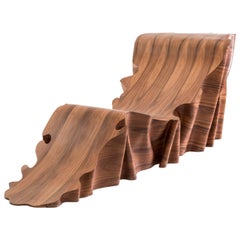
2010s Italian Modern Chaise Longues
Wood
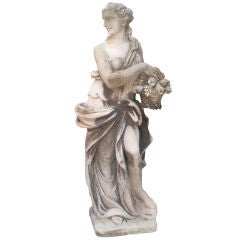
20th Century Italian Statues
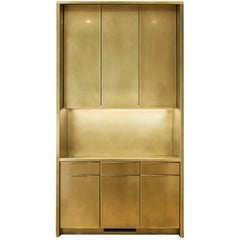
2010s American Modern Cabinets
Brass
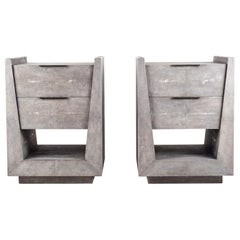
21st Century and Contemporary Philippine Art Deco End Tables
Brass
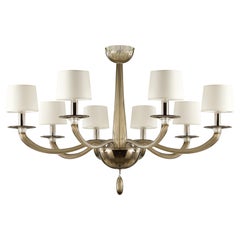
2010s Italian Other Chandeliers and Pendants
Blown Glass
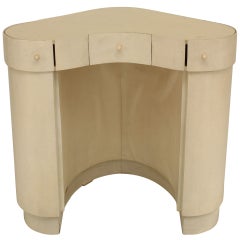
Vintage 1930s Italian Art Deco Vanities
Wood, Parchment Paper
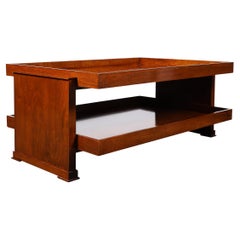
20th Century American Art Deco Coffee and Cocktail Tables
Walnut
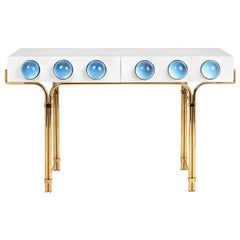
21st Century and Contemporary American Modern Console Tables
Brass
20th Century Flooring
Cement
Early 20th Century French Figurative Sculptures
Marble, Spelter

Vintage 1930s Swedish Art Deco Commodes and Chests of Drawers
Ash
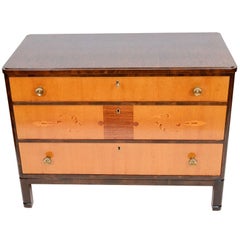
Vintage 1930s French Art Deco Dressers
Bronze
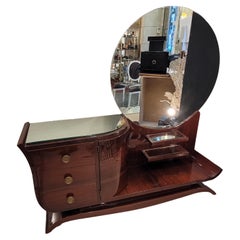
Vintage 1940s British Art Deco Vanities
Mahogany
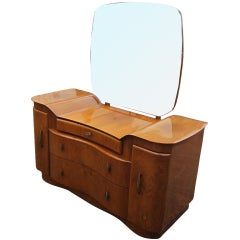
Art Deco Jewelry Cabinet For Sale on 1stDibs
How Much is a Art Deco Jewelry Cabinet?
A Close Look at Art-deco Furniture
Art Deco furniture is characterized by its celebration of modern life. More than its emphasis on natural wood grains and focus on traditional craftsmanship, vintage Art Deco dining chairs, tables, desks, cabinets and other furniture — which typically refers to pieces produced during the 1920s and 1930s — is an ode to the glamour of the “Roaring Twenties.”
ORIGINS OF ART DECO FURNITURE DESIGN
- Emerged in the 1920s
- Flourished while the popularity of Art Nouveau declined
- Term derives from 1925’s Exposition Internationale des Arts Décoratifs et Industriels Modernes (International Exhibition of Modern Decorative and Industrial Arts) in Paris, France
- Informed by Ancient Egypt, Cubism, Futurism, Louis XVI, De Stijl, modernism and the Vienna Secession; influenced Streamline Moderne and mid-century modernism
CHARACTERISTICS OF ART DECO FURNITURE DESIGN
- Bold geometric lines and forms, floral motifs
- Use of expensive materials such as shagreen or marble as well as exotic woods such as mahogany, ebony and zebra wood
- Metal accents, shimmering mirrored finishes
- Embellishments made from exotic animal hides, inlays of mother-of-pearl or ivory
ART DECO FURNITURE DESIGNERS TO KNOW
VINTAGE ART DECO FURNITURE ON 1STDIBS
Few design styles are as universally recognized and appreciated as Art Deco. The term alone conjures visions of the Roaring Twenties, Machine Age metropolises, vast ocean liners, sleek typography and Prohibition-era hedonism. The iconic movement made an indelible mark on all fields of design throughout the 1920s and ’30s, celebrating society’s growing industrialization with refined elegance and stunning craftsmanship.
Widely known designers associated with the Art Deco style include Émile-Jacques Ruhlmann, Eileen Gray, Maurice Dufrêne, Paul Follot and Jules Leleu.
The term Art Deco derives from the name of a large decorative arts exhibition held in Paris in 1925. “Art Deco design” is often used broadly, to describe the work of creators in associated or ancillary styles. This is particularly true of American Art Deco, which is also called Streamline Moderne or Machine Age design. (Streamline Moderne, sometimes known as Art Moderne, was a phenomenon largely of the 1930s, post–Art Nouveau.)
Art Deco textile designers employed dazzling floral motifs and vivid colors, and while Art Deco furniture makers respected the dark woods and modern metals with which they worked, they frequently incorporated decorative embellishments such as exotic animal hides as well as veneers in their seating, case pieces, living room sets and bedroom furniture.
From mother-of-pearl inlaid vitrines to chrome aviator chairs, bold and inventive works in the Art Deco style include chaise longues (also known as chaise lounges) and curved armchairs. Today, the style is still favored by interior designers looking to infuse a home with an air of luxury and sophistication.
The vintage Art Deco furniture for sale on 1stDibs includes dressers, coffee tables, decorative objects and more.
Finding the Right Storage-case-pieces for You
Of all the vintage storage cabinets and antique case pieces that have become popular in modern interiors over the years, dressers, credenzas and cabinets have long been home staples, perfect for routine storage or protection of personal items.
In the mid-19th century, cabinetmakers would mimic styles originating in the Louis XIV, Louis XV and Louis XVI eras for their dressers, bookshelves and other structures, and, later, simpler, streamlined wood designs allowed these “case pieces” or “case goods” — any furnishing that is unupholstered and has some semblance of a storage component — to blend into the background of any interior.
Mid-century modern furniture enthusiasts will cite the tall modular wall units crafted in teak and other sought-after woods of the era by the likes of George Nelson, Poul Cadovius and Finn Juhl. For these highly customizable furnishings, designers of the day delivered an alternative to big, heavy bookcases by considering the use of space — and, in particular, walls — in new and innovative ways. Mid-century modern credenzas, which, long and low, evolved from tables that were built as early as the 14th century in Italy, typically have no legs or very short legs and have grown in popularity as an alluring storage option over time.
Although the name immediately invokes images of clothing, dressers were initially created in Europe for a much different purpose. This furnishing was initially a flat-surfaced, low-profile side table equipped with a few drawers — a common fixture used to dress and prepare meats in English kitchens throughout the Tudor period. The drawers served as perfect utensil storage. It wasn’t until the design made its way to North America that it became enlarged and equipped with enough space to hold clothing and cosmetics. The very history of case pieces is a testament to their versatility and well-earned place in any room.
In the spirit of positioning your case goods center stage, decluttering can now be design-minded.
A contemporary case piece with open shelving and painted wood details can prove functional as a storage unit as easily as it can a room divider. Alternatively, apothecary cabinets are charming case goods similar in size to early dressers or commodes but with uniquely sized shelving and (often numerous) drawers.
Whether you’re seeking a playful sideboard that features colored glass and metal details, an antique Italian hand-carved storage cabinet or a glass-door vitrine to store and show off your collectibles, there are options for you on 1stDibs.
- What is art deco jewelry?1 Answer1stDibs ExpertFebruary 22, 2021Art Deco jewelry was popular during the design movement of the 1920s and 30s. Art Deco jewelry is typically characterized by geometric patterns and gemstones of contrasting colors.
- Is Art Deco jewelry valuable?1 Answer1stDibs ExpertFebruary 1, 2024Yes, some Art Deco jewelry is valuable. Jewelry from the 1920s and ’30s has remained consistently popular. It experienced a major revival in the 1960s, and even today, jewelry makers continue to be inspired by the period. As a result, demand for Art Deco jewelry is typically high, but the actual value of a piece depends on its style, maker, age and condition. A certified appraiser or experienced antiques dealer can help you determine how much your jewelry is worth. Explore a large selection of Art Deco jewelry on 1stDibs.
- 1stDibs ExpertFebruary 13, 2023There are many differences between Edwardian and Art Deco jewelry. Antique Edwardian jewelry is named for King Edward VII of Great Britain, who ruled from 1901 until 1910, while the Art Deco period emerged later. Jewelry created in the Art Deco style was made during the 1920s and ’30s. During the Edwardian era, pearls were more valuable than diamonds, and jewelry was all about the exquisite diamond, platinum and pearl creations made by such famous names as Cartier and Boucheron. Cartier also created some of the most iconic jewelry designs that defined Art Deco, an era that saw designers drawing on Egyptian adornment and African art, and accessories featuring jade, lapis lazuli, coral, turquoise and other bright gemstones became all the rage. Shop antique Art Deco and Edwardian jewelry on 1stDibs.