Art Deco Style Sideboard
Early 20th Century Sideboards
Wood
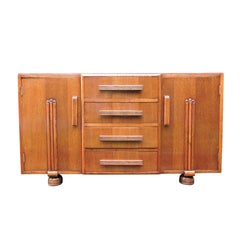
21st Century and Contemporary Unknown Art Deco Wardrobes and Armoires
Metal
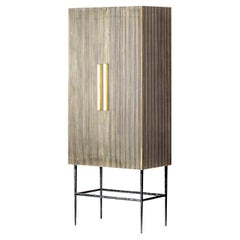
Vintage 1970s French Mid-Century Modern Sideboards
Brass
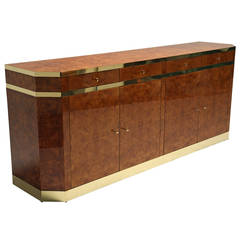
21st Century and Contemporary European Art Deco Cabinets
Mirror
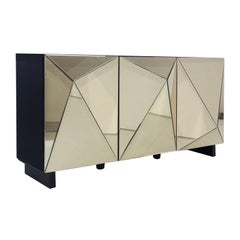

21st Century and Contemporary British Art Deco Sideboards
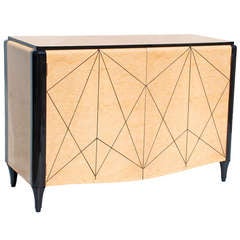
Vintage 1930s English Art Deco Sideboards
Birch
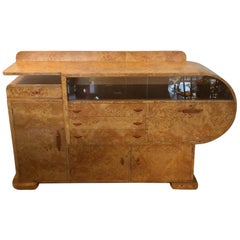
Early 20th Century French Art Deco Sideboards
Marble
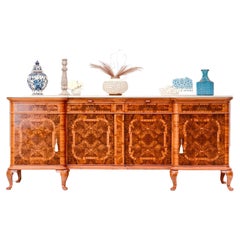
Vintage 1980s Unknown Art Deco Buffets
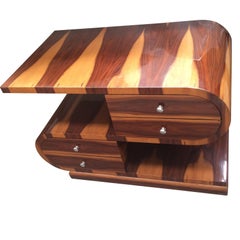
21st Century and Contemporary European Art Deco Sideboards
Metal
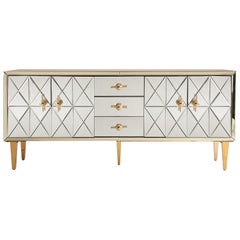
Vintage 1940s French Art Deco Buffets

21st Century and Contemporary Unknown Art Deco Sideboards
Mirror
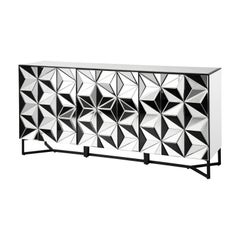
21st Century and Contemporary Unknown Hollywood Regency Sideboards
Metal

Vintage 1940s French Art Deco Sideboards
Brass
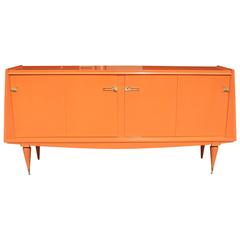
Vintage 1940s Art Deco Sideboards
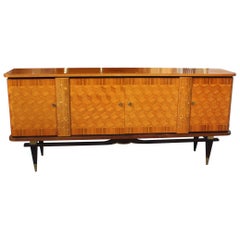
Vintage 1930s Italian Art Deco Side Tables
Rosewood
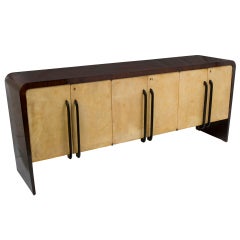
Vintage 1930s French Sideboards
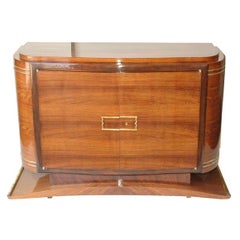
Late 20th Century American Buffets
Granite, Silver Leaf
Vintage 1940s French Art Deco Cabinets
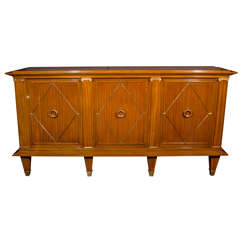
Vintage 1950s Sideboards
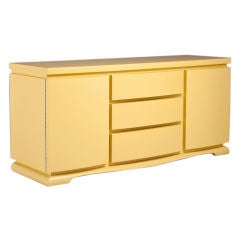
Vintage 1940s French Art Deco Buffets
Bronze
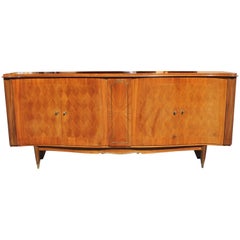
Late 20th Century French Art Deco Sideboards
Brass
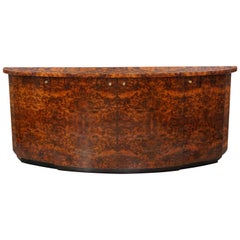
Vintage 1960s German Bauhaus Sideboards
Oak
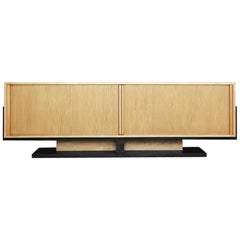
Vintage 1930s French Dining Room Sets
Mother-of-Pearl
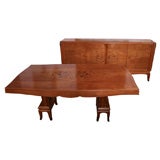
Vintage 1940s French Art Deco Buffets
Metal
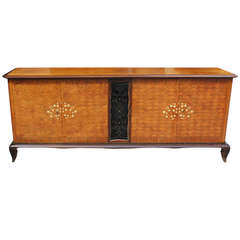
Vintage 1930s French Sideboards
Palisander, Mother-of-Pearl
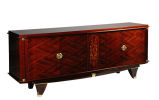
Vintage 1940s French Art Deco Sideboards
Bronze
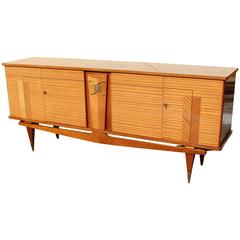
Vintage 1970s American Mid-Century Modern Sideboards
Brass
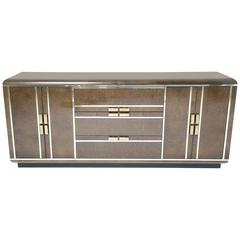
20th Century French Sideboards
Brass
Vintage 1940s French Art Deco Buffets
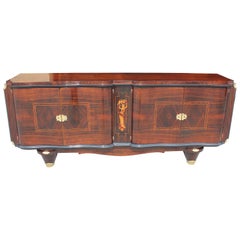
Vintage 1940s French Art Deco Sideboards
Bronze
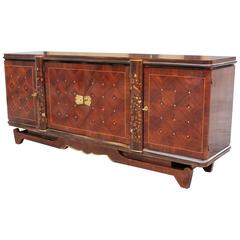
21st Century and Contemporary Unknown Art Deco Sideboards
Marble, Metal
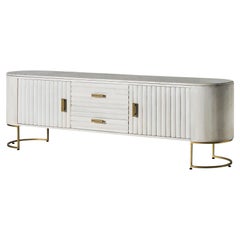
21st Century and Contemporary Unknown Art Deco Sideboards
Marble, Metal
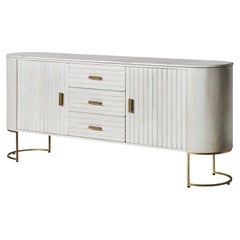
Vintage 1970s French Art Deco Sideboards
Brass
Vintage 1940s French Sideboards
Oak
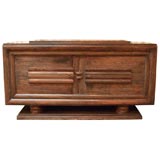
Vintage 1940s French Art Deco Sideboards
Bronze

Vintage 1940s French Sideboards
Bronze
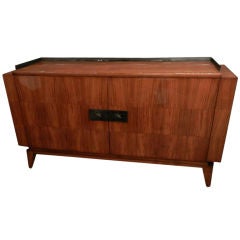
Late 20th Century French Art Deco Sideboards
Burl
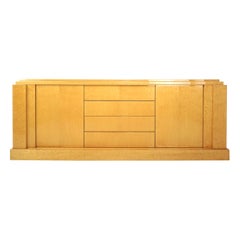
Vintage 1930s French Sideboards
Rosewood
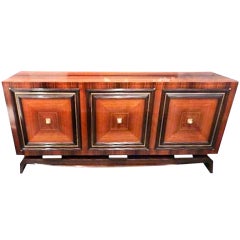
Vintage 1930s French Sideboards
Brass
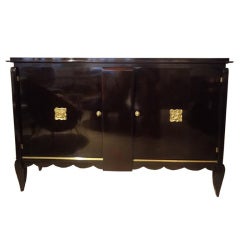
Vintage 1930s Italian Commodes and Chests of Drawers
Walnut, Rosewood
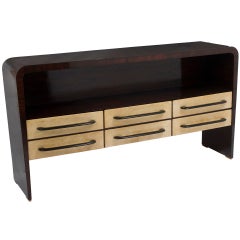
21st Century and Contemporary European Art Deco Sideboards
Mirror
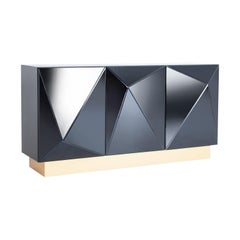
Vintage 1920s French Art Deco Side Tables
Glass, Sycamore, Wood
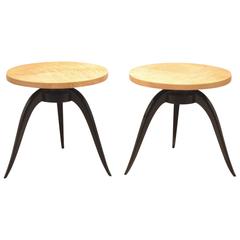
Vintage 1920s French Art Deco Sideboards
Glass, Sycamore, Wood
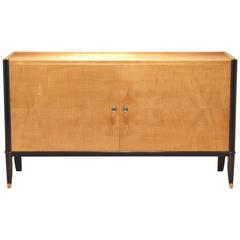
21st Century and Contemporary Unknown Art Deco Sideboards
Metal
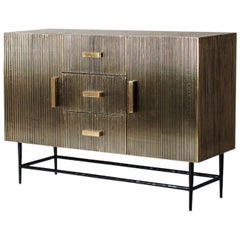
Vintage 1940s French Art Deco Credenzas
Oak
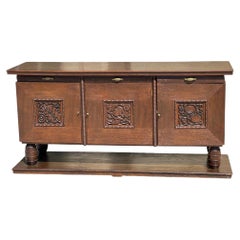
Vintage 1940s French Art Deco Commodes and Chests of Drawers
Brass
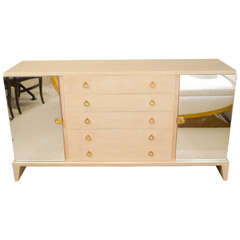
20th Century French Art Deco Sideboards
Brass
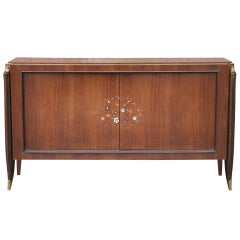
Mid-20th Century Scandinavian Mid-Century Modern Sideboards
Wood
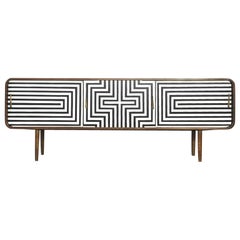
20th Century Art Deco Sideboards
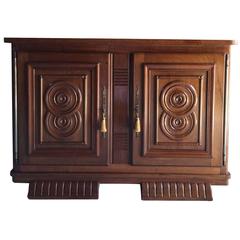
Vintage 1950s Scandinavian Scandinavian Modern Credenzas
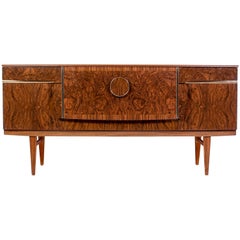
20th Century French Art Deco Sideboards
Marble, Brass
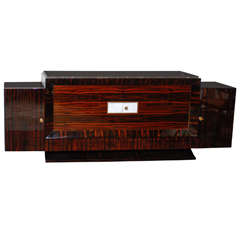
Late 20th Century Dutch Art Deco Sideboards
Oak
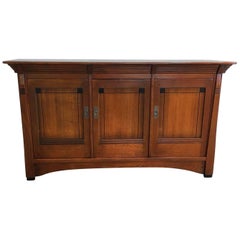
20th Century French Art Deco Sideboards
Chrome
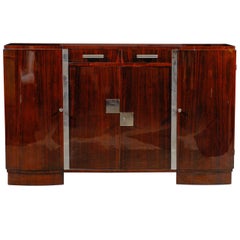
Vintage 1920s Art Deco Sideboards
Macassar, Lacquer

Vintage 1930s French Art Deco Sideboards
Lacquer
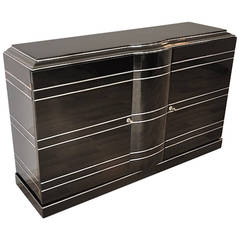
21st Century and Contemporary German Art Deco Sideboards
Lacquer
- 1
Art Deco Style Sideboard For Sale on 1stDibs
How Much is a Art Deco Style Sideboard?
A Close Look at Art Deco Furniture
Art Deco furniture is characterized by its celebration of modern life. More than its emphasis on natural wood grains and focus on traditional craftsmanship, vintage Art Deco dining chairs, tables, desks, cabinets and other furniture — which typically refers to pieces produced during the 1920s and 1930s — is an ode to the glamour of the “Roaring Twenties.”
ORIGINS OF ART DECO FURNITURE DESIGN
- Emerged in the 1920s
- Flourished while the popularity of Art Nouveau declined
- Term derives from 1925’s Exposition Internationale des Arts Décoratifs et Industriels Modernes (International Exhibition of Modern Decorative and Industrial Arts) in Paris, France
- Informed by Ancient Egypt, Cubism, Futurism, Louis XVI, De Stijl, modernism and the Vienna Secession; influenced Streamline Moderne and mid-century modernism
CHARACTERISTICS OF ART DECO FURNITURE DESIGN
- Bold geometric lines and forms, floral motifs
- Use of expensive materials such as shagreen or marble as well as exotic woods such as mahogany, ebony and zebra wood
- Metal accents, shimmering mirrored finishes
- Embellishments made from exotic animal hides, inlays of mother-of-pearl or ivory
ART DECO FURNITURE DESIGNERS TO KNOW
VINTAGE ART DECO FURNITURE ON 1STDIBS
Few design styles are as universally recognized and appreciated as Art Deco. The term alone conjures visions of the Roaring Twenties, Machine Age metropolises, vast ocean liners, sleek typography and Prohibition-era hedonism. The iconic movement made an indelible mark on all fields of design throughout the 1920s and ’30s, celebrating society’s growing industrialization with refined elegance and stunning craftsmanship.
Widely known designers associated with the Art Deco style include Émile-Jacques Ruhlmann, Eileen Gray, Maurice Dufrêne, Paul Follot and Jules Leleu.
The term Art Deco derives from the name of a large decorative arts exhibition held in Paris in 1925. “Art Deco design” is often used broadly, to describe the work of creators in associated or ancillary styles. This is particularly true of American Art Deco, which is also called Streamline Moderne or Machine Age design. (Streamline Moderne, sometimes known as Art Moderne, was a phenomenon largely of the 1930s, post–Art Nouveau.)
Art Deco textile designers employed dazzling floral motifs and vivid colors, and while Art Deco furniture makers respected the dark woods and modern metals with which they worked, they frequently incorporated decorative embellishments such as exotic animal hides as well as veneers in their seating, case pieces, living room sets and bedroom furniture.
From mother-of-pearl inlaid vitrines to chrome aviator chairs, bold and inventive works in the Art Deco style include chaise longues (also known as chaise lounges) and curved armchairs. Today, the style is still favored by interior designers looking to infuse a home with an air of luxury and sophistication.
The vintage Art Deco furniture for sale on 1stDibs includes dressers, coffee tables, decorative objects and more.
Finding the Right Sideboards for You
An antique or vintage sideboard today is a sophisticated and stylish component in sumptuous dining rooms of every shape, size and decor scheme, as well as a statement of its own, showcased in art galleries and museums.
Once simply boards made of wood that were used to support ceremonial dining, sideboards have taken on much greater importance as case pieces since their modest first appearance. In Italy, the sideboard was basically a credenza, a solid furnishing with cabinet doors. It was initially intended as an integral piece of any dining room where the wealthy gathered for meals in the southern European country.
Later, in England and France, sideboards retained their utilitarian purpose — a place to keep hot water for rinsing silverware and from which to serve cold drinking water — but would evolve into double-bodied structures that allowed for the display of serveware and utensils on open shelves. We would likely call these buffets, as they’re taller than a sideboard. (Trust us — there is an order to all of this!)
The sideboard is often deemed a buffet in the United States, from the French buffet à deux corps, which referred to a storage and display case. However, a buffet technically possesses a tiered or shelved superstructure for displaying attractive kitchenware and certainly makes more sense in the context of buffet dining — abundant meals served for crowds of people.
Every imaginable iteration of the sideboard has taken shape over the years. Furniture maker and artist Paul Evans, whose work has been the subject of various celebrated museum exhibitions, created ornamented, welded and patinated sideboards for Directional Furniture, collections such as the Cityscape series that speak to his place in revolutionary brutalist furniture design as much as they echo the origins of these sturdy, functional structures centuries ago.
If mid-century modern sideboards or vintage Danish sideboards are more to your liking than an 18th-century mahogany sideboard with decorative inlays in the Hepplewhite style, the particularly elegant pieces crafted by designers Hans Wegner, Edward Wormley or Florence Knoll are often sought by today’s collectors.
Whether you have a specific era or style in mind or you’re open to browsing a vast collection to find the right fit, 1stDibs has a variety of antique and vintage sideboards to choose from.
- 1stDibs ExpertAugust 15, 2019
Art Deco style furniture appeared right before the start of World War I and is defined by sharp lines, vibrant colors and bold patterns. Heavily influenced by geometry, Art Deco furniture was born out of the Cubism movement.
- 1stDibs ExpertFebruary 27, 2024In its time, Art Deco went out of style due to shifts in trends. After World War II, designers became more interested in modernism and creating pieces with an emphasis on function and simplicity, a move away from the embellishment and adornment that characterized the Art Deco style. It's important to note that Art Deco never fully disappeared. In fact, many present-day collectors have a passion for pieces produced during the 1920s and ’30s. Shop a large selection of Art Deco furniture on 1stDibs.