Arts And Crafts Teapot
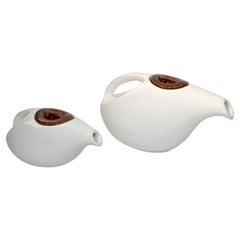
Late 20th Century American Arts and Crafts Tea Sets
Ceramic

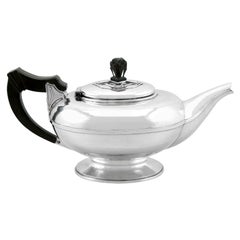
Vintage 1930s English Sterling Silver
Sterling Silver
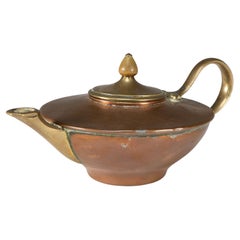
Antique Early 1900s Arts and Crafts Tea Sets
Copper
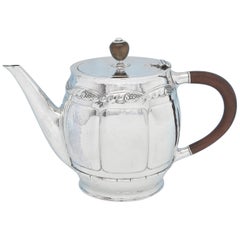
Vintage 1910s English Arts and Crafts Sterling Silver
Sterling Silver
Antique 1890s English Arts and Crafts Centerpieces
Copper
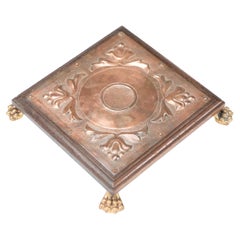
Antique Late 19th Century British Late Victorian Tableware
Brass
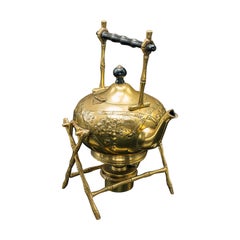
Vintage 1920s English Tea Sets
Sterling Silver
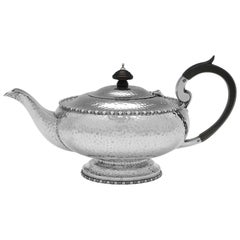
Antique Early 1900s English Arts and Crafts Tea Sets
Silver Plate
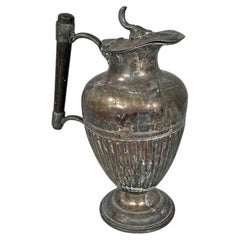
21st Century and Contemporary South African Modern Tea Caddies
Ceramic
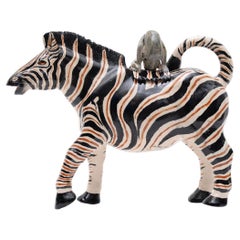
Vintage 1930s English Arts and Crafts Tea Sets
Sterling Silver
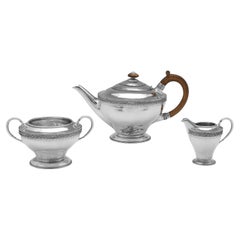
Antique 1870s English Arts and Crafts Tableware
Brass, Copper
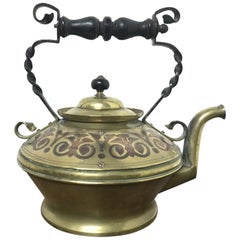
1990s American Arts and Crafts Tea Sets
Clay
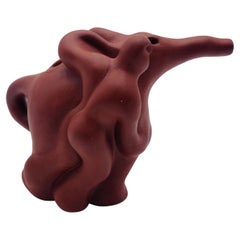
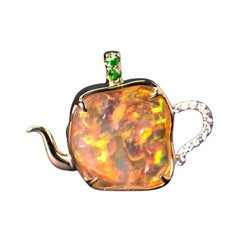
2010s American Arts and Crafts Pendant Necklaces
Diamond, Opal, Tsavorite, Fire Opal, 18k Gold, Yellow Gold
Recent Sales
20th Century American Arts and Crafts Ceramics
Stoneware
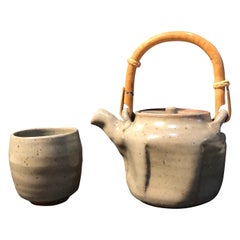
Vintage 1910s English Arts and Crafts Tea Sets
Earthenware
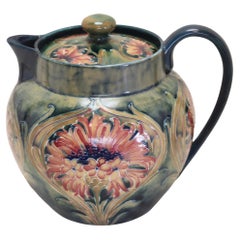
Vintage 1950s Mexican Arts and Crafts Sterling Silver
Silver
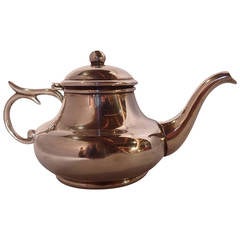
2010s Chinese Arts and Crafts Porcelain
Ceramic, Porcelain
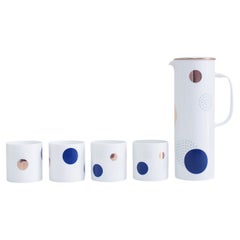
2010s Chinese Arts and Crafts Tableware
Ceramic
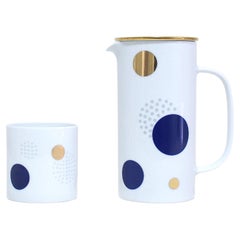
2010s Chinese Arts and Crafts Porcelain
Ceramic, Porcelain
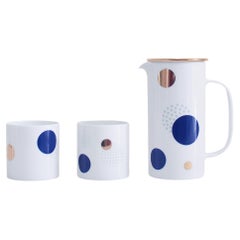
Late 20th Century American Arts and Crafts Ceramics
Ceramic
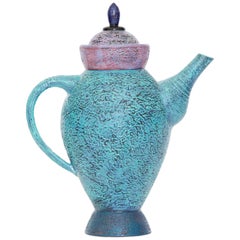
Antique 1890s English Victorian Tea Sets
Sterling Silver
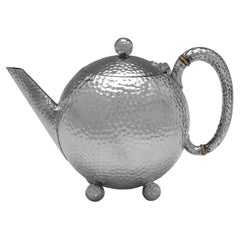
Vintage 1980s French Arts and Crafts Porcelain
Porcelain
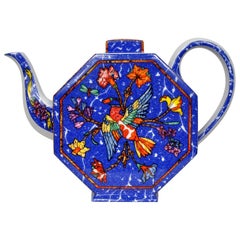
Antique 1870s British Arts and Crafts Tea Sets
Silver Plate
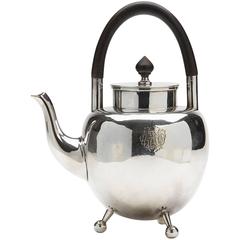
Antique Early 1900s English Arts and Crafts Sterling Silver
Sterling Silver
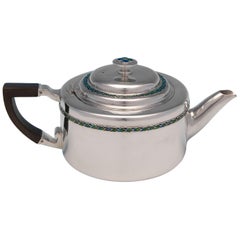
Early 20th Century American Arts and Crafts Pottery
Pottery
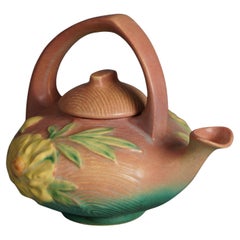
Vintage 1930s English Arts and Crafts Tea Sets
Sterling Silver
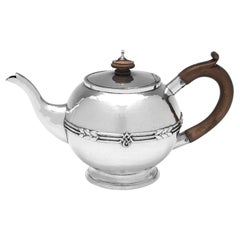
20th Century American Arts and Crafts Ceramics
Clay
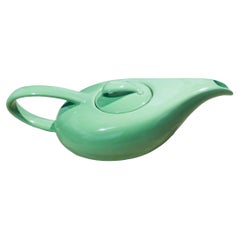
Early 20th Century French Arts and Crafts Porcelain
Ceramic, Porcelain

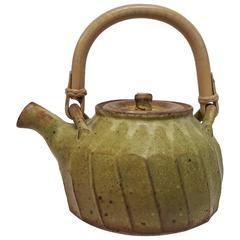
Early 2000s North American Arts and Crafts Pottery
Pottery, Stoneware
People Also Browsed
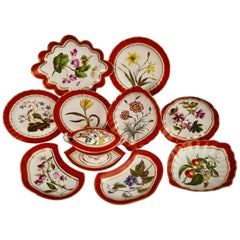
Antique 1790s English George III Dinner Plates
Porcelain
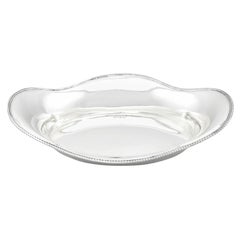
Antique Early 1900s British Edwardian Sterling Silver
Silver, Sterling Silver
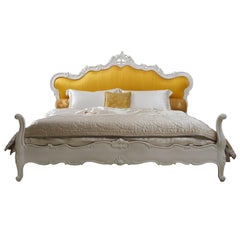
21st Century and Contemporary English Louis XV Beds and Bed Frames
Wood
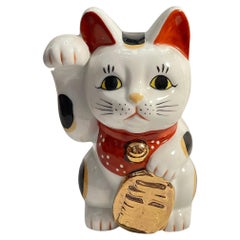
Vintage 1980s Japanese Showa Animal Sculptures
Porcelain
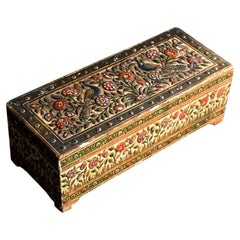
Antique 1880s Indian Early Victorian Decorative Boxes
Wood
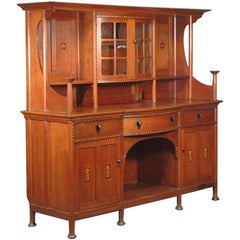
Antique Late 19th Century English Arts and Crafts Sideboards
Ebony, Fruitwood, Oak
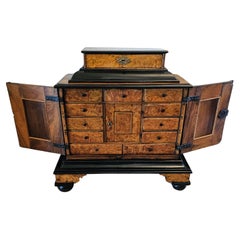
Antique Early 19th Century German Biedermeier Apothecary Cabinets
Iron
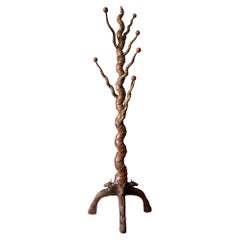
Antique Mid-19th Century German Black Forest Abstract Sculptures
Rosewood
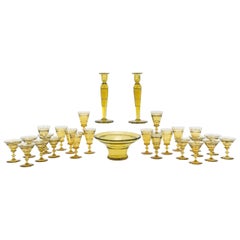
Vintage 1910s American Art Deco Tableware
Crystal
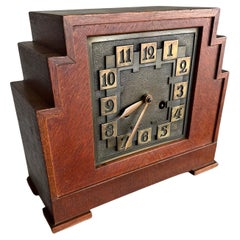
Early 20th Century Dutch Arts and Crafts Mantel Clocks
Metal, Brass, Iron
Late 20th Century Irish Modern Crystal Serveware
Crystal

Late 20th Century Italian Modern Decorative Boxes
Metal

2010s Italian Western European Rugs
Wool
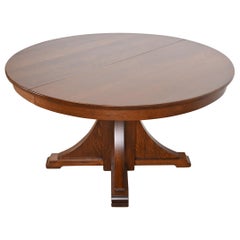
Antique Early 1900s American Arts and Crafts Dining Room Tables
Oak
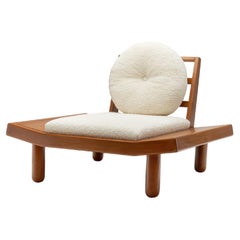
Vintage 1960s Indonesian Mid-Century Modern Lounge Chairs
Fabric, Bouclé, Wood
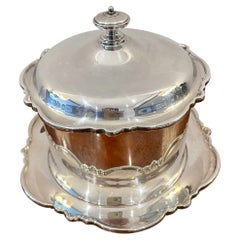
Antique Early 1900s English Edwardian Sterling Silver
Silver Plate
Arts And Crafts Teapot For Sale on 1stDibs
How Much is a Arts And Crafts Teapot?
A Close Look at Arts-and-crafts Furniture
Emerging in reaction to industrialization and mass production, the Arts and Crafts movement celebrated handcrafted design as a part of daily life. The history of Arts and Crafts furniture has roots in 1860s England with an emphasis on natural motifs and simple flourishes like mosaics and carvings. This work is characterized by plain construction that showcases the hand of the artisan.
The earliest American Arts and Crafts furniture dates back to the start of the 20th century. Designers working in this style in the United States initially looked to ideas put forth by The Craftsman, a magazine published by Wisconsin native Gustav Stickley, a furniture maker and founder of the Craftsman style. Stickley’s furniture was practical and largely free of ornament. His Craftsman style drew on French Art Nouveau as well as the work he encountered on his travels in England. There, the leading designers of the Arts and Crafts movement included William Morris, who revived historical techniques such as embroidery and printed fabrics in his furnishings, and Charles Voysey, whose minimal approach was in contrast to the ornamentation favored in the Victorian era.
American Arts and Crafts work would come to involve a range of influences unified by an elevation of traditional craftsmanship. The furniture was often built from sturdy woods like oak and mahogany while featuring details such as inlaid metal, tooled leather and ceramic tiles. The style in the United States was led by Stickley, whose clean-lined chairs and benches showcased the grain of the wood, and furniture maker Charles Rohlfs, who was informed by international influences like East Asian and French Art Nouveau design.
Hubs in America included several utopian communities such as Rose Valley in Pennsylvania and the Byrdcliffe Arts and Crafts Colony in New York, where craftspeople made furniture that prioritized function over any decoration. Their work would influence designers and architects including Frank Lloyd Wright, who built some of the most elegant and iconic structures in the United States and likewise embraced a thoughtful use of materials in his furniture.
Find antique Arts and Crafts chairs, tables, cabinets and other authentic period furniture on 1stDibs.
Finding the Right Dining-entertaining for You
Your dining room table is a place where stories are shared and personalities shine — why not treat yourself and your guests to the finest antique and vintage glass, silver, ceramics and serveware for your meals?
Just like the people who sit around your table, your serveware has its own stories and will help you create new memories with your friends and loved ones. From ceramic pottery to glass vases, set your table with serving pieces that add even more personality, color and texture to your dining experience.
Invite serveware from around the world to join your table settings. For special occasions, dress up your plates with a striking Imari charger from 19th-century Japan or incorporate Richard Ginori’s Italian porcelain plates into your dining experience. Celebrate the English ritual of afternoon tea with a Japanese tea set and an antique Victorian kettle. No matter how big or small your dining area is, there is room for the stories of many cultures and varied histories, and there are plenty of ways to add pizzazz to your meals.
Add different textures and colors to your table with dinner plates and pitchers of ceramic and silver or a porcelain lidded tureen, a serving dish with side handles that is often used for soups. Although porcelain and ceramic are both made in a kiln, porcelain is made with more refined clay and is more durable than ceramic because it is denser. The latter is ideal for statement pieces — your tall mid-century modern ceramic vase is a guaranteed conversation starter. And while your earthenware or stoneware is maybe better suited to everyday lunches as opposed to the fine bone china you’ve reserved for a holiday meal, handcrafted studio pottery coffee mugs can still be a rich expression of your personal style.
“My motto is ‘Have fun with it,’” says author and celebrated hostess Stephanie Booth Shafran. “It’s yin and yang, high and low, Crate Barrel with Christofle silver. I like to mix it up — sometimes in the dining room, sometimes on the kitchen banquette, sometimes in the loggia. It transports your guests and makes them feel more comfortable and relaxed.”
Introduce elegance at supper with silver, such as a platter from celebrated Massachusetts silversmith manufacturer Reed and Barton or a regal copper-finish flatware set designed by International Silver Company, another New England company that was incorporated in Meriden, Connecticut, in 1898. By then, Meriden had already earned the nickname “Silver City” for its position as a major hub of silver manufacturing.
At the bar, try a vintage wine cooler to keep bottles cool before serving or an Art Deco decanter and whiskey set for after-dinner drinks — there are many possibilities and no wrong answers for tableware, barware and serveware. Explore an expansive collection of antique and vintage glass, ceramics, silver and serveware today on 1stDibs.
- 1stDibs ExpertAugust 15, 2019
The Arts and Crafts Movement was an era of design that originated in England during the last quarter of the 19th century. The movement celebrated traditional craftsmanship by way of simple forms and the use of romantic, medieval or folk styles of decoration.
- 1stDibs ExpertAugust 15, 2024To identify Arts and Crafts furniture, look for characteristics that are hallmarks of the style. The Arts and Crafts movement began as a reaction to mass production, highlighting craftsmanship, raw materials and simple design. Makers working in this style placed an emphasis on natural motifs and adorned their pieces with simple flourishes like mosaics and carvings. This work is characterized by plain construction that showcases the hand of the artisan. Arts and Crafts furniture was often built from sturdy woods like oak and mahogany while featuring details such as inlaid metal, tooled leather and ceramic tiles. The style in the United States was led by Gustav Stickley, whose clean-lined chairs and benches showcased the grain of the wood, and furniture maker Charles Rohlfs, who was informed by international influences like East Asian and French Art Nouveau design. If you need help identifying the style of your furniture, a certified appraiser or knowledgeable antique dealer can be of assistance. Find a diverse assortment of Arts and Crafts furniture on 1stDibs.
- 1stDibs ExpertNovember 4, 2024To identify Arts and Crafts furniture, first see if you can locate a maker's mark on your piece. By researching any marks using trusted online resources, you can determine who produced your piece and find out if the maker was linked with the Arts and Crafts movement. Some notable makers associated with the style include William Morris and Philip Webb. If you can't find a maker's mark, examine the details of your piece. The Arts and Crafts movement began as a reaction to mass production, highlighting craftsmanship, raw materials and simple design. Due to its handcrafted origins, Arts and Crafts furniture often displays tool marks and slight variations in carvings and details. Pieces so regular that they seem machine-made are less likely to be Arts and Crafts furniture. Other common characteristics of Arts and Crafts pieces include inlaid and carved details and natural wood materials with visible grains. Chairs often feature reclining or angled backs and armrests. If you'd like assistance determining whether a particular piece is Arts and Crafts, consider consulting a certified appraiser or experienced antique dealer. On 1stDibs, explore a range of Arts and Crafts furniture.