Barcelona Bauhaus
Vintage 1930s Spanish Bauhaus Console Tables
Steel

Vintage 1970s Italian Bauhaus Daybeds
Chrome
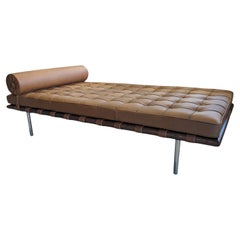
Vintage 1970s Italian Bauhaus Daybeds
Chrome
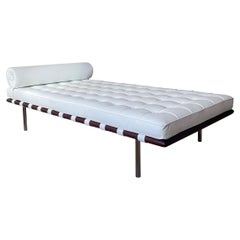
Vintage 1970s Italian Bauhaus Daybeds
Chrome
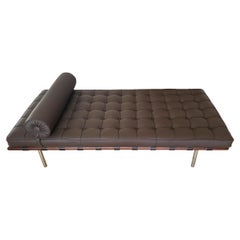
Vintage 1970s Italian Bauhaus Daybeds
Chrome
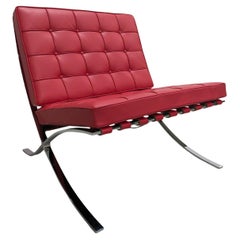
Vintage 1970s European Coffee and Cocktail Tables
Metal
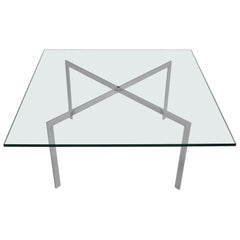
21st Century and Contemporary European Bauhaus Armchairs
Leather
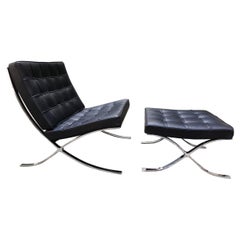
2010s Italian Bauhaus Lounge Chairs
Chrome
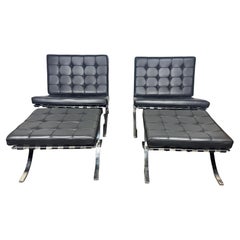
Vintage 1950s German Bauhaus Chairs
Steel
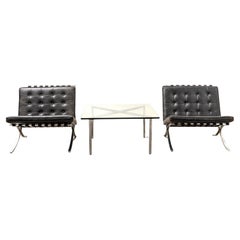
21st Century and Contemporary Bauhaus Color Photography
Archival Pigment, Archival Paper, Photographic Paper, Giclée
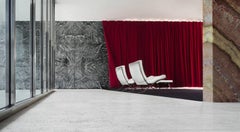
Early 2000s American Bauhaus Lounge Chairs
Stainless Steel
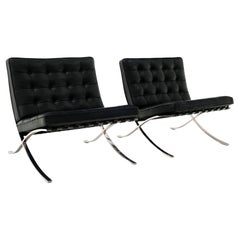
Vintage 1980s Italian Bauhaus Armchairs
Metal
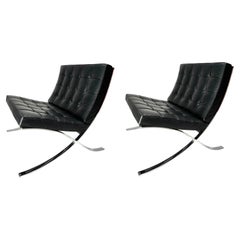
21st Century and Contemporary Bauhaus Color Photography
Photographic Paper, Archival Pigment, Archival Ink, Archival Paper, Giclée
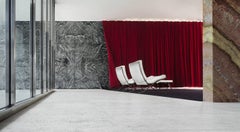
Vintage 1960s American Bauhaus Lounge Chairs
Chrome

Vintage 1970s German Bauhaus Chairs
Stainless Steel
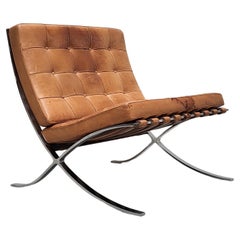
Vintage 1920s American Bauhaus Coffee and Cocktail Tables
Steel, Chrome
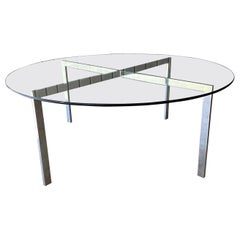
Vintage 1970s American Bauhaus Lounge Chairs
Stainless Steel
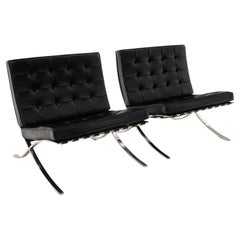
Vintage 1960s German Bauhaus Chairs
Stainless Steel
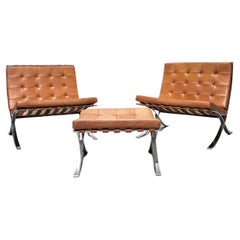
Mid-20th Century American Bauhaus Lounge Chairs
Steel
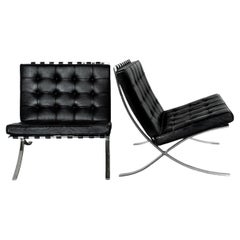
Vintage 1950s German Bauhaus Lounge Chairs
Stainless Steel
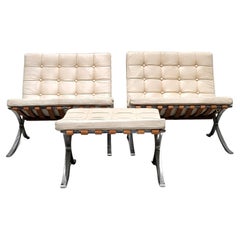
Vintage 1950s American Bauhaus Coffee and Cocktail Tables
Chrome
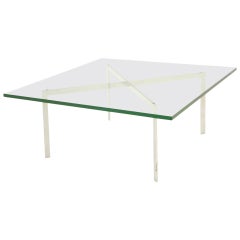
Vintage 1950s German Bauhaus Lounge Chairs
Stainless Steel
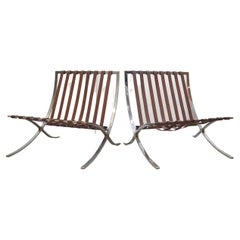
Vintage 1970s Italian Bauhaus Daybeds
Chrome
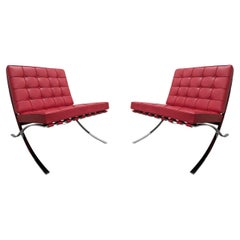
Vintage 1960s American Bauhaus Ottomans and Poufs
Stainless Steel
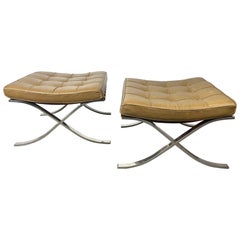
Vintage 1960s American Mid-Century Modern Lounge Chairs
Steel, Chrome
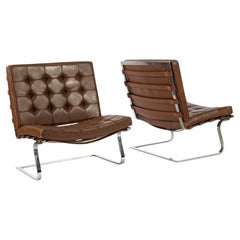
Recent Sales
Mid-20th Century German Bauhaus Lounge Chairs
Steel
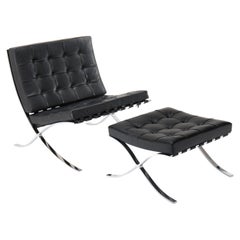
Vintage 1950s Bauhaus Lounge Chairs
Chrome
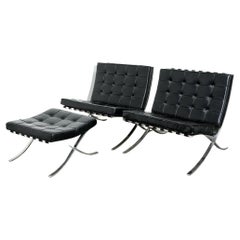
Early 20th Century American Bauhaus Lounge Chairs
Stainless Steel, Steel
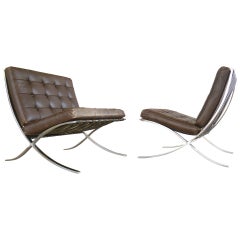
1990s American Bauhaus Coffee and Cocktail Tables
Steel, Chrome
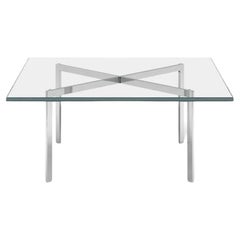
20th Century Unknown Mid-Century Modern Coffee and Cocktail Tables
Stainless Steel
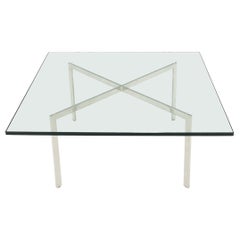
2010s German Chairs
Stainless Steel
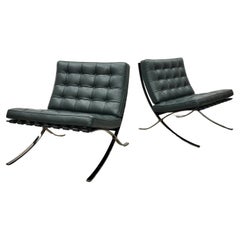
Vintage 1960s German Bauhaus Lounge Chairs
Leather, Rosewood
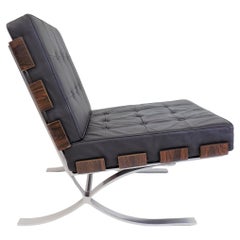
Vintage 1970s Italian Bauhaus Coffee and Cocktail Tables
Stainless Steel
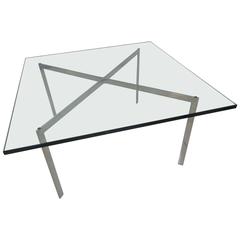
1990s Italian Bauhaus Lounge Chairs
Chrome

Late 20th Century Unknown Bauhaus Loveseats
Chrome
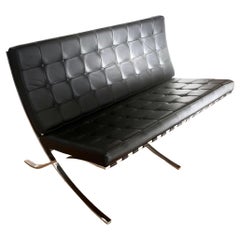
Late 20th Century Italian Bauhaus Chairs
Steel
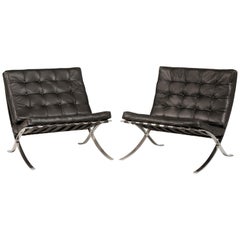
21st Century and Contemporary European Bauhaus Armchairs
Leather
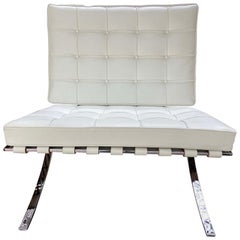
Mid-20th Century American Bauhaus Coffee and Cocktail Tables
Chrome
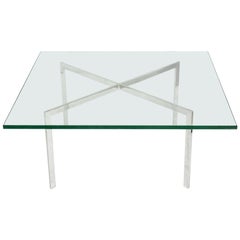
20th Century Italian Bauhaus Ottomans and Poufs
Chrome
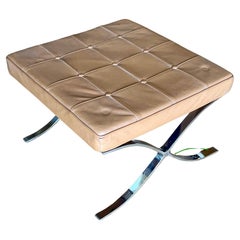
21st Century and Contemporary European Bauhaus Armchairs
Leather
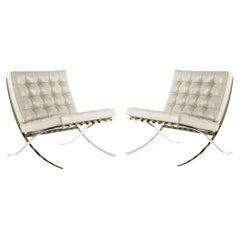
Early 2000s German Bauhaus Chairs
Stainless Steel
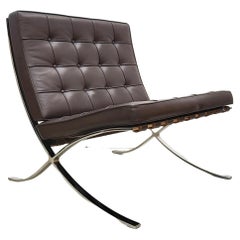
Vintage 1950s German Bauhaus Chairs
Glass, Leather
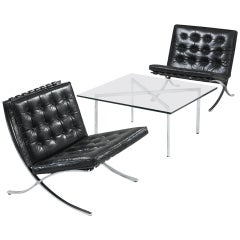
Vintage 1960s German Bauhaus Lounge Chairs
Stainless Steel, Chrome
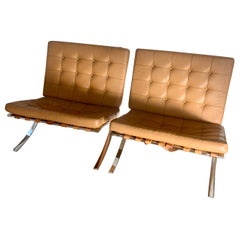
Vintage 1980s Italian Bauhaus Lounge Chairs
Chrome
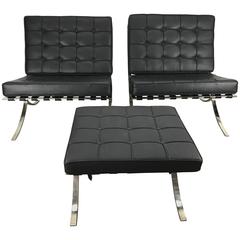
Vintage 1970s American Bauhaus Lounge Chairs
Chrome
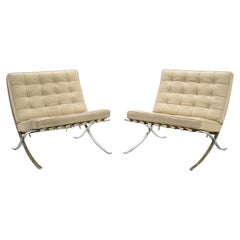
Vintage 1960s German Bauhaus Club Chairs
Steel
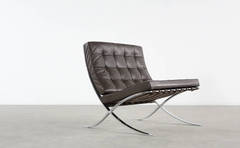
Vintage 1950s American Bauhaus Club Chairs
Steel
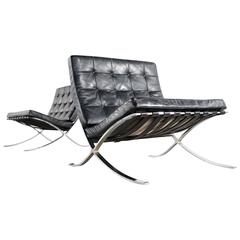
20th Century American Bauhaus Lounge Chairs
Stainless Steel
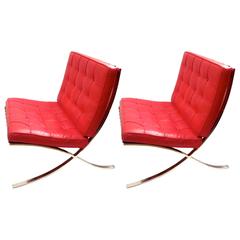
Vintage 1970s German Bauhaus Chairs
Stainless Steel
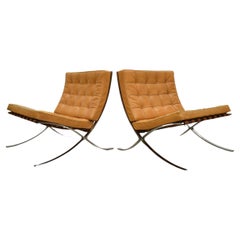
Vintage 1970s American Bauhaus Lounge Chairs
Stainless Steel
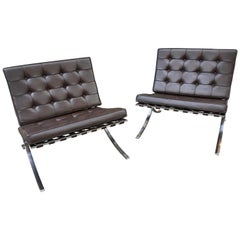
Mid-20th Century American Bauhaus Coffee and Cocktail Tables
Chrome
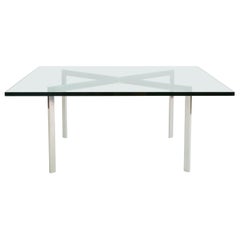
Vintage 1960s American Bauhaus Lounge Chairs
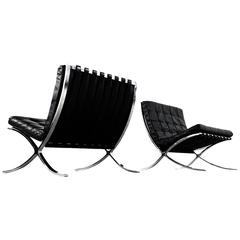
Mid-20th Century American Bauhaus Coffee and Cocktail Tables
Chrome, Stainless Steel
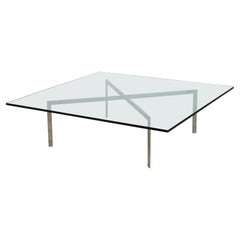
Late 20th Century Italian Bauhaus Lounge Chairs
Chrome
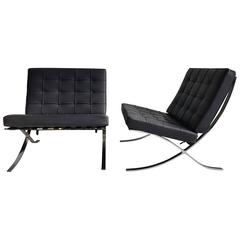
Vintage 1960s American Bauhaus Lounge Chairs
Chrome
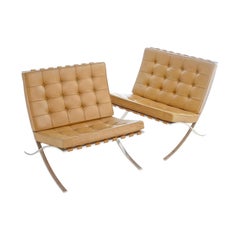
Vintage 1970s German Bauhaus Lounge Chairs
Chrome
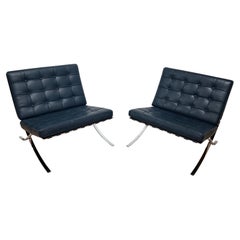
Vintage 1920s American Bauhaus Lounge Chairs
Chrome
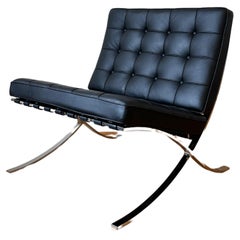
Vintage 1980s American Bauhaus Lounge Chairs
Stainless Steel
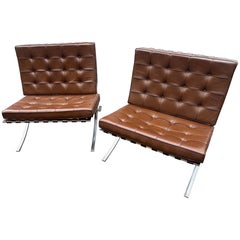
Early 20th Century German Bauhaus Lounge Chairs
Steel, Chrome
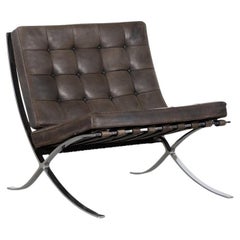
Vintage 1970s Spanish Modernist Cocktail Rings
Lapis Lazuli, Gold, 18k Gold, Yellow Gold
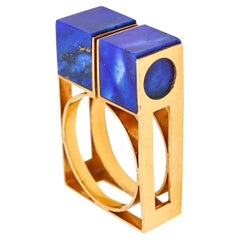
Vintage 1920s German Bauhaus Sofa Tables
Steel, Chrome
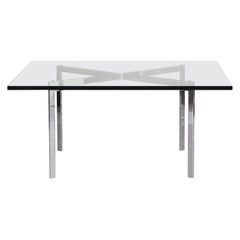
Vintage 1920s German Bauhaus Lounge Chairs
Chrome, Metal
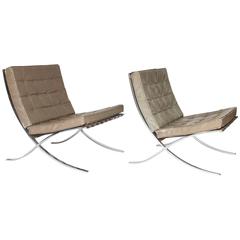
Vintage 1970s Italian Bauhaus Daybeds
Chrome
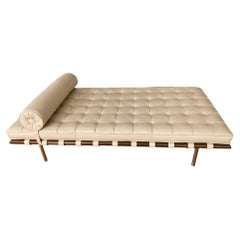
Vintage 1970s Italian Bauhaus Daybeds
Chrome
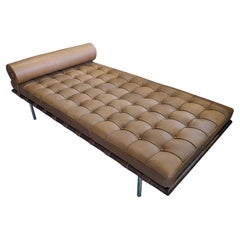
Late 20th Century Bauhaus Lounge Chairs
Chrome
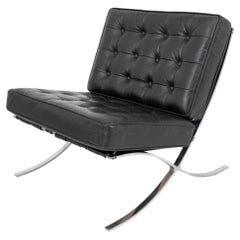
Vintage 1970s Italian Bauhaus Lounge Chairs
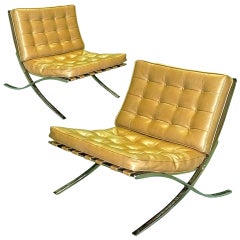
1990s Italian Bauhaus Lounge Chairs
Steel
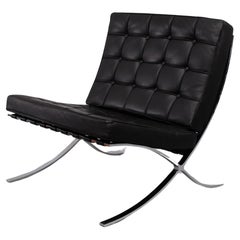
1990s Italian Bauhaus Daybeds
Steel, Chrome
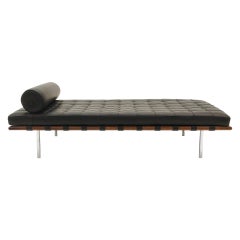
1990s Bauhaus Stools
Stainless Steel
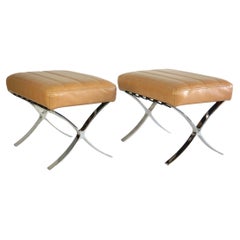
Vintage 1960s German Bauhaus Chairs
Stainless Steel
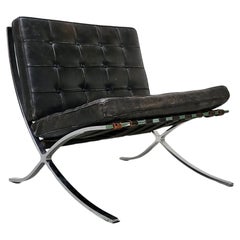
Late 20th Century American Bauhaus Daybeds
Leather, Walnut

Vintage 1960s Bauhaus Lounge Chairs
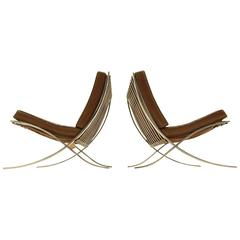
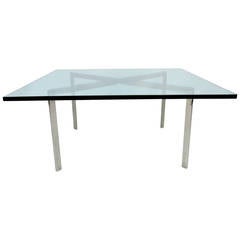
Vintage 1960s Italian Bauhaus Coffee and Cocktail Tables
Stainless Steel
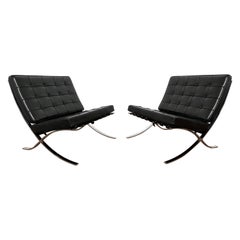
1990s Italian Bauhaus Lounge Chairs
Chrome
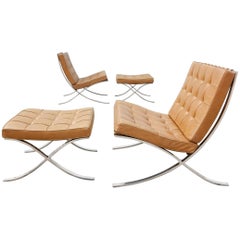
Vintage 1960s Bauhaus Lounge Chairs
Vintage 1970s Bauhaus Coffee and Cocktail Tables
Stainless Steel
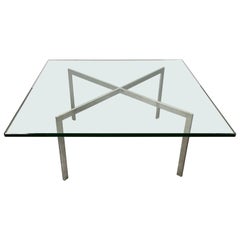
Vintage 1970s Italian Bauhaus Coffee and Cocktail Tables
Travertine, Chrome
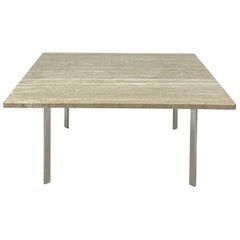
Mid-20th Century American Bauhaus Lounge Chairs
Stainless Steel
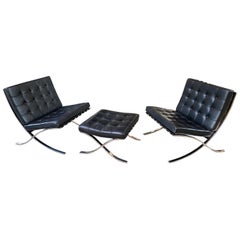
Mid-20th Century Italian Bauhaus Coffee and Cocktail Tables
Steel
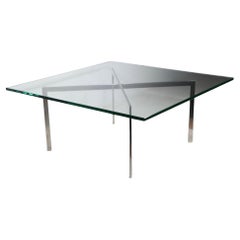
Vintage 1960s American Bauhaus Lounge Chairs
Stainless Steel
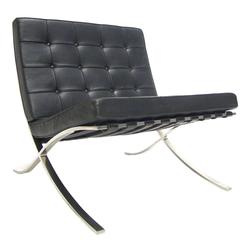
Mid-20th Century American Bauhaus Lounge Chairs
Chrome
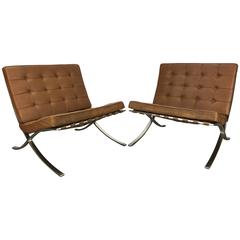
Vintage 1960s American Bauhaus Chairs
Stainless Steel
People Also Browsed
Mid-20th Century German Mid-Century Modern Lounge Chairs
Stainless Steel
Mid-20th Century American Mid-Century Modern Lounge Chairs
Stainless Steel
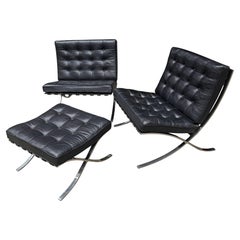
2010s Portuguese Mid-Century Modern Dining Room Tables
Stone, Limestone, Travertine, Marble
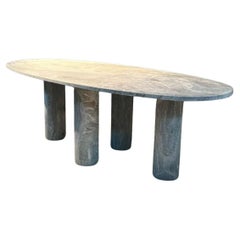
21st Century and Contemporary Italian Biedermeier Dining Room Chairs
Velvet, Walnut
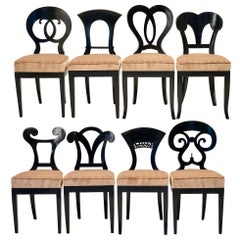
Vintage 1960s French Mid-Century Modern Barware
Bronze, Brass
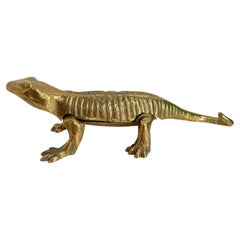
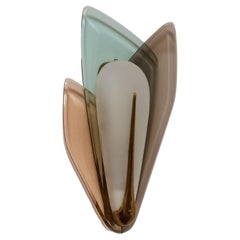
Vintage 1950s Italian Mid-Century Modern Wall Lights and Sconces
Brass
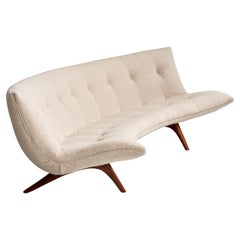
Vintage 1960s American Mid-Century Modern Sofas
Fabric, Walnut
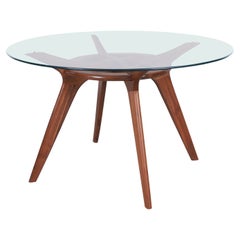
Vintage 1960s American Mid-Century Modern Dining Room Tables
Glass, Walnut
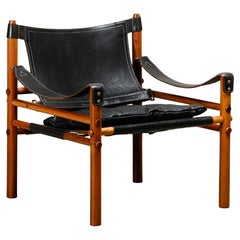
Mid-20th Century Swedish Scandinavian Modern Armchairs
Leather, Rope, Wood
Vintage 1970s Brazilian Mid-Century Modern Lounge Chairs
Stainless Steel
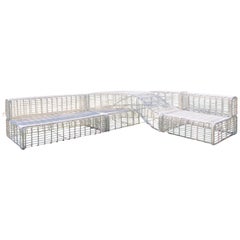
21st Century and Contemporary American Minimalist Sofas
Rattan
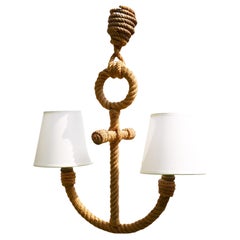
Vintage 1950s European French Provincial Chandeliers and Pendants
Rope
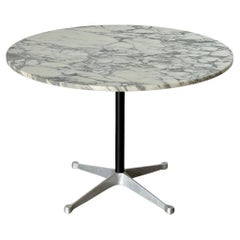
Mid-20th Century Italian Mid-Century Modern Dining Room Tables
Marble, Metal
Vintage 1950s Danish Scandinavian Modern Daybeds
Leather, Canvas, Oak
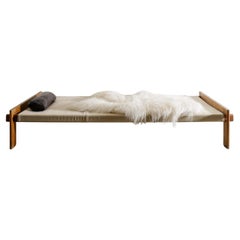
2010s Pillows and Throws
Cotton Canvas, Cowhide

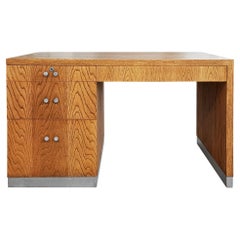
Vintage 1930s French Art Deco Desks and Writing Tables
Aluminum
Barcelona Bauhaus For Sale on 1stDibs
How Much are Barcelona Bauhaus?
Ludwig Mies van der Rohe for sale on 1stDibs
Architect, furniture designer and educator, Ludwig Mies van der Rohe was a central figure in the advancement and promotion of modernist design and architectural theory and practice. Like Frank Lloyd Wright and Le Corbusier, he was a hugely influential presence in the field, who shaped the course of 20th-century architecture both through his buildings and his teaching of rationalist design principles.
Born in the medieval German city of Aachen, Mies found an interest in architecture as a boy while working for his father, a master stonemason. He had no formal education as an architect, but learned his skills as an apprentice to the designer Bruno Paul, and as a staffer in the office the proto-modernist architect and designer Peter Behrens. Following World War I, Mies rose to prominence in his field amid the liberal atmosphere of the Weimar Republic. His reputation was secured by his work on the German Pavilion at the 1929 International Exposition in Barcelona (commonly referred to as the Barcelona Pavilion) — which Mies codesigned with Lilly Reich, his creative and romantic partner — a radically simple, poetic, open-plan building pared down to its architectural essentials. Mies would go on to direct the Bauhaus from 1930 until 1933, when Nazi-government interference forced the closure of the progressive art and design school. Later that decade, he made his way to Chicago, where he remained for the rest of his career as a practicing architect and a dean of the Illinois Institute of Technology.
Mies’s famed dictum “less is more” grew from his belief that architecture both guides and expresses the spirit of the times, and he envisioned the 20th century as open-minded, logical, transparent and liberated by technology. His best-known buildings — residences such as the Villa Tugendhat in Czechoslovakia and the Farnsworth House in rural Illinois; skyscrapers like the 860–880 Lake Shore Drive apartment towers in Chicago and the Seagram Building in New York — reflect that philosophy. As do the most famous furniture designs authored by him or codesigned with Reich.
Pieces designed by Mies and Reich such as the Barcelona chair (the authorized version is produced by Knoll today), stools and daybed, or the cantilevered Brno chairs, deliver a maximum of comfort and support from a minimum of materials: their “lavishness” derives from the precision with which they are engineered and constructed. For the collector, the allure of Mies’s furniture is at once practical and idealistic. Useful and functional, his works embody the highest aspirations of modernism.
Find vintage Mies van der Rohe chairs, tables and other furniture on 1stDibs.
A Close Look at Bauhaus Furniture
The Bauhaus was a progressive German art and design school founded by the architect Walter Gropius that operated from 1919 to 1933. Authentic Bauhaus furniture — sofas, dining chairs, tables and more — and the school’s followers married industrial and natural materials in simple, geometric forms. The goal of the Bauhaus was to erase the distinction between art and craft while embracing the use of new technologies and materials.
ORIGINS OF BAUHAUS FURNITURE DESIGN
- Art and design school established in Germany in 1919
- Promotion of a union of art, craft and technology
- Design intended for mass production
- School’s workshops focused on cabinetry, metalworking, typography, textiles and more
- Informed by De Stijl, Constructivism, Art Nouveau, Arts and Crafts, and modernism; influenced mid-century modernism, Scandinavian modernism
CHARACTERISTICS OF BAUHAUS FURNITURE DESIGN
- Emphasis on craft
- Simplicity, order, clarity and a prioritization of functionalism
- Incorporation of geometric shapes
- Minimalist and refined, little to no ornamentation
- Use of industrial materials such as tubular chrome, steel and plastic as well as leather, cane and molded plywood in furniture and other products
BAUHAUS FURNITURE DESIGNERS YOU SHOULD KNOW
- László Moholy-Nagy
- Ludwig Mies van der Rohe
- Anni Albers
- Josef Hoffmann
- Marcel Breuer
- Marianne Brandt
AUTHENTIC BAUHAUS FURNITURE ON 1STDIBS
The name Bauhaus is derived from the German verb bauen, “to build.” Under the school’s innovative curriculum, students were taught the fine arts, such as painting and sculpture, as well as practical skills like carpentry and metalworking.
The school moved from Weimar in 1925 to the city of Dessau, where it enjoyed its heyday under Gropius, then Hannes Meyer and Ludwig Mies van der Rohe. The period from 1932 to 1933 when it operated in Berlin under Mies was its final chapter. Despite its brief existence, the Bauhaus has had an enduring impact on art and design in the United States and elsewhere, and is regarded by many as the 20th century’s chief crucible of modernism.
The faculty roster at the Bauhaus reads like a who’s who of modernist creative genius — it included such artists as Paul Klee, Wassily Kandinsky and László Moholy-Nagy along with architects and designers like Mies and Marcel Breuer, who became known for his muscular brutalist-style concrete buildings in the postwar years. In 1925, while he was head of the Bauhaus carpentry workshop, Breuer gave form to his signature innovation: the use of lightweight tubular-steel frames for chairs, side tables and sofas — a technique soon adopted by Mies and others. Breuer’s Cesca chair was the first-ever tubular steel frame chair with a caned seat to be mass produced, while the inspiration for his legendary Wassily chair, a timeless design and part of the collection crafted to furnish the Dessau school, was the bike he rode around campus.
Bauhaus design style reflects the tenets by which these creators worked: simplicity, clarity and function. They disdained superfluous ornament in favor of precise construction. Seating pieces such as side chairs, armchairs or club chairs for example, were made with tubular metal or molded plywood frames, and upholstery was made from leather or cane. Above all, designs in the Bauhaus style offer aesthetic flexibility. They can be the elements of a wholly spare, minimalist space, the quiet foundation of an environment in which color and pattern come from one’s own collection of art and artifacts.
Today, from textiles to typefaces, architecture, furniture and decorative objects for the home, Bauhaus creations continue to have an outsize influence on modern design.
Find a collection of authentic Bauhaus furniture on 1stDibs.
Finding the Right Seating for You
With entire areas of our homes reserved for “sitting rooms,” the value of quality antique and vintage seating cannot be overstated.
Fortunately, the design of side chairs, armchairs and other lounge furniture — since what were, quite literally, the early perches of our ancestors — has evolved considerably.
Among the earliest standard seating furniture were stools. Egyptian stools, for example, designed for one person with no seat back, were x-shaped and typically folded to be tucked away. These rudimentary chairs informed the design of Greek and Roman stools, all of which were a long way from Sori Yanagi's Butterfly stool or Alvar Aalto's Stool 60. In the 18th century and earlier, seats with backs and armrests were largely reserved for high nobility.
The seating of today is more inclusive but the style and placement of chairs can still make a statement. Antique desk chairs and armchairs designed in the style of Louis XV, which eventually included painted furniture and were often made of rare woods, feature prominently curved legs as well as Chinese themes and varied ornaments. Much like the thrones of fairy tales and the regency, elegant lounges crafted in the Louis XV style convey wealth and prestige. In the kitchen, the dining chair placed at the head of the table is typically reserved for the head of the household or a revered guest.
Of course, with luxurious vintage or antique furnishings, every chair can seem like the best seat in the house. Whether your preference is stretching out on a plush sofa, such as the Serpentine, designed by Vladimir Kagan, or cozying up in a vintage wingback chair, there is likely to be a comfy classic or contemporary gem for you on 1stDibs.
With respect to the latest obsessions in design, cane seating has been cropping up everywhere, from sleek armchairs to lounge chairs, while bouclé fabric, a staple of modern furniture design, can be seen in mid-century modern, Scandinavian modern and Hollywood Regency furniture styles.
Admirers of the sophisticated craftsmanship and dark woods frequently associated with mid-century modern seating can find timeless furnishings in our expansive collection of lounge chairs, dining chairs and other items — whether they’re vintage editions or alluring official reproductions of iconic designs from the likes of Hans Wegner or from Charles and Ray Eames. Shop our inventory of Egg chairs, designed in 1958 by Arne Jacobsen, the Florence Knoll lounge chair and more.
No matter your style, the collection of unique chairs, sofas and other seating on 1stDibs is surely worthy of a standing ovation.
- 1stDibs ExpertMarch 22, 2022Mies van der Rohe was known for many things. Some people associate him with the Bauhaus School, which he led from 1930 to 1933. Others associate him with his most famous architectural designs, including the Seagram Building in New York. In addition, Mies van der Rohe was an influential furniture designer and the dean of the Illinois Institute of Technology. Find a collection of Mies van der Rohe furniture on 1stDibs.