Baroque Kitchen Cabinet
Antique Early 19th Century Baroque Cabinets
Paint
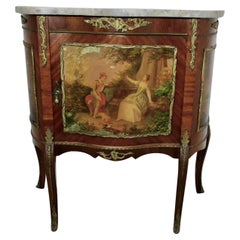
Antique Late 17th Century Spanish Spanish Colonial Cabinets
Bone, Ebony, Walnut
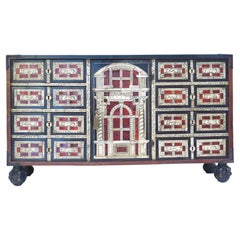
Antique Late 19th Century Spanish Baroque Cabinets
Walnut
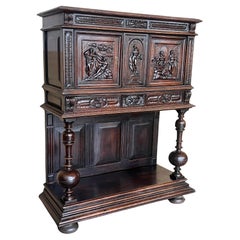
Antique 19th Century Baroque Cabinets
Metal
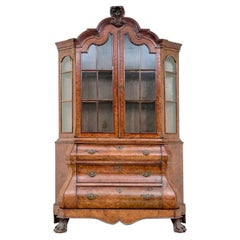
21st Century and Contemporary American Baroque Cabinets
Oak
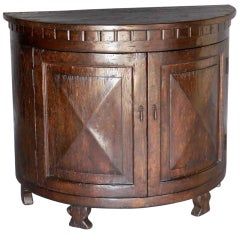

Antique 18th Century German Baroque Cabinets
Wood
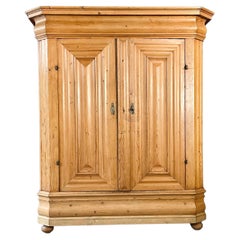
Antique 18th Century Italian Baroque Cabinets
Wood
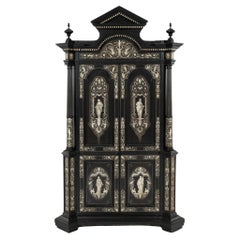
Antique Late 19th Century Baroque Cupboards
Iron
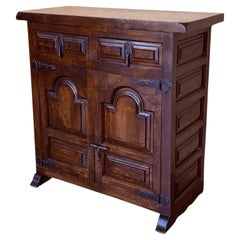
Antique Early 1900s Baroque Cabinets
Wood, Paint
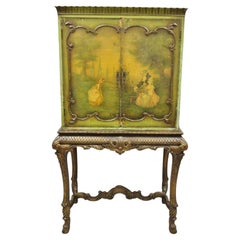
Antique Late 19th Century Spanish Baroque Cupboards
Walnut
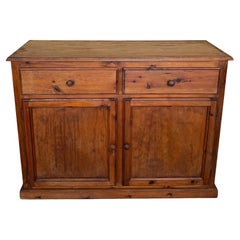
Vintage 1980s French Baroque Cabinets
Wrought Iron
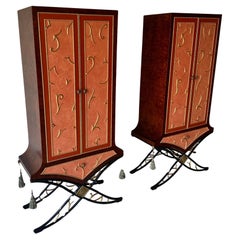
Antique Late 19th Century Spanish Baroque Cabinets
Walnut
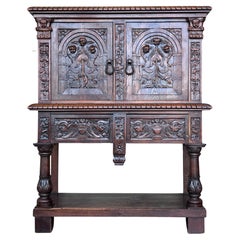
Antique Late 19th Century Spanish Baroque Cupboards
Iron
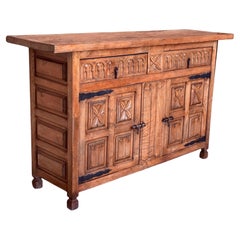
Antique 17th Century Spanish Baroque Cabinets
Wrought Iron
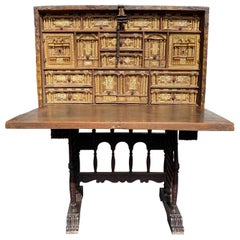
Antique Late 19th Century Baroque Cupboards
Iron
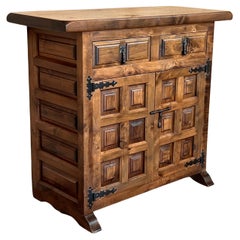
Antique Late 19th Century Spanish Baroque Cupboards
Iron
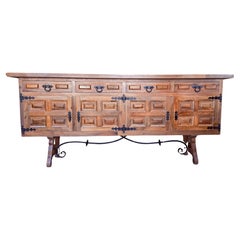
Antique Late 19th Century Baroque Cupboards
Iron
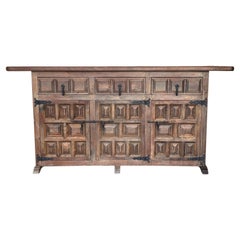
Antique Late 19th Century Baroque Cupboards
Iron
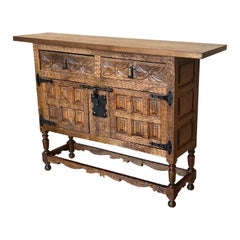
Antique Mid-18th Century Danish Baroque Cabinets
Bronze
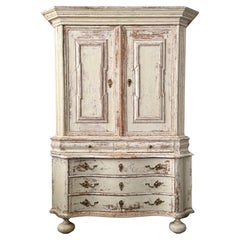
Early 20th Century Spanish Baroque Cabinets
Walnut
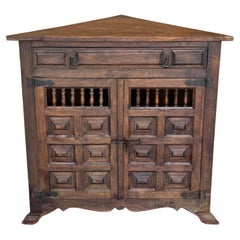
Antique Late 19th Century Baroque Cupboards
Iron
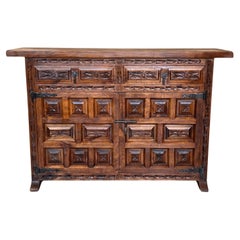
Antique Late 19th Century Spanish Baroque Cupboards
Iron
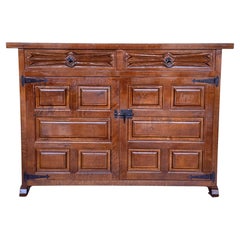
Antique 17th Century Spanish Baroque Cabinets
Walnut
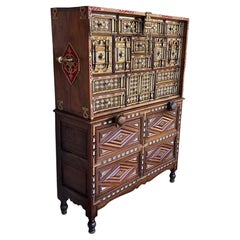
Antique 17th Century Spanish Baroque Cabinets
Walnut
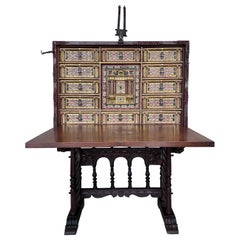
Antique Late 19th Century Baroque Cupboards
Iron
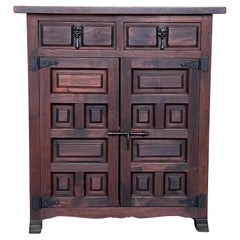
Antique Late 19th Century Baroque Cupboards
Iron
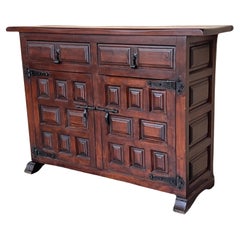
Antique Late 19th Century Baroque Cupboards
Iron
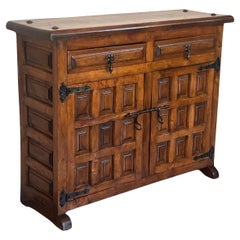
Antique Late 19th Century Spanish Baroque Cupboards
Iron
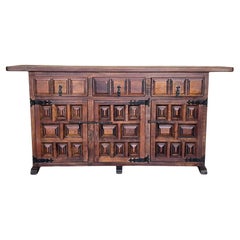
Antique Late 19th Century Baroque Cupboards
Iron
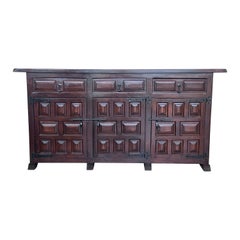
Antique 17th Century Spanish Baroque Cabinets
Walnut
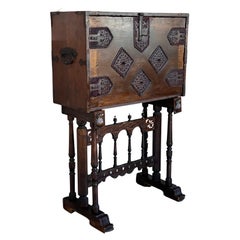
Antique 18th Century Austrian Baroque Cabinets
Iron
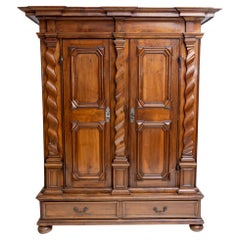
Antique 1650s Portuguese Baroque Cabinets
Brass
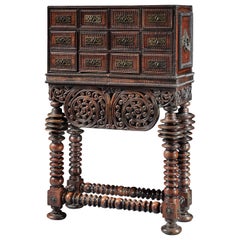
Antique 17th Century Dutch Baroque Cabinets
Oak
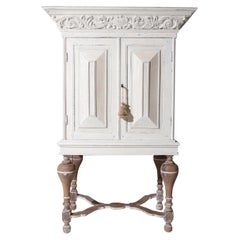
Antique Late 18th Century German Baroque Cabinets
Oak
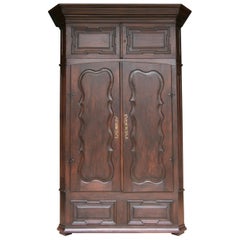
Antique 1840s Danish Baroque Cabinets
Mahogany
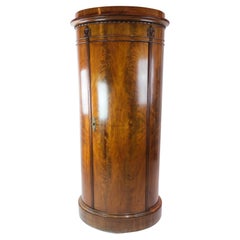
Antique 19th Century Portuguese Baroque Cabinets
Rosewood
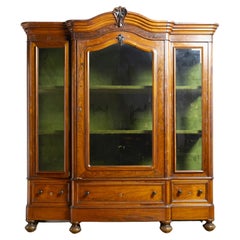
Antique 18th Century Portuguese Baroque Cabinets
Brass
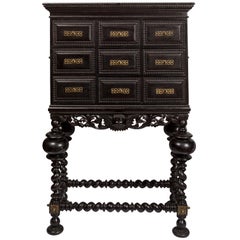
Antique Early 19th Century Swedish Baroque Cabinets
Wrought Iron
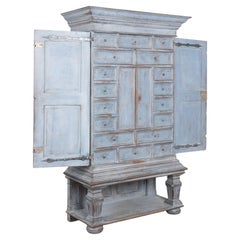
1990s American Baroque Cabinets
Wood
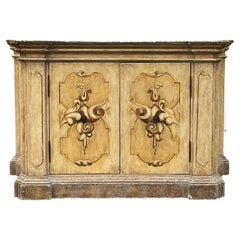
Antique Late 19th Century Baroque Cupboards
Iron
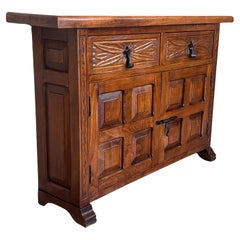
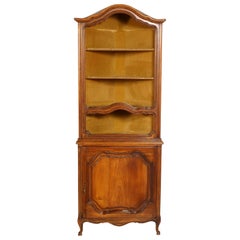
Antique Early 19th Century Italian Baroque Revival Corner Cupboards
Velvet, Walnut
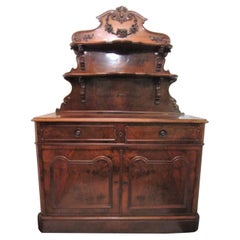
Antique Late 19th Century French Baroque Cupboards
Burl, Walnut
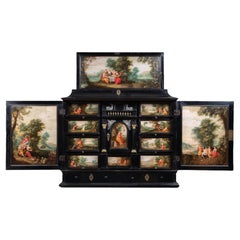
Antique 17th Century Belgian Baroque Cabinets
Wood
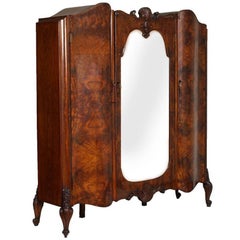
Vintage 1910s Italian Baroque Revival Cupboards
Mirror, Walnut, Burl
Antique 19th Century French Baroque Cabinets
Wood
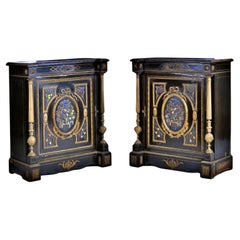
Antique 1630s Belgian Baroque Cabinets
Alabaster
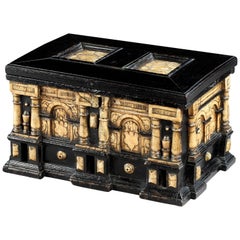
Antique 19th Century Italian Baroque Cabinets
Marble, Ormolu
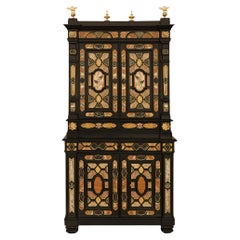
Antique 18th Century French Baroque Cabinets
Brass
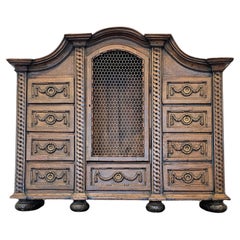
Antique 18th Century English Baroque Cabinets
Wood

Antique 18th Century French Baroque Cabinets
Stone, Bronze
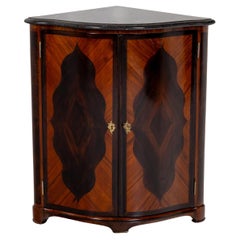
Antique Late 18th Century Italian Baroque Cabinets
Metal, Wrought Iron
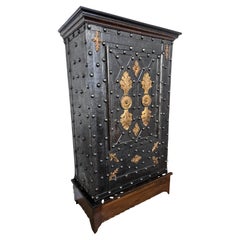
Antique Early 17th Century Belgian Baroque Cabinets
Iron
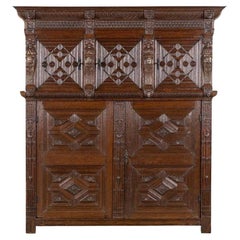
Antique 1690s Dutch Baroque Cabinets
Oak
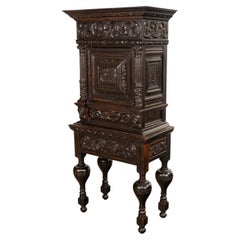
Antique Late 18th Century Italian Baroque Cabinets
Walnut, Glass
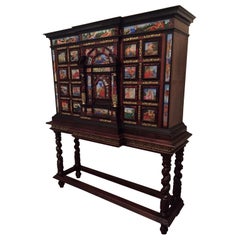
Early 20th Century Scandinavian Baroque Cabinets
Brass
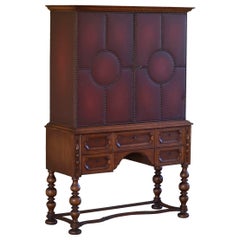
Antique 1730s Italian Baroque Cabinets
Olive, Walnut
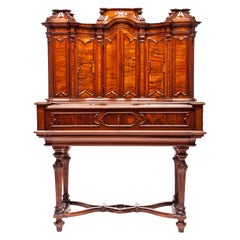
Antique 18th Century Dutch Baroque Cupboards
Oak
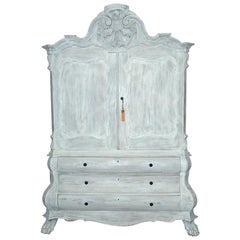
- 1
- ...
Baroque Kitchen Cabinet For Sale on 1stDibs
How Much is a Baroque Kitchen Cabinet?
A Close Look at Baroque Furniture
The decadence of the Baroque style, in which ornate furnishings were layered against paneled walls, painted ceilings, stately chandeliers and, above all, gilding, expressed the power of the church and monarchy through design that celebrated excess. And its influence was omnipresent — antique Baroque furniture was created in the first design style that truly had a global impact.
Theatrical and lavish, Baroque was prevalent across Europe from the 17th to mid-18th century and spread around the world through colonialism, including in Asia, Africa and the Americas. While Baroque originated in Italy and achieved some of its most fantastic forms in the late-period Roman Baroque, it was adapted to meet the tastes and materials in each region. French Baroque furniture informed Louis XIV style and added drama to Versailles. In Spain, the Baroque movement influenced the elaborate Churrigueresque style in which architecture was dripping with ornamental details. In South German Baroque, furniture was made with bold geometric patterns.
Compared to Renaissance furniture, which was more subdued in its proportions, Baroque furniture was extravagant in all aspects, from its shape to its materials.
Allegorical and mythical figures were often sculpted in the wood, along with motifs like scrolling floral forms and acanthus leaves that gave the impression of tangles of dense foliage. Novel techniques and materials such as marquetry, gesso and lacquer — which were used with exotic woods and were employed by cabinetmakers such as André-Charles Boulle, Gerrit Jensen and James Moore — reflected the growth of international trade. Baroque furniture characteristics include a range of decorative elements — a single furnishing could feature everything from carved gilded wood to gilt bronze, lending chairs, mirrors, console tables and other pieces a sense of motion.
Find a collection of authentic antique Baroque tables, lighting, decorative objects and other furniture on 1stDibs.
Finding the Right Cabinets for You
Although traditionally used in the bedroom to store garments that would not be hung in a closet, an antique or vintage cabinet can easily find a purpose in rooms throughout your entire house.
The world's first storage cabinets, reportedly constructed in Renaissance-era Europe, were demonstrative of excellence in carpentry and the work of master carvers. These robust bureaus or sophisticated chests of drawers were typically built from common woods, such as oak or walnut. Although they were fairly uniform in structure and lacked the bright colors of modern-day furniture, case pieces and storage cabinets that date from the 18th century and earlier were often found in the homes of nobility.
Their intricate carvings and various embellishments — adornments made from ivory, ornate lacquer work and, later, glass shelvings — reflect the elegance with which these decorative furnishings were associated. Given its valuable purpose and the beauty of the early furnishings' designs, the storage cabinet is an investment that will never go out of style.
The practical design that defines the earliest storage cabinets has inspired the creation of household must-haves, like minimalist drink trolleys and marble wood bookcases. From hiding outdoor gear in the mudroom to decluttering your kitchen with a tall kitchen pantry cabinet, these versatile furnishings have now become available in enough sizes, styles and colors to accommodate any space. After all, these aren't your run-of-the-mill filing cabinets.
A sophisticated storage cabinet — wood storage cabinets with doors and shelves, for example — can serve as a room divider when necessary, while the right vintage wall unit or floor-to-ceiling cabinetry solutions can seamlessly become part of any space without disrupting the energy of the room. And although you may hide items away in its drawers, bookworms might prefer a storage cabinet with open shelving for displaying favorite books or other media.
One-of-a-kind solutions for the modern consumer abound, but enthusiasts of understated, classical beauty may turn to Baroque-style storage cabinets. Elsewhere, admirers of mid-century modernism looking to make a statement with their case pieces will warm to the dark woods and clean lines of vintage storage cabinets by Paul McCobb, Florence Knoll or Edward Wormley.
Sometimes the best renovation is a reorganization. If you're ready to organize and elevate your space, a luxury storage cabinet is the addition you need.
Find a variety of vintage and antique storage cabinets on 1stDibs, including unique Art Deco storage cabinets, chinoiserie cabinets and more.
- 1stDibs ExpertFebruary 22, 2021While a lot has to do with personal preference and price point, the best wood for cabinets include Red Oak, White Oak, Maple Wood, Hickory Wood, Cherry Wood and Birch Wood. All of these are fairly strong and durable.
- 1stDibs ExpertAugust 17, 2021Corner kitchen cabinets tend to be bigger than regular cabinets. Using corner cabinets to store larger items, such as blenders, rice cookers and slow-cookers, is an efficient way to put these furnishings to work.
- 1stDibs ExpertFebruary 22, 2021Considering the fact that oak kitchen cabinets were most popular during the 1980s and 90s, they may feel slightly outdated today. However, depending on how the rest of the kitchen is designed, oak cabinets can certainly appear more contemporary.
- 1stDibs ExpertAugust 17, 2021Modular kitchen cabinets can be made out of any material, but wood, steel and fiberboard are the most common materials.
- 1stDibs ExpertFebruary 22, 2021Yes lacquer is good for kitchen cabinets since it is hard and durable. Lacquer finishes tend to be quite smooth and seamless.
- 1stDibs ExpertAugust 17, 2021Traditional knobs and metal bars are the most popular kitchen cabinet pulls. They’re timeless and easily customizable.
- 1stDibs ExpertApril 5, 2022You can do a number of things with metal kitchen cabinets. They can provide storage space not only in a kitchen, but also in other rooms of the home. To enhance their appearance, consider refinishing them or installing new hardware. Find a variety of metal kitchen cabinets on 1stDibs.
- 1stDibs ExpertFebruary 22, 2021Yes, painting kitchen cabinets is a great idea. Painting kitchen cabinets is quite economical and can give your kitchen a stylish, updated look.