Baroque Secretary
Antique 1750s German Baroque Secretaires
Oak, Walnut
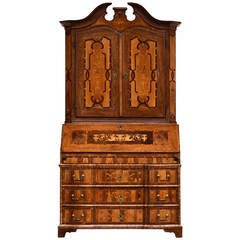

Antique 1750s French Baroque Secretaires
Walnut
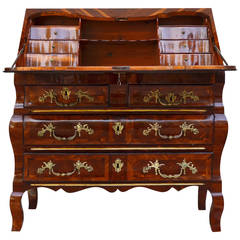
Antique 18th Century and Earlier Spanish Baroque Secretaires
Walnut
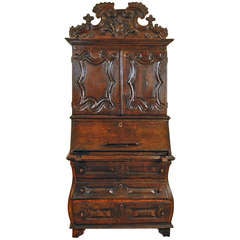
Antique 18th Century and Earlier Secretaires
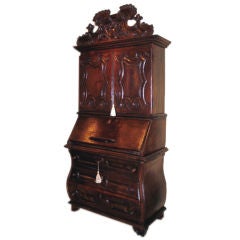
Antique Mid-19th Century Swedish Baroque Secretaires
Glass, Wood
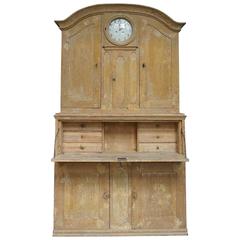
20th Century German Biedermeier Secretaires
Wood
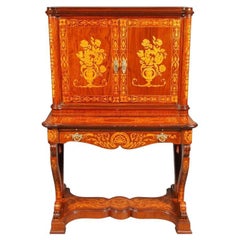
Antique 18th Century and Earlier Swedish Secretaires
Wood
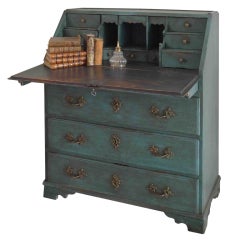
Antique 18th Century and Earlier Swedish Secretaires
Brass
Antique 1870s Swedish Baroque Secretaires
Wood
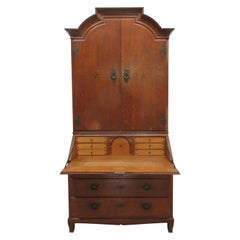
Antique 18th Century European Baroque Secretaires
Wood
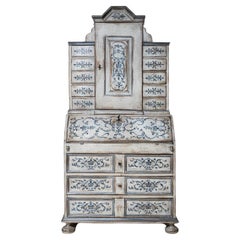
Antique 18th Century German Baroque Secretaires
Pine
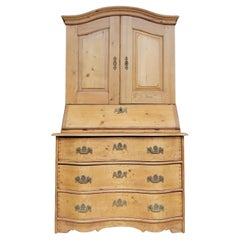
Antique 18th Century Swedish Baroque Secretaires
Wood
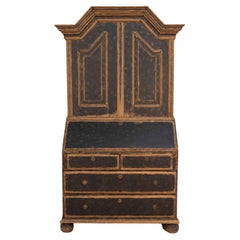
Antique 18th Century and Earlier German Secretaires
Oak
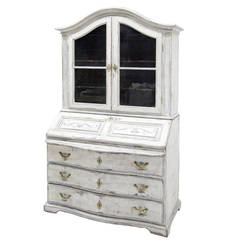
Antique 18th Century and Earlier Swedish Baroque Secretaires
Brass
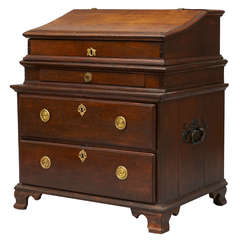
Antique Late 18th Century German Baroque Secretaires
Oak
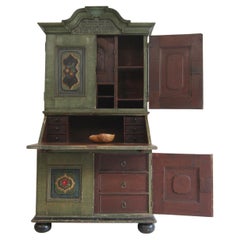
Antique 18th Century and Earlier Italian Baroque Secretaires
Walnut
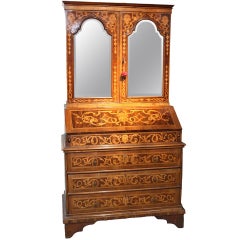
Antique 18th Century German Baroque Secretaires
Wood, Softwood
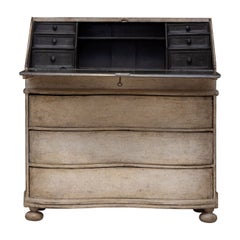
Early 20th Century German Baroque Secretaires
Wood, Giltwood
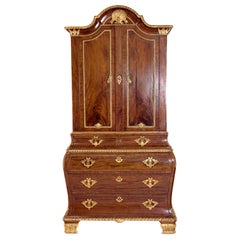
Antique Mid-18th Century German Baroque Secretaires
Fruitwood, Maple, Walnut
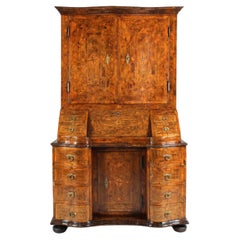
Antique Mid-18th Century Austrian Baroque Secretaires
Maple, Walnut
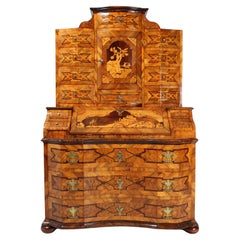
Antique 18th Century Swedish Baroque Secretaires
Wood, Paint
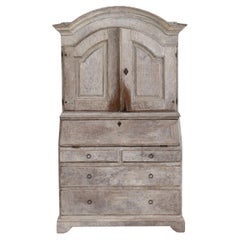
Antique Mid-18th Century Swedish Baroque Secretaires
Wood
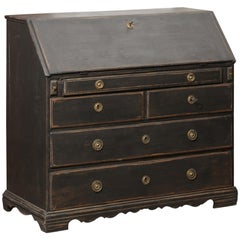
Antique 18th Century European Baroque Secretaires
Wood, Paint
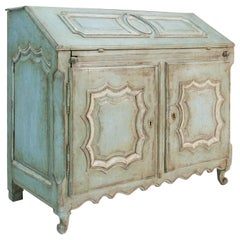
Antique Late 18th Century Swedish Baroque Secretaires
Pine
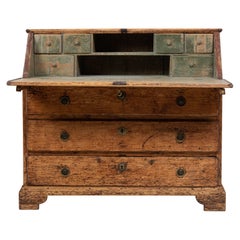
Antique Early 19th Century German Baroque Secretaires
Hardwood, Maple, Pine, Oak
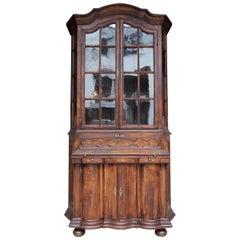
Antique 18th Century Swedish Baroque Secretaires
Oak
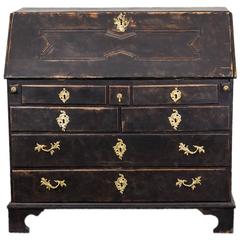
Antique 18th Century and Earlier Swedish Baroque Cabinets
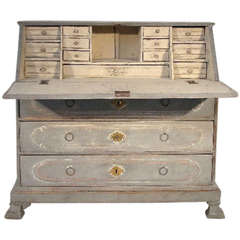
Antique 18th Century and Earlier Swedish Baroque Secretaires
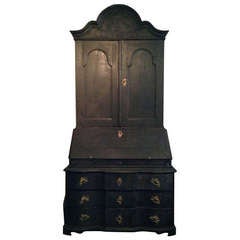
Antique Mid-17th Century Swedish Baroque Secretaires
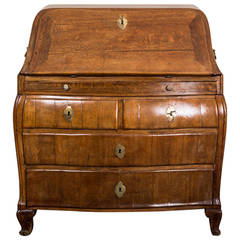
Antique 18th Century and Earlier German Baroque Secretaires
Oak, Paint
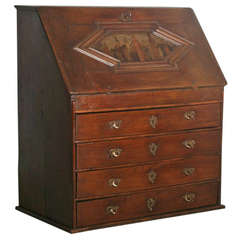
Antique Early 1900s Italian Baroque Secretaires
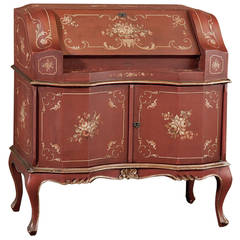
Vintage 1930s Italian Baroque Secretaires
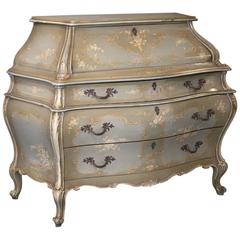
Mid-20th Century Italian Baroque Secretaires
Paint
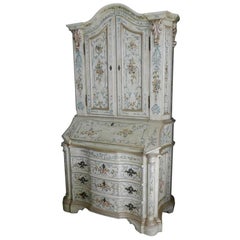
Late 20th Century American Secretaires
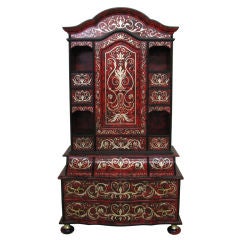
Antique 1870s Italian Baroque Secretaires
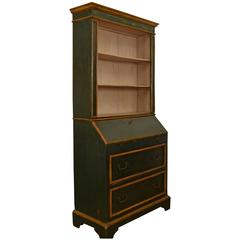
Antique Early 1700s Italian Baroque Commodes and Chests of Drawers
Walnut
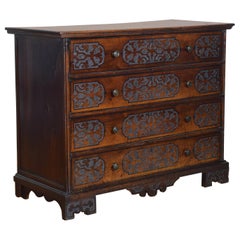
Antique Early 1900s Italian Baroque Secretaires
Burl, Walnut
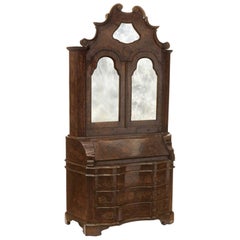
Antique 18th Century Dutch Baroque Secretaires
Walnut
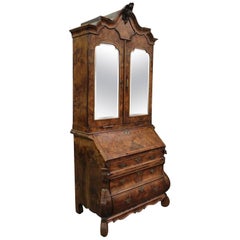
Antique Mid-18th Century Austrian Baroque Secretaires
Birdseye Maple, Mahogany, Walnut
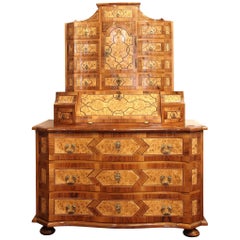
Antique Late 18th Century Danish Baroque Desks
Pine
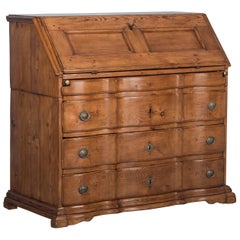
Antique 18th Century and Earlier Swedish Baroque Secretaires
Wood
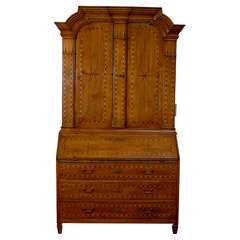
Antique 19th Century German Baroque Secretaires
Wood, Paint
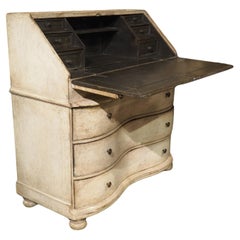
Antique Early 18th Century Italian Baroque Secretaires
Walnut
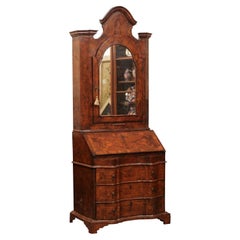
Mid-20th Century Italian Baroque Secretaires
Glass, Wood
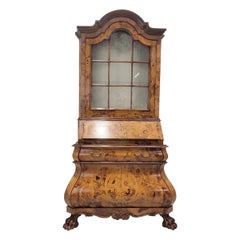
Antique Mid-19th Century Swedish Baroque Secretaires
Wood
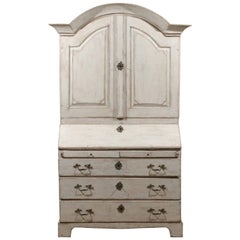
Antique 19th Century English George III Secretaires
Glass, Wood
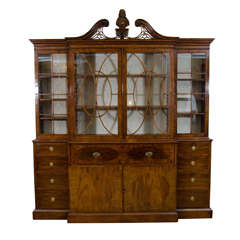
Vintage 1960s Danish Mid-Century Modern Desks and Writing Tables
Brass
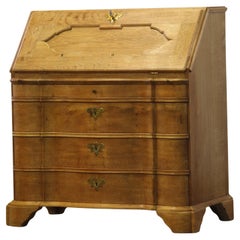
Mid-20th Century Italian Louis XIII Commodes and Chests of Drawers
Walnut
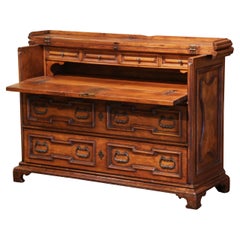
Antique Mid-18th Century German Louis XV Secretaires
Fruitwood, Walnut
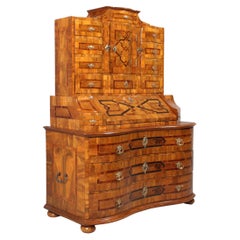
Antique Late 19th Century Dutch Baroque Secretaires
Oak
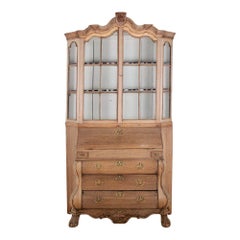
Antique 19th Century Dutch Baroque Desks
Metal, Brass
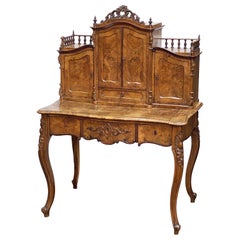
Early 20th Century English Baroque Revival Secretaires
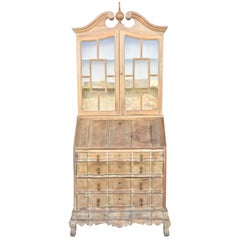
Early 20th Century English Baroque Revival Secretaires
Glass, Wood
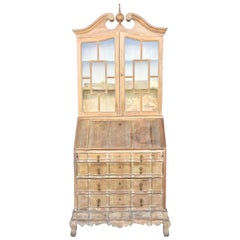
Antique Mid-18th Century German Baroque Commodes and Chests of Drawers
Wood
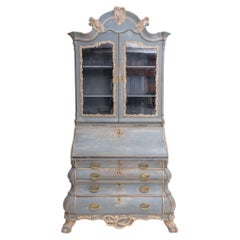
Antique Late 17th Century Baroque Secretaires
Walnut
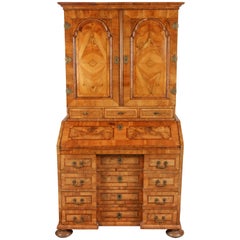
Antique Late 19th Century Italian Baroque Bookcases
Bronze
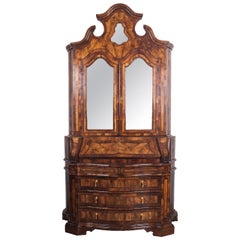
Antique Mid-18th Century Swedish Baroque Secretaires
Brass
- 1
Baroque Secretary For Sale on 1stDibs
How Much is a Baroque Secretary?
A Close Look at Baroque Furniture
The decadence of the Baroque style, in which ornate furnishings were layered against paneled walls, painted ceilings, stately chandeliers and, above all, gilding, expressed the power of the church and monarchy through design that celebrated excess. And its influence was omnipresent — antique Baroque furniture was created in the first design style that truly had a global impact.
Theatrical and lavish, Baroque was prevalent across Europe from the 17th to mid-18th century and spread around the world through colonialism, including in Asia, Africa and the Americas. While Baroque originated in Italy and achieved some of its most fantastic forms in the late-period Roman Baroque, it was adapted to meet the tastes and materials in each region. French Baroque furniture informed Louis XIV style and added drama to Versailles. In Spain, the Baroque movement influenced the elaborate Churrigueresque style in which architecture was dripping with ornamental details. In South German Baroque, furniture was made with bold geometric patterns.
Compared to Renaissance furniture, which was more subdued in its proportions, Baroque furniture was extravagant in all aspects, from its shape to its materials.
Allegorical and mythical figures were often sculpted in the wood, along with motifs like scrolling floral forms and acanthus leaves that gave the impression of tangles of dense foliage. Novel techniques and materials such as marquetry, gesso and lacquer — which were used with exotic woods and were employed by cabinetmakers such as André-Charles Boulle, Gerrit Jensen and James Moore — reflected the growth of international trade. Baroque furniture characteristics include a range of decorative elements — a single furnishing could feature everything from carved gilded wood to gilt bronze, lending chairs, mirrors, console tables and other pieces a sense of motion.
Find a collection of authentic antique Baroque tables, lighting, decorative objects and other furniture on 1stDibs.
Finding the Right Secretaires for You
Your antique, new or vintage secretary desk has become the (chic) saving grace of the "new normal" at home.
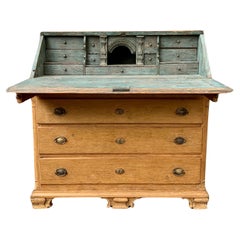
Simply put, a secretary desk is a multifunctional piece of furniture with a hinged writing surface that folds open or drops down. When the leaf is folded out, small inner storage compartments — pigeonholes, cubbies, recesses or drawers — are revealed.
Traditionally, a secretary is composed of two parts — a chest of drawers on the bottom and a cabinet with shelves on the top. Taking its name from the French word for the piece, secrétaire, the secretary desk dates back to the 18th century, when Paris-based cabinetmaker Jean-François Oeben, known for his exquisite marquetry and clever mechanical desks, is thought to have invented the secrétaire à abbattant, or drop-leaf desk.
While the defining drop-down feature of the secretary desk has remained constant, the materials used, as well as its configuration, size and style have evolved over time.
At first, secretaries were typically made from exotic woods, like rosewood, tulipwood and kingwood; later, hardwoods like cherry, maple, oak and mahogany were more common. The desks also became lighter, with space carved out of the lower half for the writer’s feet or with drawers replaced by legs — making them more table-like.
When open, the secretary is a dynamic, versatile Wunderkammer. When closed, it’s a sophisticated, space-saving piece of furniture.
“A fine secretary with a good provenance adds stature and credence to its owner — it is a cornerstone piece,” says antiques dealer Stanley Weiss, who specializes in 18th- and 19th-century English and American furniture. “In this disposable world, fine furniture is always passed on and speaks to who its owner is.”
No matter what style or period you choose, and no matter how you decide to use it, the timeless, flexible secretary desk is bound to become an indispensable part of your daily routine.
Browse a range of antique and vintage secretary desks on 1stDibs, including mid-century modern secretaires, Georgian secretaires and others.