Bauhaus Rattan
2010s Austrian Floor Lamps
Brass
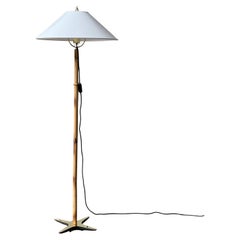
Early 20th Century German Bauhaus Armchairs
Rattan
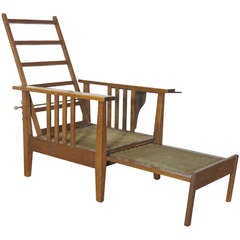
Early 20th Century German Bauhaus Armchairs
Rattan
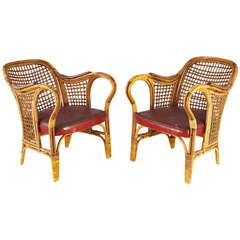
Vintage 1930s German Bauhaus Armchairs
Rattan
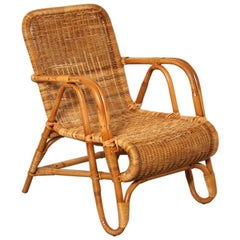
Vintage 1970s Bauhaus Side Chairs
Chrome
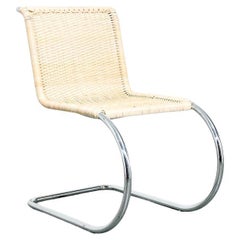
Vintage 1930s German Bauhaus Chaise Longues
Metal
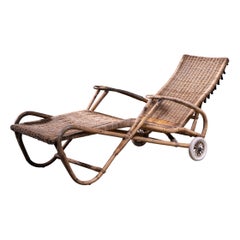
Vintage 1960s Bauhaus Side Chairs
Steel, Chrome
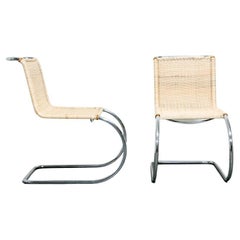

Vintage 1920s German Bauhaus Armchairs
Rattan
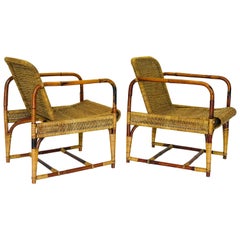
Mid-20th Century American Bauhaus Dining Room Chairs
Steel, Chrome
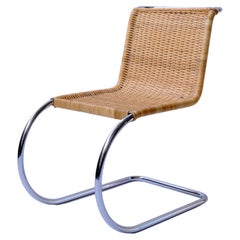
Vintage 1930s Czech Bauhaus Cabinets
Rattan, Cut Glass, Oak
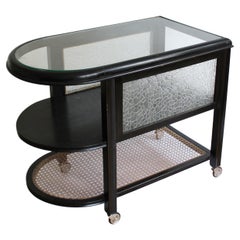
Vintage 1930s German Bauhaus Chaise Longues
Rattan
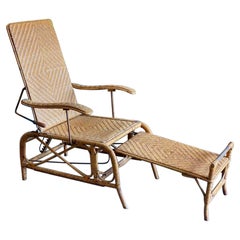
Vintage 1960s German Mid-Century Modern Chairs
Steel
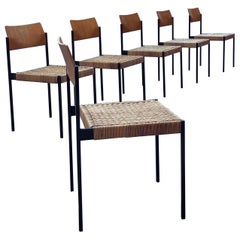
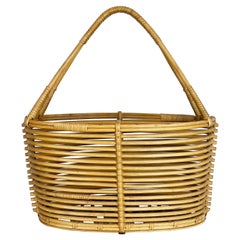
Vintage 1950s French Bauhaus Decorative Baskets
Rattan
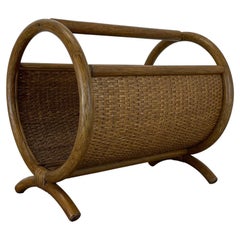
Vintage 1980s French Bauhaus Magazine Racks and Stands
Rattan, Wood
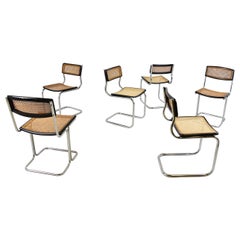
Vintage 1960s Italian Bauhaus Dining Room Chairs
Chrome
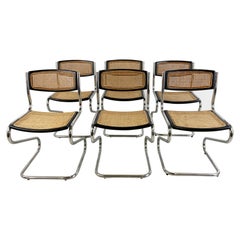
Vintage 1960s Italian Bauhaus Dining Room Chairs
Chrome
Early 20th Century German Bauhaus Chairs
Chrome
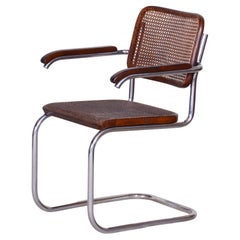
Vintage 1980s Italian Bauhaus Dining Room Chairs
Chrome
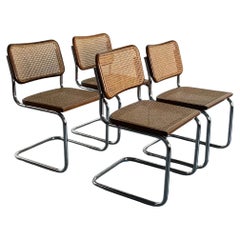
Vintage 1980s Danish Bauhaus Lounge Chairs
Chrome
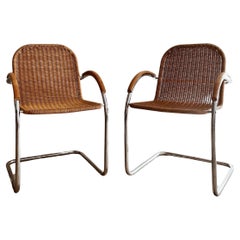
Mid-20th Century European Bauhaus Lounge Chairs
Metal
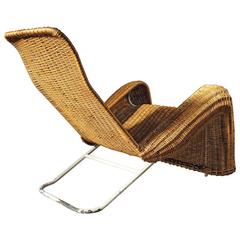
Mid-20th Century German Bauhaus Lounge Chairs
Chrome
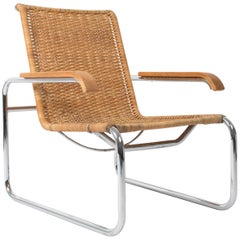
Mid-20th Century European Bauhaus Lounge Chairs
Metal
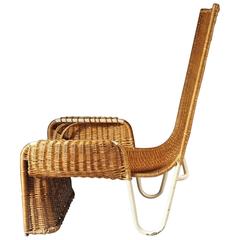
Vintage 1920s German Bauhaus Lounge Chairs
Chrome
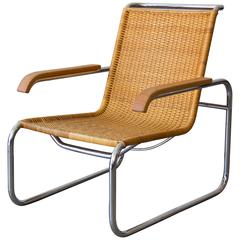
Vintage 1970s Central American Mid-Century Modern Dining Room Chairs
Chrome
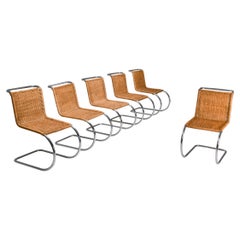
Mid-20th Century Italian Bauhaus Lounge Chairs
Rattan, Wood
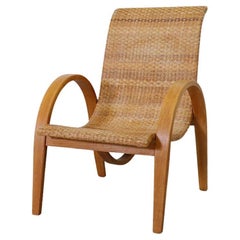
Mid-20th Century Bauhaus Armchairs
Bamboo
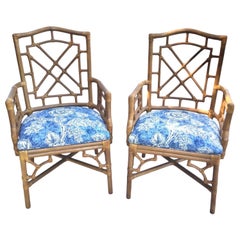
Vintage 1970s American Bauhaus Side Tables
Rattan
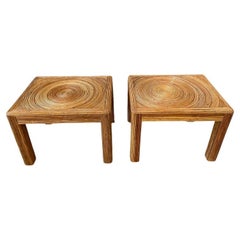
Vintage 1960s Italian Bauhaus Rocking Chairs
Chrome
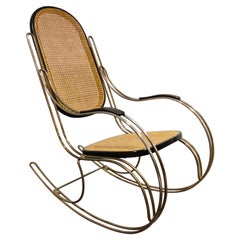
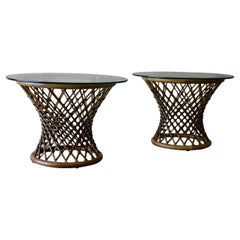
Vintage 1970s Bauhaus End Tables
Rattan, Glass
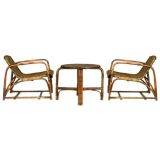
Vintage 1930s German Armchairs
Wicker, Rattan
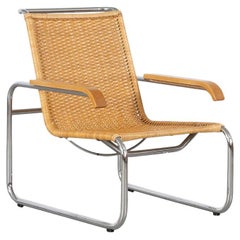
Early 20th Century German Bauhaus Armchairs
Steel, Chrome
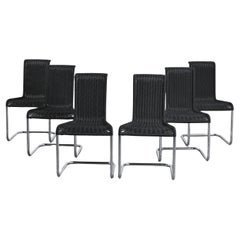
Mid-20th Century German Bauhaus Chairs
Metal
Vintage 1970s Italian Bauhaus Dining Room Chairs
Rattan
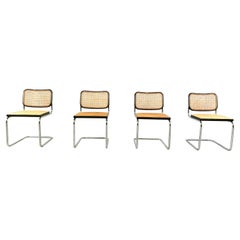
Vintage 1970s Austrian Bauhaus Armchairs
Chrome
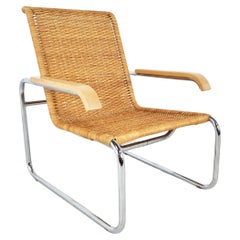
Vintage 1970s Italian Bauhaus Dining Room Chairs
Chrome
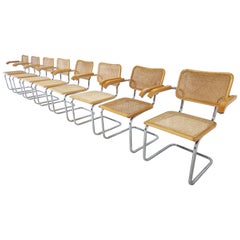
Vintage 1970s Italian Bauhaus Dining Room Chairs
Metal
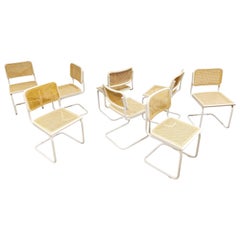
Vintage 1970s Italian Bauhaus Armchairs
Chrome
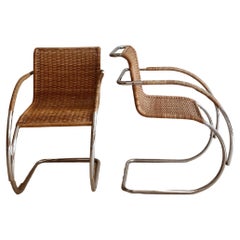
Early 20th Century Austrian Bauhaus Armchairs
Chrome
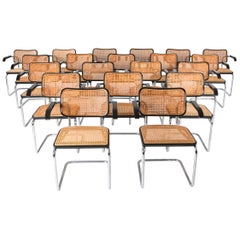
Early 20th Century Austrian Bauhaus Armchairs
Chrome
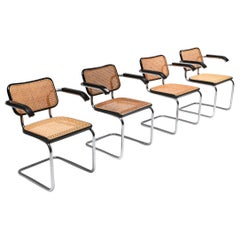
Early 20th Century Austrian Bauhaus Armchairs
Chrome

Vintage 1970s Italian Bauhaus Dining Room Chairs
Chrome
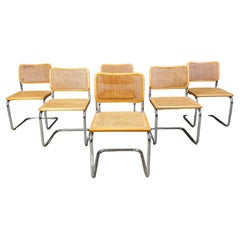
Vintage 1970s Italian Bauhaus Dining Room Chairs
Chrome
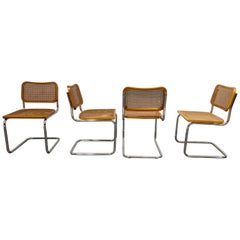
Vintage 1970s Italian Bauhaus Dining Room Chairs
Chrome
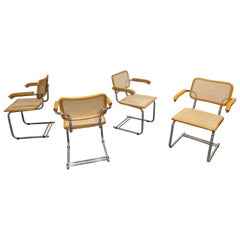
Vintage 1970s Italian Bauhaus Dining Room Chairs
Chrome
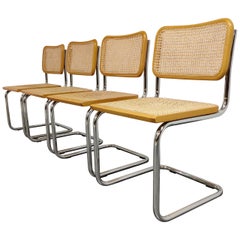
1990s Italian Bauhaus Dining Room Chairs
Chrome
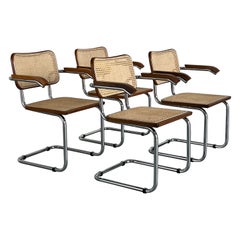
Vintage 1920s German Bauhaus Dining Room Chairs
Chrome
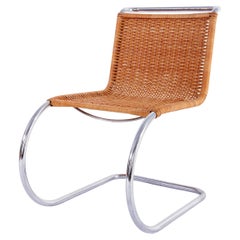
Vintage 1920s German Bauhaus Dining Room Chairs
Chrome
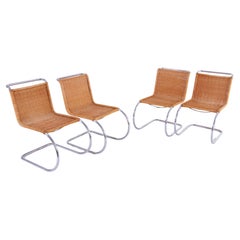
Vintage 1920s German Bauhaus Dining Room Chairs
Chrome
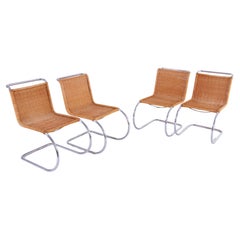
Vintage 1970s Italian Bauhaus Stools
Rattan, Lacquer
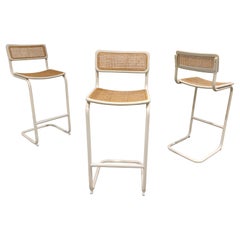
Vintage 1970s Italian Bauhaus Stools
Chrome
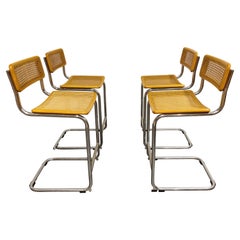
Vintage 1970s Italian Bauhaus Stools
Chrome
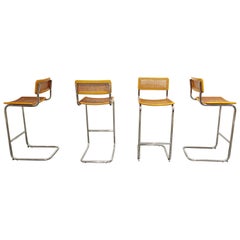
Mid-20th Century Italian Bauhaus Dining Room Chairs
Chrome
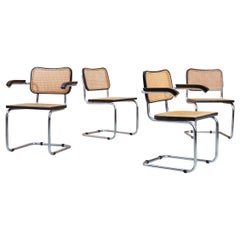
Mid-20th Century Bauhaus Floor Lamps
Rattan

Vintage 1970s Italian Bauhaus Stools
Chrome
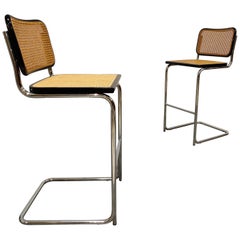
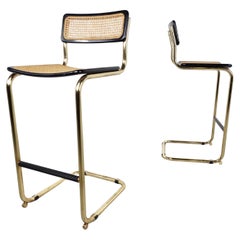
Vintage 1970s Italian Bauhaus Stools
Brass
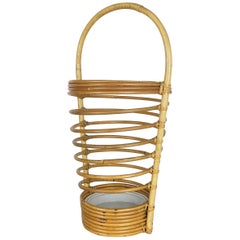
Late 20th Century French Bauhaus Decorative Baskets
Rattan
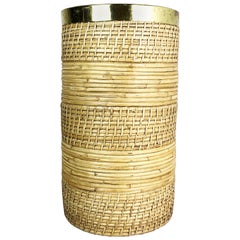
Vintage 1950s French Bauhaus Decorative Baskets
Metal, Brass
- 1
Bauhaus Rattan For Sale on 1stDibs
How Much is a Bauhaus Rattan?
A Close Look at Bauhaus Furniture
The Bauhaus was a progressive German art and design school founded by the architect Walter Gropius that operated from 1919 to 1933. Authentic Bauhaus furniture — sofas, dining chairs, tables and more — and the school’s followers married industrial and natural materials in simple, geometric forms. The goal of the Bauhaus was to erase the distinction between art and craft while embracing the use of new technologies and materials.
ORIGINS OF BAUHAUS FURNITURE DESIGN
- Art and design school established in Germany in 1919
- Promotion of a union of art, craft and technology
- Design intended for mass production
- School’s workshops focused on cabinetry, metalworking, typography, textiles and more
- Informed by De Stijl, Constructivism, Art Nouveau, Arts and Crafts, and modernism; influenced mid-century modernism, Scandinavian modernism
CHARACTERISTICS OF BAUHAUS FURNITURE DESIGN
- Emphasis on craft
- Simplicity, order, clarity and a prioritization of functionalism
- Incorporation of geometric shapes
- Minimalist and refined, little to no ornamentation
- Use of industrial materials such as tubular chrome, steel and plastic as well as leather, cane and molded plywood in furniture and other products
BAUHAUS FURNITURE DESIGNERS YOU SHOULD KNOW
- László Moholy-Nagy
- Ludwig Mies van der Rohe
- Anni Albers
- Josef Hoffmann
- Marcel Breuer
- Marianne Brandt
AUTHENTIC BAUHAUS FURNITURE ON 1STDIBS
The name Bauhaus is derived from the German verb bauen, “to build.” Under the school’s innovative curriculum, students were taught the fine arts, such as painting and sculpture, as well as practical skills like carpentry and metalworking.
The school moved from Weimar in 1925 to the city of Dessau, where it enjoyed its heyday under Gropius, then Hannes Meyer and Ludwig Mies van der Rohe. The period from 1932 to 1933 when it operated in Berlin under Mies was its final chapter. Despite its brief existence, the Bauhaus has had an enduring impact on art and design in the United States and elsewhere, and is regarded by many as the 20th century’s chief crucible of modernism.
The faculty roster at the Bauhaus reads like a who’s who of modernist creative genius — it included such artists as Paul Klee, Wassily Kandinsky and László Moholy-Nagy along with architects and designers like Mies and Marcel Breuer, who became known for his muscular brutalist-style concrete buildings in the postwar years. In 1925, while he was head of the Bauhaus carpentry workshop, Breuer gave form to his signature innovation: the use of lightweight tubular-steel frames for chairs, side tables and sofas — a technique soon adopted by Mies and others. Breuer’s Cesca chair was the first-ever tubular steel frame chair with a caned seat to be mass produced, while the inspiration for his legendary Wassily chair, a timeless design and part of the collection crafted to furnish the Dessau school, was the bike he rode around campus.
Bauhaus design style reflects the tenets by which these creators worked: simplicity, clarity and function. They disdained superfluous ornament in favor of precise construction. Seating pieces such as side chairs, armchairs or club chairs for example, were made with tubular metal or molded plywood frames, and upholstery was made from leather or cane. Above all, designs in the Bauhaus style offer aesthetic flexibility. They can be the elements of a wholly spare, minimalist space, the quiet foundation of an environment in which color and pattern come from one’s own collection of art and artifacts.
Today, from textiles to typefaces, architecture, furniture and decorative objects for the home, Bauhaus creations continue to have an outsize influence on modern design.
Find a collection of authentic Bauhaus furniture on 1stDibs.